





© ROOT-NATION.com - Use of content is permitted with a backlink.

For years, online gaming has pushed the limits of network infrastructure. From the early days of multiplayer dial-up to today’s massive battle royale universes, there has always been one metric that consistently gets mentioned before anything else… Lag. Even a millisecond of delay can ultimately mean the difference between victory and defeat in your favourite competitive shooter – or, in the case of live dealer casino tables, the difference between smooth immersion and a frustrating laggy mess.
5G and edge computing are here to change everything as we know it. Two technologies that are reshaping the path of data and when combined, they provide the kind of near-simultaneous responsiveness that not only powers AAA games but also improves real-time experiences on interactive and streaming platforms.
TABLE OF CONTENTS:
Why 5G Matters for Online Play
Unlike 4G, which was geared to mobile surfing and streaming, 5G is designed for data-heavy, low-latency applications.

Some of the benefits include:
- Latency as low as 1 ms in ideal conditions, as opposed to 30–50 ms on 4G.
- Network slicing, where certain traffic classes are assigned priority, i.e., gaming packets can be optimized.
- Increased bandwidth that can handle 100+ connected devices without loss of performance.
This is the foundation on which real-time interactivity is the standard. In gaming, 5G gives less stuttering motion, faster response time, and reduced packet loss. For live entertainment platforms, this translates to clean video streams and instant reactions that mimic being in-person.
The Role of Edge Computing
In plain terms, 5G is akin to highway speeding, edge computing is there to shorten the trip. Instead of moving data back and forth over long distances to central cloud servers, edge nodes process information close to the player’s location.

This has two key benefits:
- Lower latency – choices are made in milliseconds rather than seconds.
- Improved scalability – many players can interact without burdening central servers.
For real-time gameplay sessions, edge computing ensures video streams, user input, and animations remain perfectly in sync even when hundreds of users connect simultaneously.
Comparing Bandwidth Demands
At first glance, it may not be equitable to compare a massive open-world shooter to a virtual card game. AAA games have a tendency to need dozens of gigabytes worth of assets, quick frame rates, and smooth rendering across huge maps.
Streamed or live dealer games, though, pose their own challenges:
- High-definition live video from multiple camera angles.
- Real-time input/output synchronization to register player actions instantly.
- Encryption layers to secure transactions without slowing down gameplay.
Bandwidth for AAA games is front-loaded at install or updates, while real-time interactive services rely on sustained, consistent throughput. That is, AAA games stress GPUs and storage, while online experiences stress the network layer. That’s the very reason 5G integrated with edge computing delivers this degree of distinction.
Multitasking in the 5G Era
Another benefit of modern mobile networks is how they enable true multitasking on smartphones and tablets. With 5G’s increased bandwidth, users can seamlessly stream gameplay, run a video call, and keep background apps active without noticeable slowdowns.
This is especially relevant for players who like to switch between apps mid-session or checking strategy guides, sharing live clips, or monitoring social feeds while staying connected. In practice, this kind of multitasking transforms the gaming experience into something far more dynamic than single-screen play, and it’s one of the most overlooked advantages of low-latency connections.
Real-Time Gaming as a Test Case
Interactive platforms act as a sort of litmus test for network performance. They combine the requirements of video conferencing, multiplayer input synchronization, and security.
When a user joins a live game, the platform must deliver:
- Instant video feed without buffering.
- Immediate recognition of inputs.
- Seamless communication between players and servers.
Any lag undermines trust. If an action takes too long to register, or a response appears late, the illusion of reality breaks. With 5G and edge infrastructure, these problems fade away, enabling users to enjoy a frictionless experience. And for players, this means smoother experiences when playing blackjack online where every interaction feels as natural as sitting in a real casino.
The Wider Implications
The benefits don’t stop at card games. Cloud gaming platforms such as GeForce NOW, Xbox Cloud Gaming, and PlayStation Plus already leverage low latency networks to stream full console experiences to mobile devices. The same principles apply: users demand high fidelity, zero lag, and consistent connections.
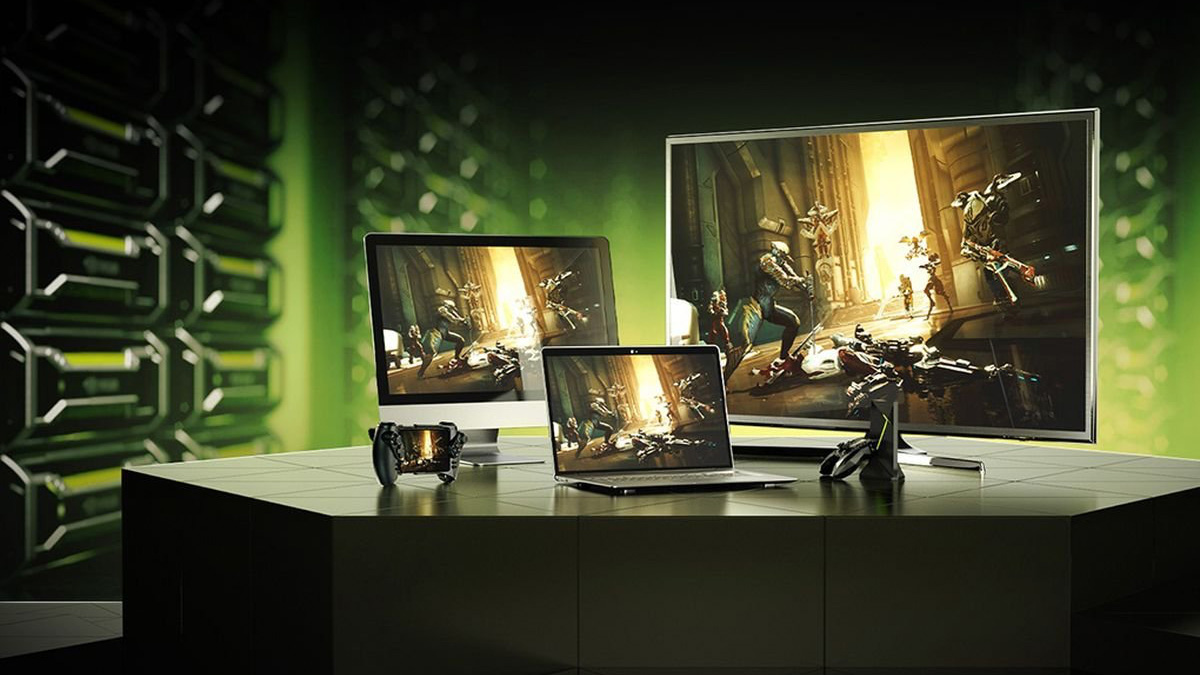
By investing in 5G and edge architecture, developers across all industries – from ruthless eSports to virtual casinos, now developers can build experiences never before possible on mobile networks. Through this union of technologies, gaming is taken forward to where platform seams disappear and users have instant access regardless of device or location.
Final Thoughts
The rise of this technology isn’t just another incremental upgrade, consider it a turning point for online interactive entertainment. AAA shooters might have a head start in showcasing the flashiest graphics, but real-time card and dealer games quietly demonstrate the importance of latency, consistency, and trust in network performance.
As networks keep improving, the gap between online and in-person play is shrinking fast. Whether it’s jumping into a global tournament, switching between apps while gaming, or joining a live table on your phone, the future looks clear – with 5G and edge computing, gaming feels smoother, faster, and virtually limitless.

