





© ROOT-NATION.com - Use of content is permitted with a backlink.

The digital economy has fundamentally changed how tech projects are executed. Traditional hiring models, which relied heavily on in-house teams, are giving way to flexible, scalable alternatives. Today, businesses and startups are increasingly choosing to hire freelance web developers and digital services through online marketplaces, combining speed, expertise, and cost efficiency.
For tech teams, flexibility is critical. Companies can now tap into a global pool of talent, allowing projects to progress without the constraints of local hiring, recruitment delays, or office overheads. This trend is transforming how digital products are developed, tested, and launched.
TABLE OF CONTENTS:
Why Tech Teams Are Turning to Freelancers
In the fast-paced world of technology, startups and digital enterprises cannot afford bottlenecks caused by slow hiring. Freelancers offer:
- Immediate access to specialized skills – Whether it’s AI integration, cloud deployment, or responsive design, freelancers provide targeted expertise.
- Scalability – Teams can scale up or down based on project needs, keeping costs manageable.
- Faster turnaround times – Freelancers often work on a project-focused basis, enabling rapid delivery.
- Reduced overhead – No need to provide long-term contracts, benefits, or office space.
For small to medium-sized tech companies, these advantages are often decisive in choosing freelance talent over permanent hires.
Skills That Matter Most in 2026
When hiring freelance web developers, businesses should prioritize a combination of technical and practical skills. Key areas include:
Frontend Development
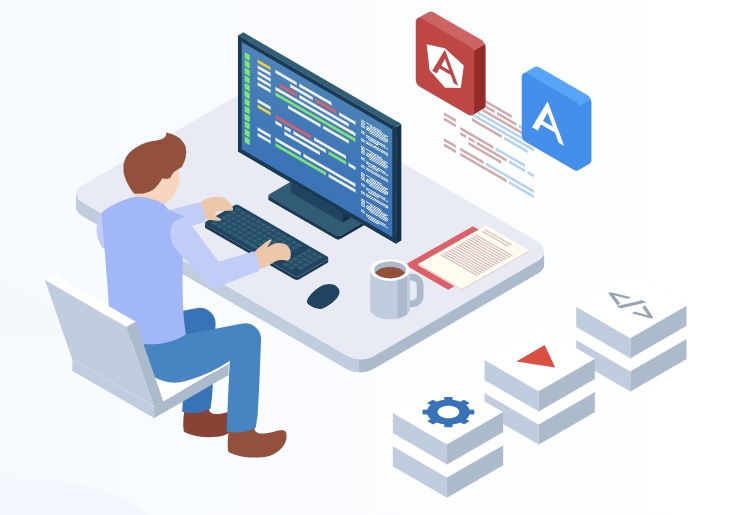
Proficiency in HTML, CSS, JavaScript, and frameworks like React or Vue is essential. Frontend developers ensure websites and applications are responsive, intuitive, and visually appealing.
Backend Expertise
Backend skills, including Node.js, PHP, Python, and database management, are critical for building stable, scalable web applications. Freelancers with strong backend knowledge can integrate complex systems efficiently.
API Integration
Modern applications often rely on multiple services. Freelancers experienced in API integration can connect software, payment systems, analytics tools, and third-party services seamlessly.
UI/UX Design
Freelancers with user interface and experience design expertise help create products that are not only functional but also user-friendly. This skill is particularly valuable for startups targeting mobile and web audiences.
SEO & Performance Optimization
Technical optimization ensures websites are fast, accessible, and optimized for search engines, which is crucial for startups aiming to compete online.
How Digital Marketplaces Simplify Hiring
Online freelance marketplaces act as a bridge between clients and skilled professionals. Platforms that allow businesses to hire freelance web developer talent and digital services provide:
- Verified freelancer profiles and portfolios – Businesses can evaluate skills before committing.
- Client reviews and ratings – Insights from previous projects reduce hiring risk.
- Secure payment systems – Payment is tied to milestones, ensuring accountability.
- Project management tools – Communication, updates, and task tracking are centralized.
- Global talent access – Geographic barriers no longer limit project execution.
These platforms streamline hiring while increasing transparency, helping tech teams focus on delivering quality products rather than managing recruitment logistics.
Cost Considerations in 2026
Freelance rates vary depending on expertise, experience, and project complexity. A general guide:
- Junior developers: $15–$40 per hour
- Mid-level developers: $40–$80 per hour
- Senior specialists: $80–$150 per hour
Many freelancers also work on a fixed-price basis for specific projects, such as website builds, app development, or API integrations. Budget planning becomes easier as teams can hire based on project scope rather than full-time salaries.
While cost efficiency is important, the quality of work and reliability are critical. Investing in experienced freelancers can save time, prevent errors, and ultimately improve project outcomes.
Best Practices for Hiring Freelancers
To maximize success, businesses should follow these strategies:
- Define project scope clearly – Include deadlines, deliverables, and expectations.
- Review freelancer portfolios and references – Ensure skills and experience align with project requirements.
- Start with smaller milestones – Test freelancer compatibility before assigning larger tasks.
- Maintain clear communication – Regular updates and feedback minimize misunderstandings.
- Use contracts and agreements – Protect both parties with clearly defined terms.

By implementing these steps, companies can reduce risks and achieve better project outcomes with freelance talent.
Real-World Applications in Tech Projects
Freelancers are no longer limited to small, isolated tasks. Their impact is evident across multiple tech domains:
- Web Applications – Startups often hire freelancers to design and code MVPs quickly.
- Mobile Apps – Freelancers provide frontend and backend development, UI/UX, and cross-platform testing.
- Cloud Integration – Specialists handle APIs, microservices, and serverless deployments efficiently.
- E-commerce – Freelance developers build and maintain scalable online stores with secure payment gateways.
- AI & Automation Projects – Freelancers with niche expertise in machine learning or data automation can help implement advanced features.
These examples show how freelancers are integral to modern tech project workflows.
The Future of Freelance Marketplaces for Tech Projects
The gig economy is growing rapidly. Digital marketplaces connecting businesses to freelance web developers are likely to play an increasingly important role in project management. Benefits include:
- Streamlined hiring process
- Access to verified, skilled talent
- Global reach without geographic limitations
- Efficient project management with milestone-based payments
By leveraging these platforms, tech companies can stay agile, reduce costs, and access specialized skills that may not exist internally. Platforms such as Osdire exemplify this trend, providing secure, reliable connections between buyers and freelance professionals.
Conclusion
The rise of freelance marketplaces has reshaped how tech projects hire talent. They offer flexibility, expertise, and cost efficiency that traditional hiring cannot match. Businesses can focus on innovation and execution, while freelance developers contribute skills that drive projects forward.
In 2026 and beyond, companies that integrate freelance talent into their workflows will have a competitive advantage in speed, quality, and scalability.

