




© ROOT-NATION.com - Use of content is permitted with a backlink.

Smartphone demand continues to grow. Counterpoint Research reports that global sales increased by about 4% in 2024. At the same time, global smartphone revenue rose 5%, and the average selling price reached around $356. This shift means more buyers are choosing higher-priced models than before.
For American consumers, these trends mean they must balance performance and AI features and plan their budgets more carefully than before. Device costs also strengthen the connection between market dynamics and upgrade planning. As competition intensifies, only a few major brands are positioned to lead the market in 2026.
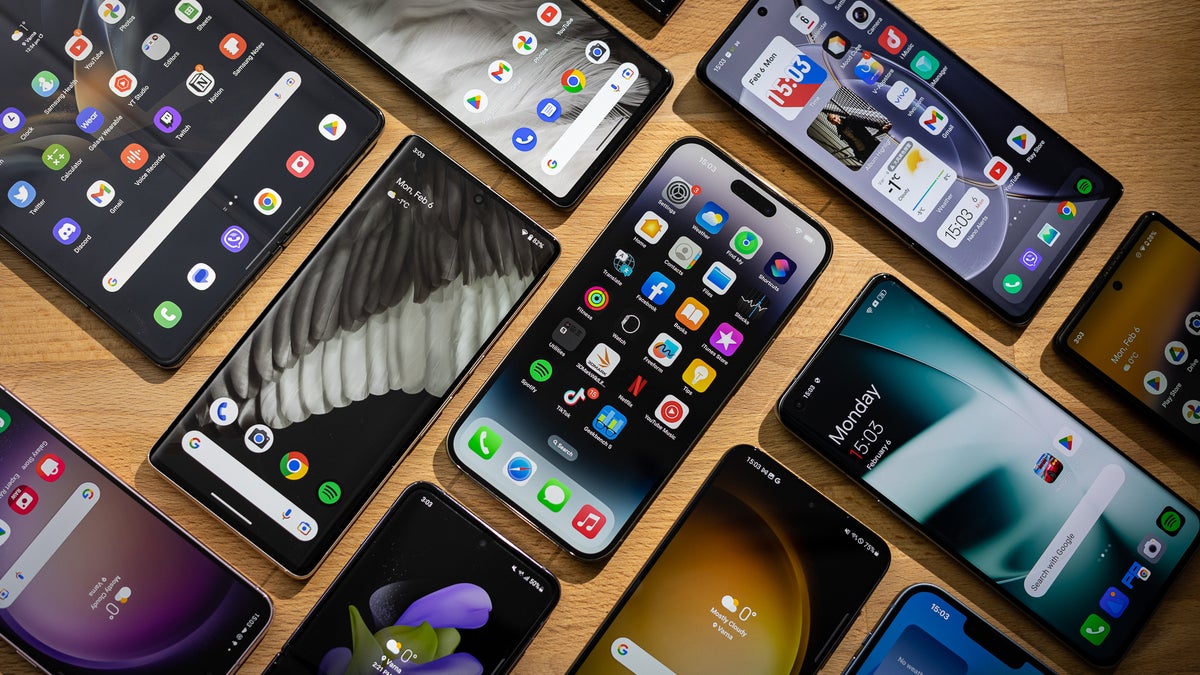
This article explains the forces driving these changes, how major brands currently stand, and what buyers should know when planning and financing their next smartphone upgrade.
TABLE OF CONTENTS:
Factors That Shape the Smartphone Market
Below are several key factors influencing the market.
Premium phones are taking over a larger share of global sales
Analysis of the 2023 premium segment shows that phones priced above $600 already account for around 25% of global sales and 60% of revenue. Apple and Samsung are the main leaders in this segment.
This trend has strengthened because premium buyers upgrade less often but spend more on each device. It pushes brands to invest heavily in high-end models.
On-device AI will become a standard expectation in mid-range and premium phones
Artificial intelligence is moving from a marketing feature to a standard requirement. Samsung introduced Galaxy AI and expanded AI-driven functions in 2024–2025 models, for example, the Galaxy S24. By 2026, buyers expect similar on-device AI support from every leading brand. It means AI quality may become a key factor for buyers who compare brands.
Mobile technology’s growing economic role pushes brands to invest more in advanced smartphones
The GSMA reports that mobile technologies contribute around 5.8% of global GDP. Smartphones are the primary daily device, so brands should continue improving performance, connectivity, and battery efficiency to cover rising demand by 2026.
Lower inflation still affects how Americans plan smartphone purchases
Inflation in the U.S. became lower, but the Consumer Price Index rose 2.9% from December 2023 to December 2024, according to the Bureau of Labor Statistics. Because people’s budgets are tight, more buyers in 2026 will rely on trade-ins, installment plans, or discounts instead of paying the full retail price upfront. This directly affects brand strategies, especially in mid-range and premium categories.
Where the Leading Smartphone Brands Stand Today
Some popular brands reached a peak of competitiveness. Below is a quick look at their positions.
Apple
In the USA, Apple is a leader in the smartphone market, operating in the high-end segment. Counterpoint data shows that in 2024, Apple held about 52% of the American smartphone market. After the launch of the iPhone 17, this position became stronger. It boosted demand and led analysts to expect year-over-year shipment growth of around 6.1%.
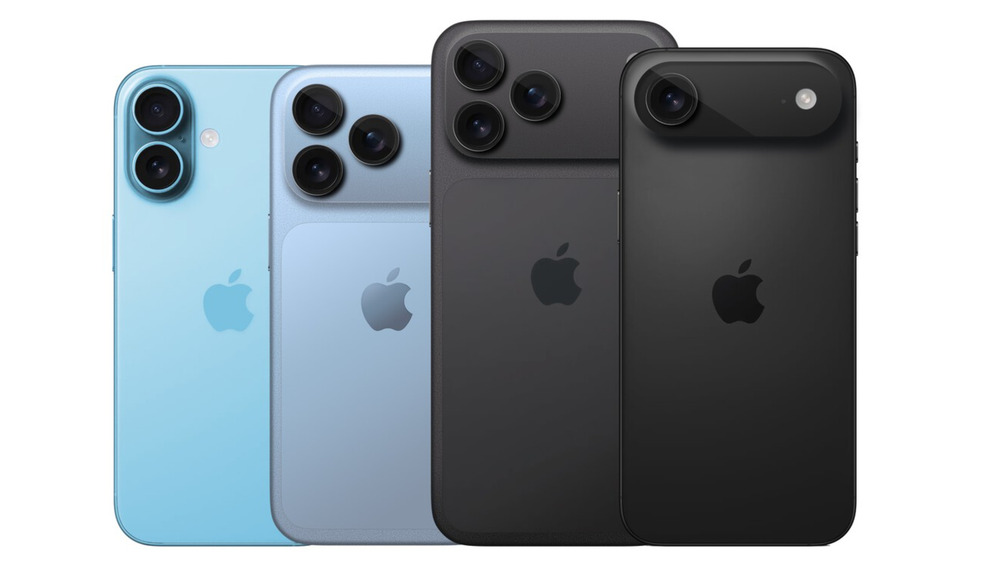
Users often buy additional products, such as Apple Watches, AirPods, and Macs. So, switching to another brand becomes harder because the devices work best together. This strategy helps Apple retain its customer base and grow its services, such as iCloud and Apple One. These services continue to increase the company’s long-term revenue.
Apple remains the first brand in the U.S. and will dominate the premium market through 2026.
Samsung
Samsung remains one of the few smartphone brands with a strong presence in both the premium and mid-range segments. BusinessWire data shows that Samsung returned to the top spot in global smartphone shipments, as worldwide smartphone sales grew 7.8%.
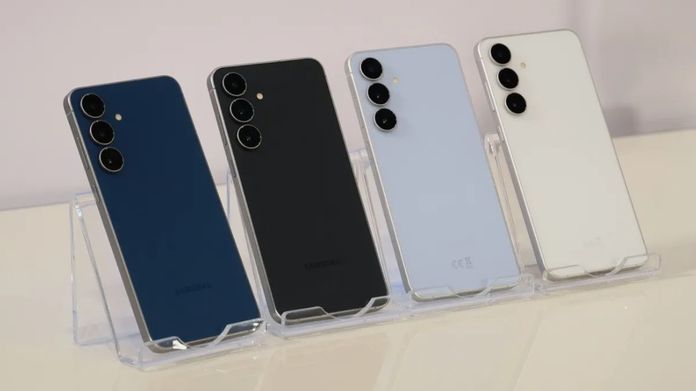
Samsung invested in foldable devices. Foldable phones helped shape the early market for foldable devices. Then, Samsung’s A-series models appear on best-seller lists. It demonstrates that the company combines high-quality innovation with a high-end mid-range price. The AI features have spread across the entire lineup.
Samsung is expanding its software standards, which have become a major factor for buyers seeking a long-lasting device. The Galaxy S24 series and related models come with seven generations of OS upgrades and seven years of security updates. This sets a new standard for Android devices.
Samsung stays Apple’s main competitor and keeps a leading global position in both mid-range and foldable segments.
Xiaomi
Xiaomi does not officially sell phones in the USA, but it grows in Europe and many Asian markets. Counterpoint data 2024 shows that Xiaomi was the fastest-growing brand last year, and helped push global smartphone shipments up by about 4%.
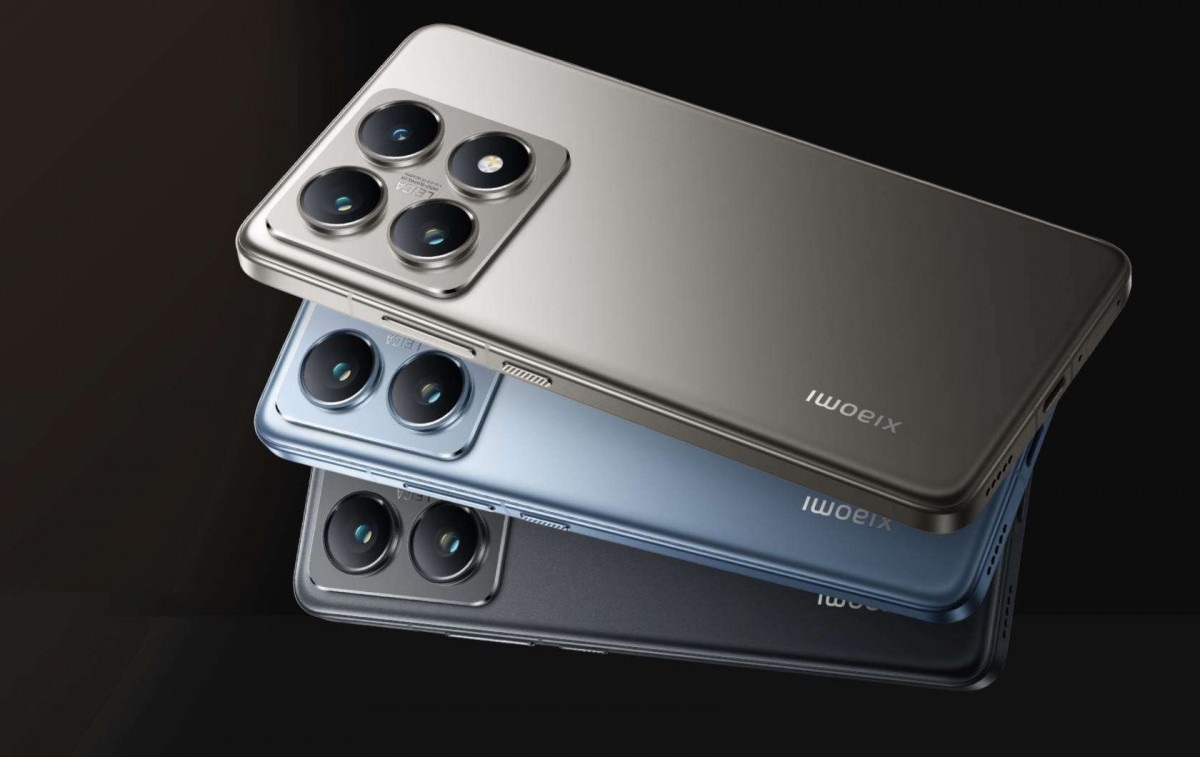
This brand focuses on devices with strong hardware. Many of its mid-range phones offer high-quality displays, large batteries, and cameras at prices lower than competitors’. Xiaomi remains one of the leading global brands, with budget and mid-range devices dominating.
Xiaomi is well-positioned to remain strong in the mid-range and budget segments by 2026, thanks to its combination of performance and affordability.
Google Pixel
Google’s Pixel still has a small market share, but it’s moving into a stable position in the USA. Canalys data for Q2 2025 shows that Pixel holds around 3% of the USA smartphone market, placing it in fourth place behind Apple, Samsung, and Motorola.
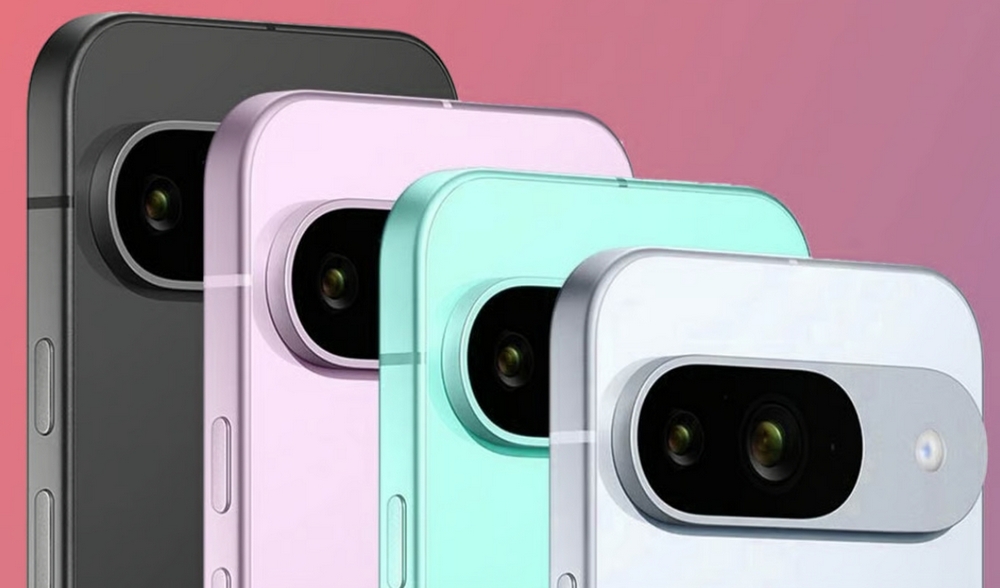
Pixel plays an important role because it provides many of the software and AI trends across Android. Pixel 8 and later models include OS and security updates that align with Samsung’s S24 policy and raise expectations for the Android ecosystem.
Pixel remains an influential brand, especially for users who prefer Android and advanced artificial intelligence tools. As Google expands AI-first features and support cycles, the brand may attract more buyers.
Motorola and Other Value Brands
Motorola’s share in some budget segments reached around 28% in July 2024, driven by aggressive promotions and low prices.
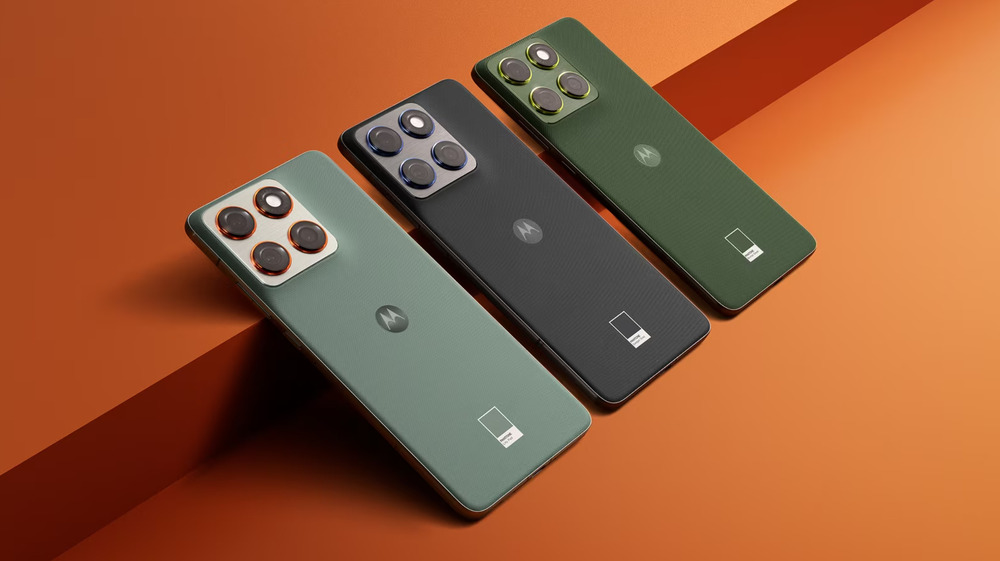
In the fourth quarter of 2024, Lenovo-Motorola shipped about 15.3 million smartphones. This is higher at 15% than in previous years. It gives the company about 5% of the global market share and a place among the top 10 smartphone vendors worldwide.
Motorola focuses on dependable, low-cost devices, which help it maintain a strong position in the U.S. budget segment.
Which Features are Expected to Be a Standard by 2026
Most mid-range and premium phones will share several improved features. Here are some examples:
- On-device AI will become a standard. Samsung has added Galaxy AI and Gemini-powered tools, and other brands have expanded similar AI features for translation, summarizing, and image editing.
- Software support will last longer. Samsung offers 7 years of security updates for the Galaxy S24 series. Google provides similar support on newer Pixels.
- Satellite connectivity will expand. iPhones have Apple’s Emergency SOS via satellite, and other brands are preparing similar features with carrier and satellite partner support.
- Cameras will improve in all price ranges. Manufacturers use larger sensors and better low-light processing, while premium phones continue improving zoom and photography.
How Smartphone Prices Change and What to Expect by 2026
Smartphone prices continue to rise, especially in the premium and ultra-premium segments. Why do prices rise?
- Increased component costs
- Higher investment in AI processors
- Longer software support commitments
- More advanced display technologies.
These factors push average prices up, particularly for high-end devices. At the same time, consumers receive more performance, for example, better cameras, and longer software support.
To understand how the market is shifting, it’s helpful to compare price ranges over the past few years. Based on IDC and Counterpoint data, the table below illustrates typical prices in 2023 and the expected ranges for 2026:
| Segment | Price 2023 | Price 2026 |
| Budget | $150–250 | $180–280 |
| Mid-range | $350–600 | $400–700 |
| Premium | $800–1200 | $900–1400 |
| Ultra-flagships | $1200–1600 | $1300–1700 |
How to Plan Your Upgrade
It is easy to get a good upgrade plan if you understand your budget and the condition of your current phone.
- Decide on your budget. In the USA, inflation rose 2.9% in 2024, so if your income hasn’t grown, phones priced around $1,000 may feel more expensive to you than before.
- Check the value of your trade-in. Trade-in programs from Apple, Samsung, and Google can reduce the final phone price by $150–$500.
- Compare offers. Samsung and Google also provide trade-in deals, which often improve during launch periods or big sale events like Black Friday. If you track a few models you like and watch their prices, you can catch the best deals.
- Decide on a realistic replacement cycle. Modern flagships now include six to seven years of OS and security updates, so you don’t need to upgrade every two or three years.
Available Financing Options in the USA
A phone may break, or you just need to upgrade earlier than planned. Because of this, many Americans prefer to spread the cost over time rather than pay the full price up front. Usually, people consider the different ways to afford a new phone. Below are some typical options:
Manufacturer financing
Apple, Samsung, and Google offer monthly payment plans directly through their online stores. These plans usually include:
- Fixed monthly payments
- 0% APR for eligible buyers
- Optional trade-in credit applied instantly toward the new device
This option is ideal for buyers who choose predictable payments and official support without involving mobile carriers.
Carrier installment plans
AT&T, Verizon, and T-Mobile let buyers upgrade with a small upfront cost and pay off the device over 24–36 months. They often offer promotions that reduce the total price when combined with a trade-in.
This works best for buyers who prefer to bundle their phone and service together.
Retailer financing
Some stores, like Best Buy and Amazon, offer installment plans for unlocked phones. These options may include:
- Store credit financing
- Card-based installment plans
- Occasional promotional 0% APR periods
Retailer financing is useful for people who want an unlocked phone and don’t switch mobile carriers.
Buy Now, Pay Later (BNPL)
Services like Affirm, Klarna, and PayPal let you split the cost of a phone into smaller payments, usually over 3–12 months. BNPL approvals are quick, and many people use this option when they buy mid-range devices.
However, it’s important to read the terms carefully. If you miss a payment, it can lead to extra fees or higher interest, so this option works best if you’re confident you can keep up with the schedule.
Credit-based options
Some buyers choose short-term credit cards with an introductory 0% APR, or small personal credit lines offered by banks and fintech apps. These options can help cover part of the device cost when other financing programs are unavailable.
These methods work best for buyers with a good credit history, since they can pay off the balance before any interest applies.
Final Thoughts
The smartphone market moves fast, and 2026 will show us the brands that focus on real innovation, long-term software support, and a dependable user experience. Apple and Samsung remain the global leaders, while Xiaomi, Pixel, and Motorola continue to expand in their respective price segments and offer solid alternatives for different types of buyers.

