





© ROOT-NATION.com - Use of content is permitted with a backlink.

The global semiconductor shortage, which initially affected only the premium segment of DDR5 chips, has now fully spread to the DDR4 and DDR3 memory market segments. According to supply chain analysis reports published by the industry publication DigiTimes, the contract price of 8 Gbit DDR4 modules in the third quarter of 2026 will show rapid growth and increase by more than 50% compared to the previous three months. Industry experts, who had previously forecast a moderate price increase of between 10% and 20%, were significantly off the mark in their calculations, as actual market trends have moved in the exact opposite direction.
Read also: AERONAUT – everything that flies above the ground: aviation, UAVs and drones, rockets, and space
An analysis of the current situation indicates that the final amounts in long-term contracts for the supply of 8-gigabit DDR4 modules for the third quarter are still being negotiated between manufacturers and customers. This means that the final prices may turn out to be even higher than current forecasts. At the same time, the wave of price increases for legacy DDR3 components will continue throughout the second half of 2026, confirming a gradual shift in product shortages from the most expensive solutions to cheaper and older technological architectures. As a result, the market has witnessed a unique inversion, with DDR3 chips becoming more expensive per unit of capacity than cutting-edge DDR5 memory. Specifically, in early July, the spot price of 4-Gbit DDR3 chips reached $3.19 per gigabit, while modern 16-Gb DDR5 chips are priced at $2.94 per gigabit. This pricing anomaly is a direct consequence of the virtual collapse of normal supply levels.

This crisis arose because the world’s leading semiconductor giants – including Samsung, Micron, and SK Hynix – have virtually completely scaled back their DDR4 wafer production programs. South Korean company Samsung, U.S. firm Micron, and another South Korean company, SK Hynix, have redirected their existing factory equipment and cleanrooms toward the manufacture of high-margin products with high profit margins. This primarily includes HBM (High Bandwidth Memory), which is required for NVIDIA graphics accelerators in AI clusters; DDR5 server modules for enterprise data centers; and energy-efficient LPDDR5X chips for new premium smartphones.
For these industry leaders, the production of older-generation DDR4 chips has become a secondary priority. As a result, meeting global demand for DDR4 and DDR3 memory now rests almost entirely on the production capacity of the Taiwanese companies Nanya Technology and Winbond, whose combined wafer output is significantly lower than actual market demand. DigiTimes reporters specifically note that Taiwan-sourced RAM is currently selling at a noticeably higher price than Samsung’s remaining inventory, as the company reserves its own limited resources exclusively to fulfill obligations to key long-term partners.
Despite the reduction in production, overall interest in DDR4 chips has continued to grow steadily. Modern enterprise-class SSDs are increasingly being designed with high-speed DRAM caches to boost overall performance and extend the devices’ lifespan. In addition, numerous large data centers that still operate servers from previous generations have a constant need for large batches of DDR4 memory modules. This gap between factory capacity and customer demand widened imperceptibly during the first six months of 2026, ultimately resulting in a sudden 50% price spike. According to industry analysts, we shouldn’t expect additional available hardware or a price drop until at least 2028.
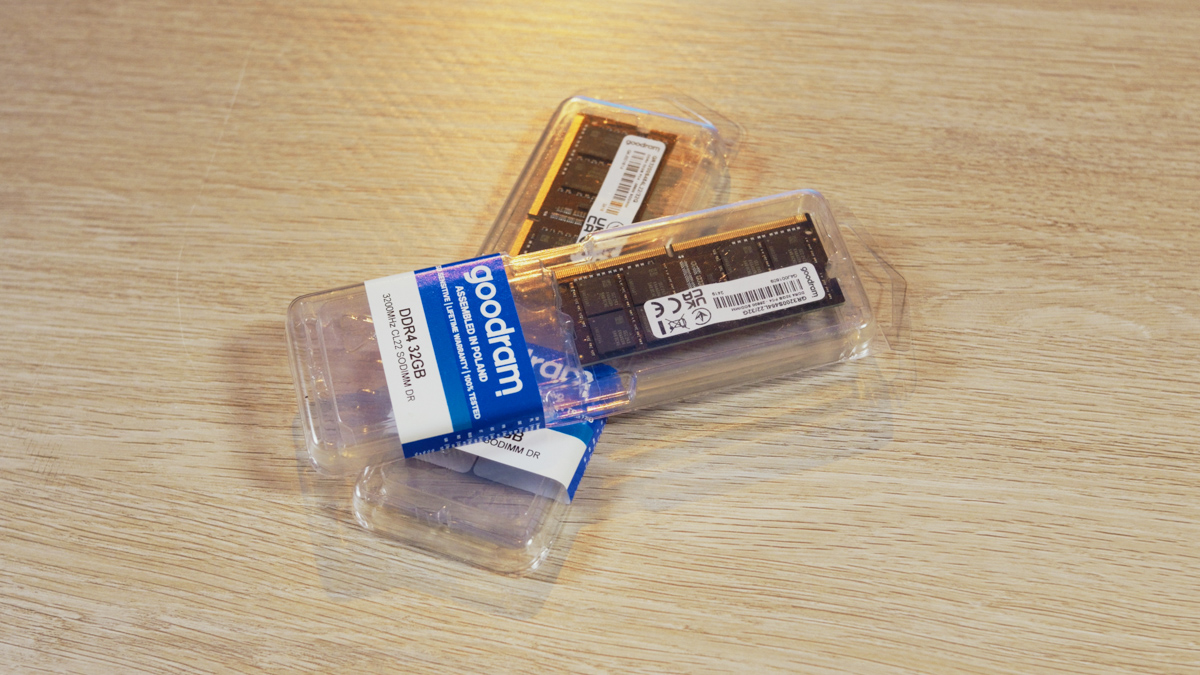
This negative factor will have the most significant impact on the retail segment of personal computers and laptops. The DDR4 standard remains the primary and most widely used memory in budget computers, entry-level servers, and existing workstations. Half of the additional cost of memory modules at the wholesale level will inevitably be reflected in the final prices at electronics stores for any computer hardware built on platforms that support DDR4. Mobile devices that use LPDDR4 or LPDDR4X RAM are also at risk of price increases. In particular, popular budget and mid-range smartphones released in 2026, such asthe Redmi Note 17 Pro from Xiaomi or the Poco X7 from Poco, as well as many other similar Android-based devices equipped with LPDDR4X chips, are at risk of price increases. All of these models will face significant pressure leading to higher production costs.
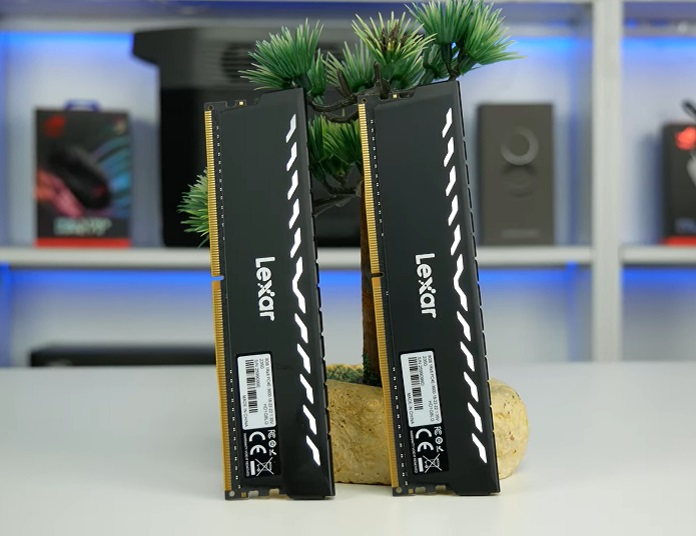
The only factor that has partially alleviated the situation in the market is Micron’s recent decision to resume mass production of DDR4 and LPDDR4 silicon wafers using the advanced 1α process at its plant in Manassas, Virginia. This move will not be able to completely eliminate the current shortage, but it will allow for the release of certain additional volumes of product onto the market that were not available three months ago. However, even this will prove insufficient to fully stabilize the market. Leading experts in the semiconductor industry are urging the industry to prepare for the fact that elevated prices for DDR5, DDR4, and DDR3 RAM will persist continuously through 2028.
See also: Factors That Affect the Value of Used DDR RAM
This is simply crazy