




© ROOT-NATION.com - Use of content is permitted with a backlink.
The decline of the 3.5mm headphone jack has left many audiophiles reliant on wireless solutions that often sacrifice quality for convenience. While Bluetooth is liberating, standard codecs can bottleneck performance, leaving high-fidelity hardware underutilized. The FiiO Air Link addresses this gap as a USB-C dongle designed to bring high-resolution audio transmission to devices lacking native support (mostly iPhones). It is a functional, focused tool that offers a tangible upgrade path for users seeking better wireless performance without investing in a dedicated digital audio player.
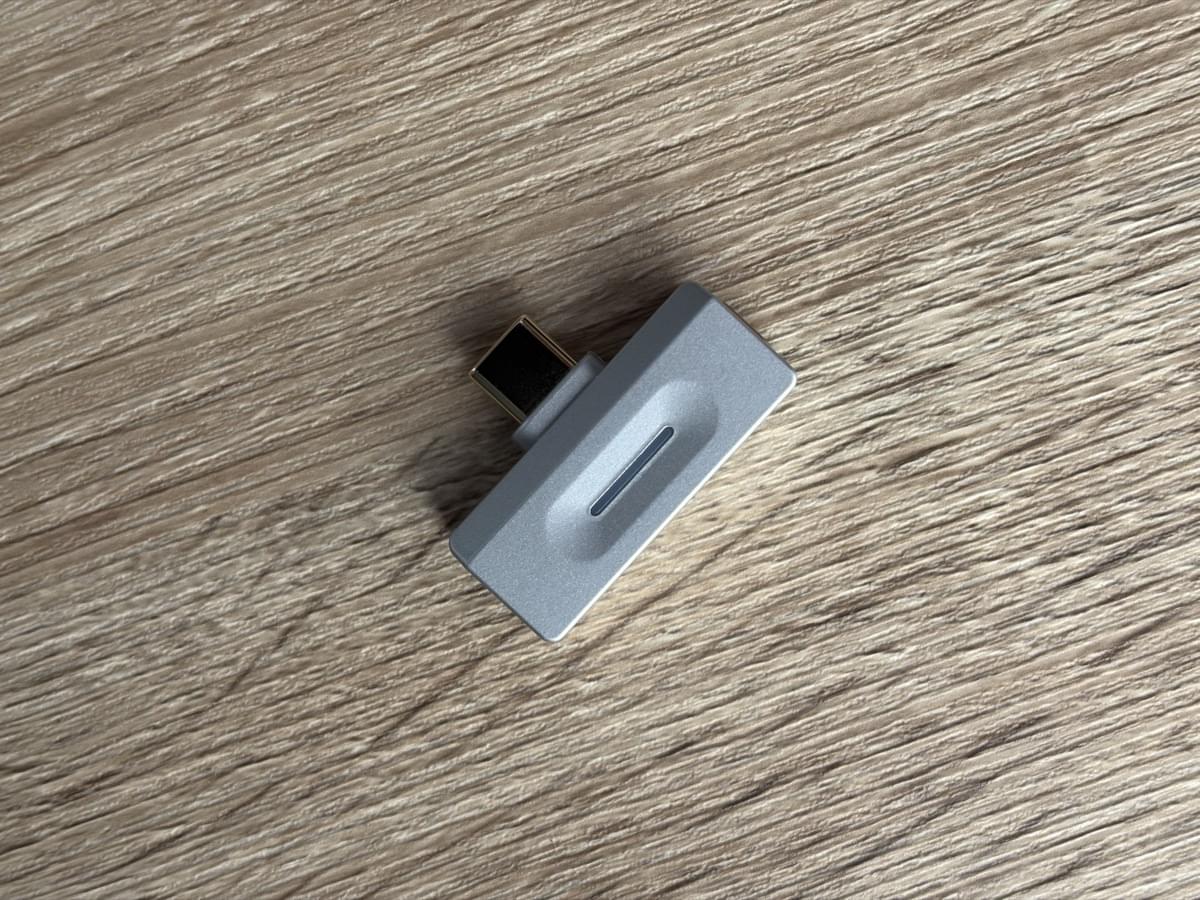
TABLE OF CONTENTS:
Positioning
The Air Link succeeds the FiiO BT11, a previous iteration that faced some criticism for stability and usability issues. FiiO has evidently incorporated user feedback, resulting in a device that feels more refined and reliable than its predecessor. At $59, it occupies a practical middle ground – more capable than generic budget transmitters but significantly cheaper than high-end audiophile streamers. It targets a specific demographic: users who own quality wireless headphones but are limited by the basic AAC or SBC codecs found on their smartphones, laptops, or gaming consoles.
Read also: Fiio M21 review: The Mid-Range DAP That Thinks It’s a Flagship
Design
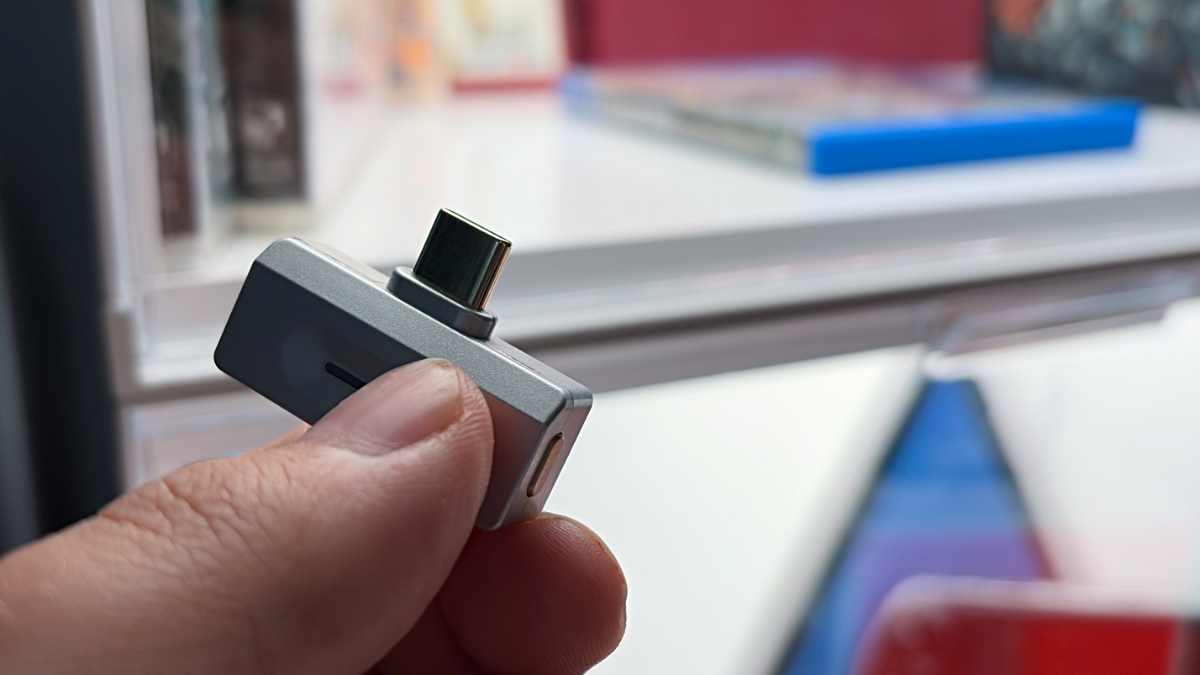
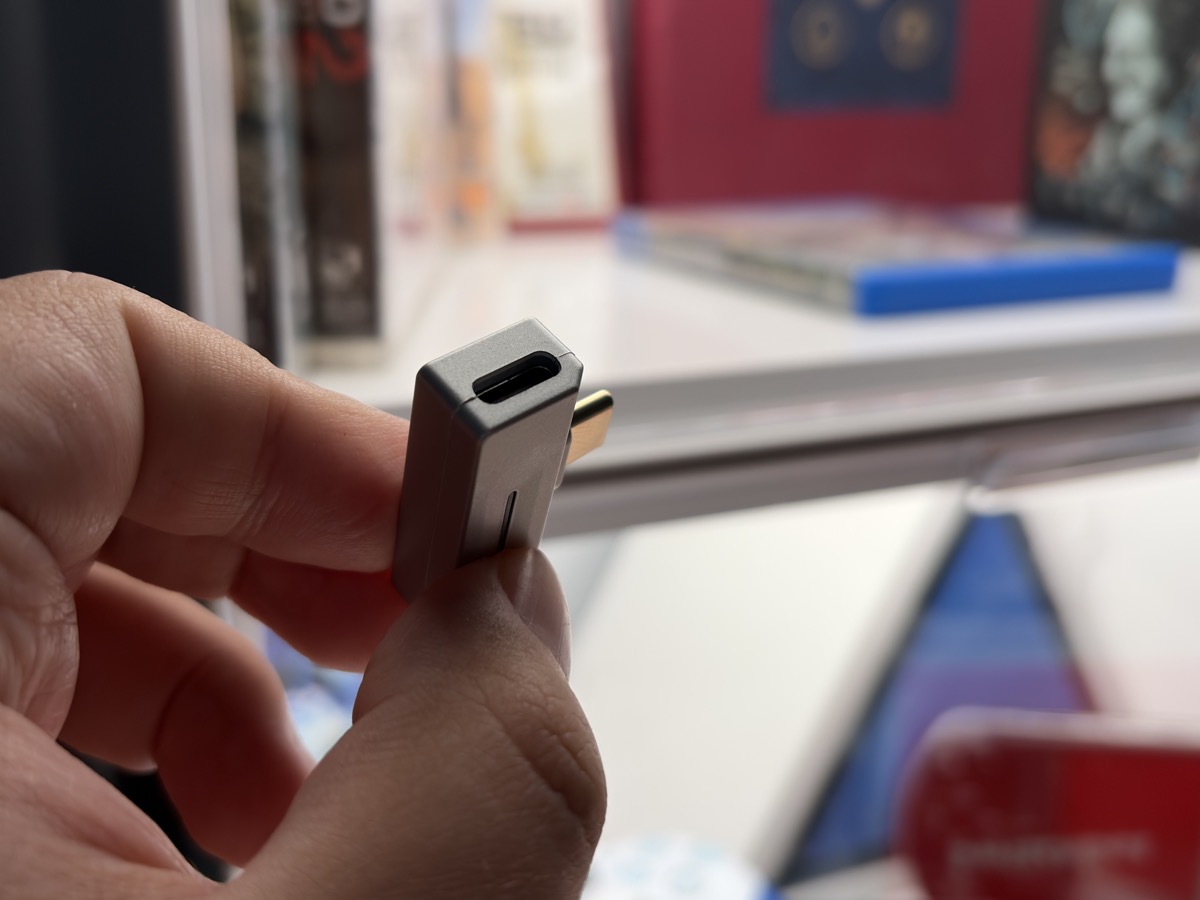
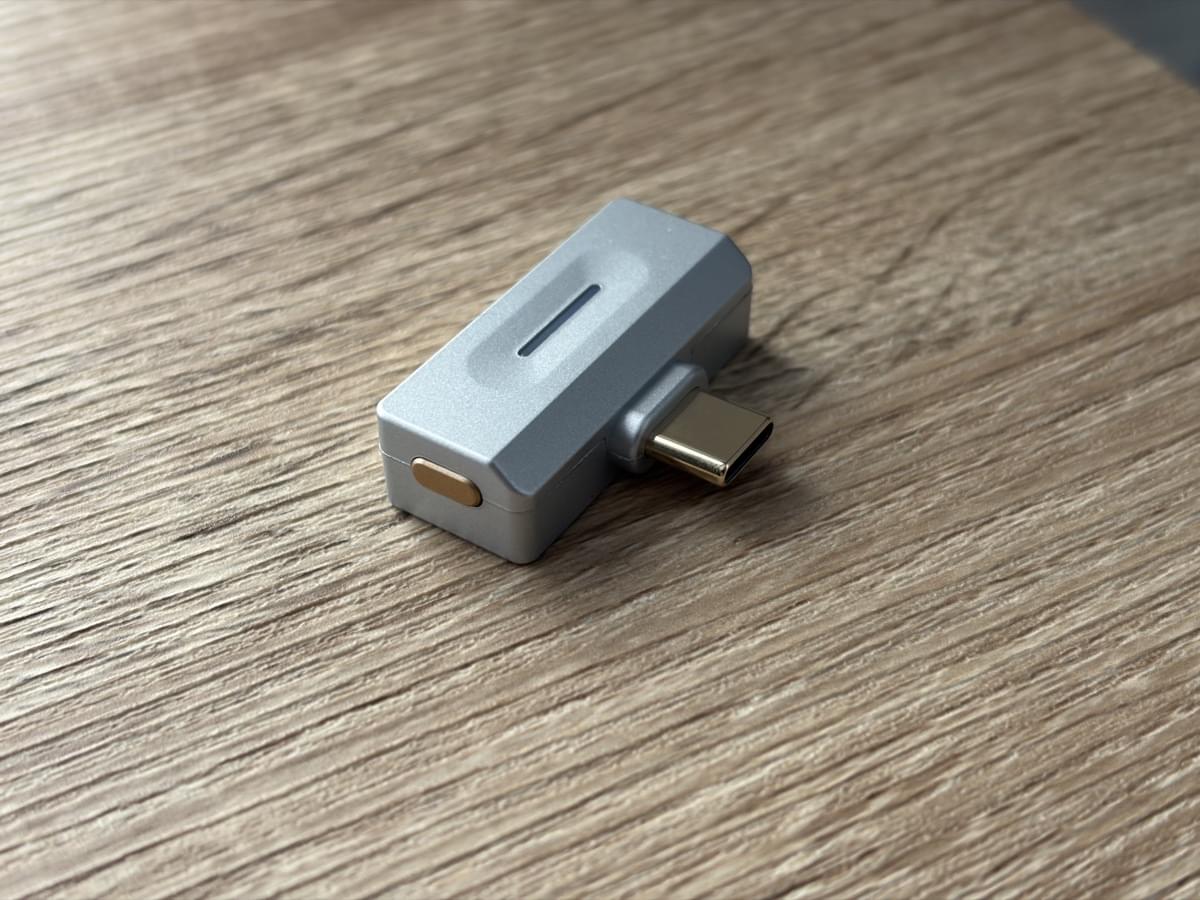
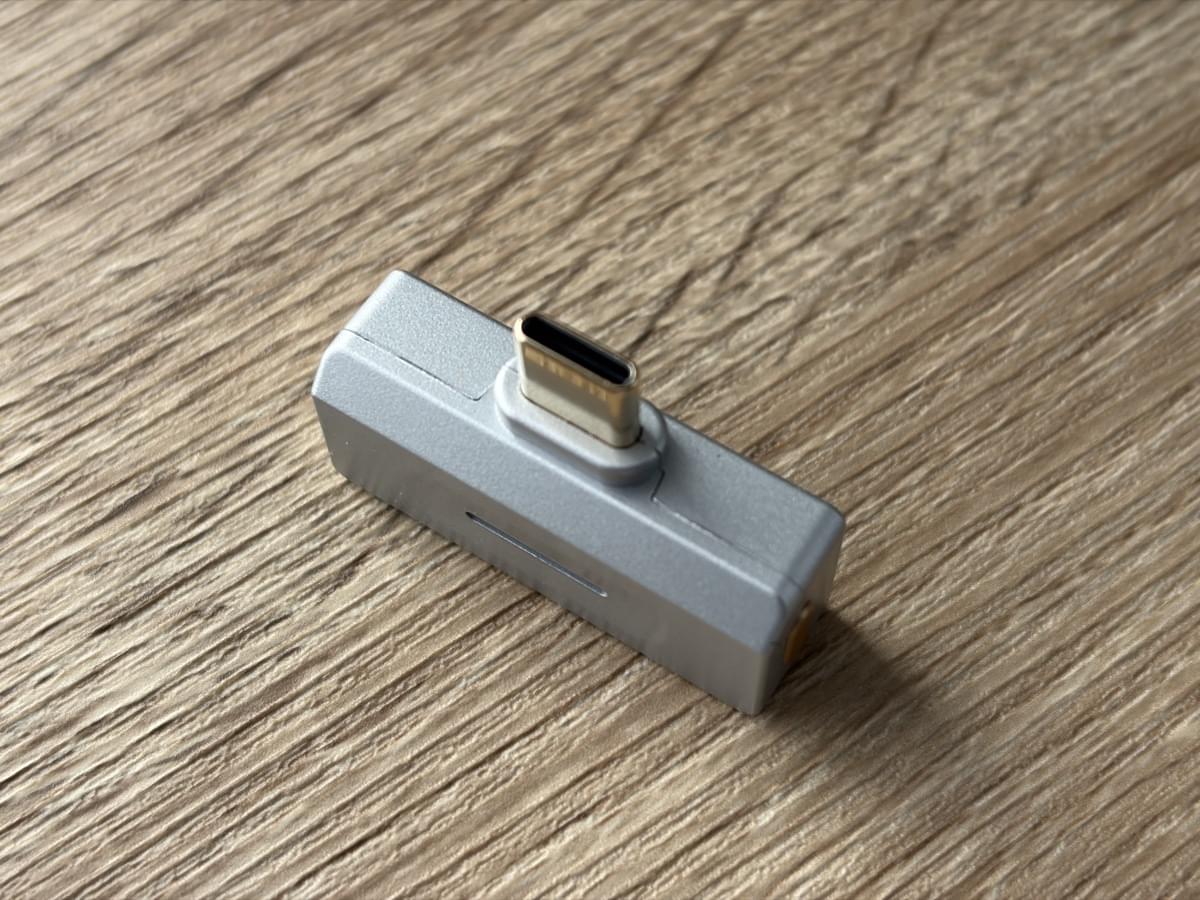
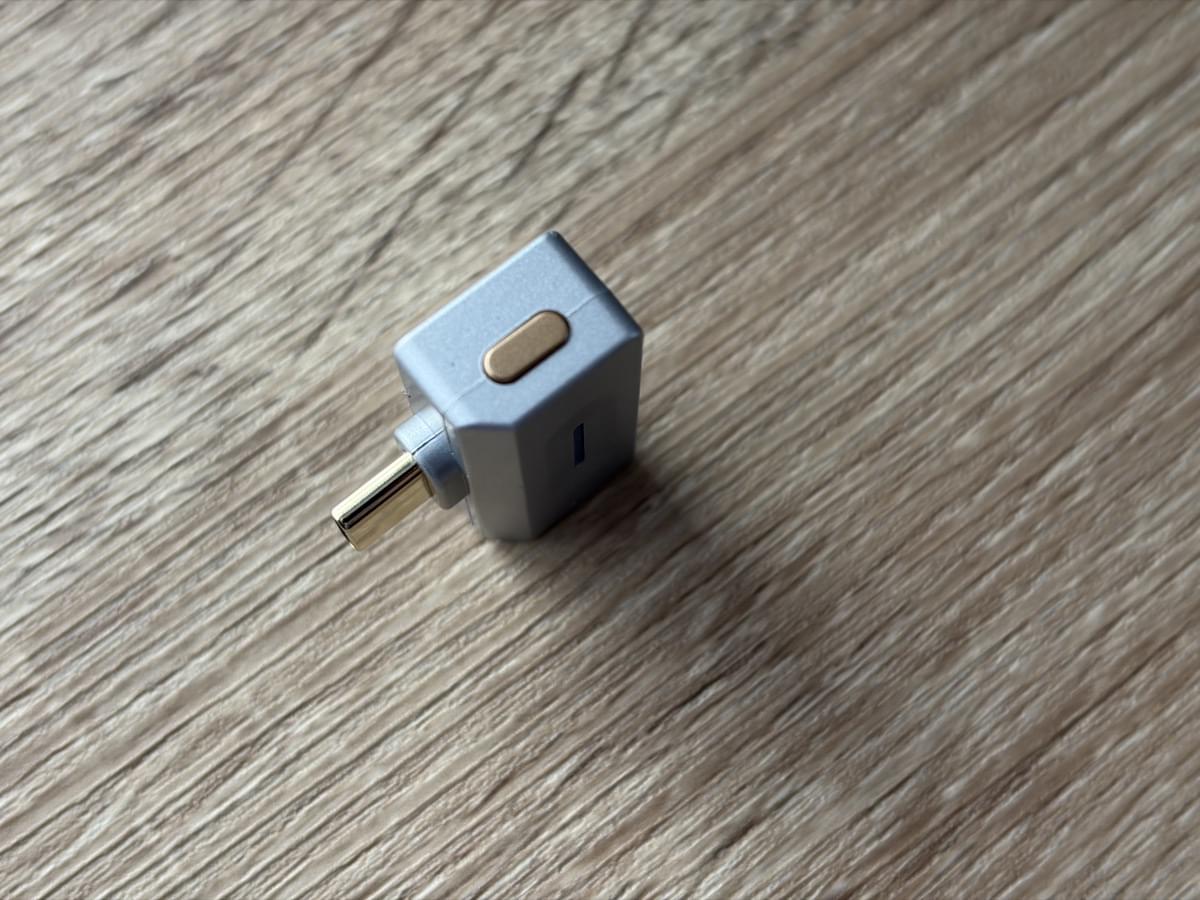
FiiO has opted for a utilitarian “T-bar” design that sits flush against the USB-C port, minimizing leverage and potential damage. Weighing only 5 grams, it is unobtrusive in daily use. The construction is primarily plastic, which keeps weight down but lacks the premium feel of FiiO’s higher-end metal-encased gear. A critical addition is the pass-through USB-C charging port, solving a common complaint with dongles by allowing users to charge their host device during use. A single button manages pairing and mode switching, while an RGB LED provides visual confirmation of the active codec, a small but necessary detail for troubleshooting connection quality.
Compatibility
The Air Link’s primary value proposition is its broad codec support, powered by the Qualcomm QCC5181 chipset. It supports LDAC, aptX Lossless, aptX Adaptive, and aptX HD – standards often omitted from mass-market devices like iPhones. This enables transmission up to 96kHz/24-bit, theoretically maximizing the potential of compatible wireless headphones. It is compatible with a wide range of USB-C hosts, including modern iPhones, iPads, and Android devices.
Read also: Fosi Audio i5 Open-Back Planar Magnetic Headphones review: Planar That Destroys The Competition
In Use
Operation is generally straightforward, though the initial pairing process can require patience. Once bonded, connection stability is consistent within a reasonable range. The device claims low latency (approx. 50ms), which testing bears out; lip-sync delay is negligible for video content and casual gaming, though competitive gamers may still prefer wired solutions. Audio quality improvements are audible when paired with high-end gear – tracks sound less compressed, with better separation than standard Bluetooth connections. The traditionally utilitarian FiiO Control app adds necessary utility, offering channel balance, volume control, and parametric EQ, though the app interface itself remains functional rather than polished.
Verdict
The FiiO Air Link is a competent solution to a specific modern problem. It effectively bypasses the audio limitations of host devices, delivering high-bandwidth Bluetooth transmission in a portable form factor. While it won’t magically transform cheap headphones, it allows premium wireless gear to perform as intended. The addition of pass-through charging removes a major usability barrier found in competitors. For users frustrated by the “walled garden” limitations of their phone’s Bluetooth stack, the Air Link is a logical, cost-effective tool that does exactly what it claims to do.

