





© ROOT-NATION.com - Use of content is permitted with a backlink.

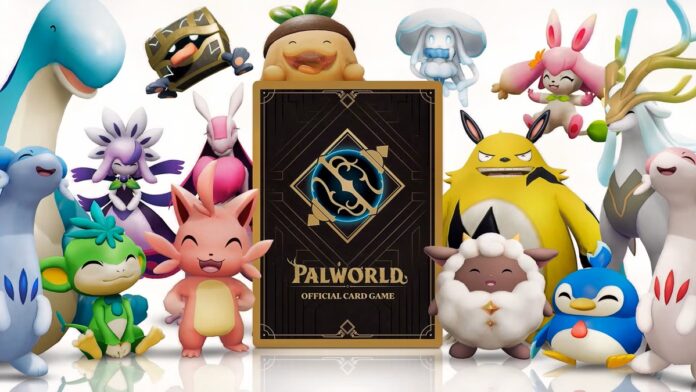
Pocketpair has now confirmed the launch of an official Palworld trading card game. This will see the franchise expanding beyond its original digital format. This has been developed in partnership with the Japanese publisher Bushiroad, and the game is set for its worldwide release on July 30, 2026. Initially, there will be starter decks and booster packs, and details of pricing will be shared closer to the release date.
This move is in line with a broader move in how successful game IP is being developed. Rather than existing on a single platform, franchises are being extended into new formats that encourage competition, collection, and long-term engagement.

TABLE OF CONTENTS:
Turning a digital world into a physical competition
The Palworld TCG is set to be a two-player competitive card game that takes key ideas from the video game and puts them into a physical format. From what can be seen in early details, the gameplay will include fighting alongside Pals, managing resources, and developing bases during matches. The goal here is to create something that feels familiar to players while still being able to stand alone as a card game.
This focus on structured competition is important. Trading card games succeed when strategy and decision-making matter more than novelty. Palworld’s systems appear well suited to that approach. Rather than being a collectible spin-off, the TCG is being positioned as a playable experience intended to support repeat matches and evolving strategies.
Original artwork and Bushiroad’s role
Something that really stands out here is that every single card in the first set will feature brand-new artwork. Rather than simply reusing visuals from the video game, Pocketpair and Bushiroad have decided to create fresh illustrations that are just for the TCG. This means that the card game is instantly seen as its own product.

The involvement of Bushiroad also shows intent. There’s plenty of experience with the development of long-running card games such as Cardfight, and that means that the publisher is bringing valuable knowledge of competitive design, organised play, and long-term support.
Why these expansions are becoming more common
As gaming audiences continue to grow, players are moving between different types of experiences. Digital play remains hugely important, but physical formats can offer something different with face-to-face competition, slower pacing, and a real social element. Similar things are happening in the gaming space as a whole, including at BitcoinVIP, where repeatable formats with a competitive edge are gaining real traction.
For Palworld, a trading card game creates a parallel way to engage with the brand. It allows fans to stay connected even when they are not actively playing the video game on smartphones or other devices, which is especially relevant in an era where attention is often split across devices and short sessions.
Competitive formats still drive engagement
Trading card games work for the same reason that many competitive modes do. It’s because they reward learning, adaptation, and improvement. Players come back to test ideas, refine strategy, and take on new opponents. This behaviour is familiar across many types of player battles, no matter if they are physical or digital.

If the Palworld TCG delivers a balanced and flexible ruleset, it could support casual play as well as more organised competition. The success of the game will ultimately depend on how well those mechanics hold up once players move beyond the first few matches.
A long-term move for the Palworld brand
By launching an official trading card game, Pocketpair is signalling that Palworld is intended to operate as a long-term brand rather than a single-format success. A well-supported TCG can keep characters, themes, and systems visible even as gaming trends shift.