






© ROOT-NATION.com - Use of content is permitted with a backlink.
Beijing is stepping up its push for complete technological independence by focusing on the development of AI-enabled microchips. The head of Empyrean Technology, a leading national developer of electronic design automation systems, stated that agent-based AI is causing a true paradigm shift in the field of semiconductor design.
Artificial intelligence in the form of autonomous agents is increasingly taking control of the process of creating the latest Chinese chips, as the government and local technology leaders are pushing for the integration of AI into design software to strengthen national self-sufficiency.
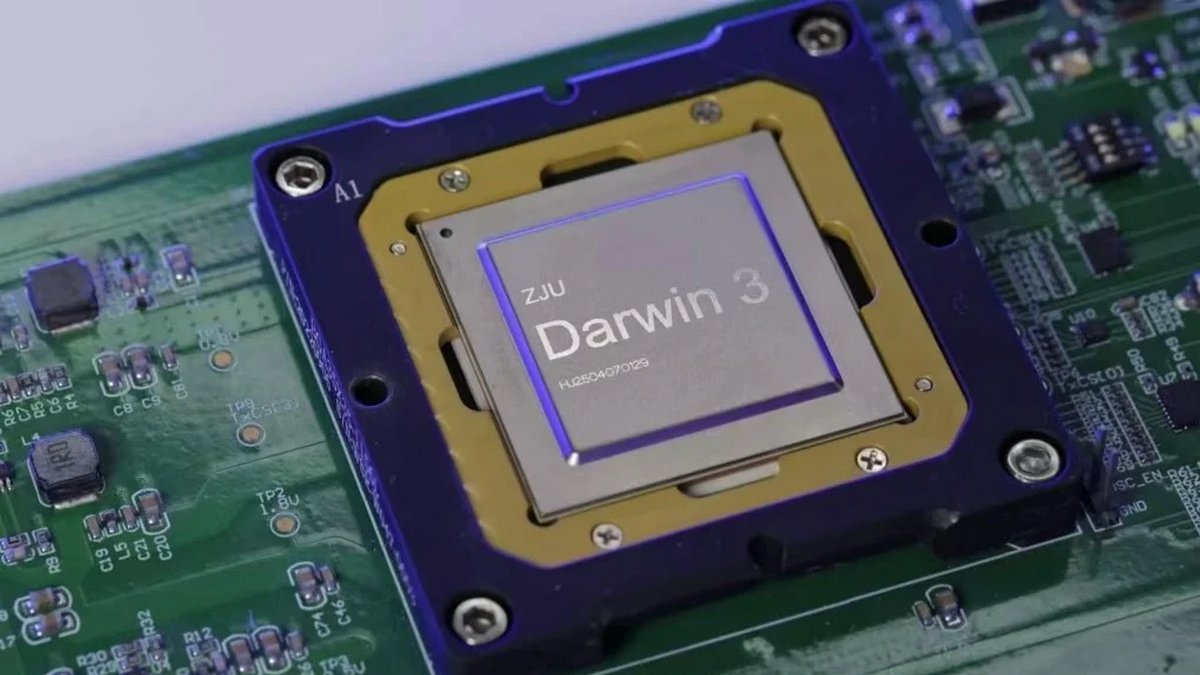
According to Liu Weiping, CEO of Empyrean Technology, the company has significantly accelerated chip development thanks to AI-based optimization algorithms and specialized agent-based tools. The use of AI agents in its proprietary modeling and topology tools has enabled the company to reduce the time required to complete the complex task of board layout from four weeks to just one week.
Speaking in Shenzhen at the 2026 International Integrated Circuit Innovation Expo, Liu Weiping emphasized that agent-based AI has brought about a qualitative shift from the “people control tools” concept to the “people give orders to agents” model. This transformation will also affect the business model of the entire industry, which is gradually moving away from traditional software licensing in favor of a new pay-per-use token model combined with an agent-based electronic design automation environment, he added. As Liu Weiping noted, the company is currently developing its own AI-agent-based automation platform, which is viewed as a key element of its future strategy and will enable its in-house developments to interact effectively with partner solutions.
Specialized software for electronic design automation is a critically important tool that engineers use to design and thoroughly test microchips before they go into production. Developing its own domestic alternative has become a top priority for the Chinese capital, as the global market for such software is entirely controlled by Western corporations, notably Synopsys, Cadence Design Systems, and Siemens EDA. Empyrean Technology’s latest moves come amid Beijing’s efforts to harness the power of AI to accelerate its push toward self-reliance in key technology sectors, including the semiconductor industry.

The action plan published on Friday by the Ministry of Industry and Information Technology explicitly calls for deeper integration of AI into application software, particularly in industrial applications for electronic design automation and computer-aided design, with the goal of reaching “high positions in the global value chain by 2030.”
Speaking at a press conference on Friday, Ministry official Wang Wewei emphasized that the rapid development of AI is fundamentally reshaping traditional software along with the methods used to create it, creating a “historic opportunity to reshape the market landscape and rapidly outpace” competitors. Global leaders in the field of electronic design automation are also actively integrating AI agents into their own chip design platforms.

In particular, the American giant Cadence unveiled its exceptionally powerful and comprehensive ChipStack AI Super Agent tool in June, calling it the industry’s first Level 5 autonomous design engineer, capable of independently performing the most complex checks and verifications of finished chip configurations.
Read also: Focused on AI and Defense: The World’s Best Companies of 2026 Named