





© ROOT-NATION.com - Use of content is permitted with a backlink.
Analyst Ming-Chi Kuo has released information that has become the most stunning news in the mobile industry in a long time. According to his data, OpenAI is working on a smartphone equipped with a unique processor, which is being developed jointly by Qualcomm and MediaTek, and the production capacity will be exclusively provided by Luxshare.
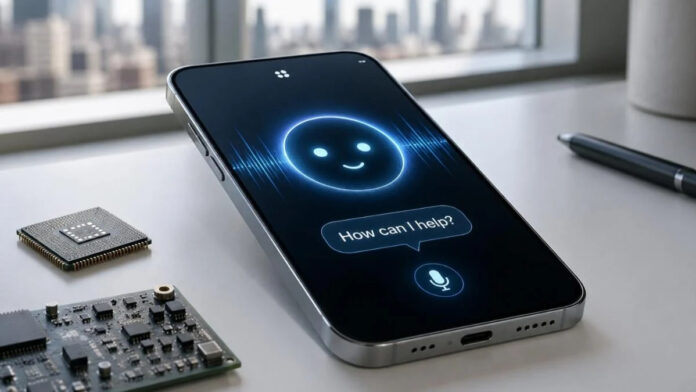
The main feature of the device is the complete abandonment of familiar applications in favor of autonomous AI agents. Mass production is scheduled to start in 2028. Immediately after this news, Qualcomm shares soared by 12%, and Sam Altman made a post stating that it was the perfect moment for a fundamental reworking of the operating system concept.
The main aspects of this news are the confirmation by Ming-Chi Kuo of the development of an OpenAI mobile device with an original AI chip created by Qualcomm and MediaTek, where Luxshare Precision Industry is involved as the sole design developer and manufacturer. The concept of the gadget involves replacing standard software with AI agents that operate in a continuous mode. To implement such an approach without third-party interference, the company needs absolute control over both hardware and the software platform. The final approval of the technical specifications and the list of suppliers should take place at the end of 2026 or in the first quarter of 2027. Despite previous rumors about 2027, mass production is expected to start in 2028.

With market success, Kuo predicts sales of 300-400 million devices annually. Such figures will outpace the iPhone’s results and pose a serious threat to Apple’s leadership. Chris Lehane, who holds the position of Global Affairs Director at OpenAI, assured that the first presentation of hardware solutions will take place in the second half of 2026. Although the possibility of a headphone release was previously discussed, new data from Kuo indicates that the smartphone is the company’s key project.
The real revolution is the lack of apps as such. The strategy described by the analyst has nothing to do with adding a separate key for ChatGPT to the iPhone. This is a radically new way of looking at the functioning of mobile technology. Instead of manually launching Instagram to post content, opening Maps to navigate, or switching to Messages to send messages, you simply set a task to an AI agent. It will independently coordinate the work of various services, having full information about your geolocation, current affairs, dialogs, and general status.
Kuo explains the choice of a smartphone as a platform by the fact that only this device can record the current status of the owner around the clock, which is critical for the accurate operation of AI agent algorithms in real time. Smartwatches are limited to biometric data, computers are limited to working documents, and only the phone accumulates all information flows simultaneously. Currently, Apple and Google dictate the terms of work of intelligent assistants through the rules of their stores and system limits, but the release of their own hardware and OS will allow OpenAI to get rid of these barriers.

The situation with the use of Qualcomm and MediaTek resources at the same time is also noteworthy. Previously, it was mistakenly believed that only MediaTek would be a partner, but Kuo notes that both giants are involved in the creation of a special processor. Such a rare format of cooperation indicates OpenAI’s desire to combine the advantages of both vendors’ architectures without being limited to the standard solutions of either. The new chip will be optimized for local AI computing in parallel with cloud operations, which requires a specific architecture with two NPU modules that is not available in the partners’ serial products. The rapid rise in Qualcomm’s stock price underscores the importance of this deal for the company, which is under pressure from Apple’s own developments and growing competition from MediaTek in the premium segment.
The announced plans for the scale of sales look extremely ambitious. The figure of 300-400 million units per year is significantly higher than the results of Apple, which sells about 230 million smartphones. Ming-Chi Kuo is usually not prone to exaggerations, so such figures indicate confidence that the new model of using devices based on AI agents can not only occupy its niche but also become a dominant force in the market, displacing traditional leaders. So far, none of the mentioned parties has officially confirmed this data, and OpenAI refrained from commenting to the media. The official announcement of the details is expected in the second half of 2026.
Read also:
- Is the Dead Internet Theory becoming a reality? AI has already created 17% of new websites
- Blackview XPLORE 1 Pro Review: A Smartphone When Needed, a Tool at All Times