





© ROOT-NATION.com - Use of content is permitted with a backlink.
Modern electronic devices are becoming increasingly demanding, yet the battery industry has long required users to compromise. The choice has typically been limited to either disposable alkaline batteries, whose voltage steadily declines during use, or conventional NiMH rechargeable batteries, which provide only 1.2 V from the outset. For many voltage-sensitive devices, that difference can be significant. ORICO’s solution – a kit comprising eight lithium-ion AA and AAA rechargeable batteries alongside the EnerVault charging hub – takes a fundamentally different approach by delivering a stable 1.5 V output from the beginning to the end of each discharge cycle. For this review, I took a detailed look at how the technology works, the applications where it offers the greatest benefits, and whether rechargeable batteries truly provide a compelling long-term economic advantage.
Read also: All about batteries on RN

TABLE OF CONTENTS:
Chemistry Meets Microelectronics: How It Actually Works
A conventional alkaline battery, such as the Duracell Plus, starts at 1.5 V, but its output voltage inevitably declines as the electrochemical reaction progresses. As a result, a flashlight gradually becomes dimmer, while a wireless mouse may begin to lose connectivity long before the battery is fully depleted. Traditional nickel-metal hydride (NiMH) rechargeable batteries maintain a more stable output throughout their discharge cycle, but their nominal voltage is only 1.2 V. Many electronic devices interpret this lower voltage as an indication that the battery is nearly exhausted, even when a substantial amount of capacity remains.
The key innovation behind ORICO’s rechargeable batteries lies not in a new battery chemistry, but in their integrated microelectronics. Inside each AA cell is a conventional lithium-ion battery with a nominal voltage of approximately 3.7 V. Built into the positive terminal is a miniature voltage converter that continuously and precisely steps this internal voltage down to a constant 1.5 V output.
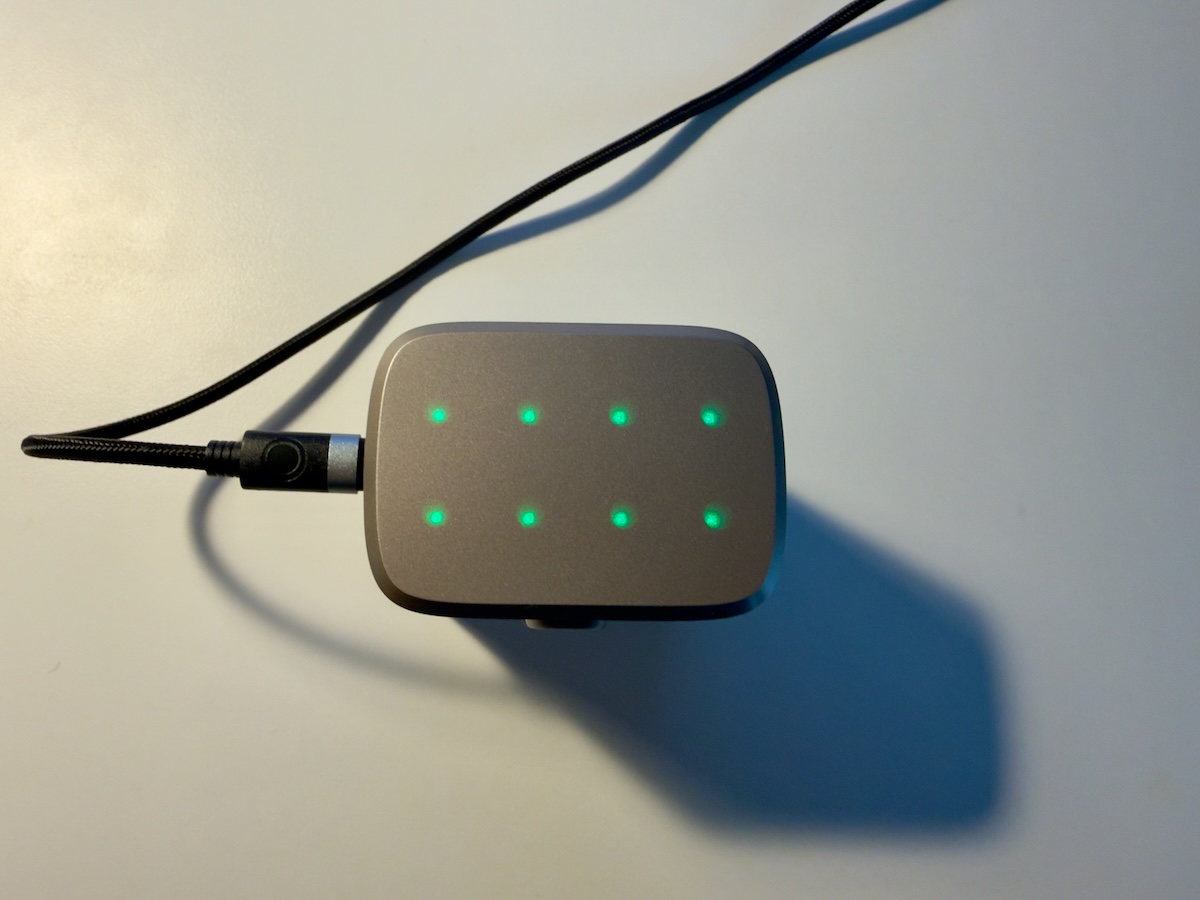
As a result, the output voltage remains essentially unchanged throughout the discharge cycle. The powered device receives full operating voltage until the lithium-ion cell is depleted, at which point the controller simply disconnects the output, causing the device to shut down immediately. The bundled charging hub can simultaneously recharge all eight batteries in approximately three hours, while each charging slot features an individual LED indicator to display its charging status.
What’s Included in the ORICO Kit

ORICO EnerVault EV8P charging hub with eight independent charging slots, supplied with a USB-C charging cable. A power adapter is not included in the package.
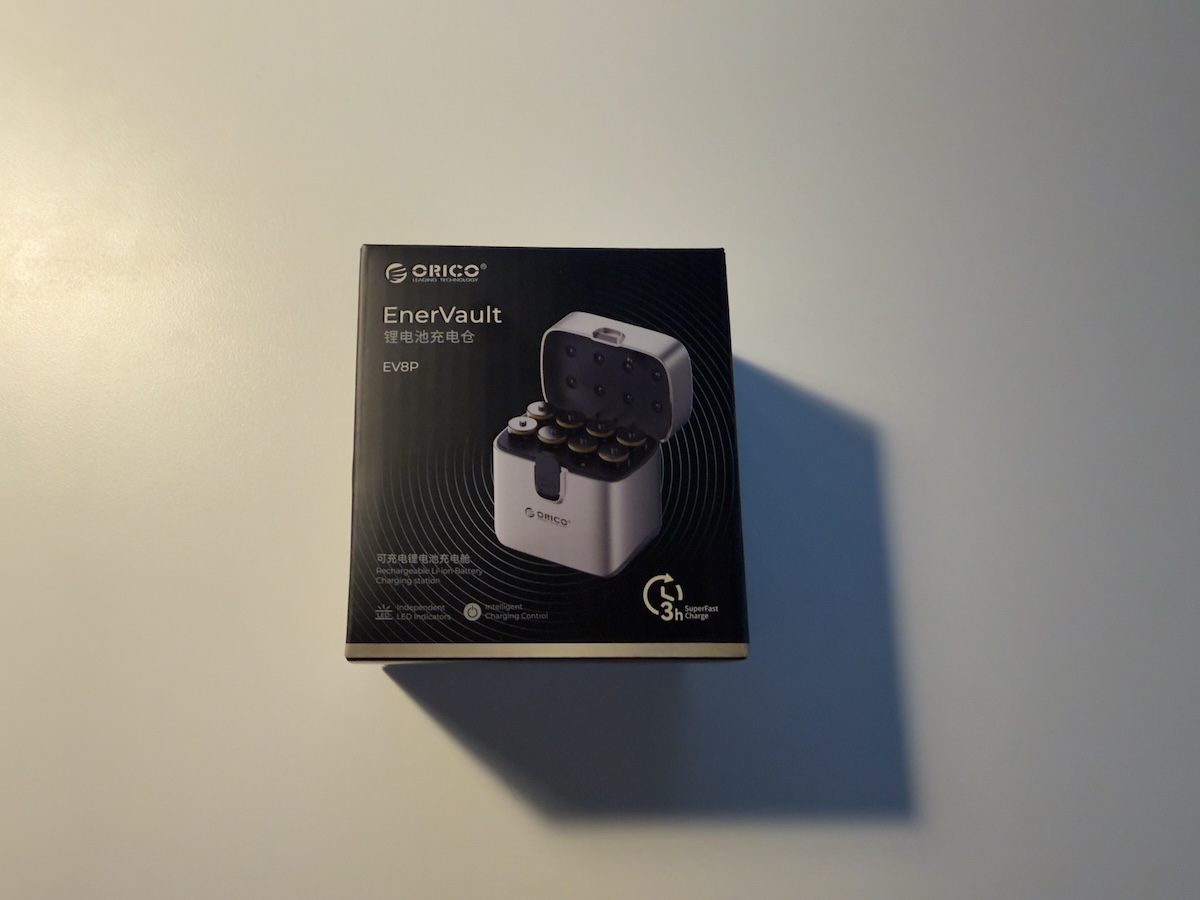
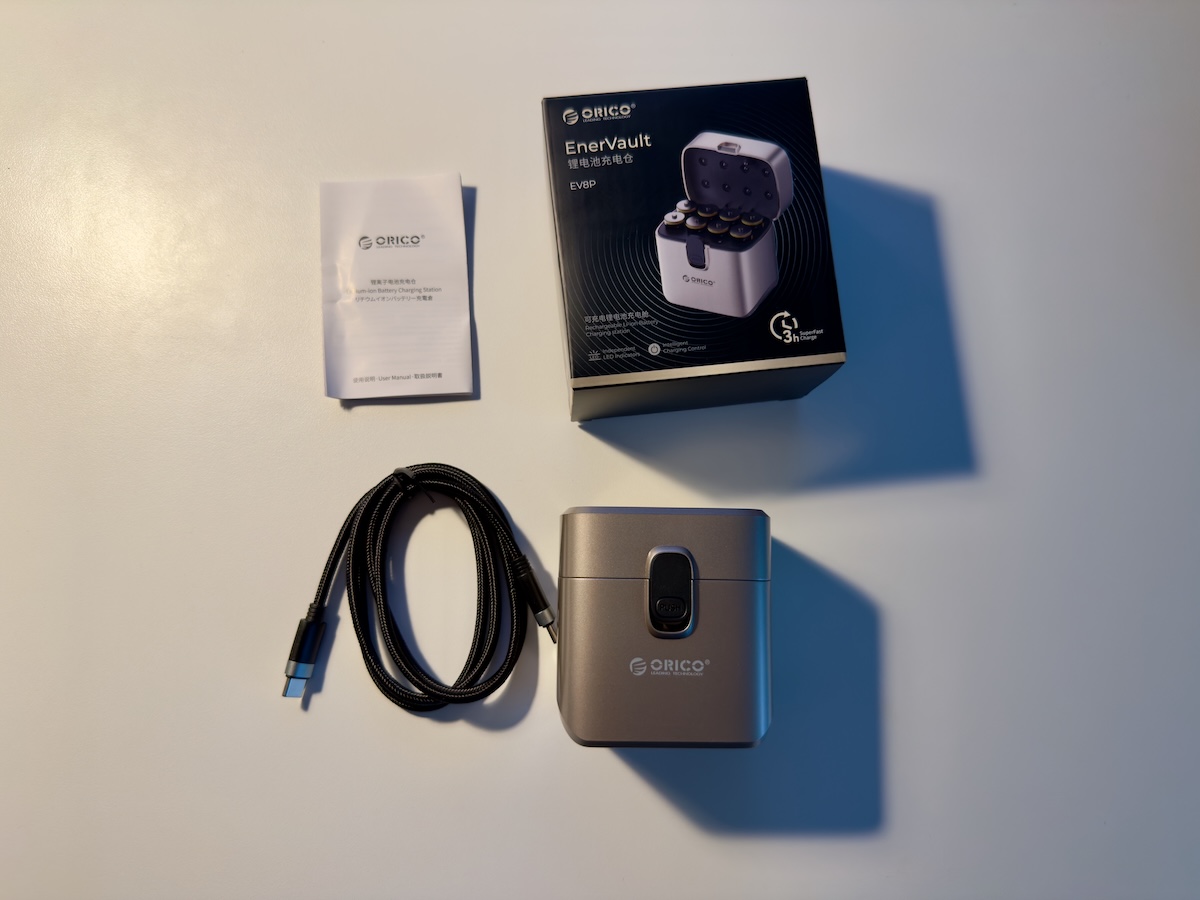
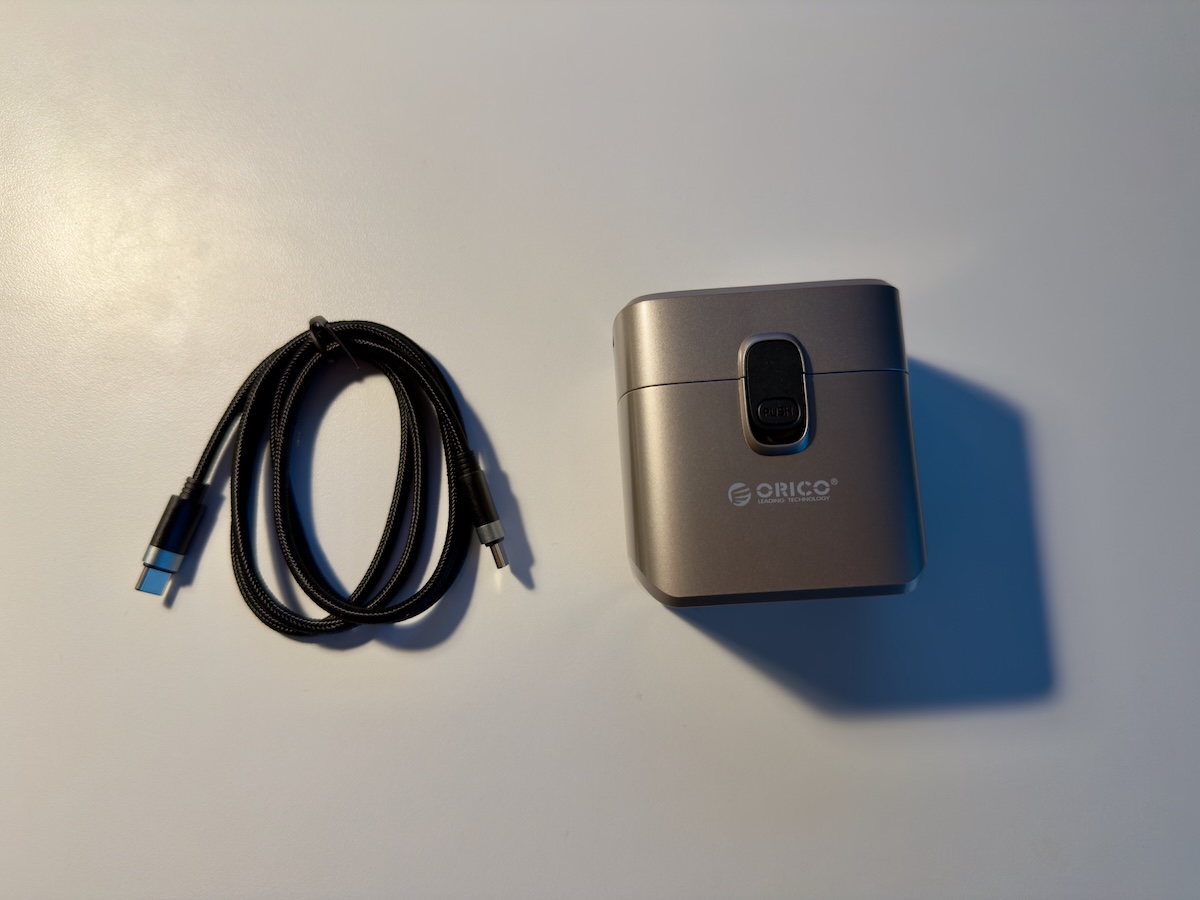
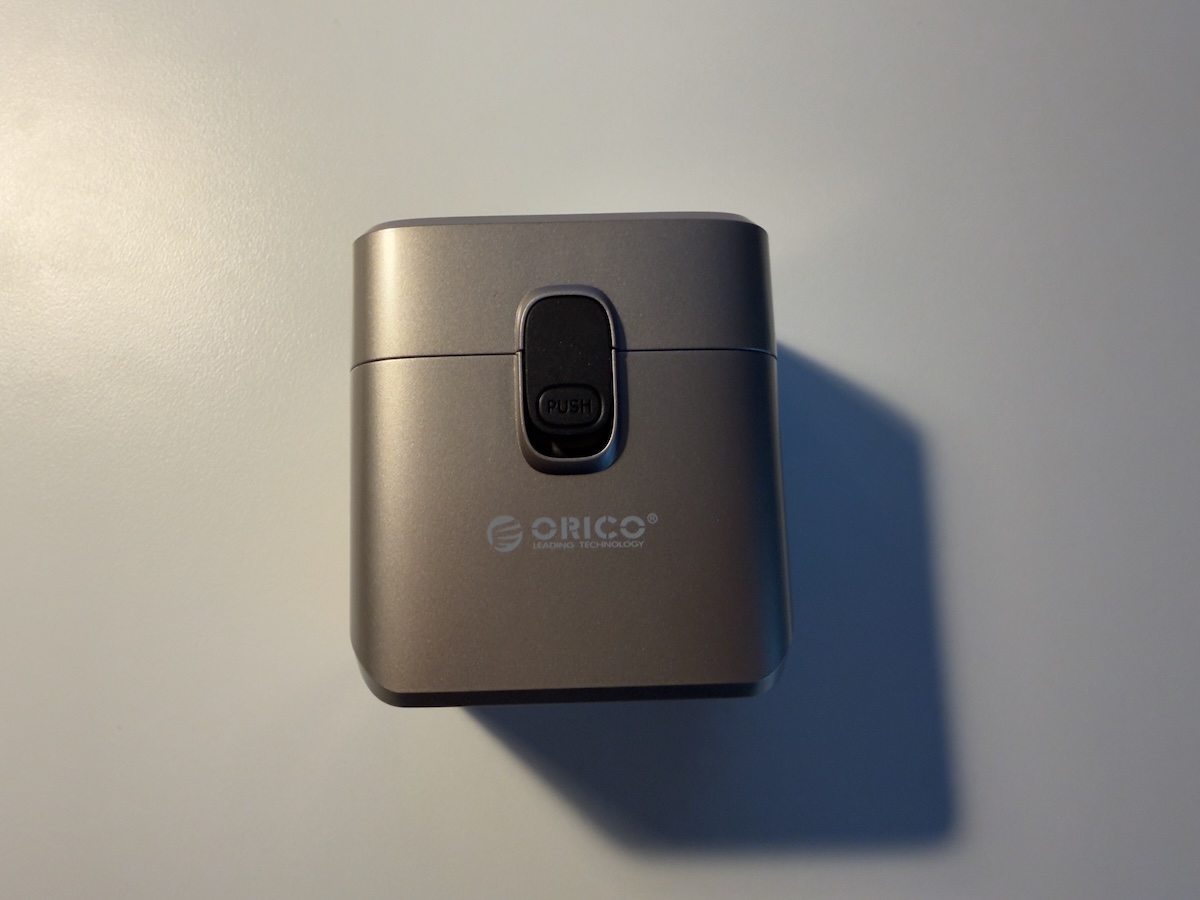
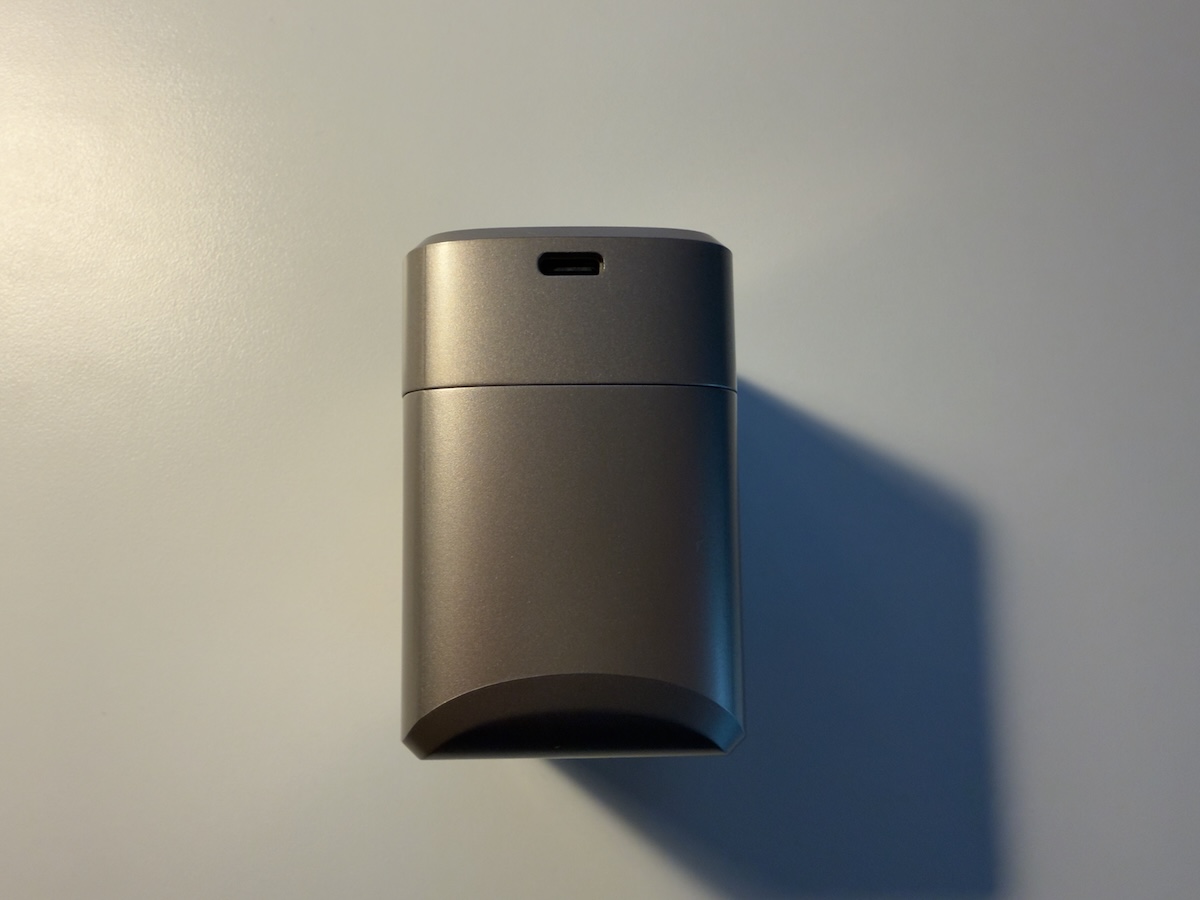
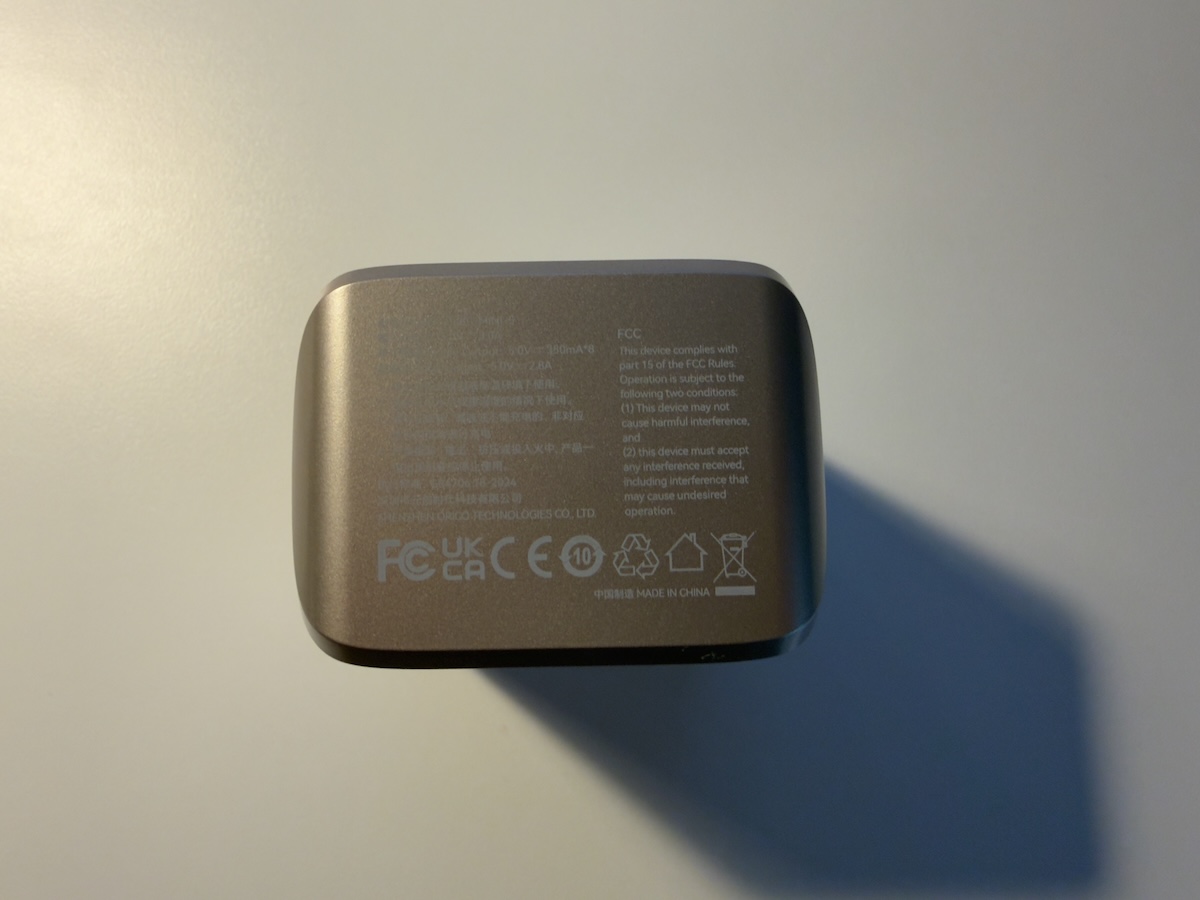
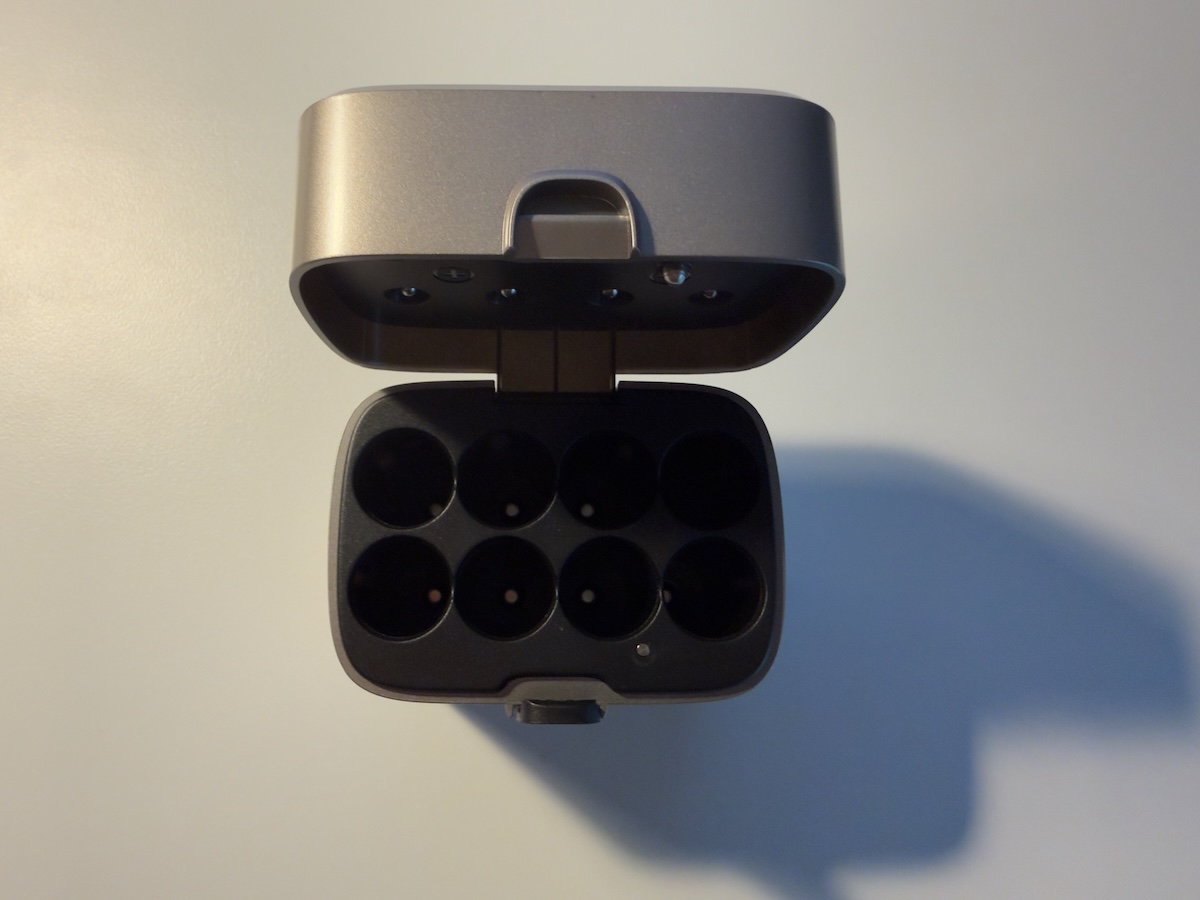
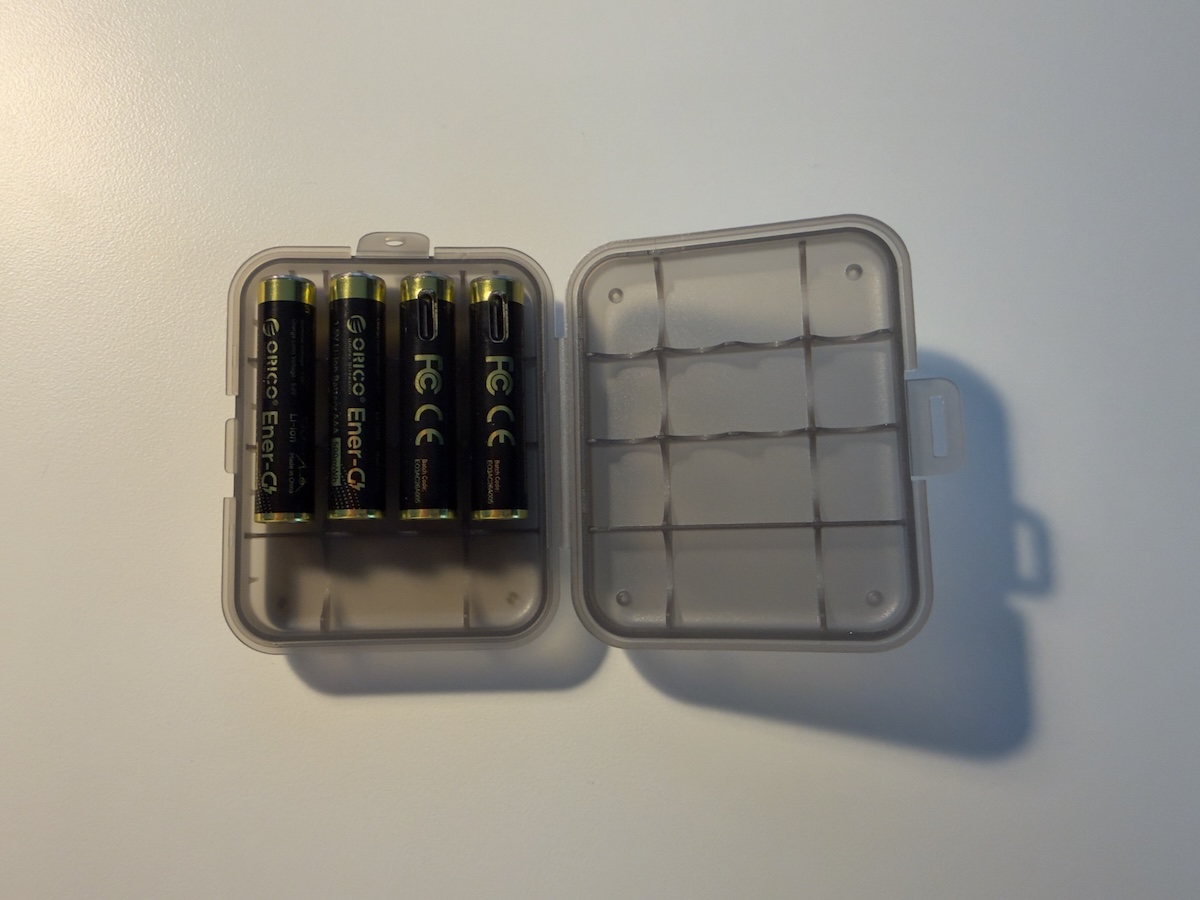
Four ORICO Ener-G AA rechargeable batteries: lithium-ion cells delivering a stable 1.5 V output with an energy capacity of 2,300 mWh.
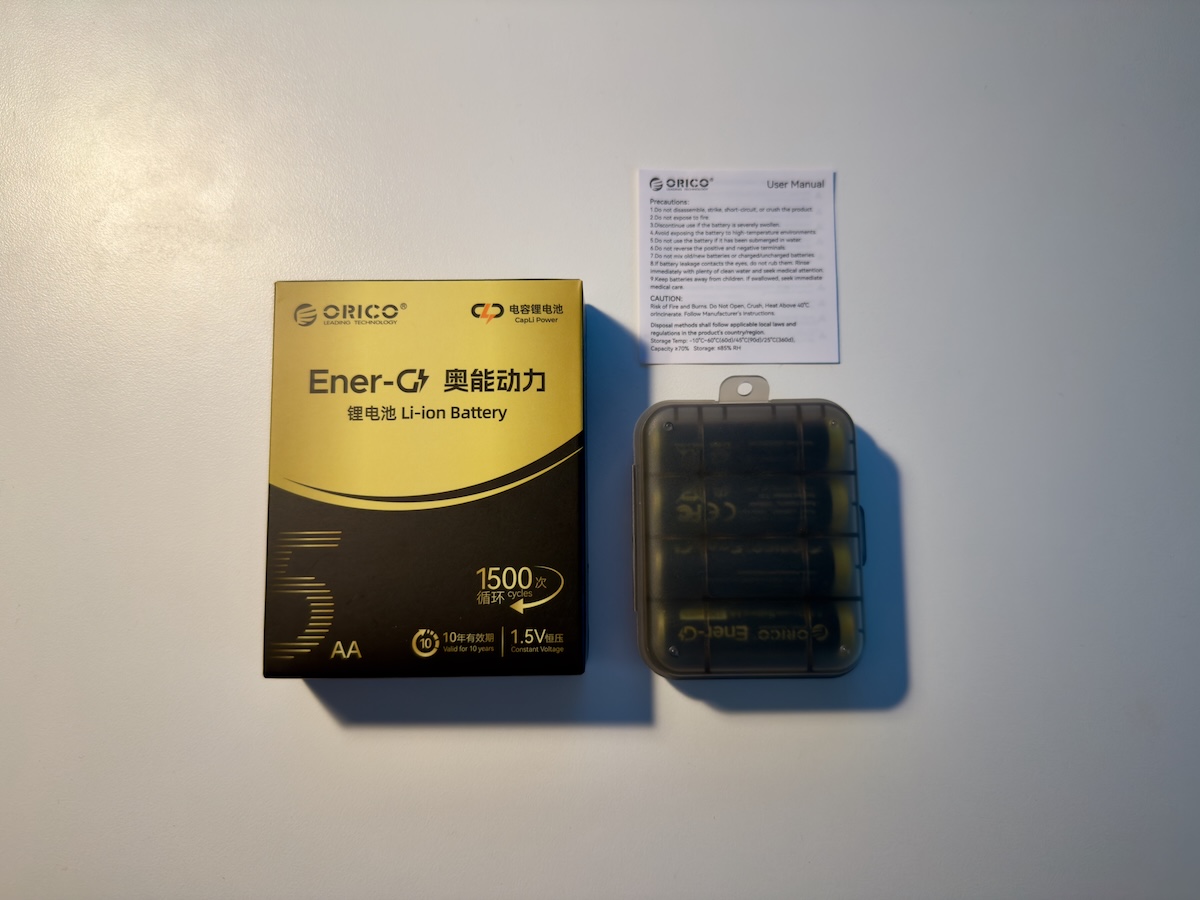
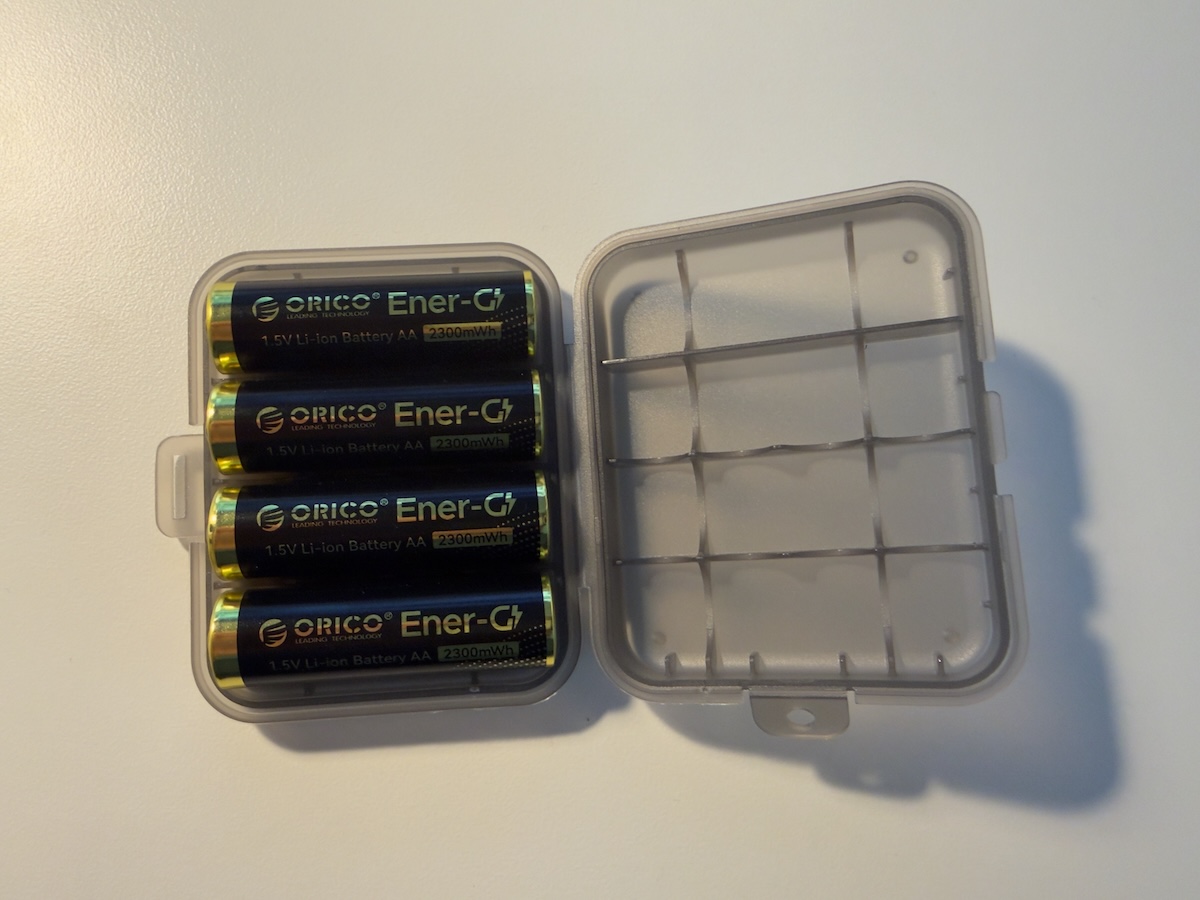
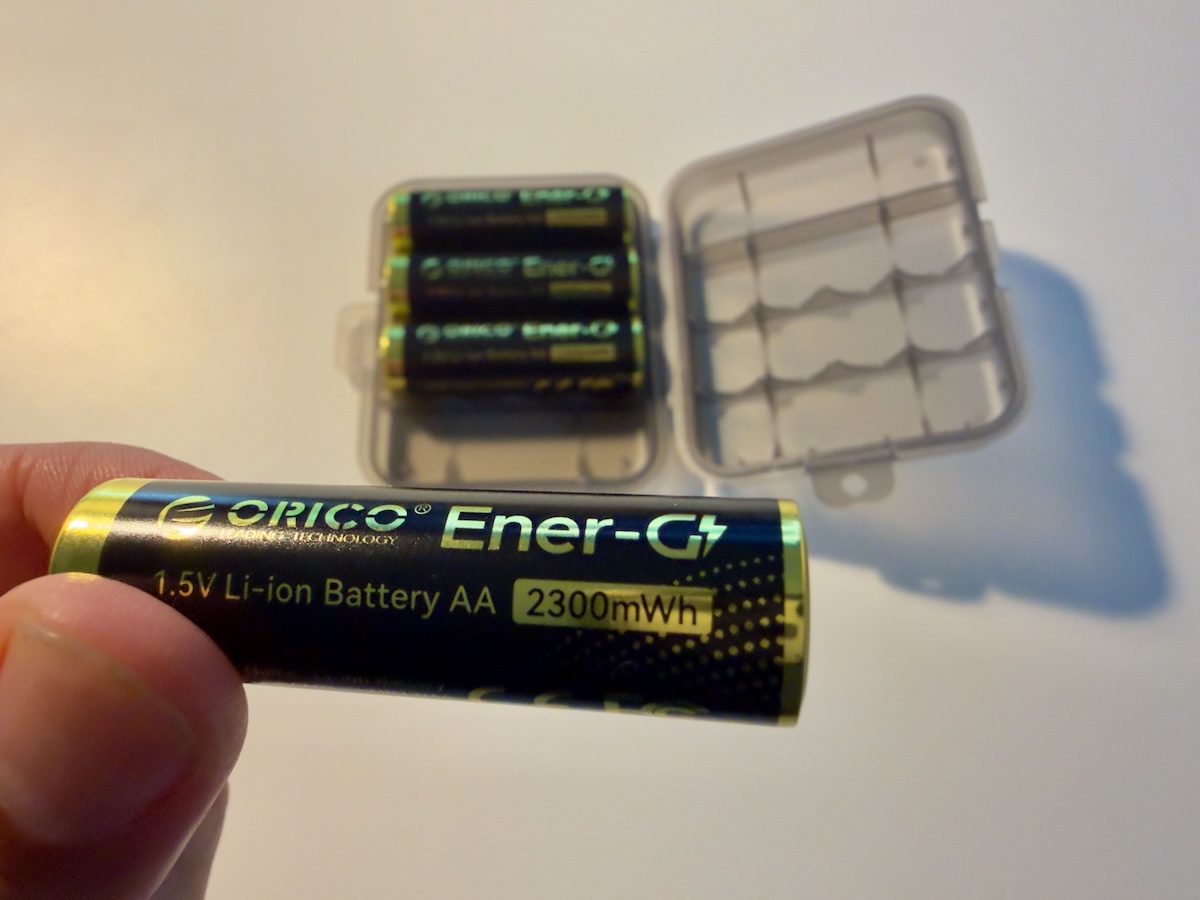
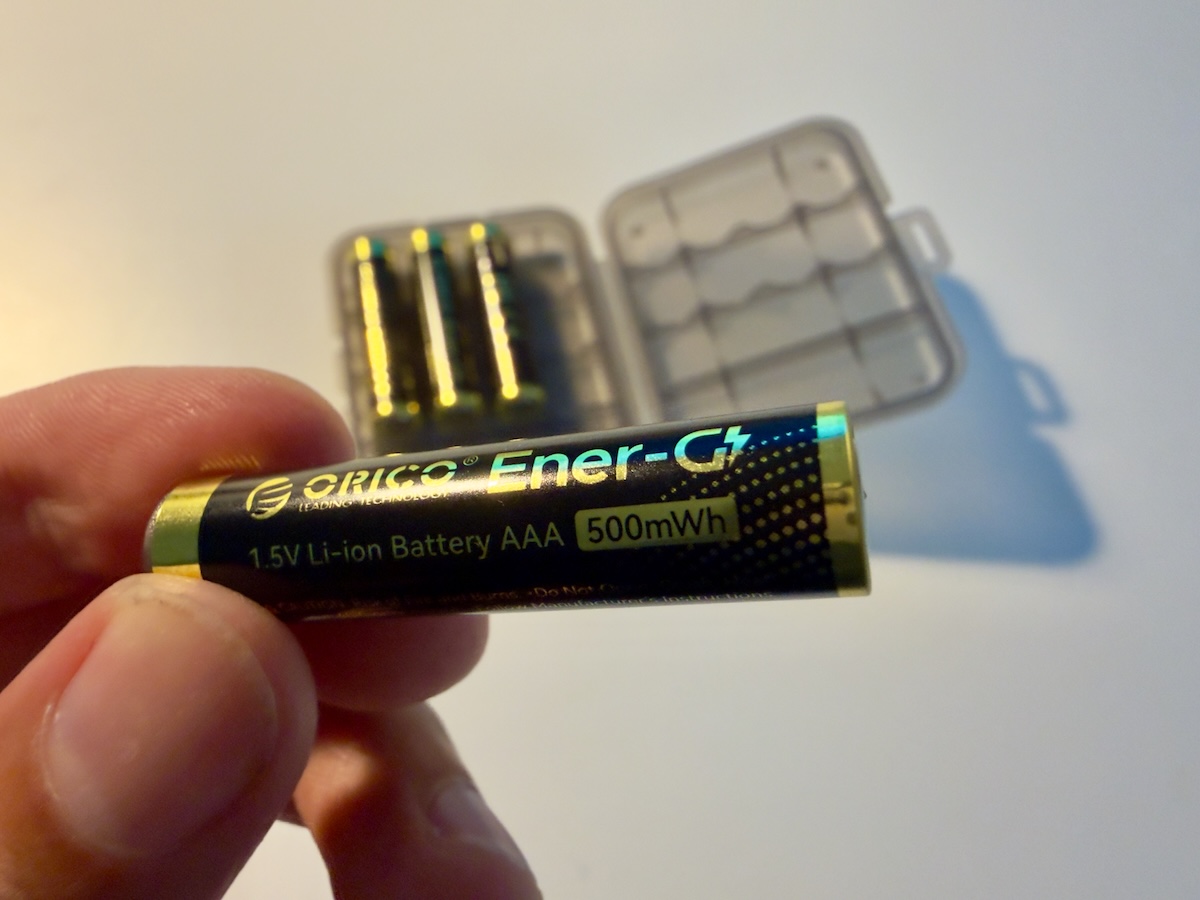
Four ORICO Ener-G AAA rechargeable batteries: lithium-ion cells delivering a stable 1.5 V output with an energy capacity of 500 mWh.
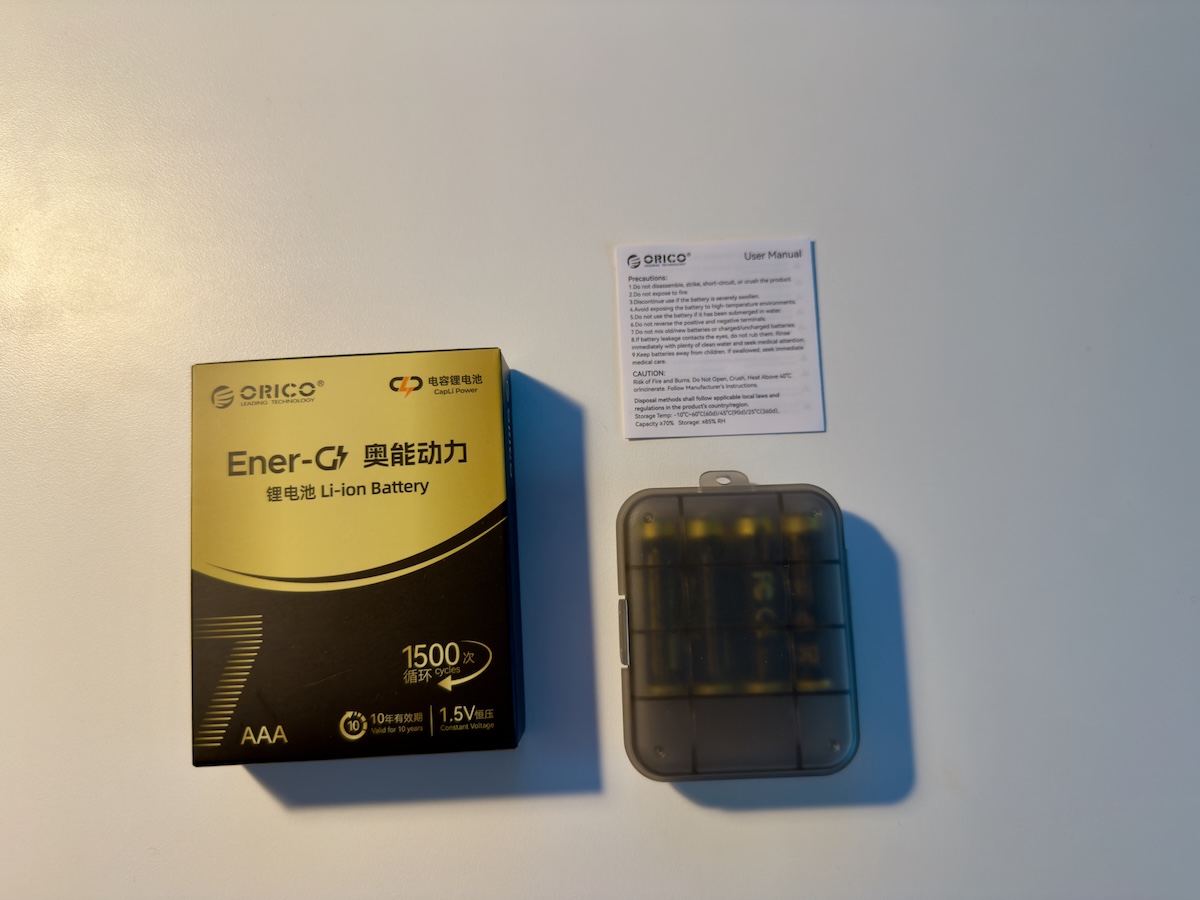
The Charging Hub: Half the System’s Value
The bundled charging hub deserves special attention in its own right. It can recharge all eight batteries simultaneously in as little as three hours.

Independent Charging Channels
Unlike many conventional chargers that require batteries to be inserted in pairs, the ORICO EnerVault EV8P treats each of its eight charging slots as a completely independent channel. If only one battery from your bike light is depleted, you can recharge just that single cell without waiting to pair it with another. Each slot is equipped with its own LED status indicator, clearly showing whether the battery is charging, fully charged, or if a charging error has been detected.

USB-C Power Input
The charging hub is powered via a modern USB-C interface and accepts a 5 V/3 A input. This eliminates the need for a dedicated AC power adapter, allowing the hub to operate from virtually any compatible USB-C power source, including a smartphone charger or a portable power bank. As a result, the system is well suited for both home use and travel.


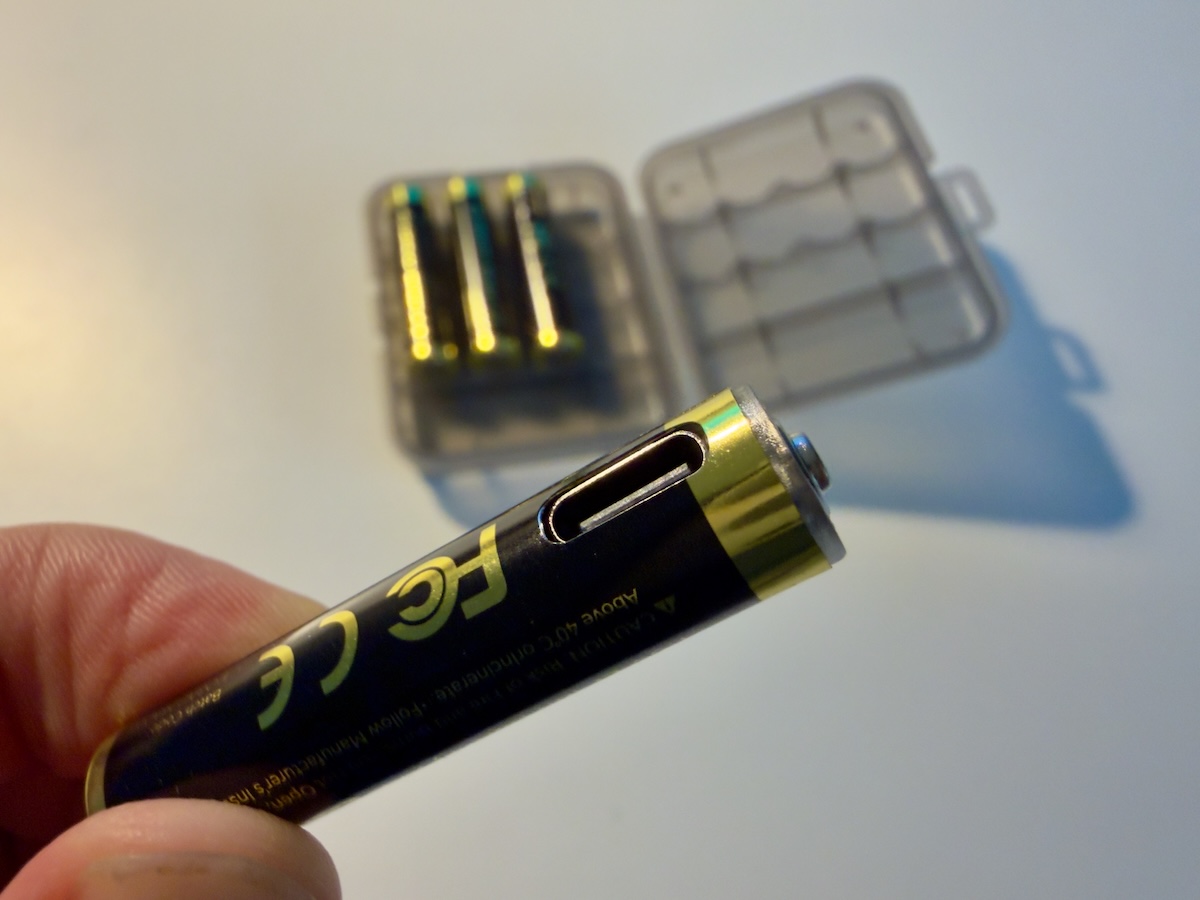
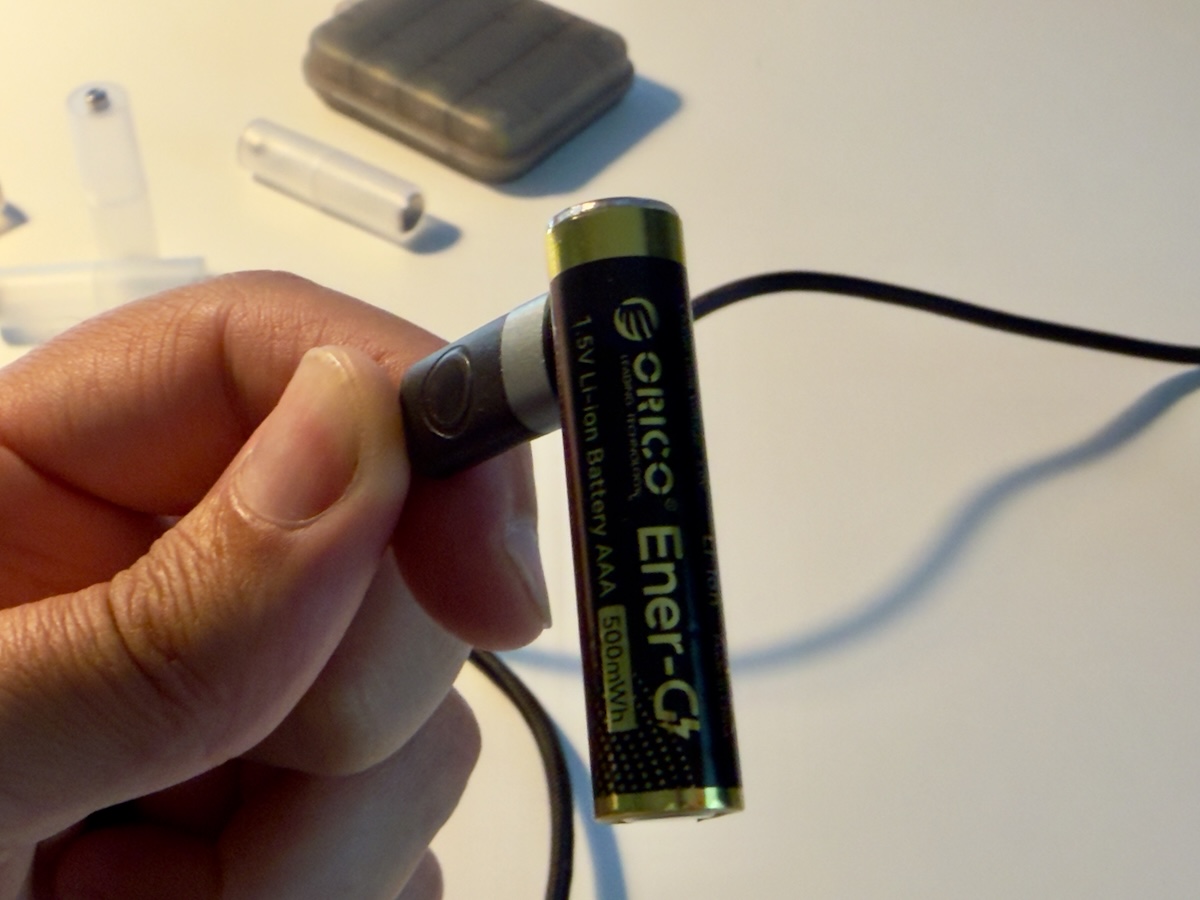
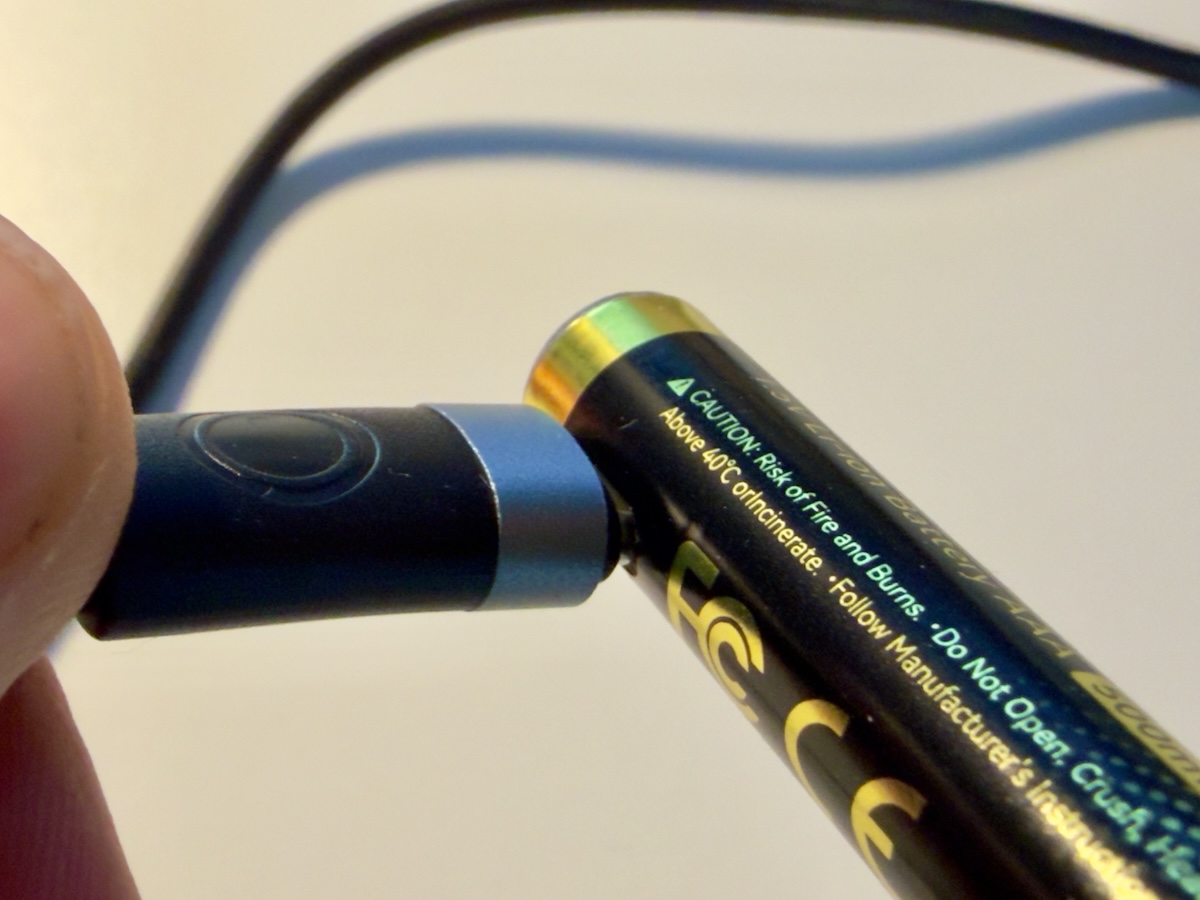
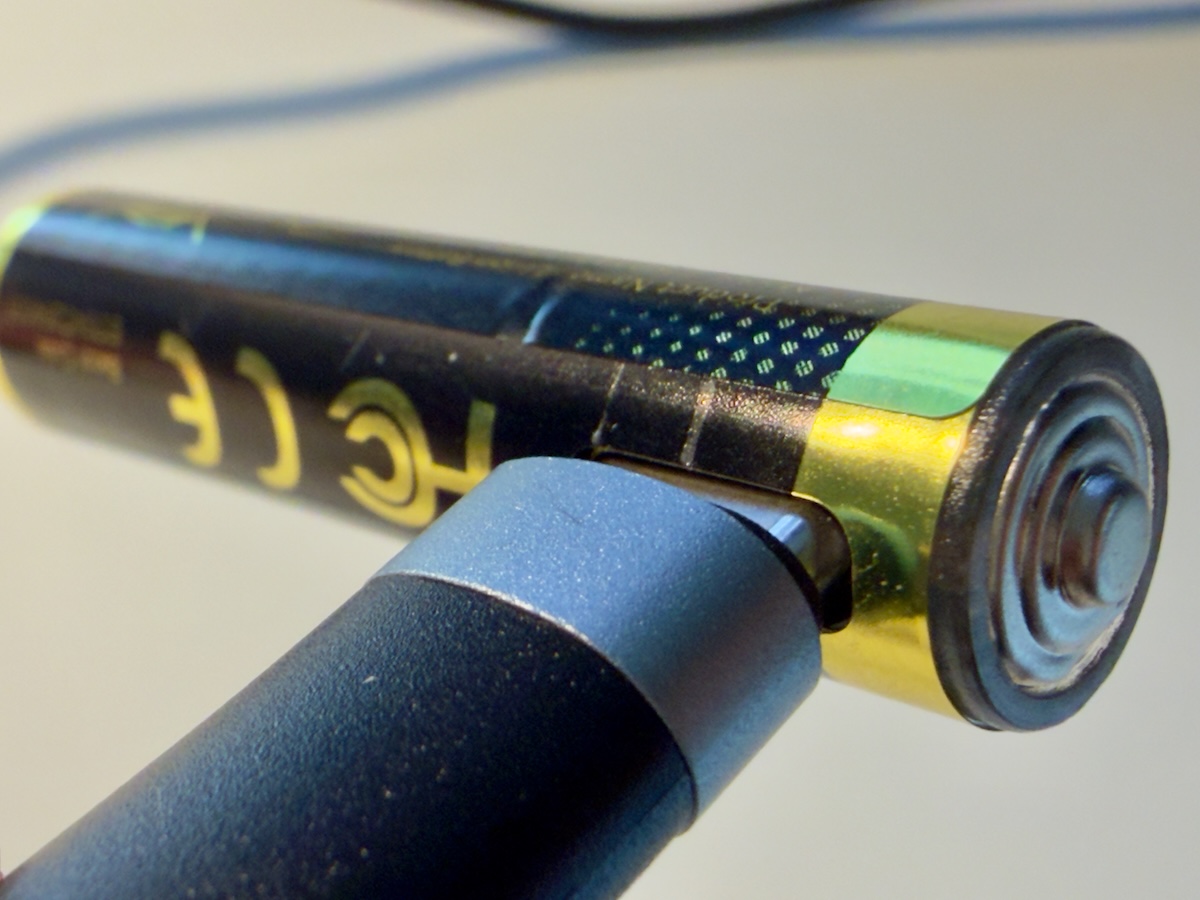
One detail worth noting is that the AAA batteries feature a built-in USB-C charging port but do not include a charge status indicator. As a result, unlike the AA version, there is no visual way to check the remaining charge level, and users can only estimate it based on the device’s runtime or practical experience.
Organization and Storage
Each set of batteries is supplied with a translucent plastic storage case, making it easy to keep the cells protected and organized. This is particularly useful for outdoor activities or travel: with simple labeling, you can quickly distinguish fully charged batteries from depleted ones, avoiding unnecessary confusion when replacements are needed.

Practical Use Cases
Thanks to their stable 1.5 V output and the portable charging hub, the ORICO Ener-G system adapts easily to a wide range of everyday applications. In the following sections, I will highlight several real-world scenarios – including examples from my own experience – where these rechargeable batteries can significantly improve the user experience compared to conventional disposable or NiMH cells.

Engineering Workspace and Computer Peripherals
As a mechanical engineer specializing in engineering analysis, I rely on precision every day when working in CAD applications such as Autodesk Fusion, Inventor, and similar software. In this environment, the accuracy and responsiveness of wireless peripherals are just as important as the workstation itself. Professional wireless mice and keyboards can be sensitive to power quality. With conventional 1.2 V rechargeable batteries, sensor performance may become less consistent, while wireless range can also be reduced.
From my own experience, I remember working in an office equipped with HP wireless peripherals. A clean, cable-free desk was a major advantage, but batteries always seemed to run out at the least convenient moment. Lithium-ion rechargeable batteries with a regulated 1.5 V output help eliminate this issue by providing a consistent power supply, allowing wireless peripherals to maintain their intended performance throughout the entire discharge cycle.

Outdoor Use: Mountaineering and Road Cycling
Hiking and mountain activities are among my main sports-related interests, and the mountains leave little room for equipment failures. During multi-day treks or dedicated climbing preparation, reliable lighting is a matter of safety. With these batteries, a headlamp can maintain the LED’s maximum brightness without the gradual dimming that often occurs with conventional cells, especially in cold conditions.
The ability to quickly recharge the hub from a standard outdoor power bank via USB-C makes the system particularly well suited for extended trips. The same advantage applies to long-distance road cycling: bicycle headlights and rear lights can maintain their full brightness throughout operation when powered by compatible rechargeable cells.

Photography Equipment and Accessories
Another one of my hobbies is photography, which readers may have noticed in some of my previous articles. Photographers know how quickly powerful external flashes and popular instant cameras, such as Instax models, can drain batteries. A flash requires a stable power supply to quickly recharge its capacitor between shots. With standard rechargeable cells, the recycling time can increase, while 1.5 V lithium-ion batteries help maintain faster operation and enable longer shooting sequences with fewer interruptions. However, it is still important to keep a spare set available. Having additional charged batteries on hand ensures that important moments are not missed due to unexpected power limitations.
Children’s Toys
Every parent knows this struggle. Children’s toys are a true battery drain, especially those with motors and electronic features. When kids ask to play with a remote-controlled car or an interactive toy, disposable alkaline batteries can run out within just a few days. Thanks to ORICO’s stable 1.5 V output, toy motors can operate more consistently and maintain their performance for longer. The ability to recharge the entire set in around three hours also eliminates the constant need to purchase new batteries, making the system a much more convenient solution for everyday family use.
Real-World Economics (ROI): Separating Facts from Marketing Claims
Claims of thousands of euros in savings may sound like a marketing exaggeration. However, the actual numbers tell a more practical story. Let us break down the costs using current retail prices as a reference.
The ORICO kit, which includes the charging hub and eight rechargeable batteries, costs €30 at the time of publication. For comparison, we will use high-quality disposable Duracell Plus alkaline batteries. At the time of writing, a standard eight-pack costs €8.49, which equals approximately €1.06 per battery.
Break-even point: The price of one ORICO rechargeable kit is roughly equivalent to three and a half packs of Duracell batteries, or about 28 disposable cells. This means the ORICO batteries only need to be fully discharged and recharged around four times to recover their initial cost compared with disposable alternatives.
Long-term savings: Each lithium-ion rechargeable cell is rated for approximately 1,000 charge cycles. Even if only half of this lifespan is achieved (500 cycles), a single set of eight batteries could replace around 4,000 disposable batteries. Purchasing 4,000 Duracell Plus cells would cost more than €4,200.
Of course, larger bulk packs can reduce the price of disposable batteries – for example, 72-cell eco packs can bring the cost down to around €0.57 per battery. Even in that scenario, the ORICO kit reaches its break-even point after approximately seven charging cycles.
Important Considerations and Conclusions
It is important to note that the included charging hub is designed exclusively for use with lithium-ion 1.5 V rechargeable cells. The built-in safety system prevents charging incompatible batteries, such as older NiMH rechargeable cells or accidentally inserted disposable batteries.

One practical recommendation is to choose the charging hub version that best matches your specific needs. ORICO offers two separate variants designed for different battery formats: one optimized for AA rechargeable batteries and another intended for AAA cells.

The ideal solution would be to choose the AA version and use the included plastic storage cases for AAA batteries. This approach provides greater flexibility, allowing users to keep both battery formats organized and have the option to recharge and use both types when needed.


Overall, switching to 1.5 V lithium rechargeable batteries is one of the most practical upgrades for a modern home gadget ecosystem. Over several years of use, this transition can significantly reduce battery expenses while also helping minimize the amount of hazardous waste generated by disposable cells.
With the promo code EG5EV8P8PK, you can receive a 15% discount on ORICO products with orders of €15 or more on Amazon. The offer is valid until August 31, 2026.

 and the EnerVault EV8P charging hub. Find out how to get a stable 1.5 V and just how cost-effective it is.)