





© ROOT-NATION.com - Use of content is permitted with a backlink.
Some time has already passed since the official launch of the Leica SL3-P, but for a camera in this class, that is actually a good thing. The initial hype fades, the emotions settle, and you get a chance to evaluate the tool with a clear head. As someone accustomed to a particular philosophy of photography and with extensive experience working with different lenses and cameras, I decided to put my thoughts on this new model into perspective. This is not just another release – it is a strategic move by the German brand that fills a very specific, yet important, niche in the market.
Read also: All reviews of cameras, lenses and accessories for photography and videography
TABLE OF CONTENTS:
Key Features and Specifications
From the very beginning, the SL line was conceived as a manifesto of German pragmatism – an answer to the needs of professionals who wanted a powerful tool without being weighed down by unnecessary features. Its philosophy is firmly rooted in the concept of Das Wesentliche (a focus on what matters): a minimal number of buttons, meticulously thought-out ergonomics, and uncompromising reliability. The Leica SL3-P embodies this tradition perfectly. It is not just another electronic gadget, but a true hybrid monolith with an all-metal body that feels equally at home in a warm studio or under heavy rain. At the same time, the camera introduces a technological breakthrough that is critical for the pace of modern photography – a new hybrid autofocus system that fundamentally changes the game for dynamic and documentary shooting.

Among the key specifications, the following stand out:
- A new full-frame BSI-CMOS sensor with Triple Resolution technology
- The ability to shoot at 44.2 or 19.1 megapixels in DNG or JPEG format at full resolution
- The powerful Maestro IV processor
- A hybrid autofocus system combining phase-detection autofocus (PDAF), contrast-detection autofocus, and object recognition (Depth Map)
- A Multishot mode capable of producing images at up to 176.7 MP (16,288 × 10,848)
- A high-quality EyeRes electronic viewfinder with a resolution of 5.76 million dots and a refresh rate of up to 120 fps
- Support for 8K video recording
- A rugged all-metal body with IP54 protection, manufactured in Germany
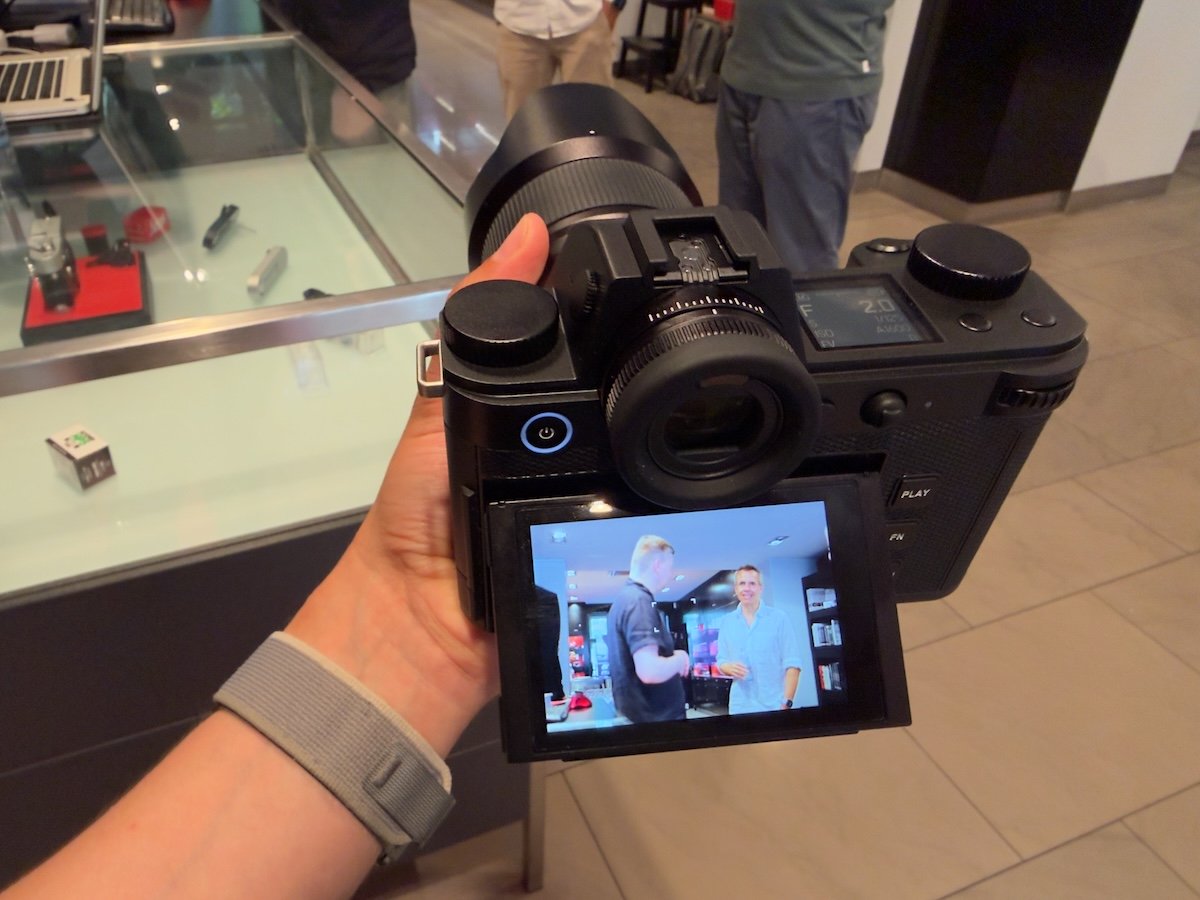
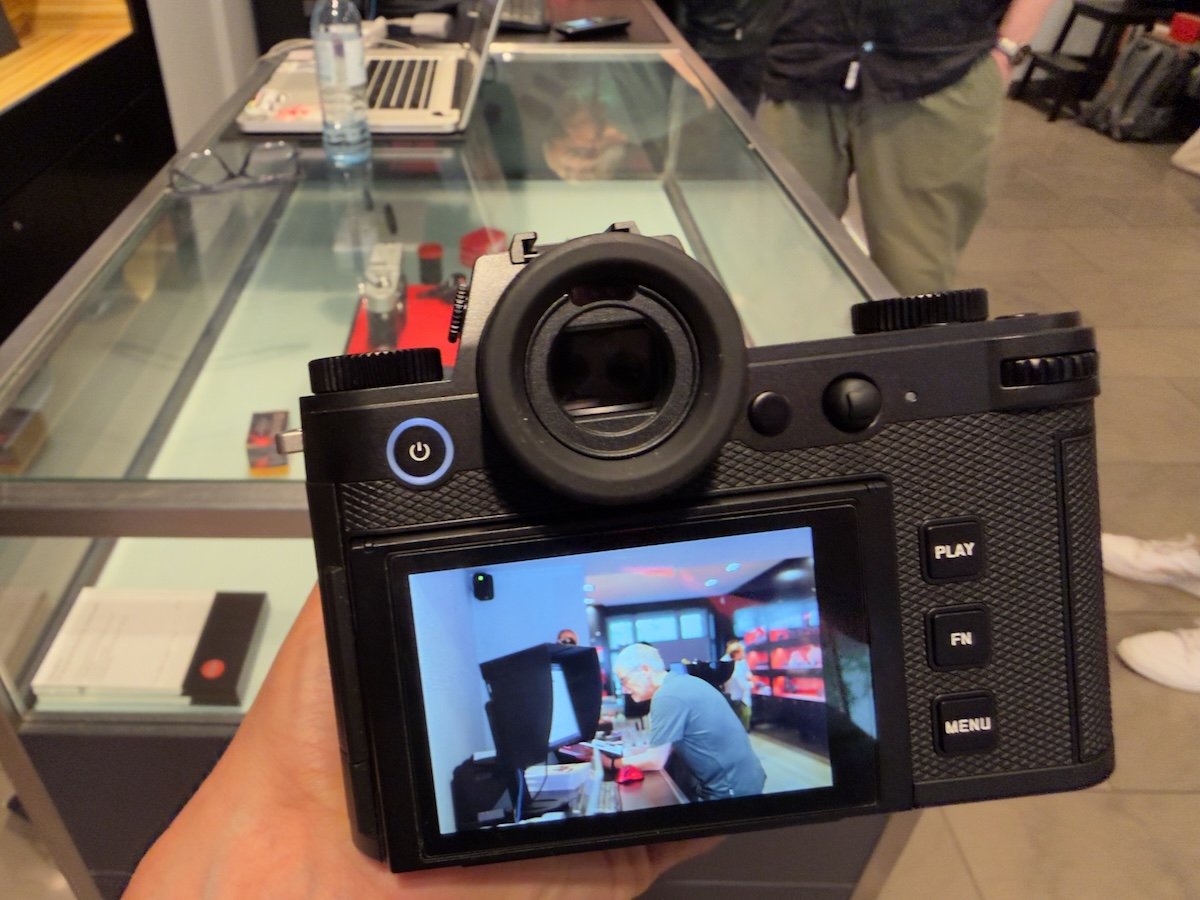
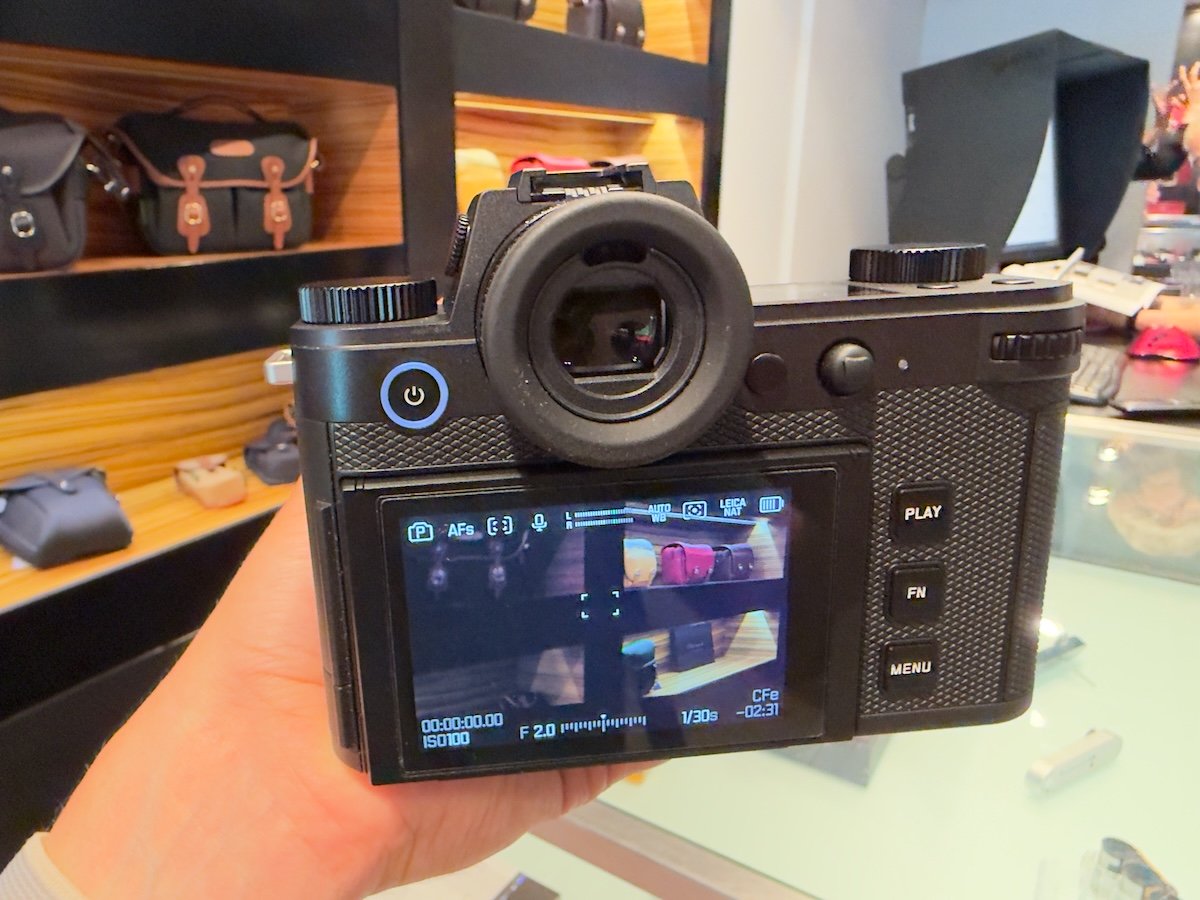
- A redesigned interface with color coding (red for photos, yellow for video) and adaptation to the camera’s orientation
- Slots for CFexpress Type B and SD UHS-II memory cards
- A full-size HDMI output and timecode interface
How It Differs from Previous Models
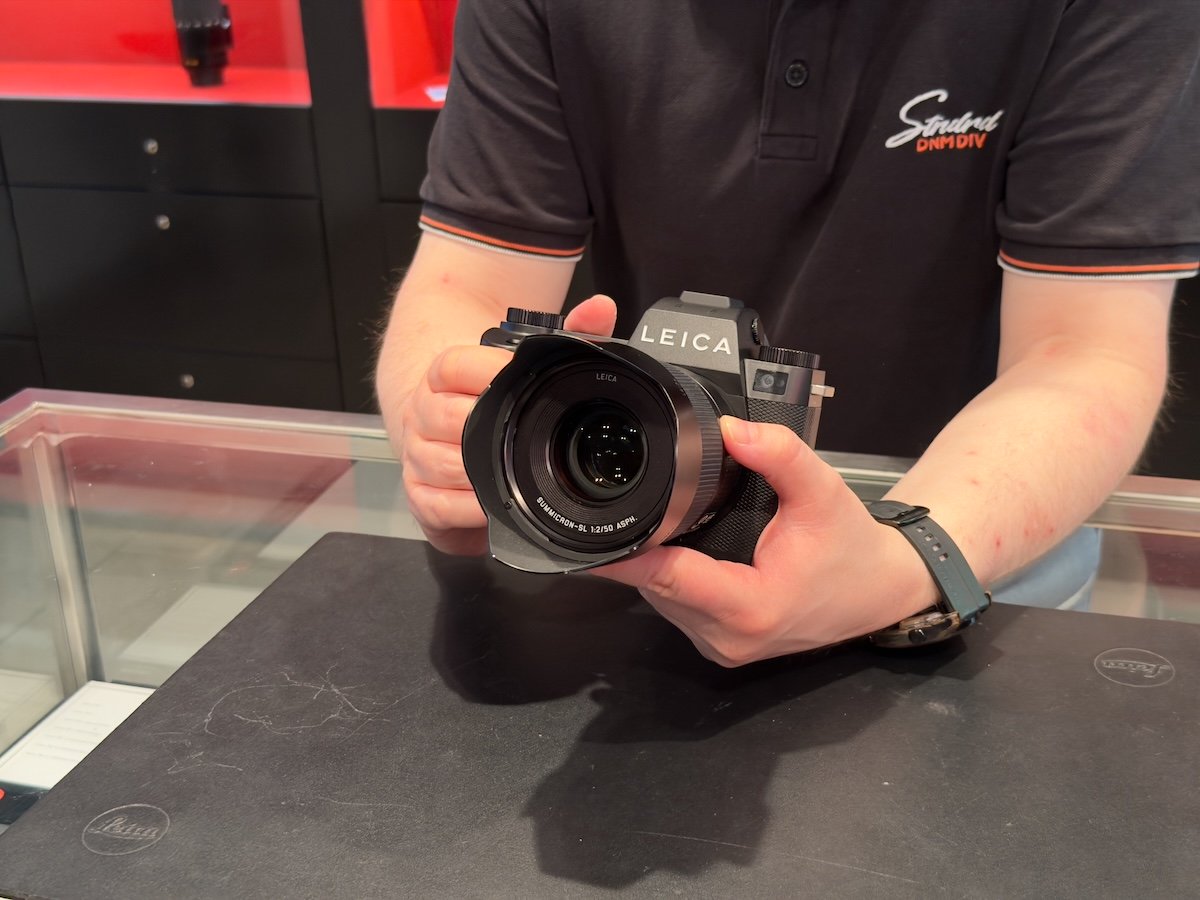
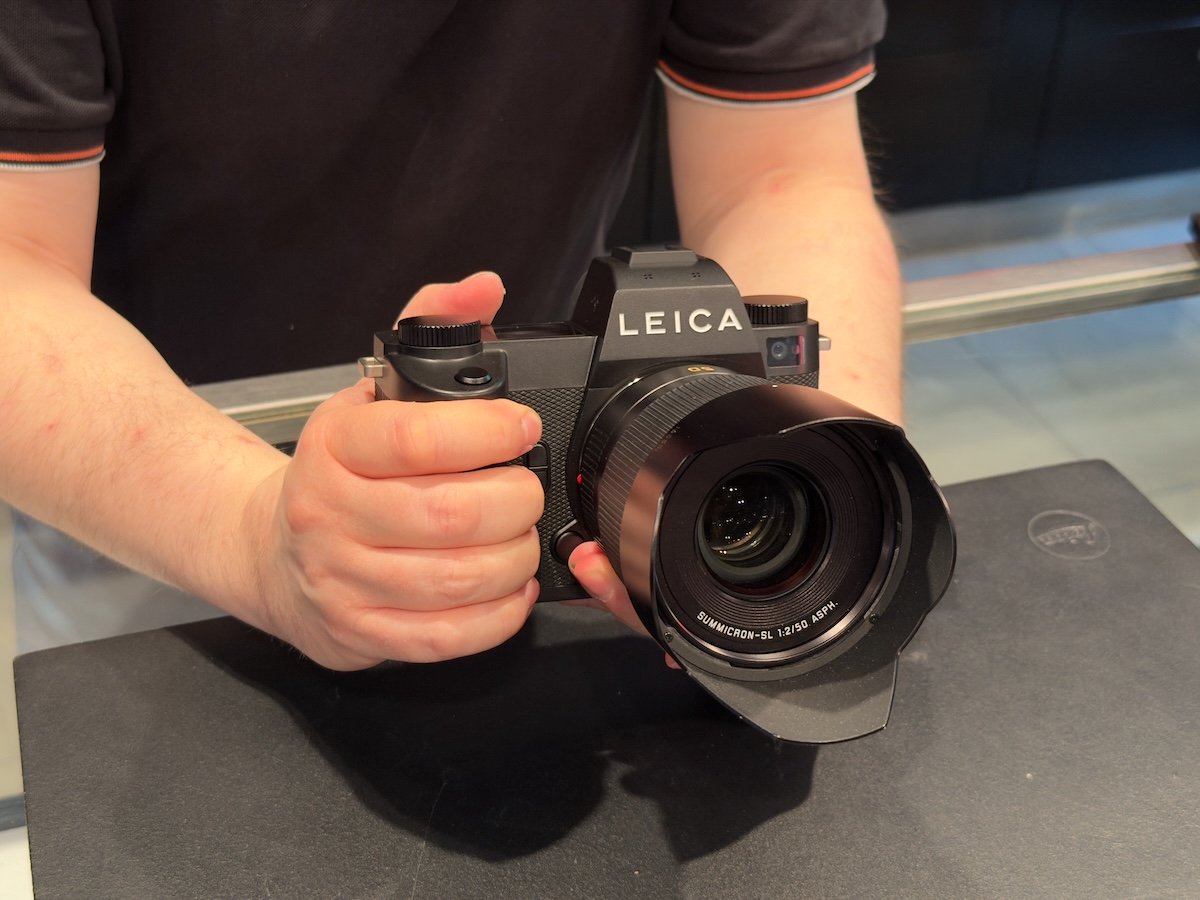
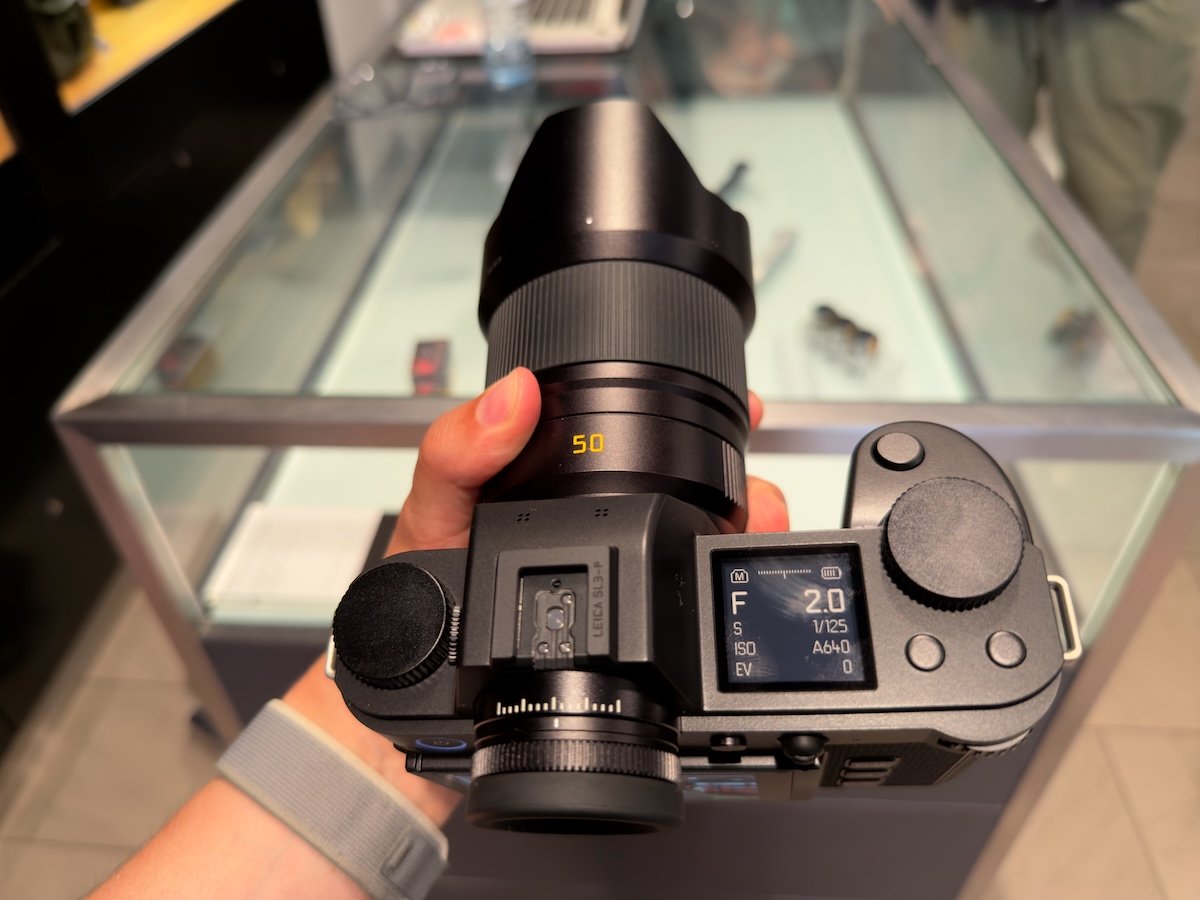
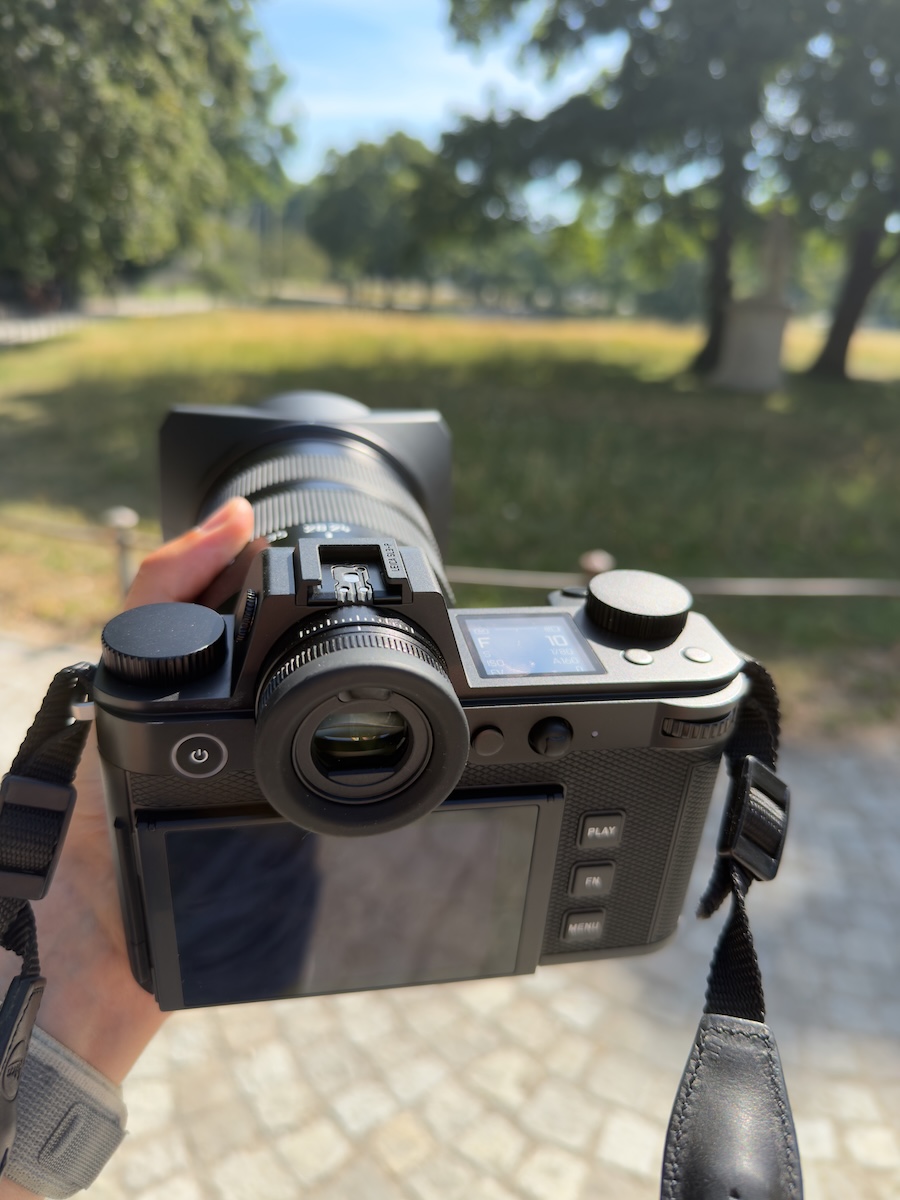
The letter “P” in Leica camera names has traditionally stood for Professional. Visually, this is reflected in the absence of the iconic red logo on the front panel and the use of black controls. This makes the camera less conspicuous, which is ideal for documentary or street photography, where drawing unnecessary attention to the gear can only get in the way.

Compared with the previous models in the lineup, the company has significantly optimized the design: the camera is lighter and more compact than its predecessors, sits better in the hand, and balances well with L-Mount lenses. The interface has also been updated: the menu now features a clear color scheme (red for photos, yellow for video) and automatically adapts to the camera’s vertical orientation, a nod to the demands of modern content creation. Autofocus has taken a huge leap forward compared with the previous generation’s contrast-detection-only system (SL2/SL2-S). There is also a new Multishot mode, which can produce images at resolutions of up to 240 MP.

Camera Positioning
The Leica SL3-P is a camera for those looking for uncompromising image quality. It offers an effective resolution of 44.9 megapixels, making it ideally suited to studio work, architecture, and landscape photography. But thanks to Triple Resolution technology, you can easily switch to a lower resolution (for example, 26.7 MP in full-frame mode) for documentary shooting, where speed and smaller file sizes matter. This is a tool for hybrid creators who may need to shoot a corporate event with perfect focus one day and record 8K video the next.
My Experience Through the Lens of Owning a Leica M9
My approach to photography has been shaped in large part by my experience with the Leica M9. Rangefinder classicism, manual focus, a distinctive CCD sensor – this is a camera that forces you to slow down, think about every shot, and work with light and composition before you even bring the viewfinder to your eye.

Picking up the SL3-P, you immediately notice the enormous technological leap. Hybrid autofocus and the ability to shoot at 44.9 MP take a large part of the technical routine off your hands. Yet, remarkably, the SL3-P retains that same “Leica” philosophy. You can feel it in the weight of the metal, the tactile feedback of the buttons, and the minimalism and intuitiveness of the updated menu. It lets you be fast when the situation demands it, while remaining a reliable tool that is a pleasure to work with rather than just a soulless computer with a lens.

The Role of Optics in This Camera and Cameras in General
No modern sensor means much without the right glass, because it is the optics that shape the character of an image. And this is where the L-Mount really comes into its own. The advantage of the system lies in the open L-Mount Alliance standard, which allows you to use lenses from Panasonic and Sigma.
Leica itself offers an impressive lineup of lenses that make an ideal match for the SL3-P.
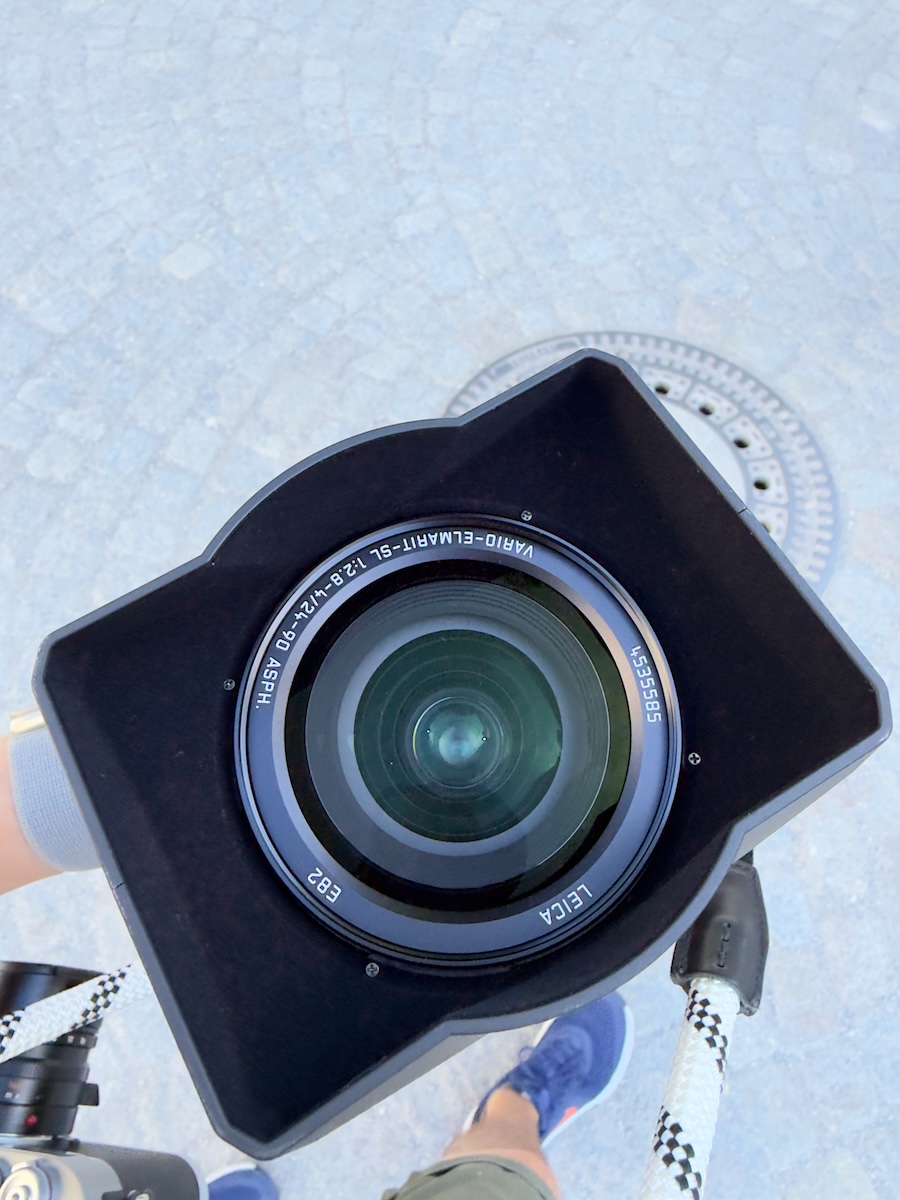
- Kit lenses (or the logical choice to start with): Cameras like this are often paired with zooms such as the Leica Vario-Elmarit-SL 24-70mm f/2.8 ASPH. It is a versatile, high-quality tool for most tasks, although it lacks optical stabilization (which is offset by the camera’s built-in stabilization).
- For video: The Leica Vario-Elmarit-SL 24-90mm f/2.8-4 ASPH, which features built-in optical stabilization and a wider focal-length range.
- For landscapes and architecture: The Leica Super-Vario-Elmarit-SL 14-24mm f/2.8 ASPH.
- For documentary work and portraits (top-end segment): The Leica Vario-Elmarit-SL 70-200mm f/2.8 ASPH.
- For sports and wildlife: The Leica APO-Vario-Elmarit-SL 90-280mm f/2.8-4 or the Leica Vario-Elmar-SL 100-400mm f/5-6.3.
Prime lenses are worth considering as well. For example, the Leica Summicron-SL 35mm f/2 ASPH is an excellent option at a relatively accessible price, while the APO-Summicron-SL lineup delivers absolute precision and freedom from chromatic aberration. Thanks to adapters, the SL3-P can also be paired with legendary M lenses, giving you their unique rendering on a modern 44.9-megapixel sensor.
This is a photo from the first day of the presentation at the Leica Store Berlin.


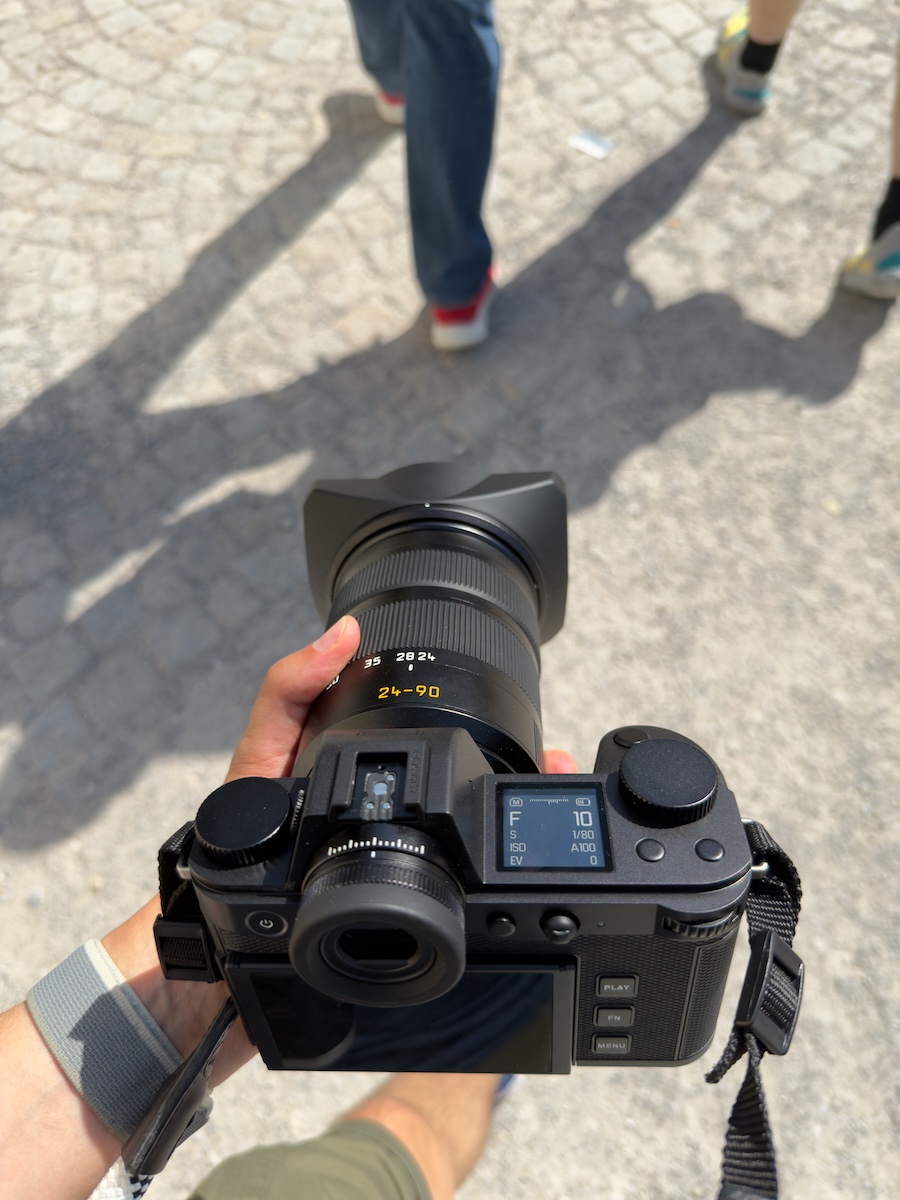
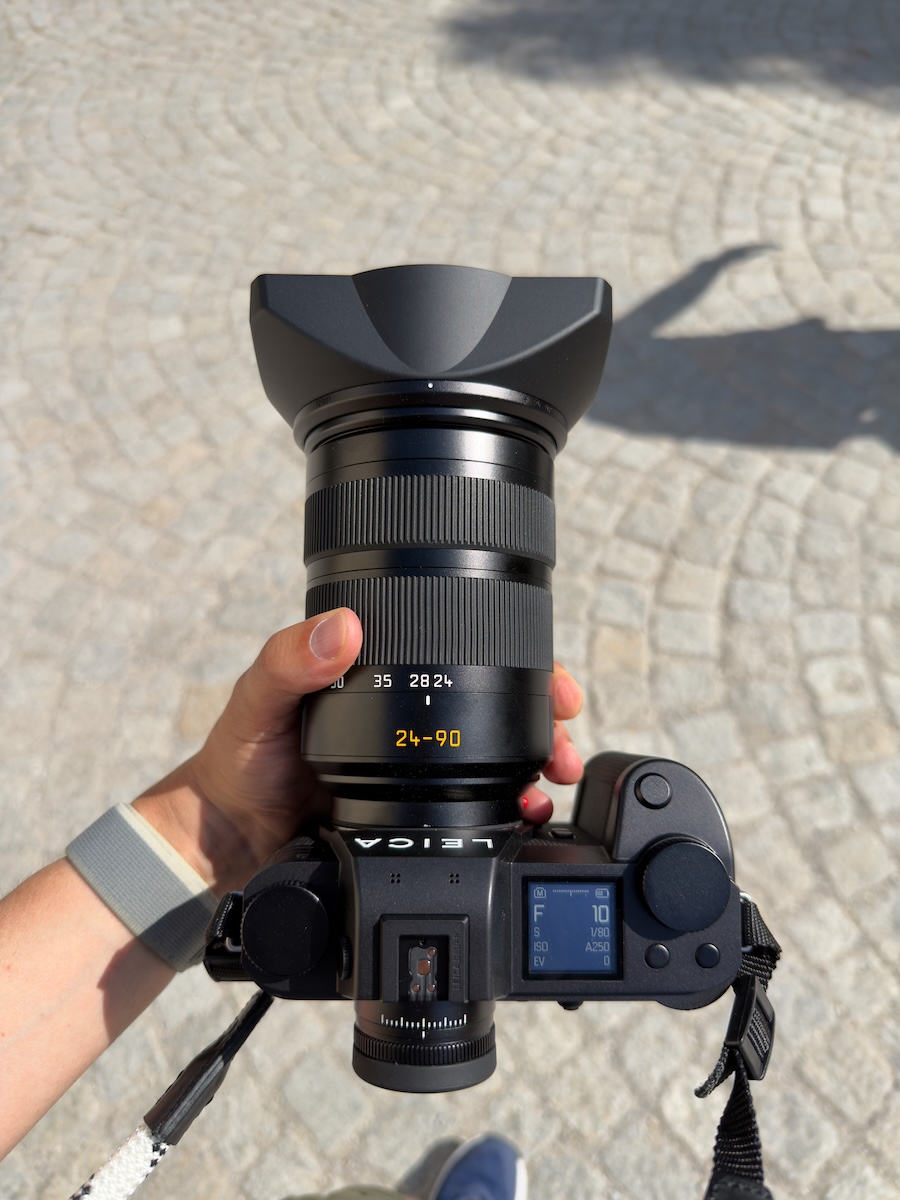
And this is a photo from an express street photography course organized by the Leica Store Munich.
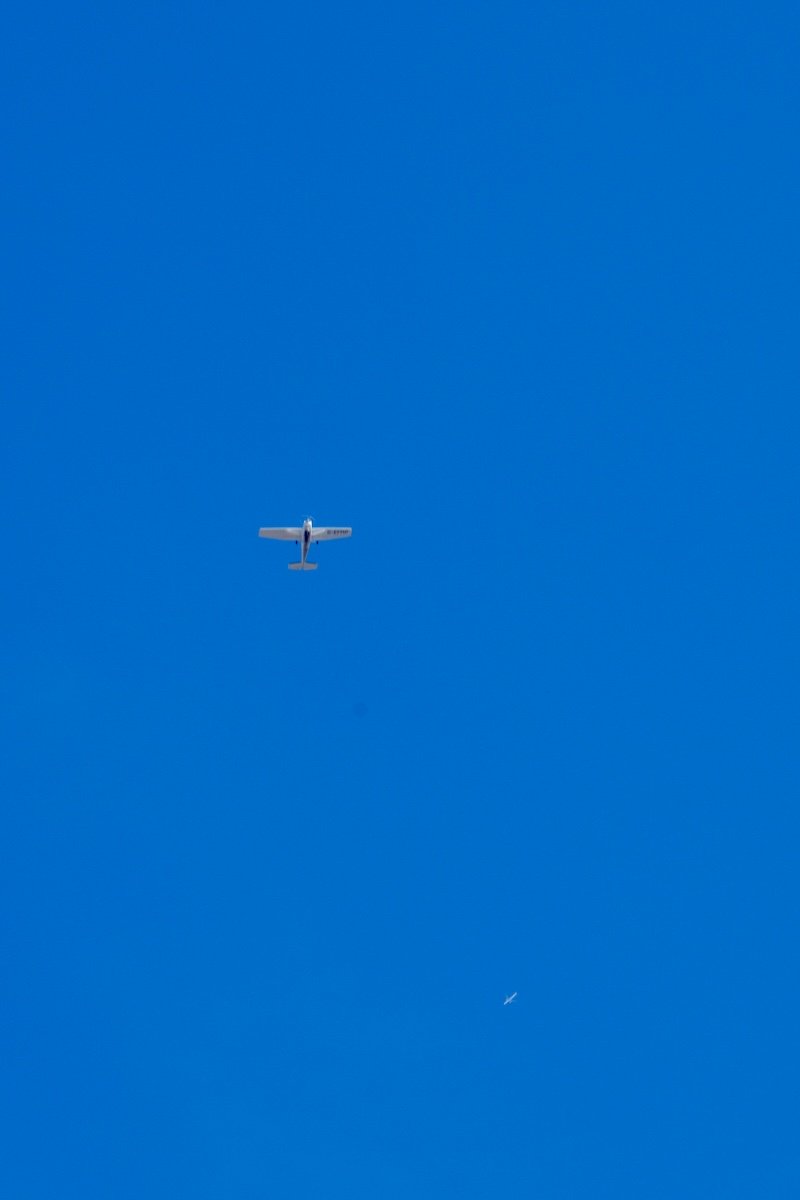





Of course, the compressed images shown here cannot convey the full range of the camera’s capabilities, and an expert test drive cannot provide the same experience as long-term use. Still, it is important to give readers a glimpse of even this kind of hands-on experience!
Read also: Panasonic Lumix S5 IIX Review: You Don’t Know How You Managed Without It
Speed, Racing, and Emotion: The Nürburgring as a Testing Ground
It is worth noting that the promotional campaign for the Leica SL3-P was closely tied to the world of motorsport, specifically the legendary Nürburgring circuit. Photographer Callo Albanese demonstrated what the camera is capable of under conditions of extreme speed and dynamic action.
These are not just pretty pictures. This kind of shooting requires lightning-fast hybrid autofocus and a camera that can be relied on in any conditions – exactly what the SL3-P offers. The photos from the Nürburgring, where emotion, speed, and adrenaline come together in a single frame, are a great illustration of the fact that the SL3-P is not just about calm studio work, but also about the ability to “freeze” the most dynamic moments in life. I had a chance to experience the atmosphere of this track myself a little later, albeit with a different camera, so I have a good understanding of the challenge that motorsport photography presents for the equipment.
Conclusion
The SL3-P proves that Leica knows how to listen to the market. The company has created a camera that does not chase abstract records for the sake of marketing, but instead addresses very specific needs of professionals. More importantly, Leica has always been about uniqueness and emotion – things that cannot be measured by specifications alone. Yes, there are competitors on the market that offer similar or even better specifications for less money. For example, the Panasonic S1 II, which also uses the L-Mount, offers faster shooting at 30 fps and a high-resolution mode, yet costs almost half as much. The Sony A1 and A9 III offer even greater speed and more advanced technology, with many of these solutions having been implemented by Sony earlier. Even the Panasonic S5 II / S5 IIX offers impressive video capabilities and hybrid autofocus in a much more compact and affordable body.

However, Leica is not chosen based on specification tables. It is chosen for the quality of its materials (Made in Germany), its intuitive and minimalist interface, the legendary “Leica Look,” and the feeling of being connected to photographic history. This is a camera for those who want to stand out and value not only the result, but the photographic process itself.

