





© ROOT-NATION.com - Use of content is permitted with a backlink.
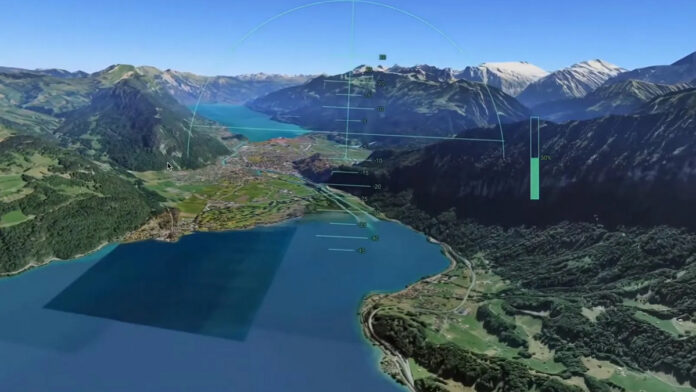
For users who find Microsoft Flight Simulator a bit too realistic, there is now an alternative way to explore virtual airspace. Google Earth has received its own flight simulator mode, which is now available for global use directly through a web browser. The authors of Android Police were the first to notice the official social media post from the tech giant’s subsidiary announcing the feature.

It seems that it is within the Google Earth project that the tech giant reminds us that modern technology can be exciting and bring genuine joy. For example, in 2024, developers integrated a feature allowing users to view historical reconstructions of specific eras and locations. Such innovative solutions always generate interest, and as early as next year, the company delighted users with new features.
Read also: AERONAUT – everything that flies above the ground: aviation, UAVs and drones, rockets, and space
Prepare for takeoff. ✈️ Flight Simulator is now available globally on the web to all users. https://t.co/jV5ZW7BZeW
We’ve recently added many of our most powerful professional desktop features to the web. Elevation profiles, new import types, but there’s always been one other feature… pic.twitter.com/s11NDaCx60
– Google Earth (@googleearth) June 12, 2026
To start flying, after launching the web version of Google Earth, go to the Explore Earth section, open the Tools menu, and find the Flight Simulator mode tab there. For novice pilots just getting the hang of the virtual skies, the developers have prepared a special FAQ to help you adapt to the simulation environment.
However, there are two important caveats to keep in mind. First, this feature is currently in experimental mode, so you may encounter technical glitches or instability while flying. Second, the developers specifically emphasize that the skills acquired will not be sufficient to fly a real Boeing 747 passenger jet, noting that their simulator was designed for recreational flights, not for professional training in high-precision aerodynamics.
We wish you pleasant travels.
Read also:
- No One Suspected It: Pokémon Go Data Helped Train a Navigation System for Military Drones
- Hunting Shahed: Ukrainian drones receive a unique autonomous interception system