





© ROOT-NATION.com - Use of content is permitted with a backlink.
Don’t rush to celebrate and grab a cupcake when the smart device on your wrist tells you that you’ve burned 1,025 calories during your morning run, through sweat and effort. Given the results of tests conducted by experts at Florida International University, it’s worth considering whether your gadget might be misleading you. Researchers found that most smartwatches consistently overestimate the amount of energy expended during physical activity, and as a user’s body fat percentage increases, this margin of error only grows.
Jason Kostlena, a sports medicine specialist and lead author of the study, notes that the number of calories burned displayed by the device should not be considered reliable, as it does not reflect reality. According to him, the weekly margin of error in these calculations can reach 100 calories, which puts a person at risk of ending up in a calorie surplus instead of the desired deficit.
Wearable trackers gained immense popularity as the go-to fitness accessory a little over 15 years ago, when Fitbit launched its first commercial product. Since then, users have grown accustomed to relying on digital technology to track a wide variety of metrics – from walking pace and sleep stages to heart rate and energy expenditure.
Most such gadgets measure biometric metrics, including energy expenditure, using photoplethysmography. This method involves recording fluctuations in blood volume in subcutaneous blood vessels by measuring the light reflected from a built-in LED.
Early scientific studies indicated that Fitbit devices typically underestimate heart rate, step count, and calories burned. However, comprehensive evaluations of these devices involving people of different ethnicities, body types, and physical activity levels have been lacking until now.
A team led by Kostlna tested four popular fitness tracker models with 58 volunteers, having first recorded their skin tone, height, and body fat percentage. Each participant underwent an intense workout on a recumbent exercise bike. Compared to a professional laboratory analyzer, the error margin of the wearable devices averaged between 80 and 110 calories, corresponding to a deviation of 15% to 25%.
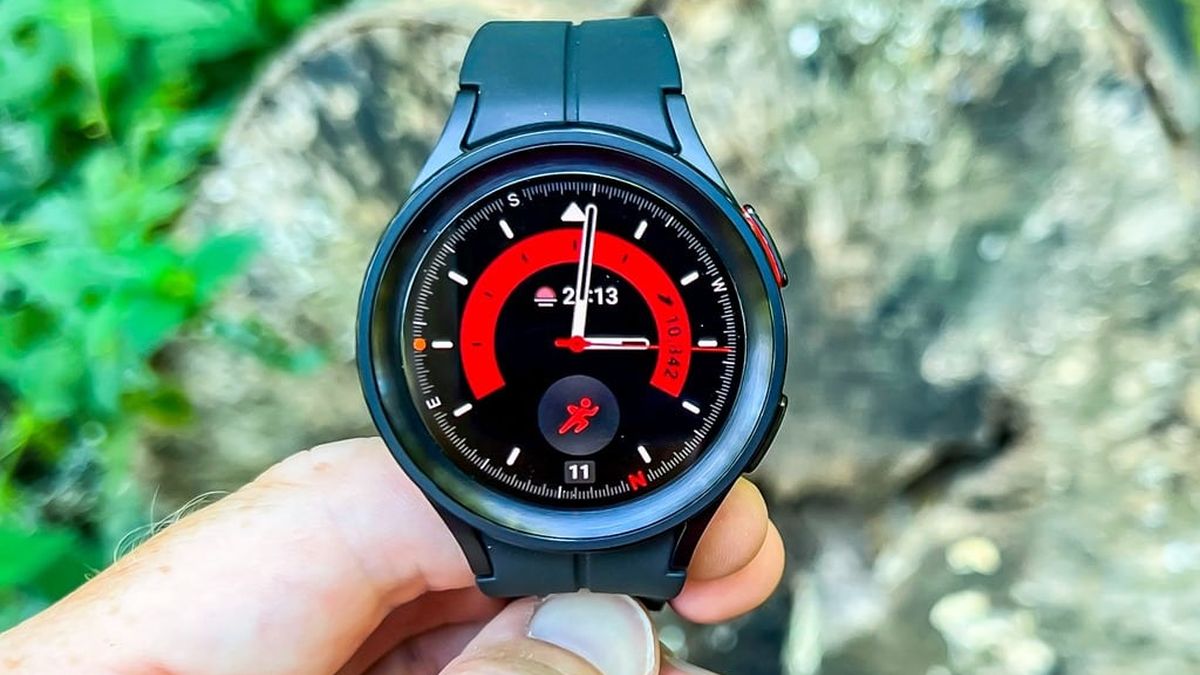
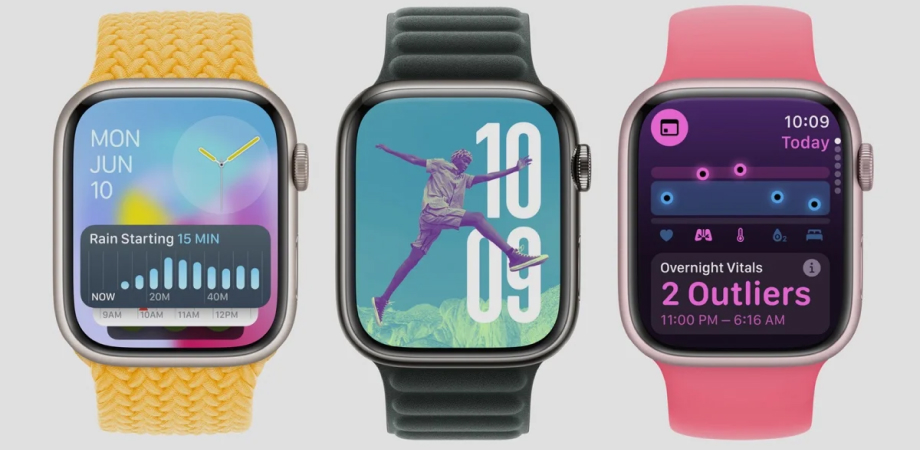
Among the four models tested, devices from Samsung (Galaxy Watch 5) and Garmin (Forerunner 955) consistently overestimated energy expenditure the most. At the same time, Apple (Watch Series 8) showed a significantly lower level of data overestimation.
The Fitbit Sense 2 did not show a significant average deviation in the overall statistics of verified results; however, 13% of its measurements were found to be completely implausible. When these anomalous data points were taken into account, this particular device turned out to be the worst performer among all those tested.
One positive finding was that the skin color of the test participants had no impact whatsoever on the final results. However, the percentage of body fat had a significant impact on the reliability of the measurements: the higher the body fat percentage, the less accurate the readings became. It is currently unclear what causes this problem – whether it is a flaw in the blood flow sensing technology itself or errors in the algorithms that convert this data into calories.
For many amateurs, a rough estimate of calories burned can serve as a great incentive to train harder. However, in situations where absolute accuracy is required – for example, in scientific research, medical assessments, or high-performance sports – such discrepancies are critical.
As Kostlna concludes, even with their shortcomings, these gadgets can still be beneficial. He advises tracking your own progress over the long term: if monitoring helps, enjoy using it, but if it causes unnecessary stress, don’t get too hung up on the numbers. The key is to focus on how you feel and view the data you collect as just one of many tools for gradual self-improvement.