





© ROOT-NATION.com - Use of content is permitted with a backlink.
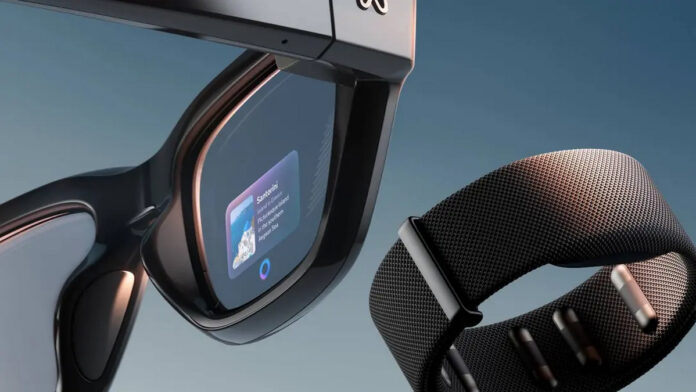
Ray-Ban Meta smart glasses look like ordinary sunglasses, and that’s exactly what appeals to buyers. The device lets you take photos, record videos, and ask Meta’s AI questions about the world around you without having to take out your phone. However, a recent investigation revealed a much less pleasant side to this feature: some of the images sent to Meta’s AI ultimately end up in front of human moderators. And, according to experts who reviewed this data, they came across images that were never intended to be viewed by anyone else.

To summarize the issue, third-party contractors were reviewing some of the content sent from Meta’s Ray-Ban devices to Meta AI for the purpose of training and improving algorithms. Employees in Kenya reported viewing extremely private video footage, including clips of people undressing or using restrooms. In 2025, Meta changed its rules for U.S. users, making it impossible to disable voice recording while still retaining access to voice control. Audio recordings can be stored in the system for up to one year, although users can delete their voice history themselves. Meta is currently facing a class-action lawsuit over its privacy statements and how it processes user data.
A journalistic investigation by the Swedish publications Svenska Dagbladet and Göteborgs-Posten shed light on the activities of specialists in Nairobi, Kenya, who were annotating data for Meta through the outsourcing company Sama. Their work involved tagging image files, videos, audio recordings, and text snippets intended to train Meta’s AI models. A portion of this content came directly from Meta’s Ray-Ban smart glasses. The real issue lies in exactly what these built-in cameras are capable of capturing.

The reviewers told reporters that they had observed people using the restroom, intimate material, and other highly personal events. One specific incident was documented in which a man left his device in recording mode in the bedroom before his wife entered and began undressing. This footage was not stolen by external attackers – it was accessed by employees through Meta’s internal data review system. Meta confirmed that the specialists involved may analyze the content people share with Meta AI to improve its products and stated that it is taking steps to prevent reviewers from identifying individuals. However, the employees themselves claim that these safeguards did not always work.
There is another detail to this story that every Ray-Ban Meta owner should be aware of. In April 2025, Meta updated its privacy policy for users in the U.S. Owners can no longer disable the storage of voice files if they wish to continue using voice control. At the same time, users retain the right to delete these recordings themselves.
Meta is permitted to store standard voice recordings for up to one year, while recordings from accidental activations are deleted after 90 days. The developers claim that these data sets help improve products and train AI. Frankly, this fact is even more concerning than the presence of the camera itself. The lens on smart glasses is a prominent feature of the device, and its presence is obvious. However, most buyers are unlikely to spend an evening poring over every item in the privacy settings before saying “Hey, Meta.”

The case has now moved to the courtroom. On March 4, a class-action lawsuit was filed against Meta and Luxottica in federal court in San Francisco. Plaintiffs Gina Bartone and Mateo Kanu allege that consumers were misled regarding the level of data protection guaranteed by Meta’s glasses.
The complaint contains a direct reference to reports that private video recordings were leaked to third-party auditors. The document emphasizes that consumers would have declined to purchase the product or demanded a lower price had they known in advance how their personal data would be processed.
Meta denies the broad allegations that all everyday photos and videos are indiscriminately sent for review. Company representatives assure that captured media files remain on the device until the user decides to share them with Meta or others. However, content sent directly to Meta AI may indeed be analyzed by moderators.

This distinction is significant. Nevertheless, it does not take the issue of privacy off the table. Smart glasses are gradually turning into cameras, microphones, and AI assistants that we wear all day long. If such gadgets are to become the everyday norm, users must clearly understand exactly when their data leaves the device, how long it is stored, and whether anyone else will ever be able to view it. After all, when a camera is pointed at your bedroom, these details suddenly take on paramount importance.
Read also: Marvel Tōkon Fighting Souls Review: The PS5 Finally Has Its Marvel vs. Capcom