





© ROOT-NATION.com - Use of content is permitted with a backlink.
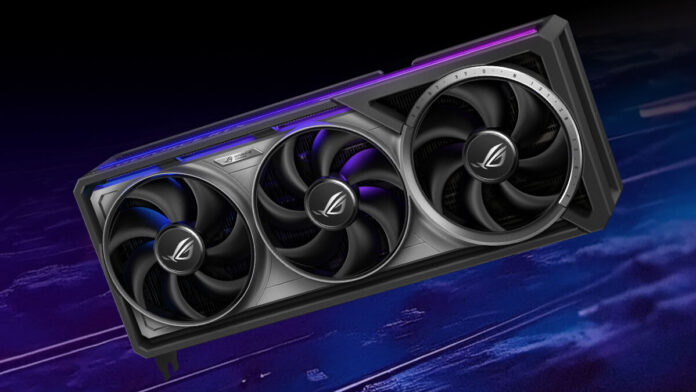
Premium-segment computer components are designed to handle extreme temperatures and high power consumption, but even flagship devices can present unpleasant surprises after a prolonged period of intensive use. Recently released data shows that the ASUS ROG Astral GeForce RTX 5090 graphics card left clearly visible thermal marks on the PCH system logic cooling heatsink, which is installed on a top-tier motherboard from ASUS.
Read also: AERONAUT – everything that flies above the ground: aviation, UAVs and drones, rockets, and space
This information is based on a post by a visitor to a Taiwanese forum dedicated to computer hardware. This enthusiast built a system exclusively from ASUS components, pairing the ROG Astral RTX 5090 graphics card with the ProArt X870E-Creator WiFi motherboard inside the ProArt PA602 case. About half a year later, the owner removed the graphics card and discovered clear signs of heat damage on the metal surface of the chipset heatsink directly beneath where the graphics card had been mounted. Some of the resulting residue was removed with a damp cloth, but certain marks proved stubborn and remained on the metal.

This incident clearly demonstrates the enormous amount of thermal energy generated by the RTX 5090 graphics processor during operation. NVIDIA has specified a Thermal Design Power (TDP) of 575 W for this device; but under maximum gaming loads, when performing AI-related tasks, or during sudden spikes in power consumption, this figure can increase significantly. The Astral model’s massive cooling system, equipped with three fans, directs hot airflow downward, which, under conditions of inefficient air circulation inside the system unit, leads to prolonged thermal stress on nearby components.
Motherboard heat sinks are typically designed to operate under high-temperature conditions. Of far greater concern is the condition of the microchips located directly beneath these metal plates. Prolonged and concentrated heat exposure can reduce the operational lifespan of these semiconductor components, which in the long run may negatively affect the overall durability and stability of the entire motherboard.
The ROG Astral model has repeatedly been the focus of media attention since its market launch due to various technical issues, including instances of 16-pin power cables melting, black screens during operation, as well as isolated early incidents of capacitors catching fire. In addition, reports emerged that the first batches of graphics cards were shipped with defects, specifically the absence of certain rasterization units. In response, ASUS developers implemented improved power monitoring features in their highest-end models; however, such teething problems are an inevitable consequence of attempts to squeeze the maximum potential out of next-generation hardware.

Owners of computer systems equipped with a 5090 graphics card, especially when using it for extended periods for AI tasks, digital content creation, or long gaming sessions, are advised to carefully monitor internal case temperatures and ensure efficient airflow. It is essential to ensure proper ventilation of the system, verify that all connecting cables are securely fastened in their sockets, and periodically conduct visual and temperature inspections of the system to identify any abnormal areas of overheating.
At this time, the situation described appears to be an isolated incident; however, it serves as a serious reminder that high-performance graphics cards operate at very high temperatures.
See also:
- ASUS Zenbook A16 UX3607 Review: Bringing Qualcomm to Mainstream
- ASUS ROG Strix Morph 96 Wireless Review: Hot-Swap Functionality and Thoughtful Customization