




© ROOT-NATION.com - Use of content is permitted with a backlink.
The DRAM market is entering a phase of structural instability that appears to be systemic rather than temporary or cyclical in nature.
This is not another short-term demand fluctuation, seasonal shortage, or speculative price increase that periodically affects the semiconductor industry. Instead, current developments point to a deeper shift in industry priorities, in which the mass consumer electronics segment is gradually losing its strategic importance. The following sections examine the underlying factors behind this transition.
Read also: All the interesting analytics on Root Nation
TABLE OF CONTENTS:
DRAM Prices Are Rising
Memory manufacturers are increasingly reallocating production capacity toward higher-margin segments, including server-grade DRAM, memory for data centers, cloud infrastructure, and artificial intelligence systems. These areas typically offer long-term contracts, more stable demand, and better profitability.
By contrast, the notebook and smartphone markets remain highly price-sensitive and provide less predictable sales volumes. As a result, commodity DRAM for consumer devices is becoming a constrained resource, with prices rising faster than end-product manufacturers are able to absorb or offset through cost optimization.

The effects of this transformation are not expected to be delayed and are likely to become visible as early as 2026. One of the first consequences will be a revision of baseline hardware configurations in laptops and smartphones. In an effort to keep products within established price ranges, manufacturers are increasingly likely to reduce the amount of installed RAM rather than raise retail prices directly.
These changes will be felt most strongly in the mid-range and budget segments, which have traditionally served as a balance between cost and performance. It is in these categories that a gradual erosion of standards is likely to occur: configurations that until recently were considered baseline and sufficient for everyday use will increasingly disappear or be repositioned as more expensive “upgraded” variants. As a result, the structural crisis in the DRAM market is beginning to affect not only manufacturing economics, but also the practical capabilities of mainstream consumer devices in the coming years.
What Is Really Behind the DRAM Crisis
The causes of the current problems in the DRAM market run much deeper than they may initially appear. This is not a one-off disruption in supply chains, nor a temporary spike in demand. Rather, it reflects a deliberate reallocation of resources across the semiconductor industry – a process that is already producing tangible consequences for mass-market consumers.
The primary driver of the DRAM shortage is manufacturers’ shift toward higher-margin segments. Memory products for data centers, servers, and artificial intelligence systems generate significantly more profit than the large volumes of chips used in laptops and smartphones.
Enterprise customers typically purchase in large volumes, enter into long-term contracts, and are willing to pay a premium for supply stability. For manufacturers, this translates into predictable revenue and lower risk. The mass market, by contrast, remains highly price-sensitive: even modest cost increases can quickly affect sales of specific models or brands.
In this context, the choice facing memory manufacturers is straightforward: priority is given to segments with higher margins and more stable operating conditions.
Against this backdrop, DRAM production for consumer electronics is increasingly deprioritized. Even when demand for laptops and smartphones shows signs of growth, memory makers are reluctant to expand output. The reason is pragmatic: investments in semiconductor manufacturing are capital-intensive and have long lead times, and misjudging demand can result in losses measured in billions of dollars.
Expanding production takes years, and over that time the market landscape can change significantly. Manufacturers clearly remember past periods of oversupply, when excess DRAM capacity led to sharp price collapses and substantial financial losses. As a result, many now favor a more cautious approach – preferring constrained supply and higher prices over surplus and margin erosion.
This has led to a situation that is increasingly difficult to describe as accidental. Limited DRAM availability is becoming, in effect, a managed condition that helps sustain favorable pricing levels. While this is a rational business strategy for chip manufacturers, it represents a significant challenge for the consumer electronics market.
Rising contract prices for DRAM directly increase the production costs of laptops and smartphones. However, manufacturers of finished devices have very limited room for maneuver: mass-market consumers are generally unwilling to pay significantly more simply because component prices have increased.
Read also: Gift Ideas for Gamers This Christmas
Price Pressure and Limits on Increasing Device Costs
As a result, manufacturers are increasingly opting for a compromise: reducing specifications to manage costs. The simplest and least noticeable step from a marketing perspective is to lower the amount of installed RAM. Outwardly, the device appears as a “new model,” but its baseline capabilities may actually be more limited than those of its predecessors.
In this way, the DRAM shortage shifts from being an internal industry issue to a factor that directly affects the quality and longevity of mass-market devices. As long as semiconductor industry priorities remain unchanged, this trend is likely to continue and even intensify.
Rising DRAM prices directly increase the cost of consumer electronics, but the ability to pass these costs on to buyers is limited. The mass market, particularly the mid-range segment, is highly price-sensitive, with intense competition between brands.
Under these conditions, manufacturers are compelled to optimize device configurations. RAM becomes the most convenient lever for cost reduction, as its capacity can be adjusted without altering the device’s design. Reducing memory does not require platform reengineering, and for many consumers, this specification is not a decisive factor when making an initial purchase.
Read also: What to Give a Blogger for Christmas
Mid-Range Segment: Degrading Standards as the New Norm
The mid-range segment is bearing the brunt of the current DRAM crisis. This class of devices has long been considered the optimal balance of price, performance, and longevity. A de facto standard of 16 GB of RAM emerged here, widely accepted as the baseline for comfortable operation with modern operating systems, applications, and multitasking.
By 2026, this standard is effectively disappearing. Configurations with 16 GB of RAM are no longer regarded by manufacturers as mandatory for the mid-range. Instead, there is a return to 8 GB in base laptop models, which will still be marketed as “mid-range,” even though their actual hardware capabilities increasingly resemble yesterday’s budget-level devices.
Models with 16 GB of RAM will certainly not disappear, but their status is changing: they are being repositioned as “upgraded configurations,” accompanied by a noticeable price premium. As a result, devices that were once widely accessible are becoming niche options for buyers willing to pay extra to maintain higher performance. This shift undermines a key value of the mid-range segment – affordable access without significant compromises.
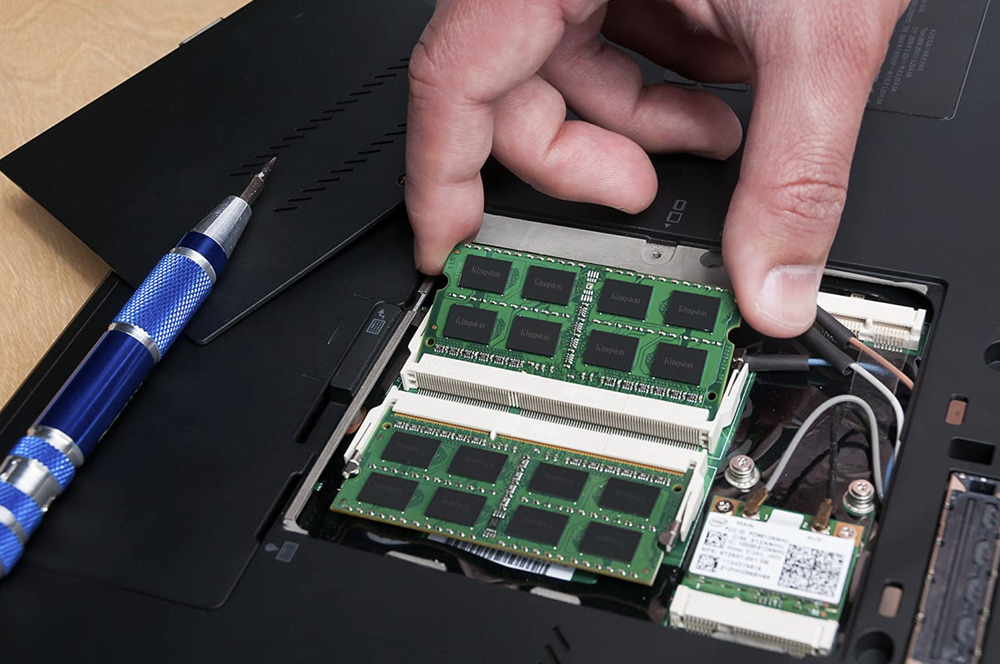
The most concerning aspect of this trend is that the degradation occurs subtly rather than openly. Product lines continue to be refreshed, model names remain current, and marketing still promotes “new generations,” yet baseline configurations are effectively weaker. On paper, the market appears to be progressing, but in reality, the average level of performance is starting to decline.
In the long term, this signals a structural shift: the mid-range segment is losing its role as the default choice for most users. It no longer guarantees a performance buffer for several years and increasingly forces consumers either to accept limitations or exceed their planned budgets. In this way, the erosion of standards is ceasing to be an exception and is gradually becoming the new norm for the mass-market laptop segment.
Read also: What to Get Your Parents for Christmas
Smartphones: Resource Compression Amid Rising Demands
In the smartphone segment, developments largely mirror those seen in the laptop market, but with a crucial difference – there is far less performance margin. Whereas RAM capacity previously increased gradually with each new generation, providing at least a minimal buffer for future needs, this process has effectively stalled. In some cases, resources are not only stabilizing but even being reduced.
For 2026 mid-range models, base configurations increasingly feature 6–8 GB of RAM. On the surface, this may not seem critical, as such capacities were considered adequate until recently. The fundamental shift lies elsewhere: 12 GB of RAM is gradually moving out of the mass-market segment and into the upper-mid or semi-premium tier, where it serves as a justification for higher prices rather than a baseline for comfortable daily use.
The main issue in this process is its asymmetry. Mobile operating systems, manufacturer skins, background services, and applications are not becoming lighter; on the contrary, they grow more complex each year. They increasingly rely on multitasking, constant synchronization, and background data processing. As a result, hardware resources remain largely unchanged while system demands continue to rise.
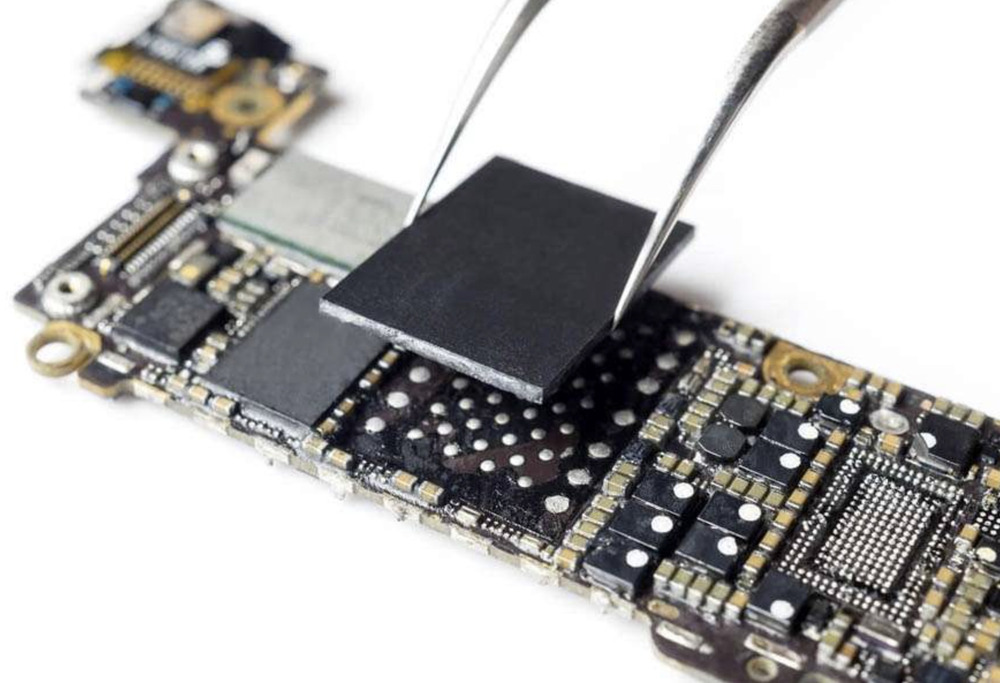
This creates a cumulative effect that may not be immediately noticeable after purchasing a device. A smartphone may perform adequately in the first few months, but over time users encounter aggressive app closures in the background, slower interface response, and increased latency when switching between tasks. These issues are particularly pronounced in modern mobile games, navigation apps, and scenarios involving active multitasking.
Thus, RAM compression in smartphones is not merely a cost-optimization measure. It represents a systematic narrowing of the functional capabilities of mass-market devices, gradually reducing their suitability for long-term use. Generations of devices may continue to roll out, but the overall consumer experience at the mid-range level stagnates – a key indicator of deeper structural issues in the market.
Read also: Gift Ideas for a Logitech Enthusiast This Christmas
Budget Segment: Regression as a Price-Preservation Tool
In the budget segment, the effects of the DRAM shortage are most direct and pronounced. While the mid-range experiences gradual degradation of standards, the budget category sees deliberate regression employed by manufacturers as a means to maintain minimum price thresholds. Here, cost-saving on specifications is no longer an exception – it has become a baseline strategy.
For laptops, the situation appears relatively stable. Eight gigabytes of RAM remain the lower threshold, below which manufacturers can scarcely go without risking incompatibility with modern operating systems and basic usage scenarios. Windows 11, background services, web browsers, and office applications already require this minimum, and any further reduction would result in a clear functional shortfall.
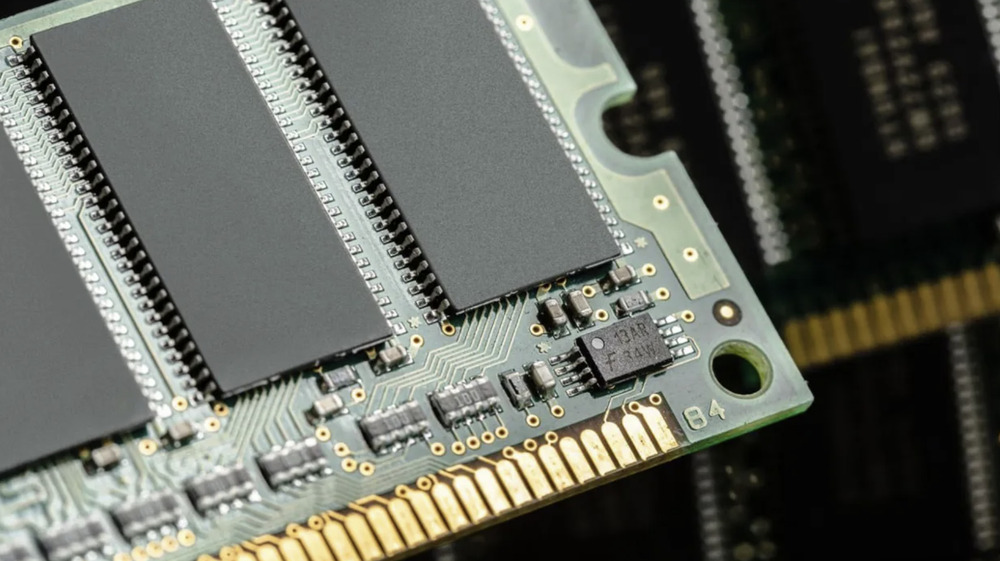
In contrast, the budget smartphone segment faces a fundamentally different situation. Here, a full rollback to 4 GB of RAM as the mass-market standard is possible. On paper, this configuration helps maintain an attractive entry price and keeps the device within a psychologically acceptable range. In practice, however, the cost of this compromise is borne directly by the user.
Modern mobile operating systems, custom interfaces, and widely used applications are no longer designed for such limited resources. As a result, owners of these devices experience aggressive background app closures, interface lag, and frequent app reloads. Using the smartphone ceases to be a seamless experience and instead becomes a series of small compromises.
In the short term, this strategy appears advantageous for manufacturers, as it allows them to maintain sales volumes and preserve the appearance of product affordability. However, the long-term consequences are far more significant. Budget devices gradually lose their status as fully functional tools, becoming temporary solutions with a limited useful lifespan.
Thus, regression in the budget segment is not an isolated phenomenon but a systemic market response to resource shortages. Here, the core issue is most evident: keeping prices low comes at the expense of basic user comfort, fundamentally altering the perception of affordable consumer electronics.
Read also: Gift Ideas for a Canyon Enthusiast This Christmas
Premium Segment: Isolation from the Crisis
Amid the degradation of standards in the mid-range and budget segments, the premium segment appears largely insulated from the DRAM shortage. Market dynamics operate differently here. In flagship devices, RAM is not primarily a cost factor but a component of the product’s competitive identity. Consequently, cutting memory in this segment is almost impossible without direct reputational consequences.
For premium laptops, 16 GB of RAM remains the unquestioned baseline, while expanded configurations of 32 or 64 GB continue to serve as differentiation tools. A similar pattern is observed in the smartphone market: 12–16 GB of RAM remains standard for flagship devices, as any reduction would immediately undermine the device’s positioning as a technological leader.
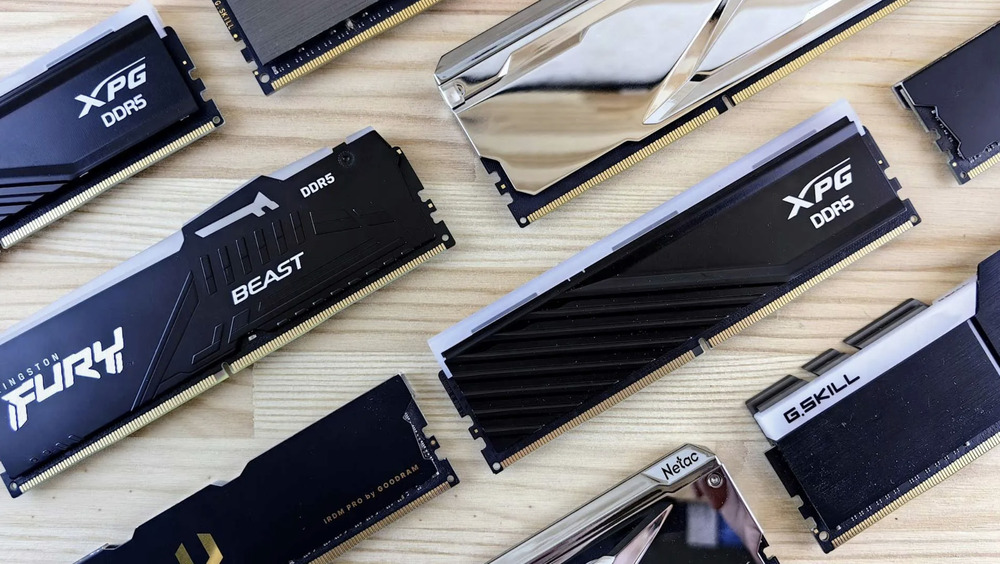
Manufacturers are well aware that premium buyers pay not only for the brand but also for the experience of uncompromised performance. Reducing RAM in this segment is perceived not as optimization but as product degradation. This is why the premium segment can maintain hardware standards even amid a broader shortage – device pricing already accommodates the cost of more expensive components.
Read also: Christmas Gift Ideas for Film Enthusiasts
What’s next?
The current state of the DRAM market clearly reflects a shift in focus toward infrastructure and corporate segments at the expense of the mass consumer. Memory is increasingly allocated to areas that offer the highest profit and strategic value – data centers, servers, and AI systems – while the mass market becomes secondary in priority.
The reduction of baseline configurations in laptops and smartphones is neither temporary nor exceptional; it is a direct consequence of the evolving economics of semiconductor production. Consumer electronics manufacturers can no longer indefinitely absorb rising component costs, and end users are unwilling to pay significantly more. As a result, compromises continue to be made in device specifications.

By 2026, consumers are likely to encounter a notable paradox: devices will continue to be marketed as “new generations,” yet their core hardware capabilities may be weaker than those of models from several years ago. This serves as a key indicator of a systemic memory market issue – a problem that does not manifest in headlines, but rather through a gradual erosion of established standards.
The memory market challenge is not a short-term disruption or a typical market cycle. It represents a structural shift across the industry, affecting not only pricing but also the underlying logic behind product design. For users, the impact is straightforward and potentially inconvenient: what was considered standard yesterday could soon become a premium feature.
Given these trends, it is worth noting that completing planned purchases of smartphones and PCs earlier this year appears to have been a timely decision.
Read also:
- Gift Ideas for ASUS Fans at Christmas
- Gift Ideas for Athletes This Christmas
- What to Get a Car Enthusiast for Christmas

