





© ROOT-NATION.com - Use of content is permitted with a backlink.

With smart home technology evolving in our world, from connected doorbells to activated assistants, there is still a risk of possible cyber threats. Cybercriminals no longer target large businesses but can also target consumers who rely heavily on Internet of Things (IoT) devices. Many breach and attack simulation (BAS) tools are becoming necessary in smart homes and aim to boost security postures.
In this article, we will explore how to protect your smart home with the support of BASD platforms, why consumers should consider this advanced tool and active practices you can take to stay ahead of any cyber threats.
TABLE OF CONTENTS:
The Rise of the Connected Consumer
Smart homes are becoming increasingly popular. According to a 2024 Statista report, over 40 million smart home devices, ranging from lights and appliances to advanced security systems, are expected to be used globally. While these innovations are promised to be effective, they also expand the risk of possible hackers.

Each device connected to your home is also connected to the network. Compared to traditional computing devices, many IoT devices can sometimes lack reliable security systems, leaving users exposed to data breaches, theft of identity and even control of home systems.
What Is Breach and Attack Simulation (BAS)?
Breach and attack simulation tools examine the different techniques and procedures (TTPs) of real-world cyber attackers to help identify vulnerabilities before attacks occur. BAS platforms have now evolved to support small businesses and ensure that businesses are security-conscious.
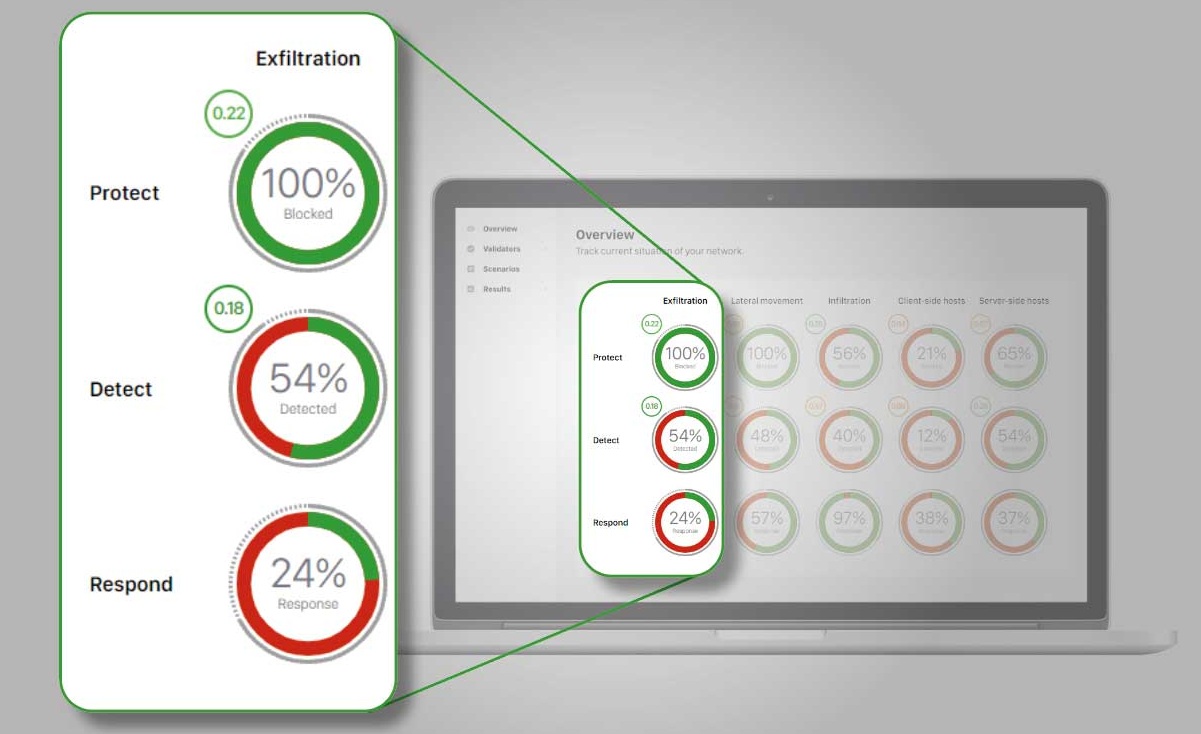
Unlike traditional scanners, BAS tools offer continuous assessments and tests to reflect the global threat landscape. They also offer insights and work to optimize defenses for businesses and homeowners.
Why Should Consumers Care About BAS?
Even though BAS can be associated with business cybersecurity, its values are also relevant to all consumers. With homes now becoming smart homes and using systems like smart TVs, baby monitors, and refrigerators, hackers can sometimes gain unauthorized access to private networks.
Consumers concerned about their digital safety will see and understand the benefits of BAS tools, which are tailored to home networks. These can help identify:
- Unsecured devices
- Weak passwords
- Vulnerable open ports
- Suspicious inbound or outbound networks
Cyber Hygiene: A Proactive Approach
Practising good cybersecurity is important for all device users. While BAS can help identify any gaps to prevent any exploitation. Here are some best practices you should consider:
- Ensure to always update firmware regularly
- Use strong passwords to avoid any default settings
- Segment your network by keeping your IoT device separate from your computer
- Install the latest software, which will help to prevent any suspicious activity.
By following these practices, you will ensure that your devices are secure while having the latest cybersecurity measures in place to prevent cyberattacks or suspicious activity.
The Role of ISPs and Tech Companies
Internet Service Providers (ISPs) and tech companies are now reflecting on the importance of BAS tools for homes. Some now offer security solutions and cybersecurity services. These tools can help monitor suspicious behavior and ensure that all connected devices are secure.

Tech companies and Internet Service Providers (ISPs) should understand the importance of these advanced tools and integrate them into their systems to stay ahead of potential breaches and analyze devices for vulnerabilities.
How to Get Started with BAS at Home
Sometimes, BAS platforms can be too complicated to understand or expensive for consumers; simplified versions are now increasingly accessible. Look for tools that:
- Offer easy-to-use systems
- Automatically scan your network or devices
- Provide clear guidance
- Receive regular updates
Many cybersecurity companies now offer free scans or trials, which are reliable ways to understand the value of BAS within your home.
Authoritative Voices on the Matter
According to the National Institute of Standards and Technology (NIST), proactive testing and vulnerability assessments are important for cybersecurity postures. Their guidelines reflect the need for advanced tools to stay ahead of cyber attacks and receive real-time threat emulation to protect digital systems.
Conclusion
Increased responsibility is important in the digital world. With smart homes becoming popular, our approach to security should be at the forefront. Breach and attack simulation isn’t only for large businesses; now, advanced tools support consumers in protecting their systems. Whether through BAS tools or bundled ISP offerings, the key lies in taking the first step to understand how to mitigate cyber risks at home.
Take your cybersecurity to the next level and invest in the right breach and attack simulation tool to help keep your devices and smart home secure in 2025.

