





© ROOT-NATION.com - Use of content is permitted with a backlink.
The new series set in the world of Westeros appears, at first glance, to present a straightforward knightly narrative. However, stories centered on characters from King’s Landing have rarely been simple. At the outset of the series, attention turns to its position alongside other projects in the franchise, the geopolitical references embedded in the narrative, and the fan theories that underpin established Westerosi lore. Spoilers ahead.
Read also: All articles and reviews of movies and TV series

TABLE OF CONTENTS:
Context
George R. R. Martin, the creator of the Westeros universe, is known for an unconventional approach to his writing schedule. The Winds of Winter, the next installment in A Song of Ice and Fire, has been in development for nearly 16 years. A Knight of the Seven Kingdoms was released as a side project in the form of short novellas and also unfolded over a prolonged period of roughly 12 years. HBO Max has repeatedly adjusted its release strategies: Game of Thrones aired with year-long gaps between seasons, while House of the Dragon has a two-year hiatus planned between its second and third seasons. A Knight of the Seven Kingdoms follows a similar pattern, with its release shifted from late 2025 to January 2026.

Beyond production schedules and filming challenges, there are additional contextual layers that point to a harsher global discourse. The political dynamics of Westeros echo contemporary realities, with parallels often drawn to institutions such as the United Nations, the Security Council, and the Iron Bank as an analogue to the International Monetary Fund.
Read also: How and Why Brands Collaborate with Film
The Plot of A Knight of the Seven Kingdoms
Martin constructs his broader narrative in fragments. Chronologically, A Knight of the Seven Kingdoms is set between the events of House of the Dragon and Game of Thrones, roughly 90 years after the conflict between Rhaenyra and Alicent and about 90 years before Robert Baratheon’s visit to Winterfell. In the history of Westeros, this is a comparatively stable period, though it unfolds against the backdrop of a frozen conflict following the Blackfyre Rebellions, led by a cadet line of Targaryen bastards.
Dragons – and the existential fear they inspired – are no longer present. The Targaryen hold on the Iron Throne remains largely secure, challenged primarily by the lingering claims of the Blackfyres. A Knight of the Seven Kingdoms engages with these dynamics indirectly, situating its story within this unsettled but outwardly calm phase of Westerosi history.
At the center of the story is a solitary knight named Dunk, the son of a prostitute from the slums of King’s Landing. His status as a knight is itself ambiguous. He previously served as the squire to Ser Arlan of Pennytree and claims that Arlan knighted him shortly before his death. There were no witnesses to this act, and Dunk’s own account is marked by uncertainty. He presents his story without confidence, to the extent that many of those he encounters respond with open skepticism or ridicule.

The events of the first episode revolve around a knightly tournament in which Dunk intends to compete in order to gain recognition and earn money. It is there that he meets a boy named Egg. A widely known spoiler among Martin’s readers is that Egg is later revealed to be Aegon V Targaryen, with Dunk becoming his protector and close companion.
The story of Dunk and Egg is often described as relatively simple when compared to the large-scale political conflicts found elsewhere in Martin’s work. The paradox, however, lies in the fact that anyone with even a basic familiarity with the world of Westeros understands that such a story is unlikely to remain straightforward for long.
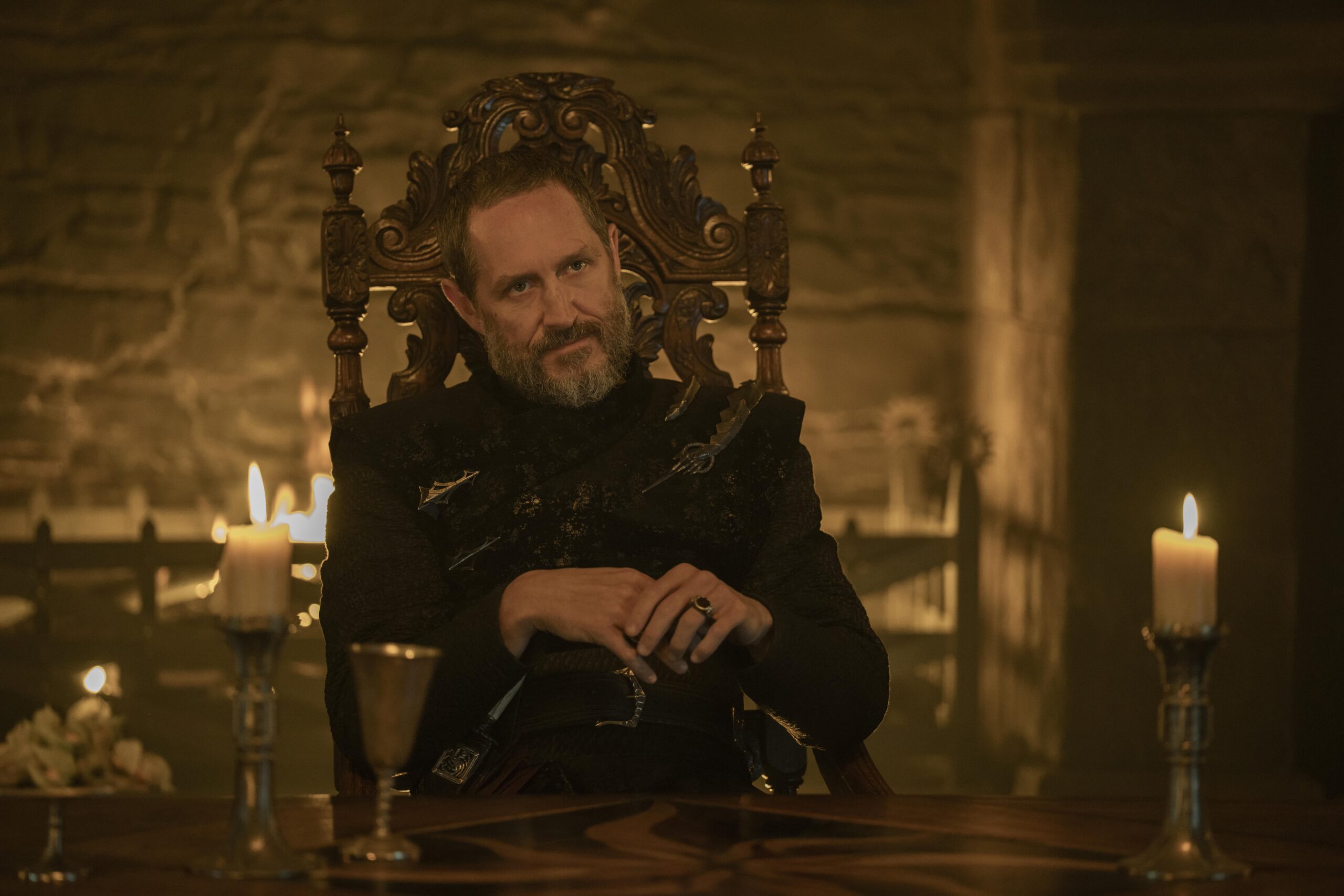
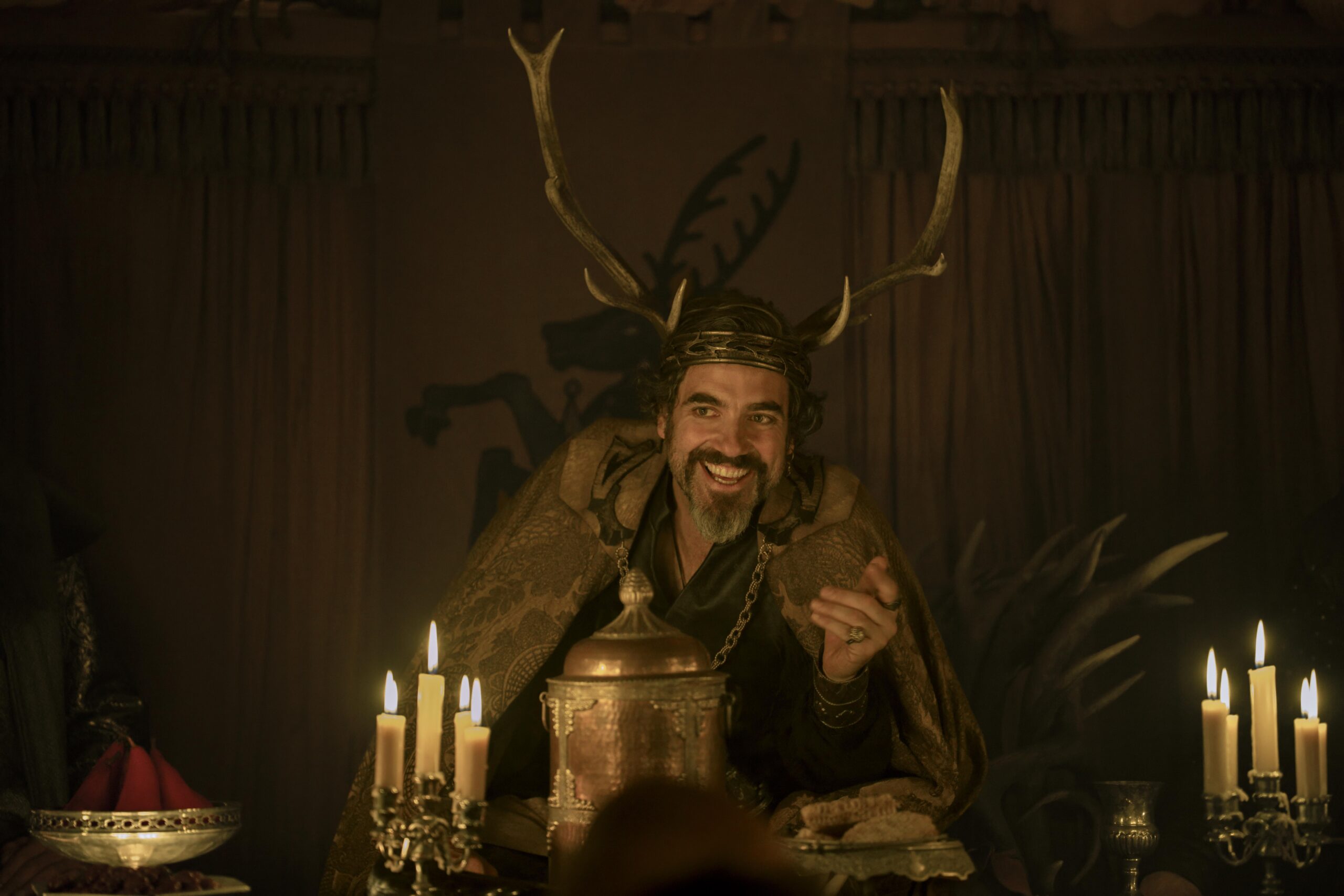
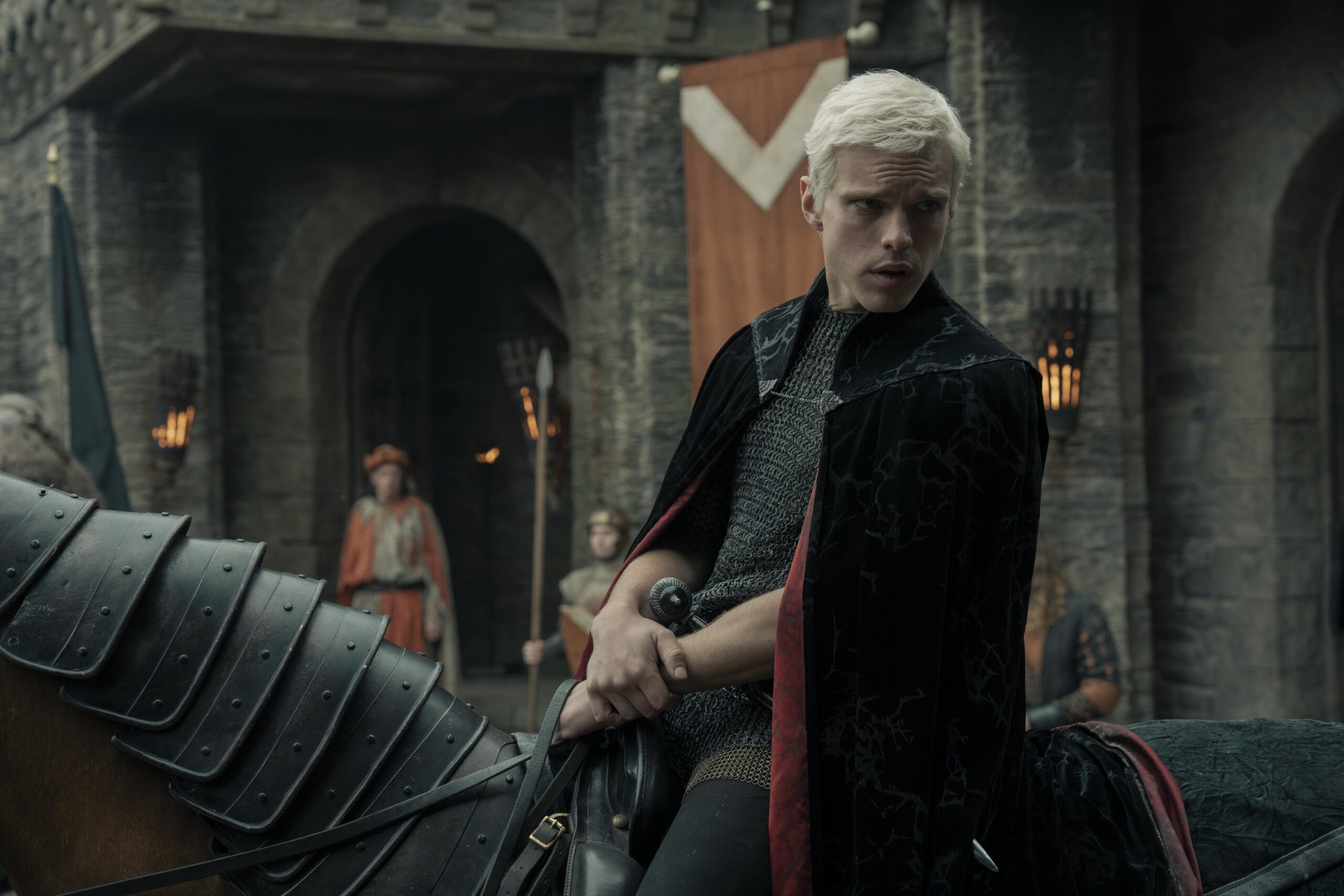
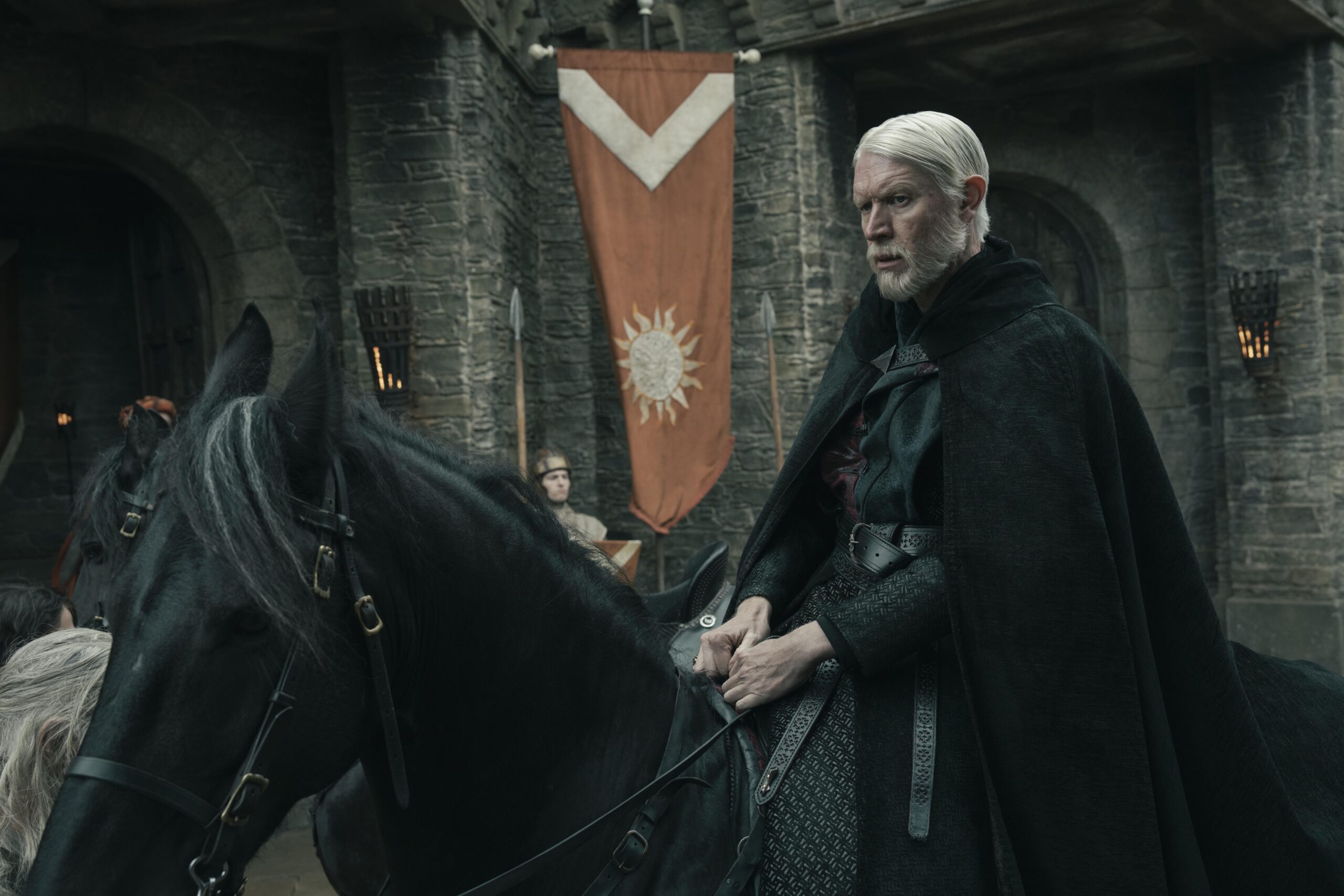
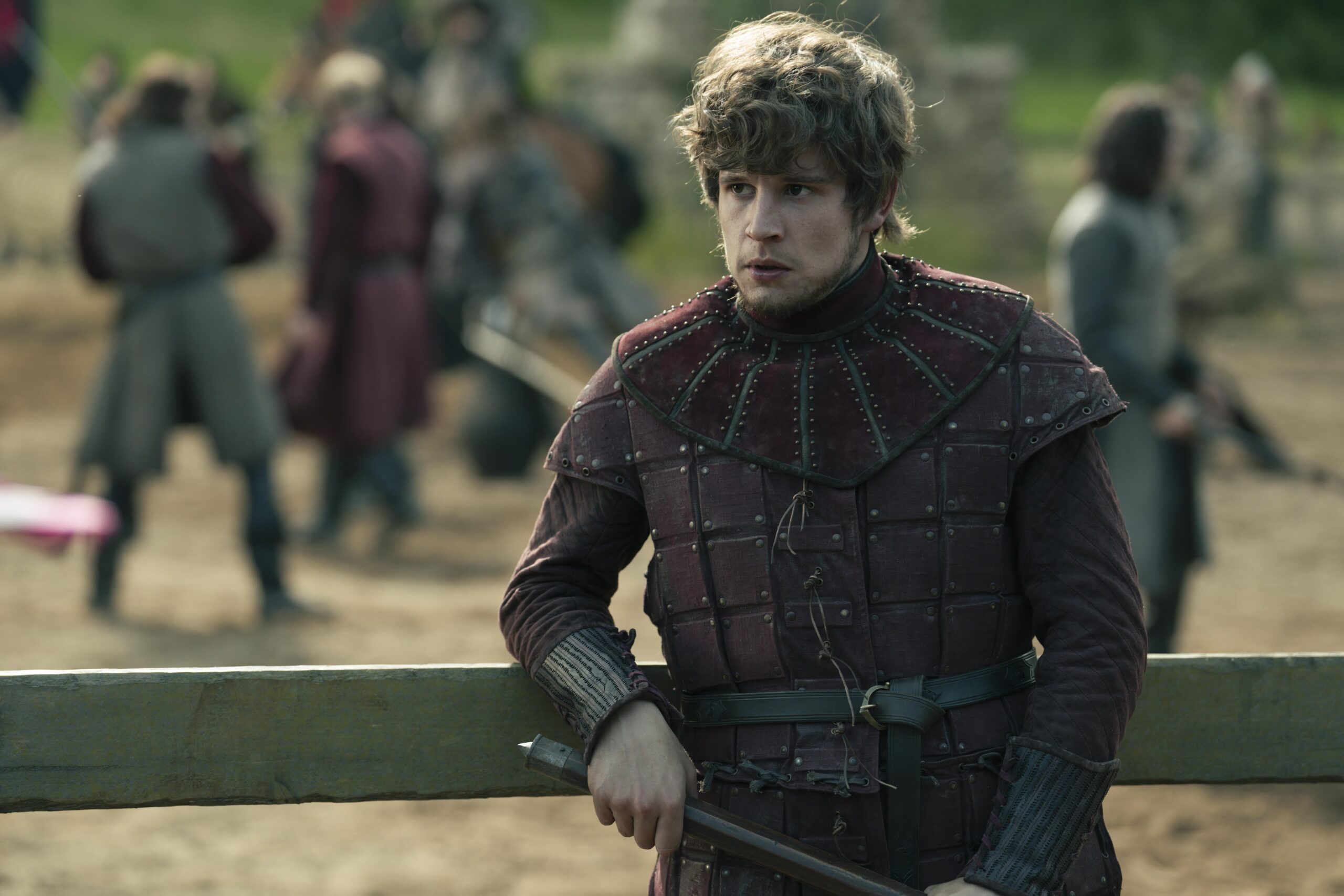
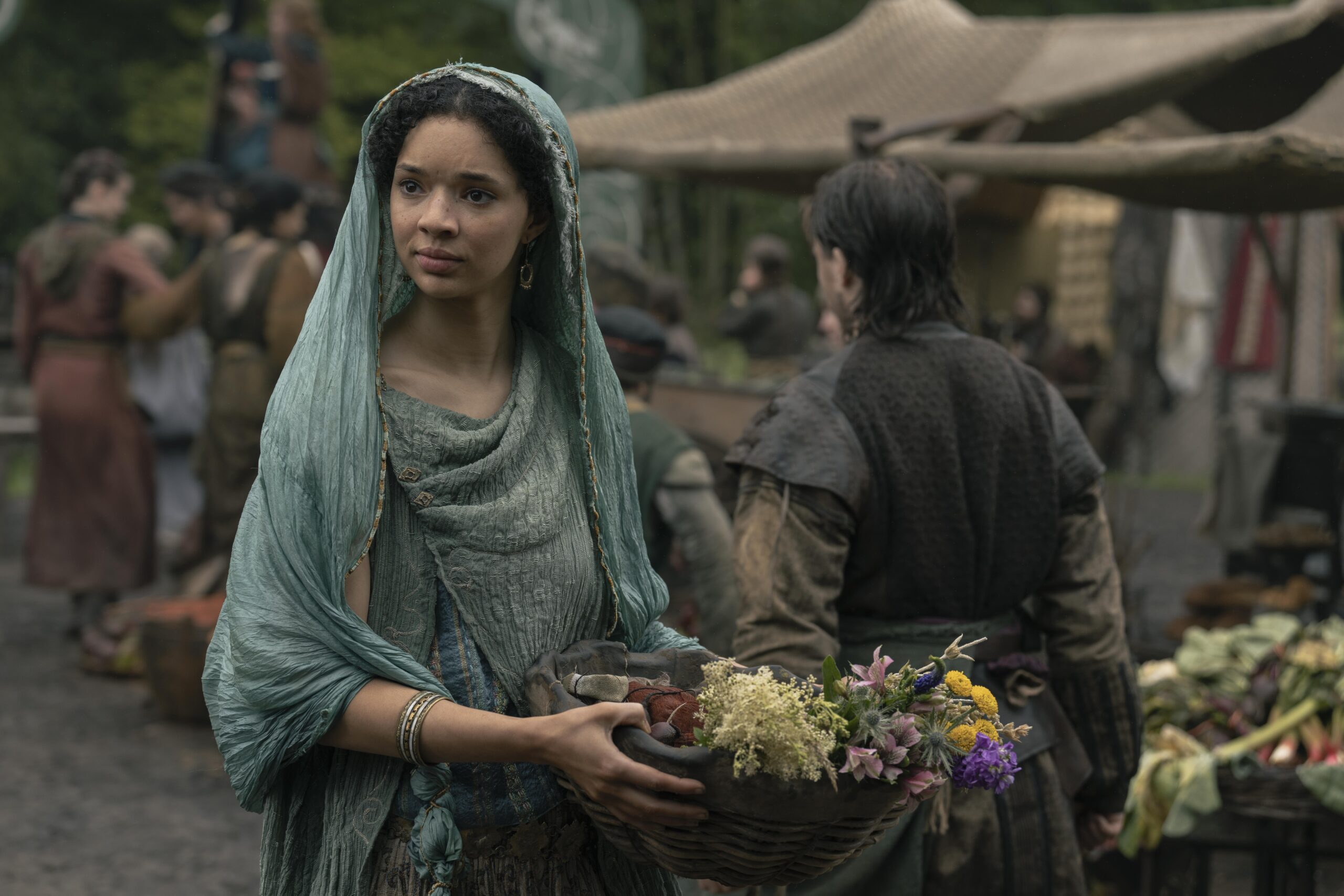
The first episode includes a symbolic scene involving the drunken muttering of Daeron Targaryen, who attempts to drown his “dragon dreams” in alcohol. Prophetic visions associated with Valyrian bloodlines occupy a distinct place within the franchise’s narrative framework, as they simultaneously foreshadow events and mislead those who experience them. These dreams were intelligible within the context of ancient Valyria, but following the decline of the dragons, they appear to have become a myth in their own right. The ability to bear and interpret this prophetic burden has also faded, leaving later generations of Targaryens with little more than instability or madness. This broader context of imperial decline forms a structural backdrop for Martin’s larger body of work and its screen adaptations.
Against this background, the story of Dunk and Egg stands in deliberate contrast. Its tone is restrained and straightforward, and the characters initially resemble approachable, almost folkloric figures. Egg appears to be among the least likely claimants to the throne, allowing the narrative to present itself, at least superficially, as a series of modest knightly adventures. However, the revelation of Egg’s identity as Aegon reframes the story: what seems to be a simple tale of companionship and travel ultimately functions as an account of how political power is acquired and legitimized.

Other commentators draw parallels with Jon Snow, often citing the idea that his metaphorical coin landed on the favorable side because he was raised by Ned Stark. The development of the young Aegon under the guidance of the morally grounded Dunk is similarly framed as the formation of a good ruler, whose own “coin toss” resolves only at the end of his life, during the tragedy at Summerhall. Aegon understood the political significance of prophecy as a tool for maintaining authority. Part of his later life was devoted to attempts to restore dragons, including unsuccessful efforts to awaken dragon eggs.
In this sense, what begins as a modest coming-of-age story centered on friendship and personal growth – one that ultimately produces a capable ruler – once again collides with the harsher logic of larger historical forces. Within Martin’s broader mythology, the role of the Targaryens is not merely to rule, but to preserve Westeros. Their acceptance of this role through the exercise of power explains both their continued presence in history and the eventual emergence of Jon Snow in the final conflict. The narrative suggests that salvation does not occur through simple intervention; it requires participation in history itself, with understanding achieved only through error, failure, and consequence.

Relevance
The decline of empires in the real world is a relatively recent phenomenon. The Holy Roman Empire dissolved in the early nineteenth century, yet its legacy can still be traced in later attempts to construct new mythologies, such as the monumental architecture of the Third Reich, which sought to build symbolic continuity on the ruins of earlier imperial forms. The British Empire and other colonial powers fragmented in the aftermath of the Second World War. Against this historical background, the narratives promoted by contemporary aggressor states appear anachronistic, as the imperial model has largely lost its legitimacy in modern political discourse.
Empire, as a concept, is less about territorial control than about a specific mindset: a dominant center and peripheral regions that exist primarily to reinforce it. Within such a system, political agency is concentrated almost exclusively in the center. Imperial mythology typically includes a process of sacralization, often expressed through a narrative of salvation. In Westeros, Aegon the Conqueror is said to have come to save humanity from the apocalyptic threat foretold in prophecy. However, the way the history unfolds raises a critical question: was the history of the Seven Kingdoms shaped as it is because its actors believed in and acted upon this legend, or did later chroniclers simply reframe events so that they aligned with an established myth of good versus evil?
Seven reasons to watch The Knight of the Seven Kingdoms

- The series adopts a new narrative approach: it emphasizes humor and heartfelt moments over the traditional power struggles and political intrigue seen in House of the Dragon.
- It maintains a clear genre focus on knightly adventures.
- The story provides context for a previously underexplored period in Westeros history – between major wars and before the emergence of the Baratheon line.
- Part of the narrative covers the Blackfyre Rebellions, led by a cadet line of semi-legitimate Targaryen bastards claiming the throne. This story also introduces a “grey cardinal” figure, Brynden Rivers, another Targaryen bastard with ambitions of power, linked to the Three-Eyed Crow, the seer who mentors Bran Stark.
- At the center are the Targaryen generations whose actions, through children and grandchildren, have a lasting influence on Game of Thrones. Egg eventually becomes king and pursues the revival of dragons, while Aemon renounces the throne to become a maester of the Night’s Watch, where he meets Jon Snow.
- The tragedy at Summerhall, which results from Egg’s pursuits, remains one of the greatest mysteries of the Seven Kingdoms. Like the terrifying Harrenhal, which in House of the Dragon serves as a refuge for Damon’s prophetic dreams, Summerhall functions symbolically as the site where a critical thread of Targaryen history is consumed by fire.
- The central character, Dunk, is a bastard from the slums of King’s Landing, the son of a prostitute, which raises the question of his paternity. Martin’s novellas leave this unanswered, though fan theories suggest Dunk may himself be a Targaryen. Once again, the swirl of history and legend begins to turn.

The first episode of the first season is available on HBO Max and on the partner service MEGOGO.
Read also:
- Overview of The Pitt Season 2, Including Actor Interviews for Root-Nation
- HBO’s “Task”: Ruffalo, Pelfrey, and Jones in a Story of Moral Dilemmas (+ Actor Interviews)

