




© ROOT-NATION.com - Use of content is permitted with a backlink.
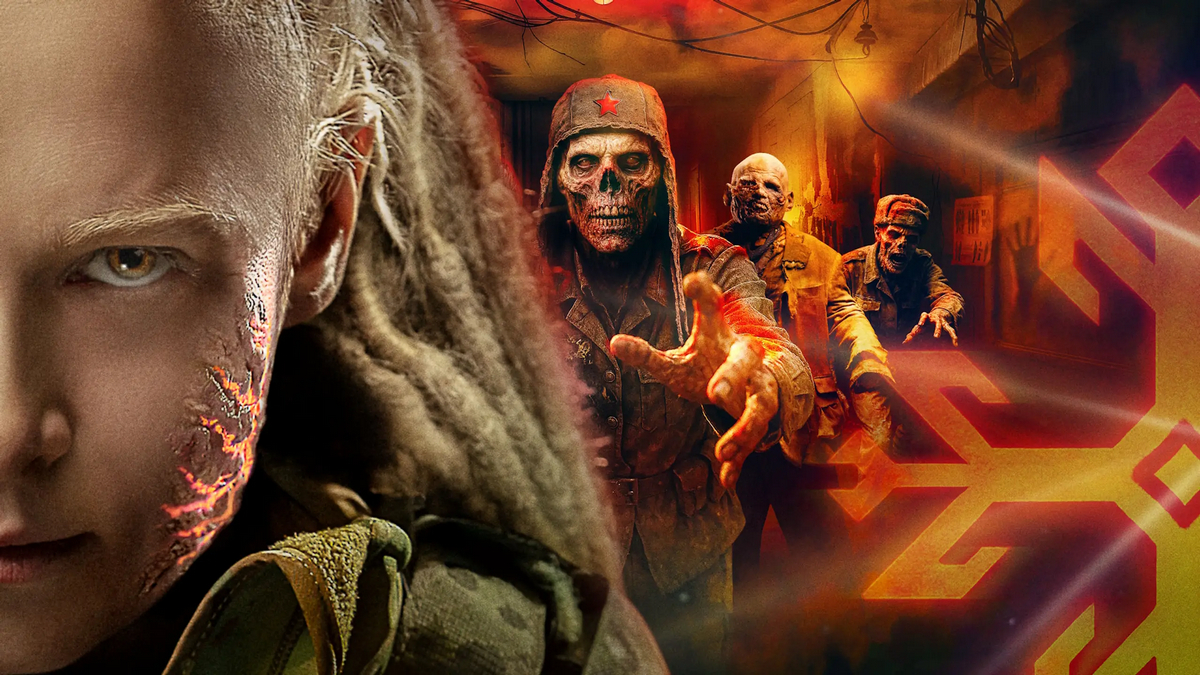
On October 1, in observance of Defender’s Day, the Ukrainian horror film The Dam, directed by Oleksiy Taranenko, was released in theaters. The film is presented as the first full-length Ukrainian zombie horror incorporating combat sequences, and the creators describe it as the country’s first anti-Soviet action feature.
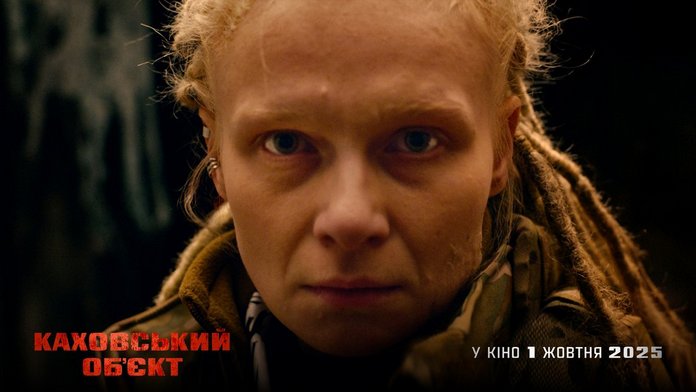
The film expands on the mythological universe established in The Konotop Witch and is part of the Cinematic Heroines of Dark Times series, which focuses on Ukrainian women’s resilience and challenges Soviet-era stereotypes. This review examines how The Dam blends genre conventions with political subtext and national trauma, and considers whether it could signal a new wave in Ukrainian genre cinema.
Read also:Review of the Series “Alien: Earth” – But Why?!
TABLE OF CONTENTS:
Filming
The Dam was produced on a limited budget but with considerable creative ambition. Director Oleksiy Taranenko – known for I Work at the Cemetery – collaborated with producer Iryna Kostiuk and the Film.UA team to pursue a genre-focused approach, combining elements of exploitation, camp, and irony. The shooting schedule was relatively short, lasting about six weeks, and primarily took place in Kyiv-based locations, including an abandoned dairy factory, industrial spaces on Dehtiarivska Street, and adapted interiors within a research institute. Some scenes featured up to thirty “zombies” on set simultaneously, with the team designing more than a hundred distinct looks for them.
Particular attention was given to working with the cast and achieving realism in the combat sequences. The lead roles were played by Maryna Koshkina, Volodymyr Rashchuk, Oleksandr Yatsentyuk, Dmytro Pavko, Andriy Podliesnyi, and Mykhailo Dzyuba. All actors underwent an intensive three-week training program with military consultants, focusing on movement, weapon handling, and team dynamics. This preparation allowed scenes to be filmed with minimal takes while maintaining plausible character behavior under stress. At the same time, the makeup and costume teams developed around a hundred unique zombie and monster designs – using more complex techniques for close-ups and faster, practical methods for crowd scenes.
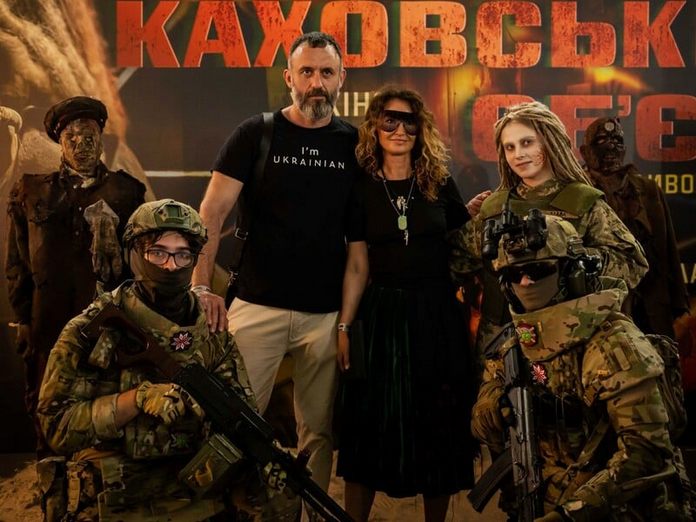
The film’s visual approach relies on unconventional camera angles, active camera movement, and aggressive editing, creating a dynamic and intense pace. The cinematographer emphasized bold compositional choices to compensate for limited sets and to evoke a sense of continuous tension in the viewer. Post-production editing was completed efficiently, employing cut sequences and techniques designed to maintain the film’s rhythm and tonal consistency.
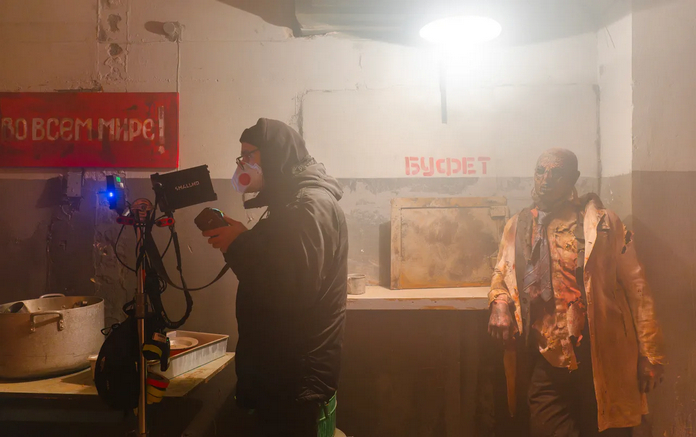
Despite production challenges, the team managed to achieve a coherent visual identity and clear genre positioning. The film functions as an energetic B-movie with its own style, turning limitations into deliberate artistic choices. The ending includes hints at potential sequels and further development of the shared universe, giving the project room for additional stories and crossovers. Overall, The Dam appears as a technically considered effort that makes the most of available resources to deliver a distinct genre experience.
Additionally, the band KARNA created a track titled Atomy specifically for The Dam. The song plays a key emotional role, featured in the final scene to underscore the drama and tension of the events. The track is also visually connected to the film, as its music video was shot at the same locations used in the production. KARNA’s music conveys a sense of chaos and struggle, highlighting themes of survival, fear, and humanity, thereby enhancing the audience’s perception of the story through the lens of genre cinema. Atomy was first performed live during Ukraine’s Independence Day celebrations in Kyiv. Other tracks by the band – such as Rhythm, Party in Prykarpattia, Fire, Richard from the Mountains, and Please, Sir, to the Spruce – also feature in the film, contributing to a layered musical landscape.
Read also: HBO’s “Task”: Ruffalo, Pelfrey, and Jones in a Story of Moral Dilemmas (+ Actor Interviews)
Plot (no spoilers)
The story unfolds in the aftermath of the Kakhovka Dam explosion.
On the night of June 6, 2023, Russian forces detonated the Kakhovka Hydroelectric Plant dam, resulting in at least 34 deaths and 28 injuries, with nearly 40 people reported missing. Residents and domestic animals were evacuated from three flooded areas.
In the film, a Ukrainian unit led by a heroine known as Mara is assigned a mission that could prove critical for the country’s survival. During their operation, they discover a hidden Soviet-era bunker previously used for cruel human experiments. The consequences of these experiments persist, manifesting as undead soldiers who have turned into zombies.
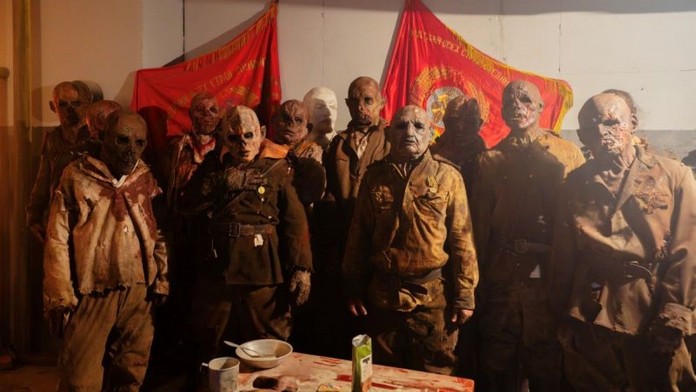
To survive and complete their mission, Mara and her team must confront not only the zombies but also their own fears and internal conflicts. Trust among the team members becomes essential, as disagreements and doubts can have life-threatening consequences.
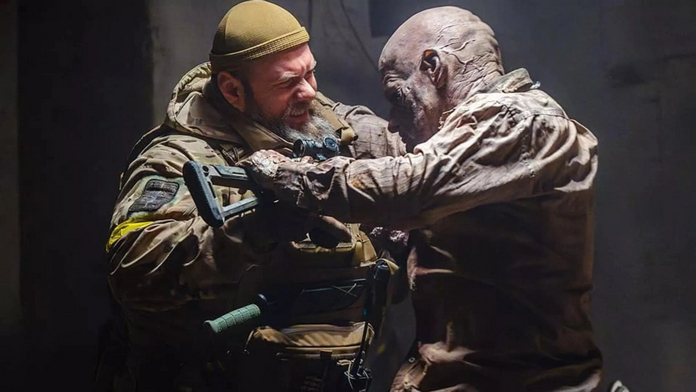
The film also carries a significant ideological dimension. The bunker represents the Soviet past and totalitarianism, which, though formally in the past, continue to exert a suppressive influence, manifesting as a sinister threat that must be confronted. The narrative combines tense combat sequences with psychological conflict, exploring themes of courage, survival, and the struggle against the lingering shadows of history.
Social and political context
The Dam incorporates a distinct concept of anti-Soviet horror, expressed through both visual and narrative elements. Zombies adorned with Soviet symbols, walls featuring portraits of leaders, and other period-specific props create a sense of a mystical threat, where history and memory themselves become sources of fear. These elements function beyond mere decoration, transforming aspects of Soviet cultural heritage into symbols of internal and external danger, adding a unique tone and political subtext to the film.
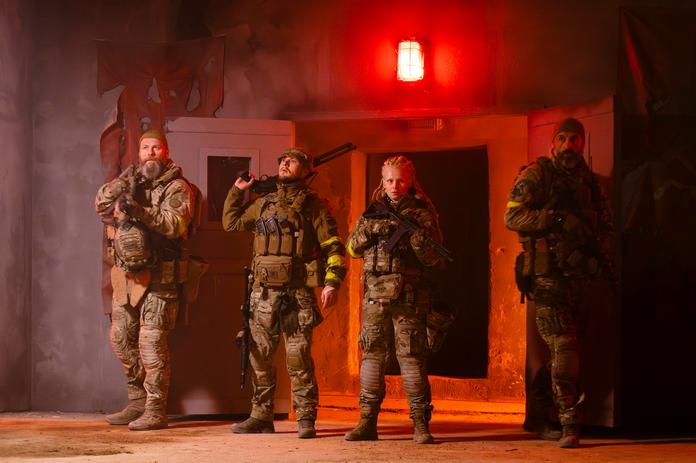
The film’s anti-Soviet tone emerges through the contrast between the heroic struggle of the living and the supernatural manifestation of the past in the form of zombies. This approach allows viewers to experience psychological tension while also reflecting on historical traumas and the mechanisms of power that have left lasting impressions on generations. By situating the narrative against a backdrop of Soviet symbols, the director brings collective fears accumulated over decades to the surface, illustrating how the past can literally haunt the present.
&pp=ygUg0JrQsNGF0L7QstGB0YzQutC40Lkg0L7QsSfRlNC60YI%3D
In this way, the anti-Soviet concept in The Dam functions not merely as a visual device but as a conceptual foundation that enhances the thriller’s atmosphere and adds depth to the genre experiment. It transforms standard zombie-apocalypse motifs into a form of intellectual and cultural reflection, making the film a notable contribution to contemporary Ukrainian cinema.
Read also:Goodbye, “You”: Review of Final Season of “Romantic Killer” Story (No Spoilers)
The anatomy of tragedy through genre form
The Dam does more than experiment with genre – it uses catastrophe as a metaphor for humanity’s struggle to survive amid madness and destruction. Beneath the layers of action and post-apocalyptic chaos, a profound sense of unease emerges, questioning how far a person can go when losing control over a world they themselves have shaped. In the film, war is depicted not only as an external threat but also as an internal virus – fear that erodes morality and drives instinctive behavior.
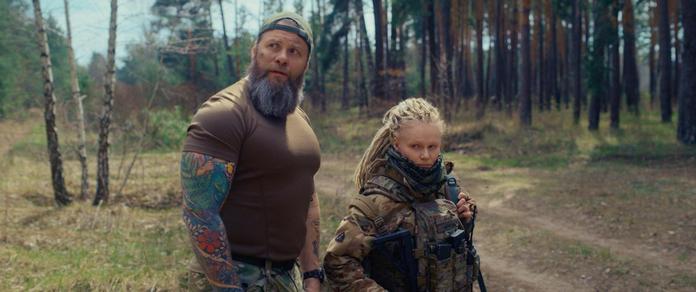
Despite the dark tone of the story, the filmmakers leave room for optimism – the idea that even in the harshest conditions, individuals can make choices, retain their sense of self, and help others. This element elevates The Dam from a straightforward genre action film into an emotional reflection on the value of humanity in an era of destruction.
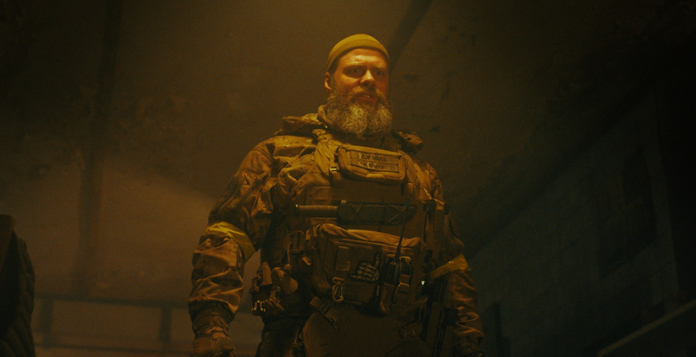
Visually, The Dam relies on contrasts – sharp bursts of light cut through the darkness of underground corridors, creating a sense of confinement and helplessness. The camera moves restlessly, almost breathing with the characters, producing a “living perspective” that immerses the viewer in the protagonists’ psychological state. The film’s color palette leans toward cold, metallic tones, emphasizing the technological environment and conveying a sense of sterile horror.
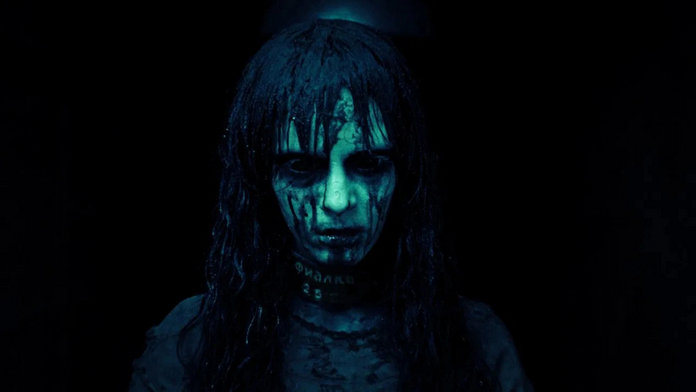
The cinematographer and director deliberately avoid a polished look: grain, shaky shots, and aggressive editing function as emotional stimuli. This visual strategy not only supports the film’s genre-driven pace but also conveys disorientation – a world without stability, where every step could be a last. Within this chaos, even light becomes a weapon, and the camera serves as a tool for survival.
Read also:“Harry Potter” by HBO: Everything Currently Known About the Series
What didn’t work
Despite its strong concept and carefully considered visual design, The Dam is not without weaknesses, which have been noted by both critics and viewers. One of the main issues lies in the technical execution – some special effects and makeup appear rushed, particularly in scenes involving large groups of zombies. It is evident that the team was working under tight budgetary constraints, which occasionally affected the final result.
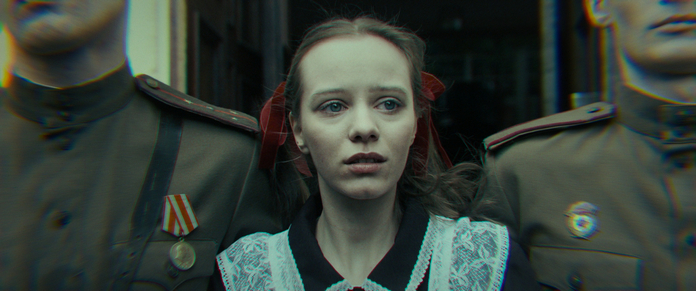
Another point of critique is the limited depth of the characters: they often function more as carriers of ideas than as fully developed individuals. Some plot developments feel conventional or overly straightforward, and the motivations behind certain actions can be unclear. As a result, the film’s dramatic layer occasionally gives way to genre clichés, making some emotional moments feel somewhat artificial or “serial-like.”
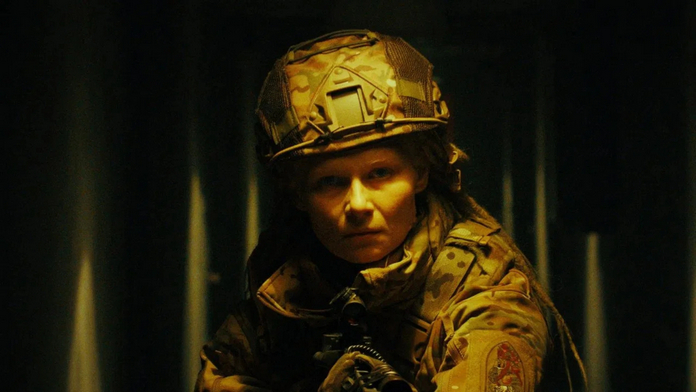
The film’s stylistic approach can also be inconsistent – at times it appears overly polished, almost like a music video, which does not always align with the intended atmosphere of tension and horror. The editing and pacing occasionally create a fragmented impression: events unfold rapidly, leaving little room for deeper reflection on character motivations or contextual background.
&list=RDmZCcD5e3ryI&start_radio=1&pp=ygUg0JrQsNGF0L7QstGB0YzQutC40Lkg0L7QsSfRlNC60YKgBwE%3D
Overall, The Dam maintains its genre energy but does not always achieve a consistent balance between form and substance. Nevertheless, the attempt to create a Ukrainian post-apocalyptic horror film with a social subtext is noteworthy, as it opens a new niche for domestic cinema.
Read also:Top 10 Most Interesting Modern Horror Films on Netflix
Conclusions and meanings
Kakhovka Facility goes beyond genre entertainment, encouraging viewers to reflect on deeper meanings. Through its depiction of zombies and post-Soviet symbols, the film explores themes of fear, loss, survival, and humanity in the context of war. The anti-Soviet motifs, expressed through unusual sets and historical symbols, add historical and moral weight to the story, transforming what might be conventional genre horror into a reflection on real-world tragedy.
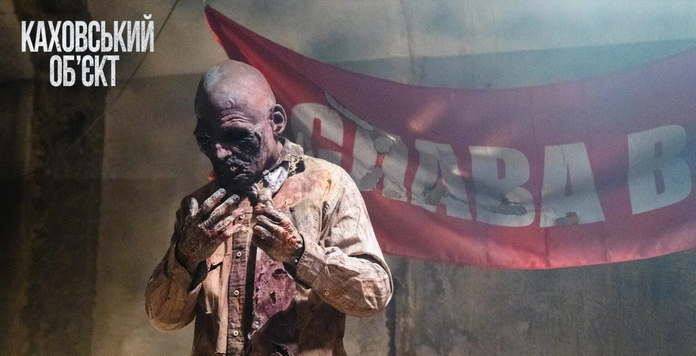
Each scene in The Dam is imbued with tension and symbolism: confined spaces, chaotic movements, and the details of makeup and costumes convey not only style but also central themes – fear of loss, survival, and the cost of humanity. The film functions not merely as genre horror but as an artistic reflection on trauma and renewal.
Yet, when the final credits roll, the central question remains: have we ourselves emerged from the bunker of our own past?
Read also:

