




© ROOT-NATION.com - Use of content is permitted with a backlink.
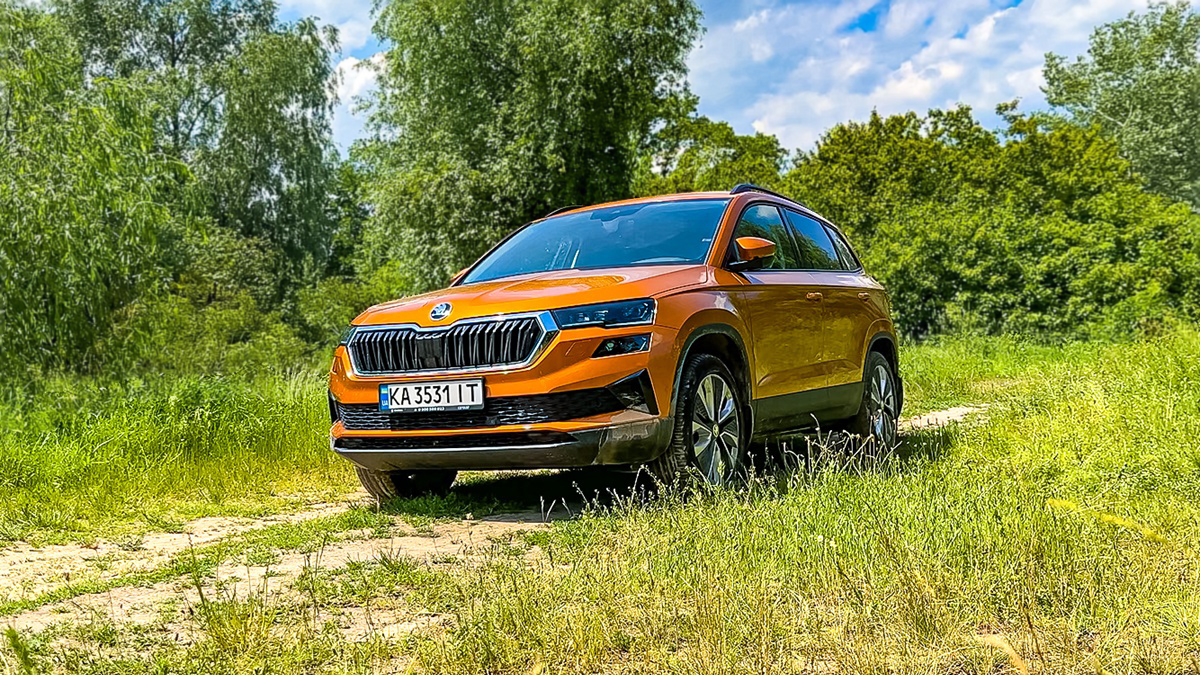
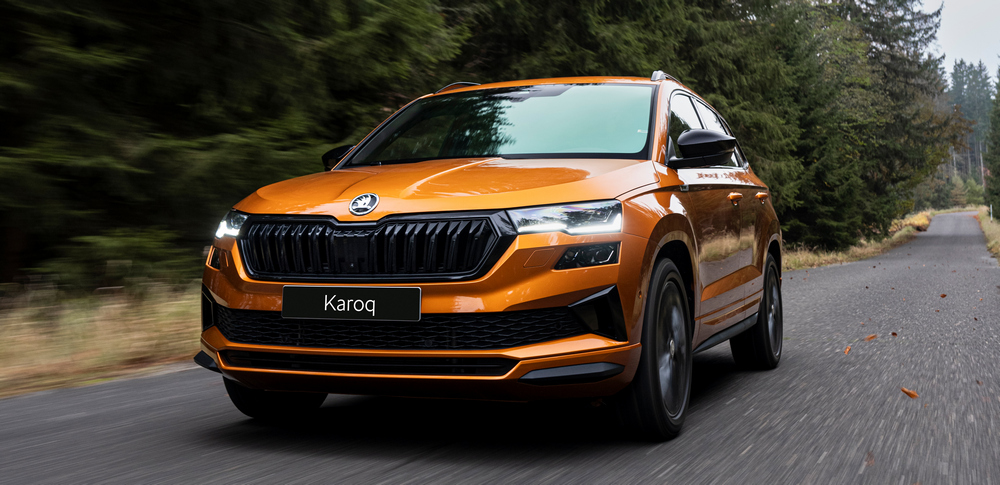
Modern diesel engines from Škoda combine adequate performance, fuel efficiency, and proven durability. For drivers who frequently travel on highways or are looking for a versatile crossover for daily use, the Karoq 2.0 TDI offers advantages that are difficult to overlook.
Read also: Škoda Karoq Sportline Test Drive: Just a Visual Refresh?
TABLE OF CONTENTS:
Maximum Efficiency Over Long Distances
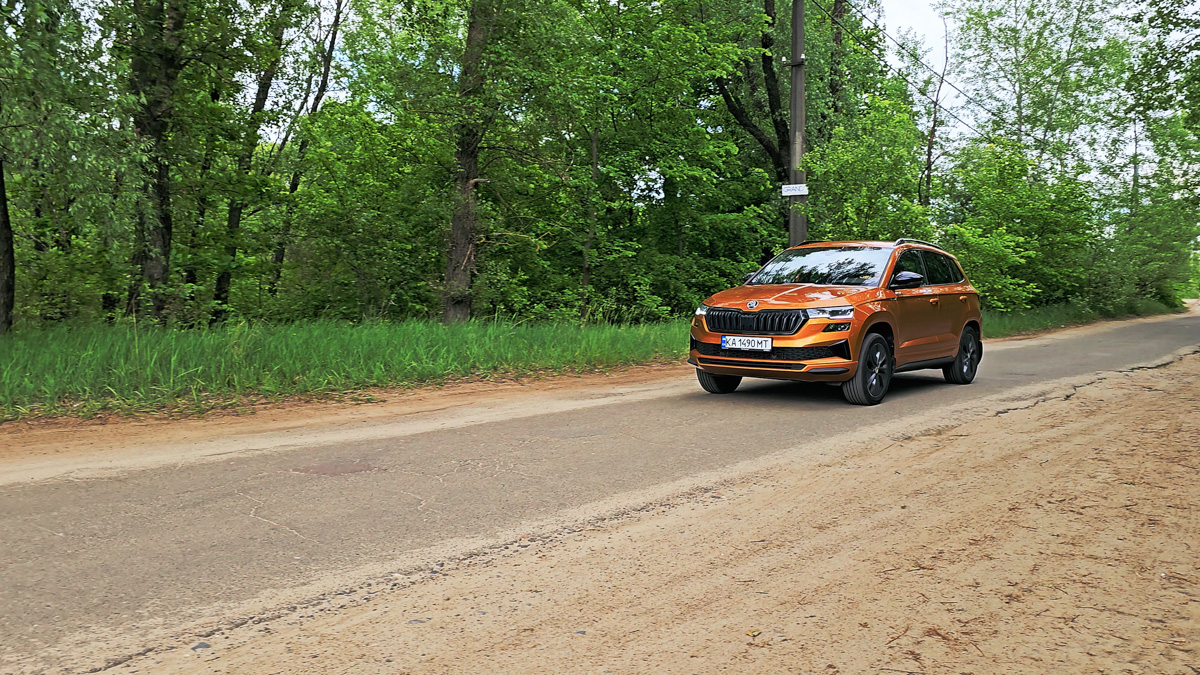
The 2.0 TDI diesel engine delivers its strongest efficiency on highways, where it is most relevant. Under real-world driving conditions, the Karoq can achieve fuel consumption of around 5 L/100 km, enabling extended travel distances without frequent refueling. For drivers who regularly commute between cities, this translates not only into fewer stops, but also into measurable monthly fuel savings.
Fewer Complex Systems – Lower Maintenance Costs
Unlike hybrid vehicles, a diesel model relies on a single power unit, without additional electric motors, battery packs, or inverters. This mechanical simplicity is not a compromise, but a deliberate choice favoring long-term durability and operational stability. For this reason, diesel vehicles have traditionally been associated with extended engine lifespan and consistent reliability, even at higher mileage.

Read also: Škoda Kamiq (2024) Review: Is This Compact SUV Crossover Worth Your Attention?
Power and Torque for Varied Conditions
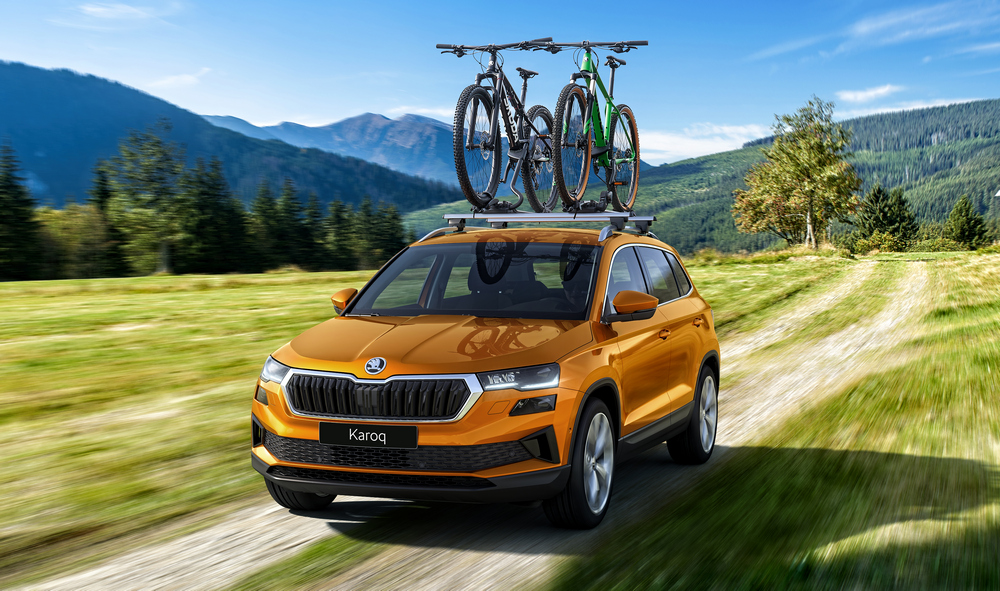
The diesel engine delivers strong torque at low engine speeds, which is particularly useful for overtaking on highways or maintaining stable performance under load – such as when towing, carrying a full cargo area, or transporting several passengers. When paired with the 4×4 all-wheel-drive system, the Karoq 2.0 TDI maintains consistent traction both on high-speed motorways and on uneven rural roads. Power delivery is immediate, without the need for high revs to access peak torque.
An Appropriate Option for High Annual Mileage
For drivers covering more than 20,000 km per year, a diesel powertrain remains a rational choice. Lower fuel consumption contributes to improved cost efficiency over time, particularly during frequent long-distance travel. Diesel engines are also designed to operate consistently across a wide range of conditions, including low temperatures, high heat, and extended highway driving. As annual mileage increases, the difference in overall running costs compared to gasoline alternatives becomes more pronounced.
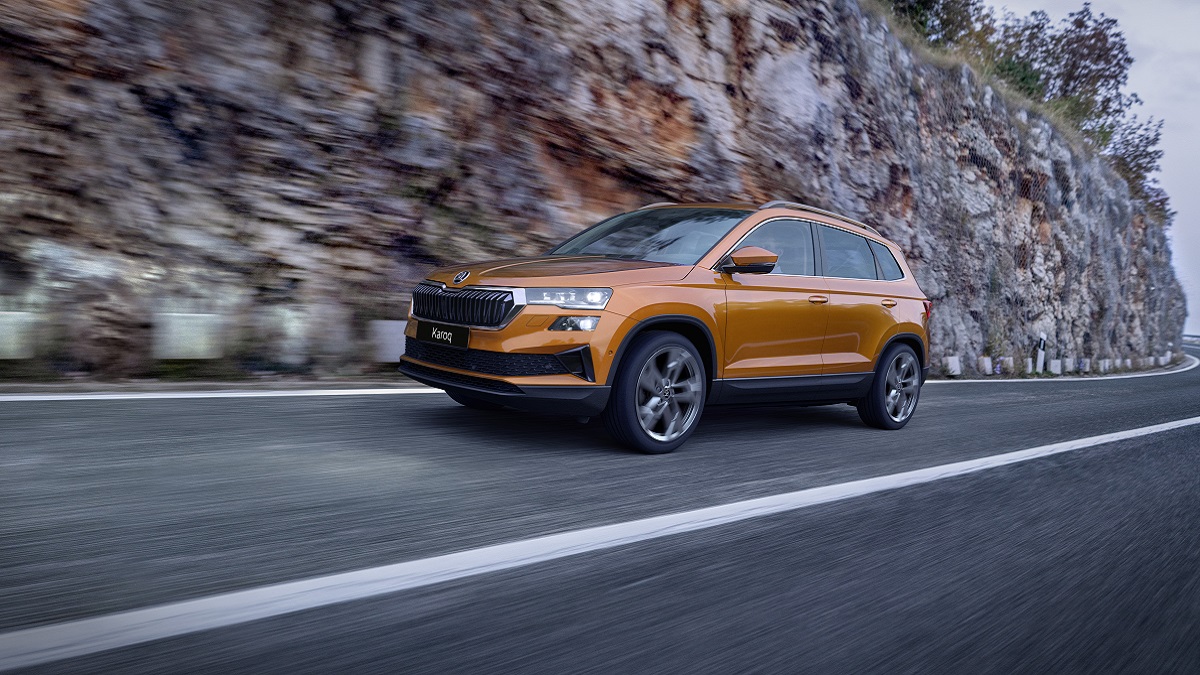
The Škoda Karoq 2.0 TDI is a choice for drivers who prioritize measurable efficiency over brochure figures. The diesel engine offers strong highway fuel economy, consistent operation in varying weather conditions, and does not require the added complexity associated with electrified powertrains. It is well suited to those who travel frequently, drive outside the city on a regular basis, or require a crossover that balances performance with operating economy. Overall, the Karoq 2.0 TDI represents a practical option for drivers who value durability, stability, and cost efficiency over the long term.
Read also:
- Neideso AI Dash Cam N900-4CH Review: Four Cameras for Comprehensive Coverage
- First Impressions of the Volvo EX30 EV Electric Car: Safety and Space

