
© ROOT-NATION.com - Use of content is permitted with a backlink.
About once a year, I get the chance to test a car, and this time it’s another electric vehicle – again from Volvo. So, get comfortable – here are my personal impressions of the brand’s smallest and most affordable EV, the Volvo EX30. I should note upfront that I’m no longer a journalist or industry expert, and this isn’t a full review covering every pro and con. These are simply my personal observations as an experienced car enthusiast with some knowledge of the field.
Read also: Car Reviews
Overall, it was a very interesting experience – especially now, since I was switching for the first time from a three-liter turbo diesel I’ve been enjoying for the past nine months. The contrast between the “past” and the “future” – or is it already the present? – is striking. Moving from a very analog BMW F31 to what feels like a “tablet on wheels” definitely shapes the impression. But let’s get to the main points.
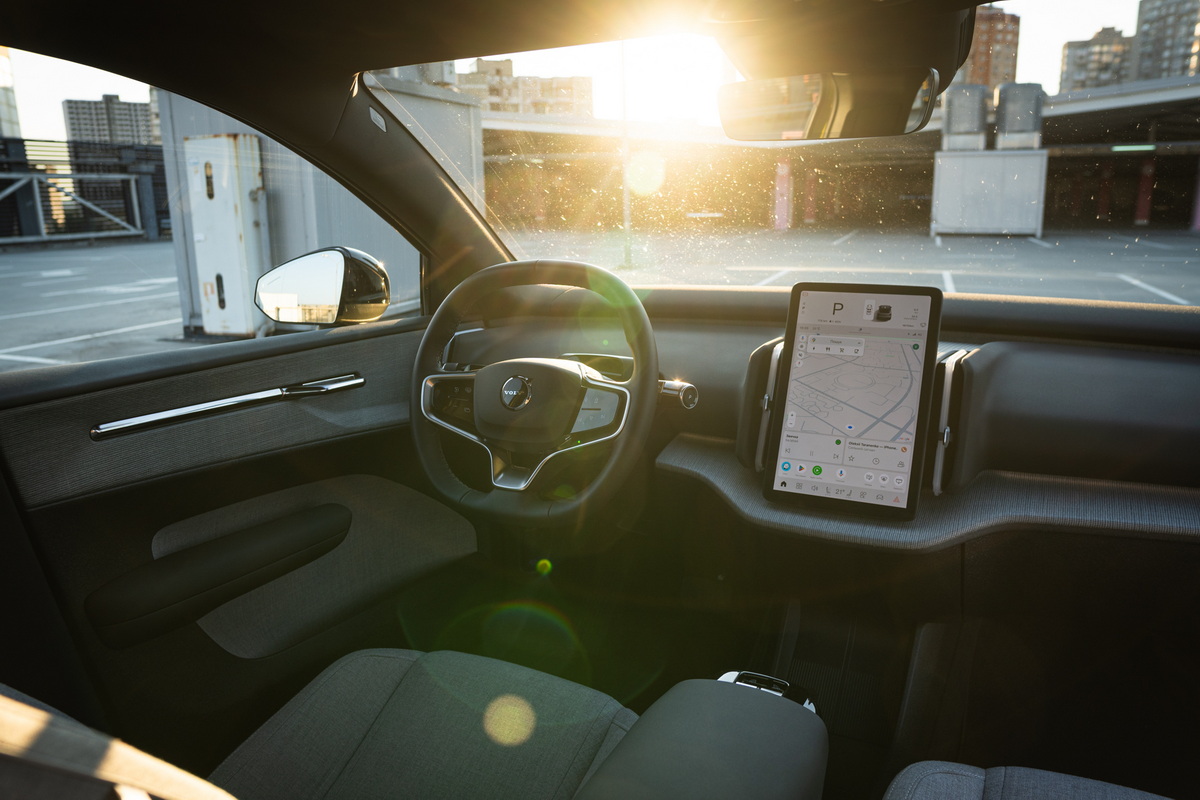
TABLE OF CONTENTS:
Design and interior space
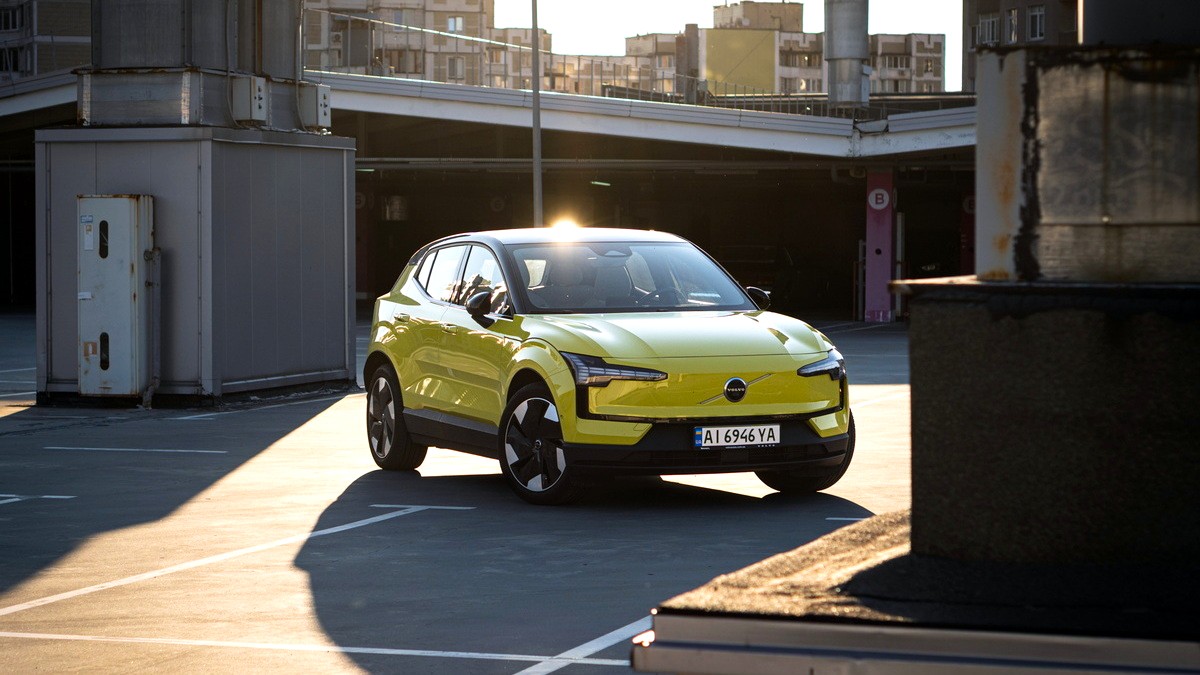
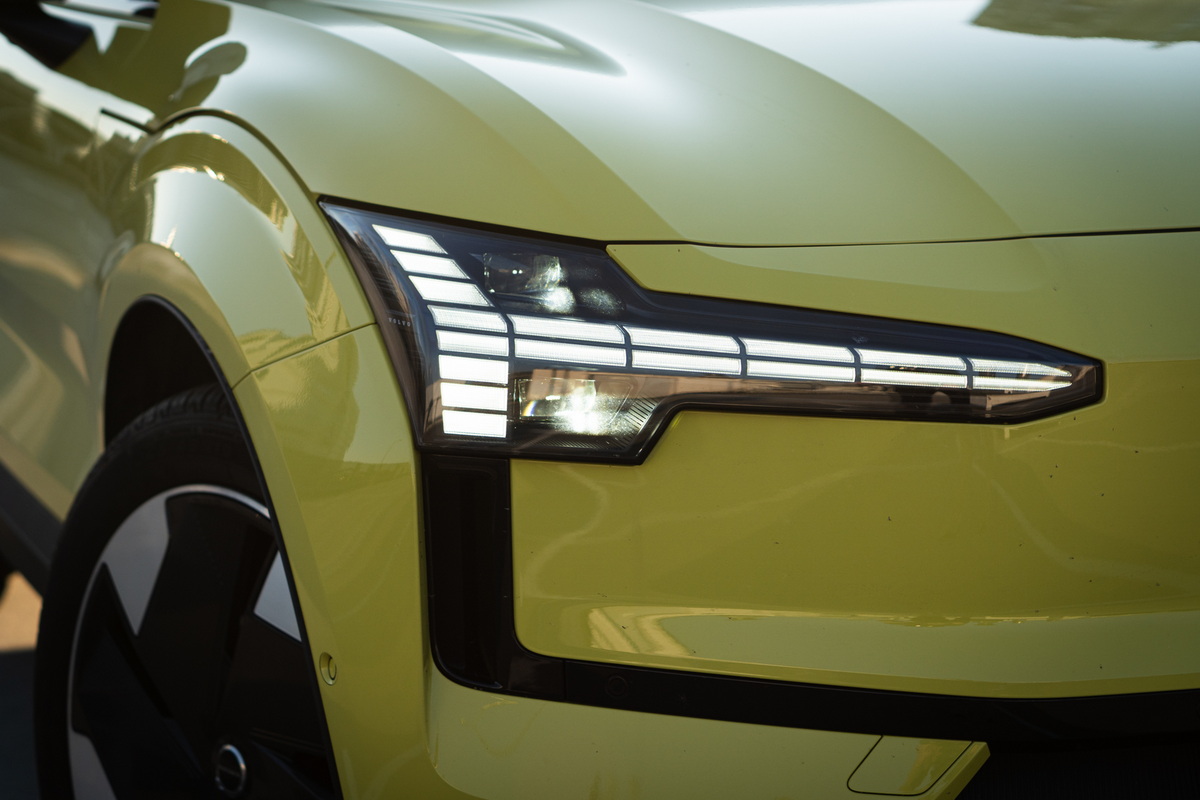
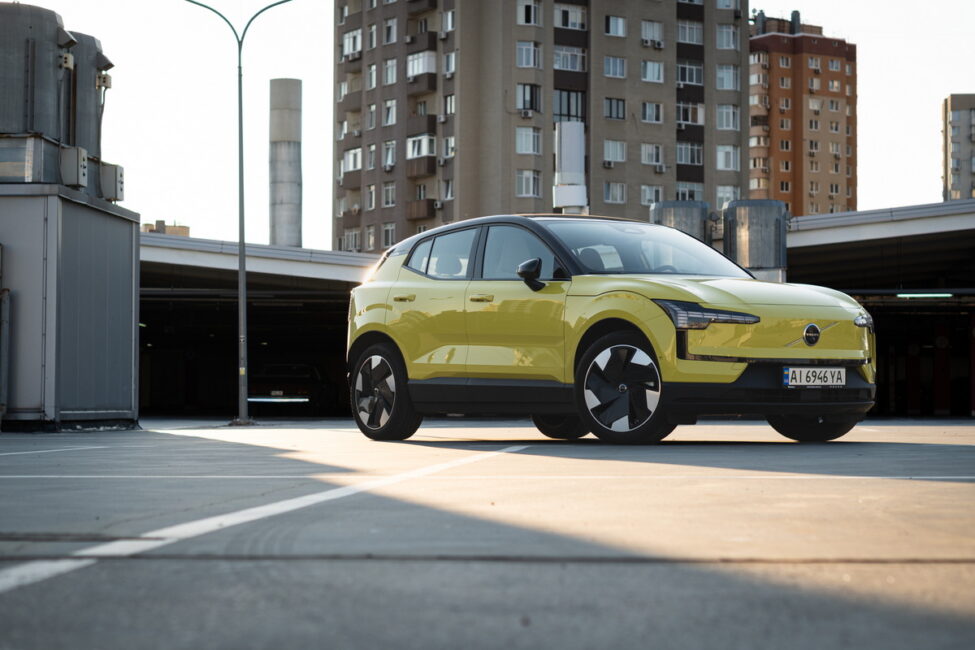
You’ve probably already seen these cars on the road. The Volvo EX30 is a compact and visually appealing city electric vehicle.
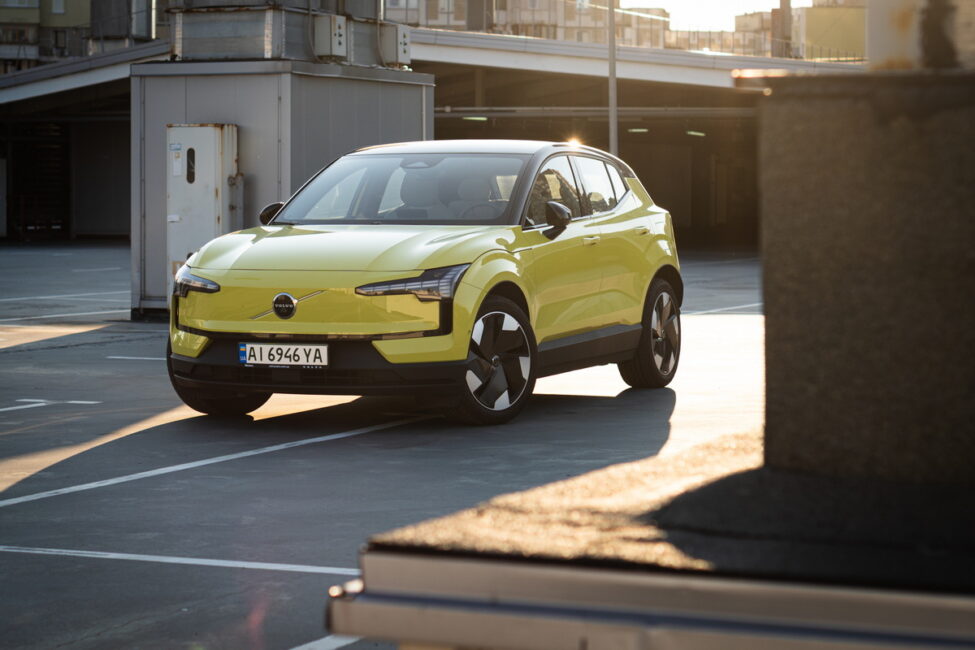
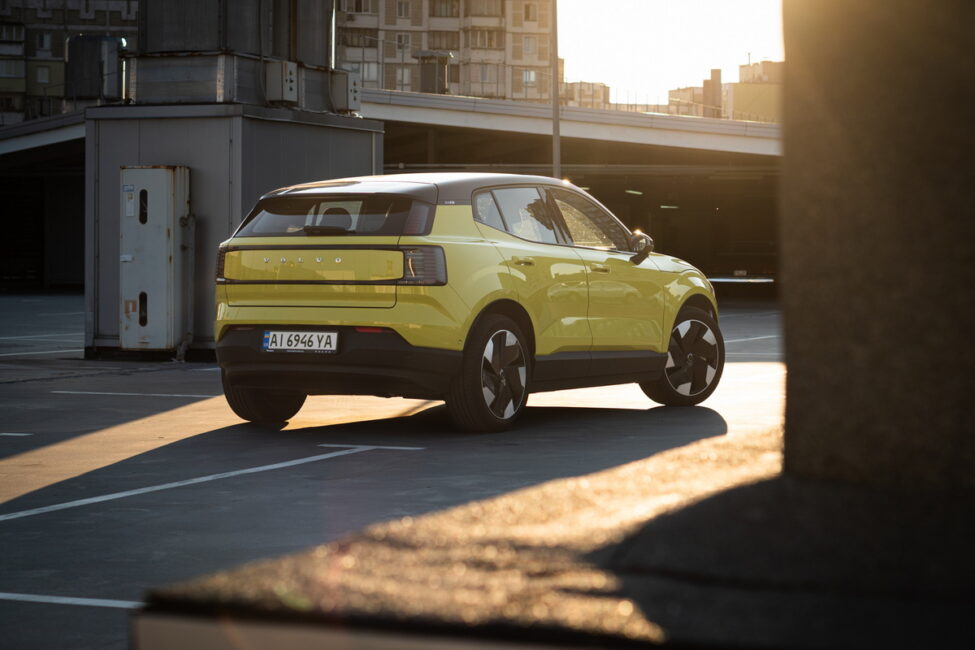
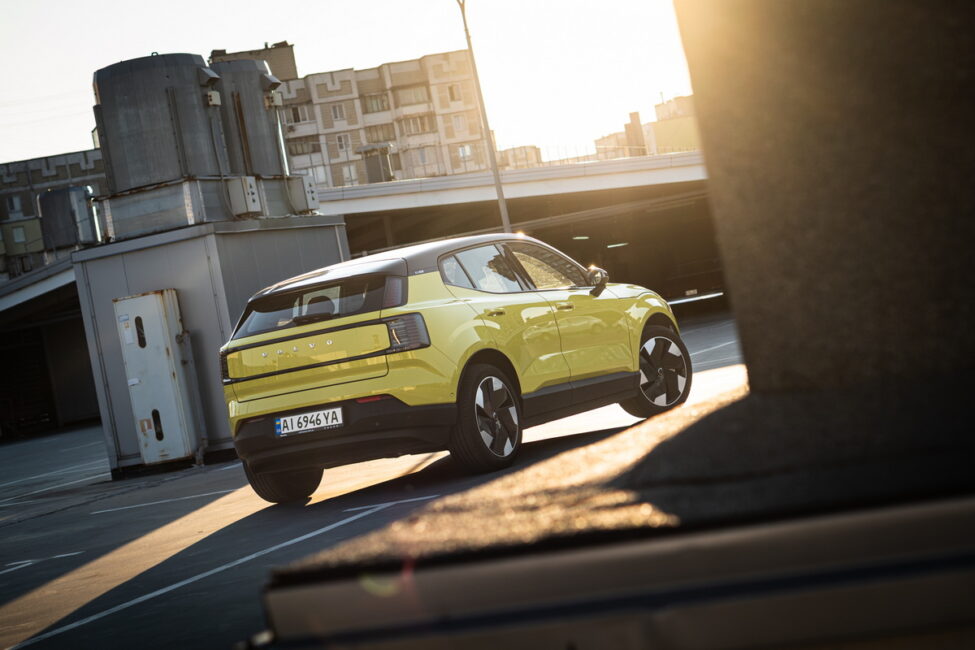
The engineers and designers clearly worked to make the interior as spacious as possible given the car’s compact size. This has a noticeable impact on ergonomics, and the effort pays off – the cabin never feels cramped. While it looks significantly smaller than the C40 I drove last year, the interior feels just as roomy, if not more so – though, of course, not in the back seat.
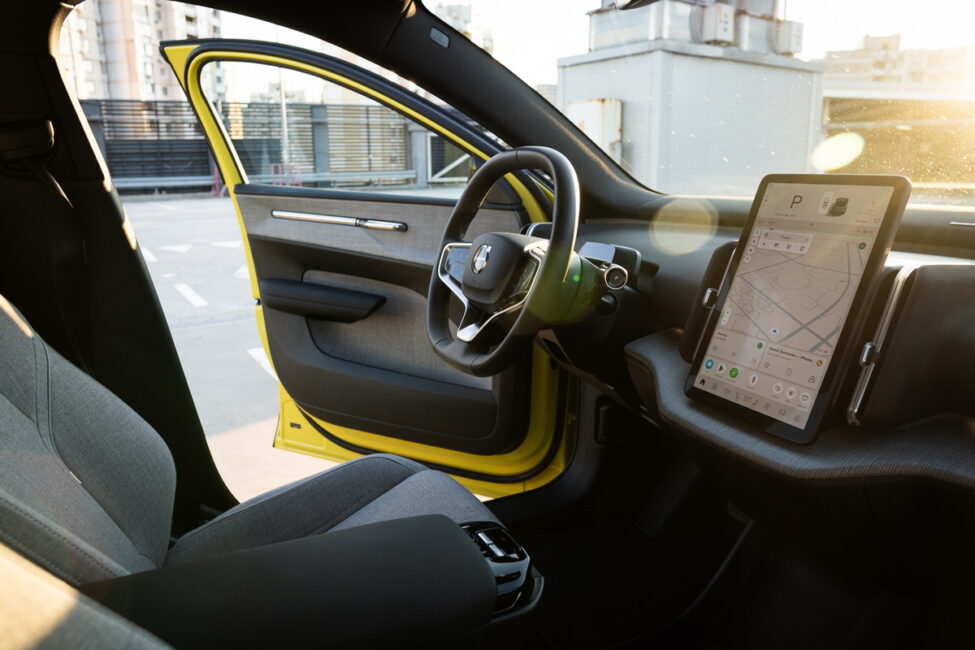
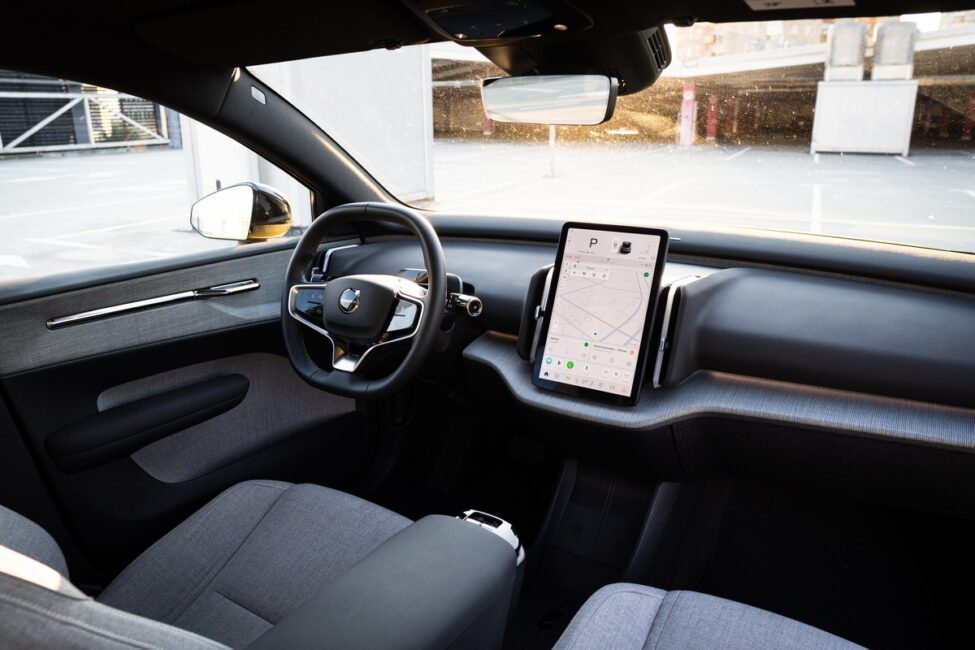
I’ve heard a lot of feedback suggesting this car is only suitable for people under 170 cm tall, and I completely disagree. At 187 cm, I sat comfortably right away without any issues. I also really liked the joystick for controlling the power-adjustable seat – definitely a highlight.
Sure, you can debate the design choices, like the door panels, but they work – the car doesn’t feel cramped. Visually, the panoramic roof makes a big difference, flooding the cabin with light, along with the interior lighting and overall cabin layout.
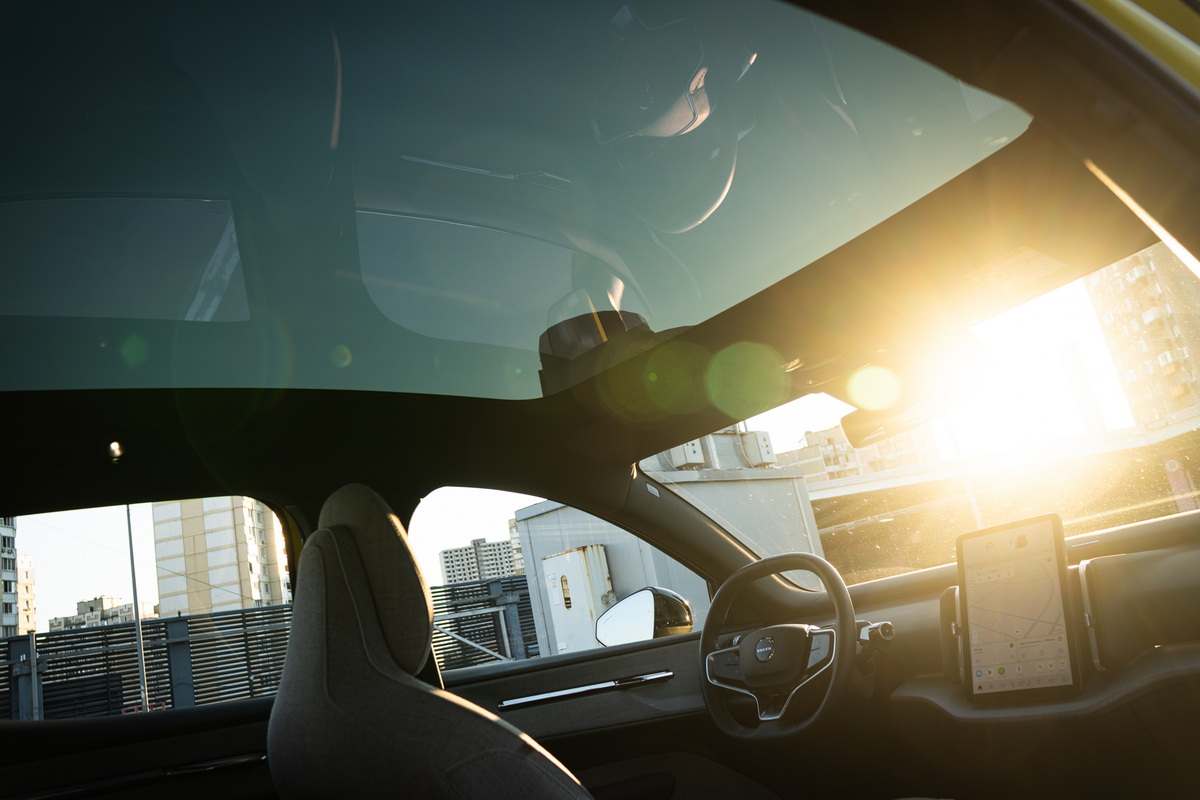
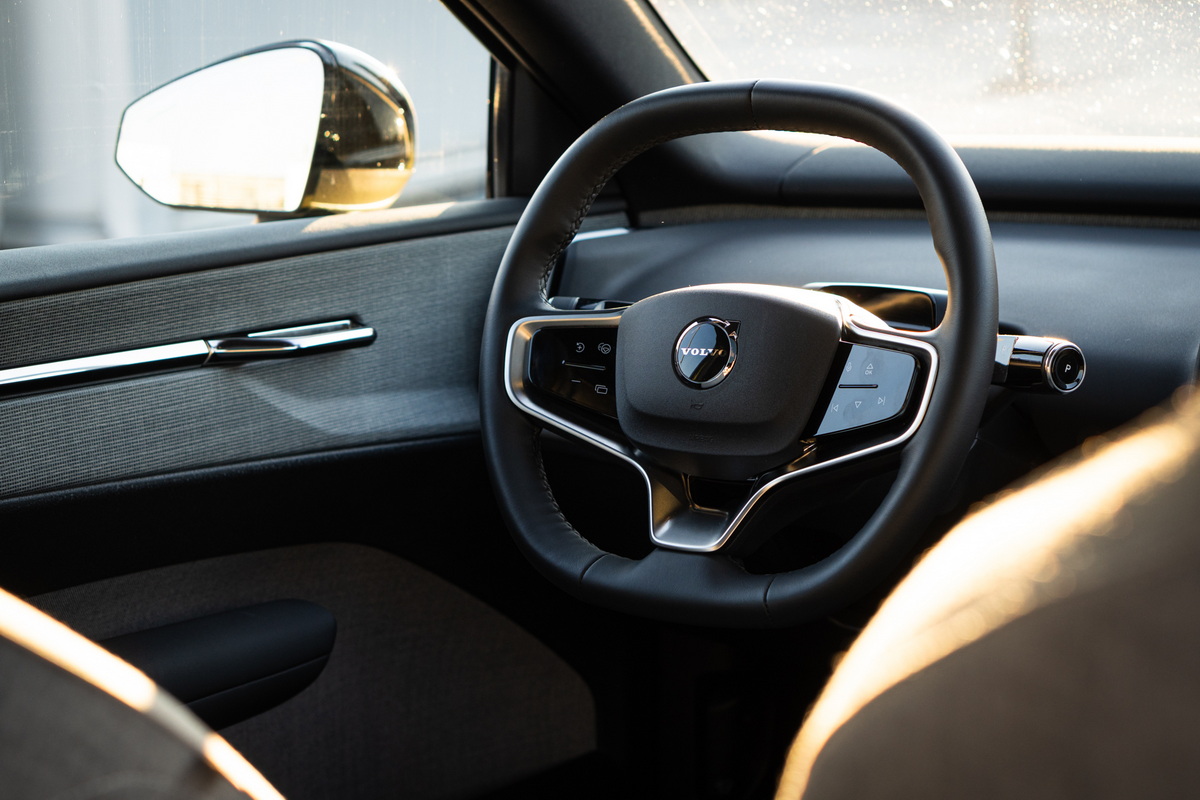
This is far from the classic Volvo I’m used to, but then again, the world isn’t the same either. Overall, I liked the interior more than I didn’t – it’s quite appealing. The only major downside for me is the steering wheel. I just couldn’t get used to it, no matter what. Especially after my own conservative, round, and roughly twice-as-long wheel. Of course, that’s largely a matter of personal taste.
I really liked the materials – the seat fabric and the signature flag tag. The retractable armrest is a nice touch, and overall, there’s a surprising amount of space for a compact car.

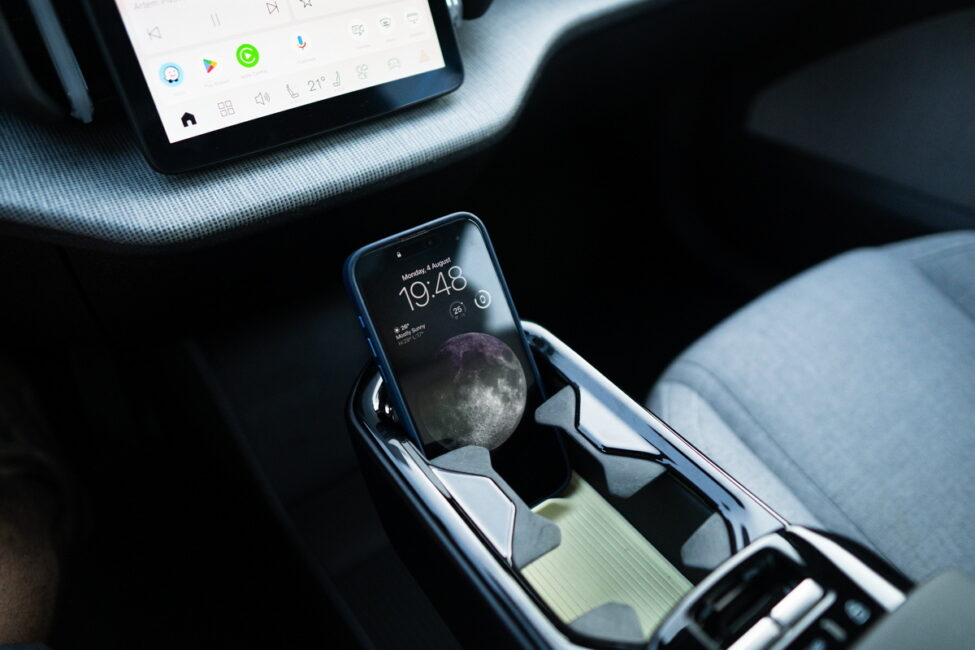
A lot of clever tricks are used to create this sense of space – like moving the window controls off the door panels to make them feel “airy,” removing the usual center controls, and so on. It’s unusual, but fun. Admittedly, I kept reaching for empty air at first during the test, and after a week, I even found myself trying to shift using the stalk behind the wheel in my own car.
The philosophy of automation
It’s important to keep in mind that this car follows a completely different philosophy. Everything that can be automated is automated, leaving the driver mainly to hold the wheel and think minimally about controls. Honestly, I only found the manual wiper activation button on the third day, even though I picked up the car in the rain. The button is in an unusual spot, and you can basically live without it. Otherwise, everything is controlled through the display. The car runs on Android Automotive, and according to owners, updates come frequently, so the vehicle is constantly improving.
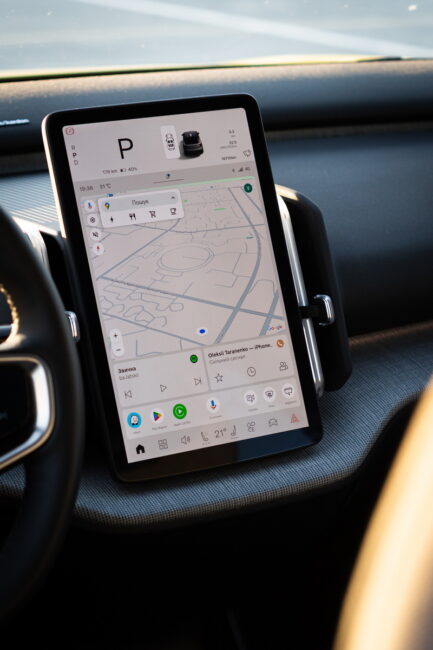
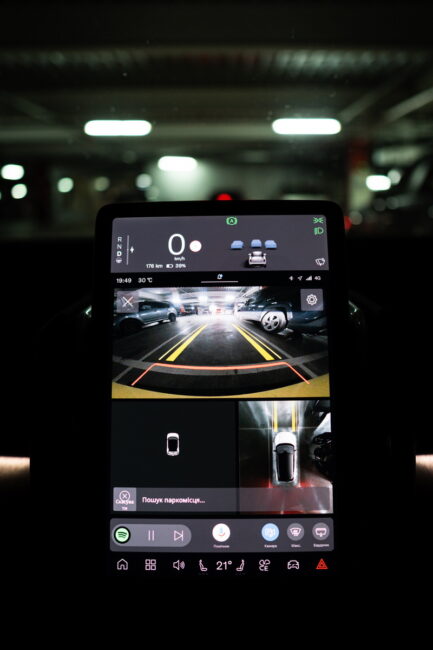
My main question was whether the navigation system now calculates arrival times in the local time zone rather than Greenwich Mean Time – and yes, it does. Thank you.
Safety
I’ll also note that the car is heavily focused on safety, which is expected from Volvo. However, in our conditions, it can be a bit frustrating – especially the need to disable the speeding alert every single time. Sorry, but driving 50 km/h around Kyiv is basically impossible, and going 20 km/h over the limit isn’t punished, so it’s annoying when the car keeps alerting you about speeding. It’s a minor issue, but still irritating. You can’t fully turn off the alert, but it’s convenient that the setting is on the main screen.
Overall, the car keeps a close eye on the driver: if you glance away from the display or the road, it reminds you to focus, and if you yawn, it even suggests taking a break.
Another interesting feature is the traffic-aware door opening system. I even managed to capture it on video: I stopped to set up a camera, and as I exited from the back seat, a cyclist was approaching. It’s a handy safety feature.
Features and how the Volvo EX30 drives
Let’s dive into some technical specs. The test car was the top version, featuring dual motors and the maximum battery capacity. Total output is 428 hp (315 kW) with 543 Nm of torque, and the battery capacity is 69 kWh. Acceleration from 0 to 100 km/h takes 3.6 seconds. It’s impressive – the car feels very dynamic, and the torque hits so hard it almost makes your ears pop. Even my family, used to fast cars, was impressed, and so was I. Quite a surprising performance.
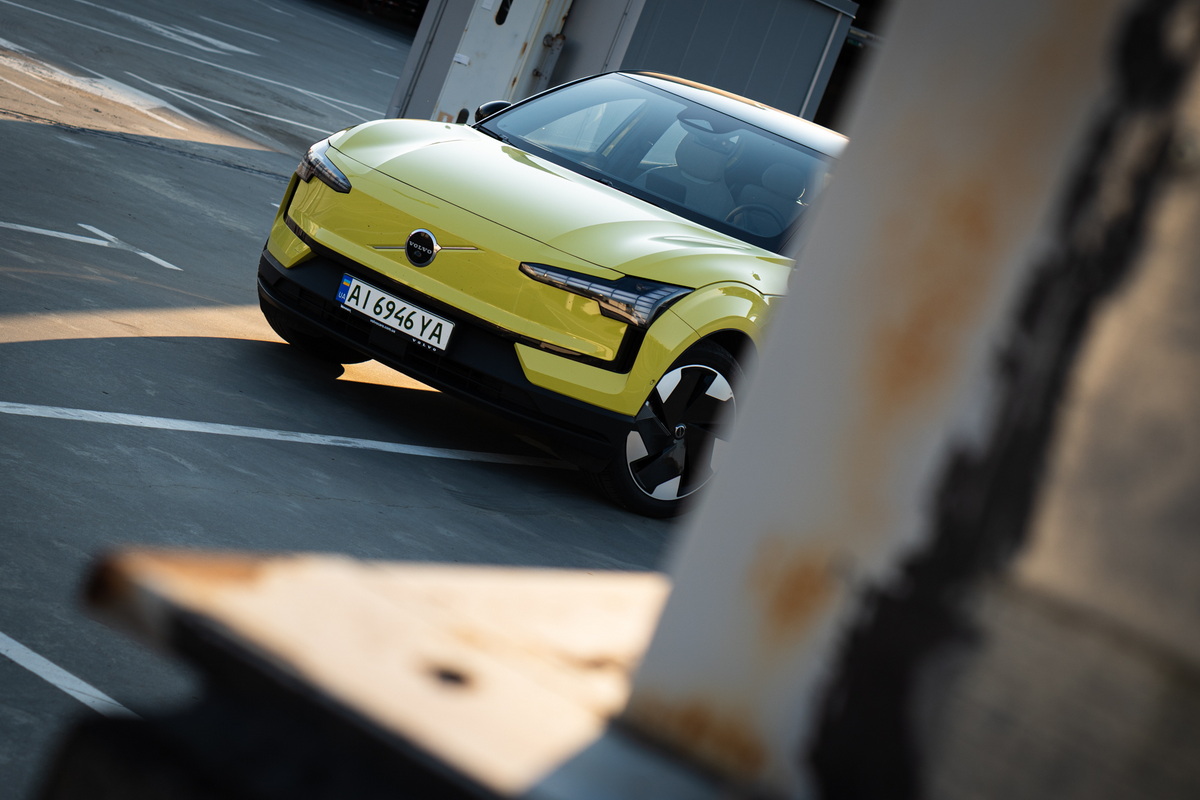
The claimed range is up to 590 km in the city cycle and 450 km in mixed driving. In my driving style and with a more dynamic approach, it felt closer to 350–400 km – but it was more than enough for the week of testing, and I returned it with about a third of the battery still remaining. For a city car, that seems perfectly adequate.
Handling is also solid – though the steering feels a bit light for my taste, which is a matter of personal preference. I wasn’t a fan of the almost rectangular wheel either; it feels unusually shaped.
I also never got used to the lack of a screen directly in front of me – I don’t like glancing to the right for information. I understand it’s just a matter of getting used to it, but it’s still something I noticed.
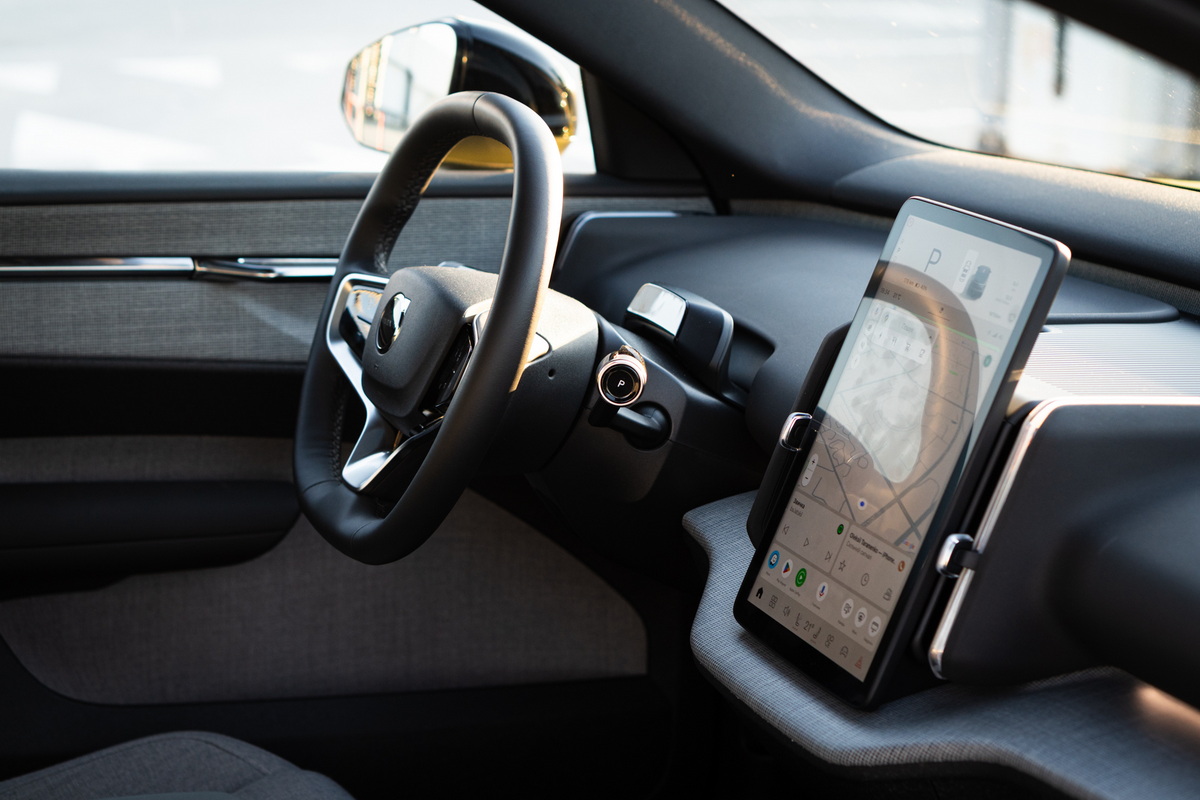
Overall, I had no issues with the operating system or controls – everything is convenient and intuitive, and in practice, there’s very little you actually need to manage. This includes while driving, as the driver-assist and autonomous systems are very well implemented – more on that in a moment.
The car is fully capable of driving autonomously: it monitors traffic, maintains distance and lane position, and can stop and start on its own. It’s impressive. Of course, it’s a bit of a shame that you still can’t fully take your eyes off the road – if you’re driving, you still have to pay attention. But of course, that’s a matter of safety.
In the video, I demonstrate how this works: at first, the car prompts you to keep your hands on the wheel, becoming increasingly insistent. If you don’t comply, it begins to stop on its own.
It’s actually pretty impressive, as it really helps during daily driving – you can think less about controlling the car and focus more on relaxing in traffic rather than getting stressed.
Conclusions
I wouldn’t say I have extensive experience with electric cars, but I liked this one. Having it as a second family car is something I’d be perfectly okay with.
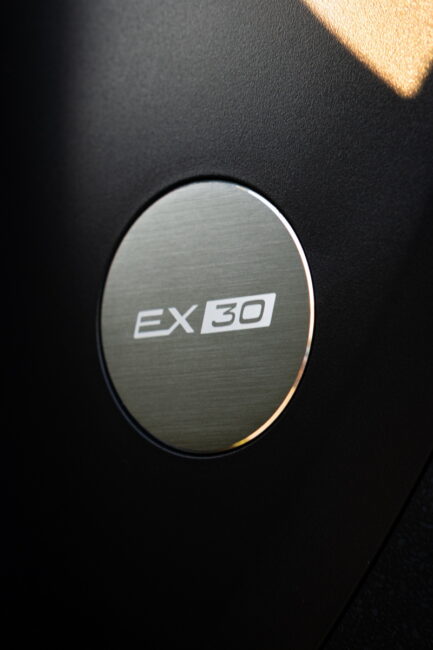
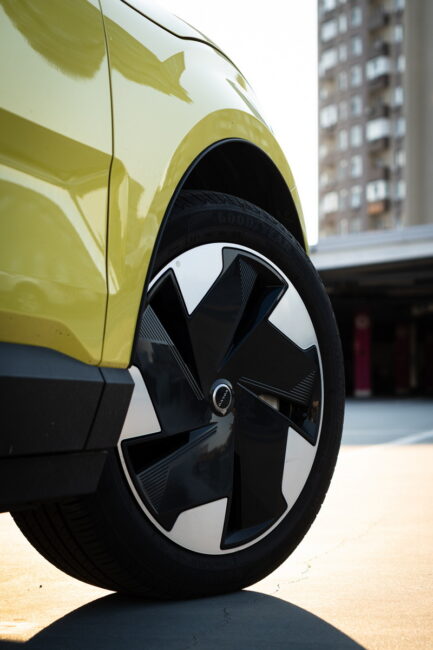
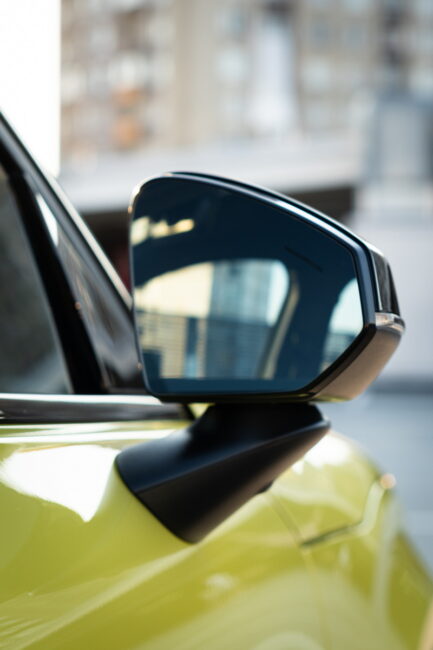
It’s bright and compact, yet spacious inside, quiet, comfortable, with a distinctive design and interior.
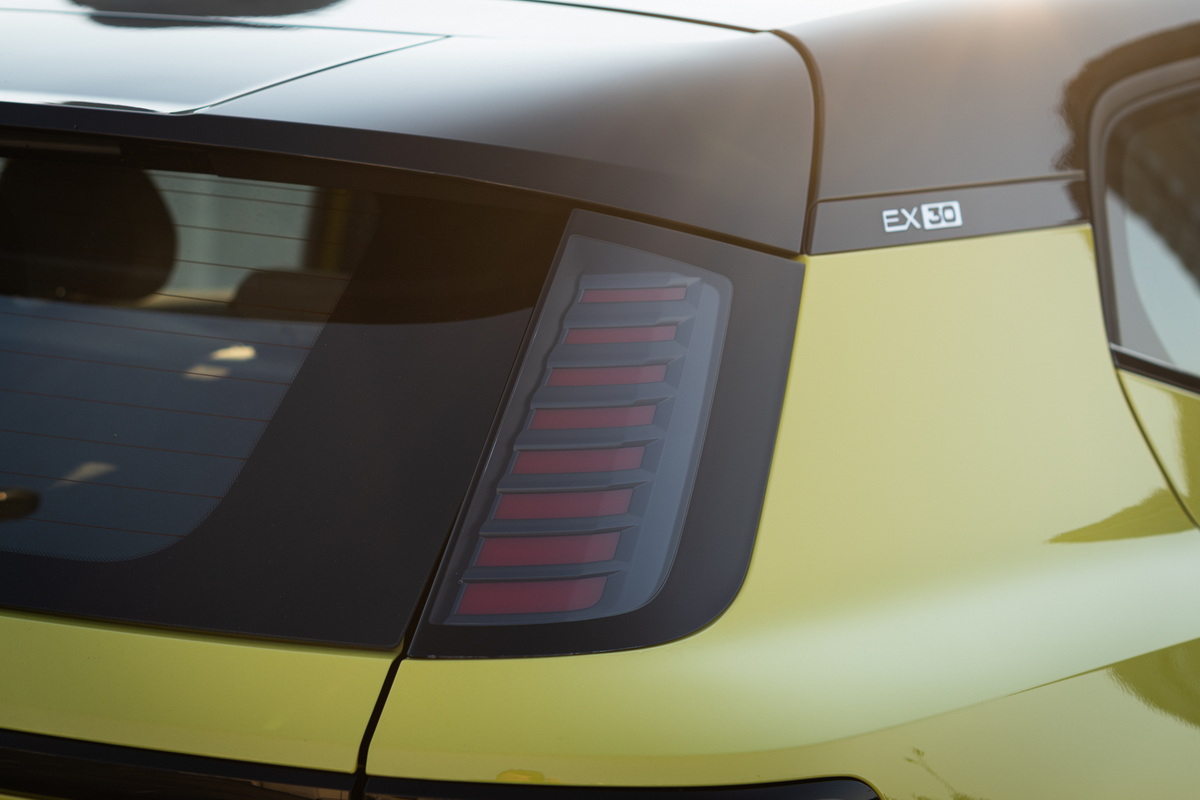
Yes, I’m still a “petrolhead” and I enjoy the vroom-vroom, but I actually like this kind of future more than not. The vroom-vroom can still exist for fun.
If you’re considering an electric car, definitely take a close look at the Volvo EX30. In my view, it’s a very sensible and enjoyable option – a fully official car with a warranty and manufacturer support, offered at a reasonable price.
Read also:
- Škoda Karoq Sportline Test Drive: Just a Visual Refresh?
- Mazda CX-30 SPORT BLACK Review – What Can a Compact SUV Do?
- Mitsubishi Eclipse Cross Review: True Japanese Car – Modern on Outside, Conservative on Inside