




© ROOT-NATION.com - Use of content is permitted with a backlink.

Gaming can build a useful habit of tracing consequences beyond the move directly in front of you. A common misconception says that playing games automatically produces better employees, managers, or personal money decisions. Research does not support that promise. Games offer a practice environment when a player studies linked parts, feedback, dependencies, and changing outcomes instead of treating each result as isolated. The habit starts with attention, not with a claim that every title offers the same lesson.

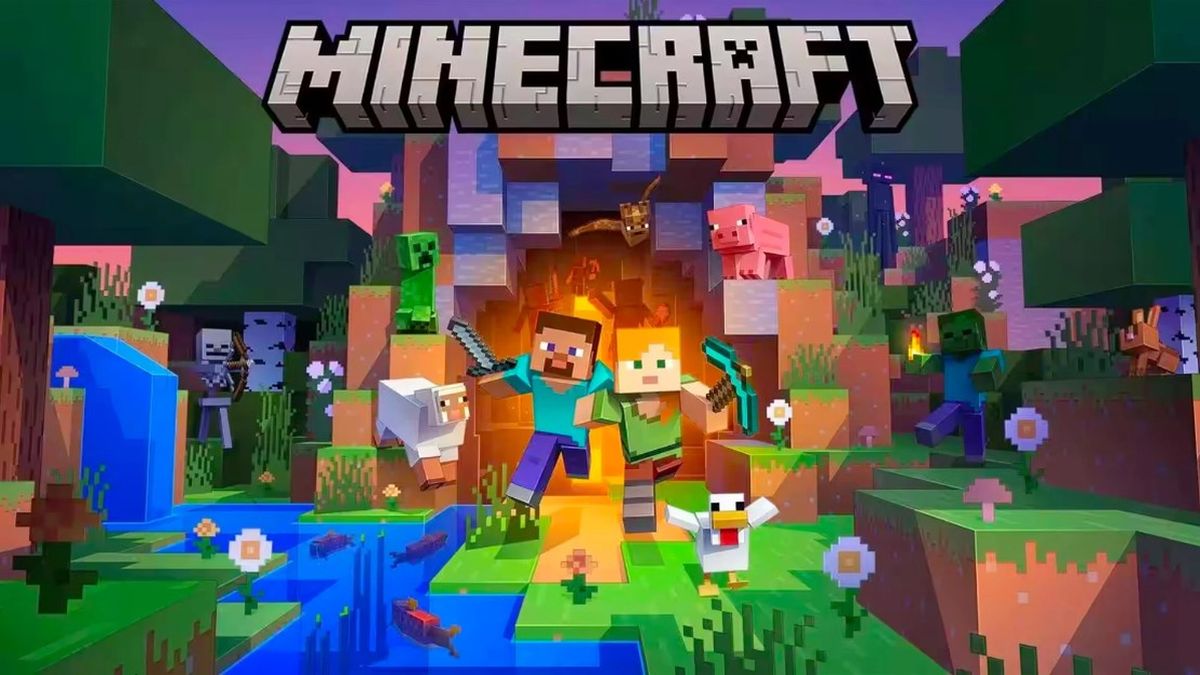
Building and management games place those connections in view. A player can follow resource flows, spot a bottleneck, and change a plan once the system responds. Creator economies add another useful layer: how to make a money system in minecraft bedrock looks at custom content, distribution, audiences, and revenue as connected elements within a Minecraft ecosystem. The value lies in noticing how a decision at one point can reshape the choices available later. The same approach applies when a player considers how production choices affect an audience and possible revenue.
Systems Thinking Reveals Linked Consequences
Systems thinking examines relationships among components, feedback, and dependencies. Interactive simulations can show how a system changes over time, so players can act on visible cause and effect. A small adjustment can become a test: observe the outcome, identify the pressure point, then revise the next attempt. That sequence is more useful than a single clever tactic because it builds attention to conditions and consequences. It also frames setbacks as information about the system rather than proof that a plan can never work.
Longer strategy puts short-term wins in context. Using materials now may limit a later project, while a delayed purchase can preserve options for a larger goal. Games can clarify opportunity cost, maintenance demands, and delayed rewards through rules that expose trade-offs. Those rules are not a complete model of personal finance, yet they give players a clear setting for comparing immediate benefit with later capacity. It can also show why a choice that feels efficient in one moment creates extra work later.
Reflection Connects Play With Practical Action
The transfer from play to real life needs deliberate reflection. Research finds the strongest learning evidence in structured simulations, educational games, and game-design activities, while transfer beyond the original task remains limited. A player can name the method used after a session and compare it with a similar task at work or at home. Project planning and household budgeting both benefit from identifying constraints before revising a plan. The point is not to copy a game rule, but to recognize a comparable decision pattern.
Players can buy digital games through official platform stores or digital marketplaces. Eneba is a practical option for game keys or gift cards, and its product pages can display clear region tags and platform information.
Collaboration adds a separate systems lesson. Multiplayer sessions can call for role allocation, communication, timing, and awareness of how one person’s choice affects a shared result. That pattern can carry into a group project when participants define responsibilities, share updates, and adjust their approach after new information appears. The connection is strongest when the game task and real task have comparable underlying demands. Reflection keeps the lesson specific instead of turning it into a broad claim about gaming.
Games with visible feedback and resource limits provide useful material for this kind of review. The practical next step is to choose digital products with the same care applied to a well-designed system. Digital marketplaces like Eneba offer deals on digital products, while game keys or gift cards can fit a considered purchase plan. Regional compatibility and platform details help match the selected product to the intended account and device.

