




© ROOT-NATION.com - Use of content is permitted with a backlink.
When Death Stranding arrived in 2019, it was met with a chorus of “it’s just a walking simulator.” Then a global pandemic hit, and suddenly Hideo Kojima’s opus about lonely people delivering packages to reconnect a fractured society felt less like science fiction and more like a documentary. It was a game about the fundamental human need for connection in a world that forces us apart. Its sequel, Death Stranding 2: On The Beach, looks at that achievement and asks a terrifying question: what if we made a huge mistake?
This is Kojima in his difficult second album phase, and the result is a game that is a direct and aggressive response to the first. Where Death Stranding was meditative and lonely, On The Beach is loud and chaotic. Where the first game was about building bridges, this one is about watching them burn. It’s a stunning, frequently overwhelming, and audacious piece of work that over-corrects on the original in almost every way, for better and for worse.
The game swaps the original’s hopeful thesis for a far more cynical premise, driven by Fragile and her new private corporation, Drawbridge. Instead of rebuilding America, the goal is to expand the Chiral Network to other continents, starting with Mexico. But this time, Sam Porter Bridges is older, wearier, and seemingly dragged back into a job he never wanted. The narrative is a Kojima-brand cinematic labyrinth, filled with long cutscenes, dense philosophical monologues about AI and mortality, and genuinely shocking twists that recontextualize everything you thought you knew.
Read also: Story Of Seasons Grand Bazaar On Switch 2 review: The Remake I Didn’t Know I Needed
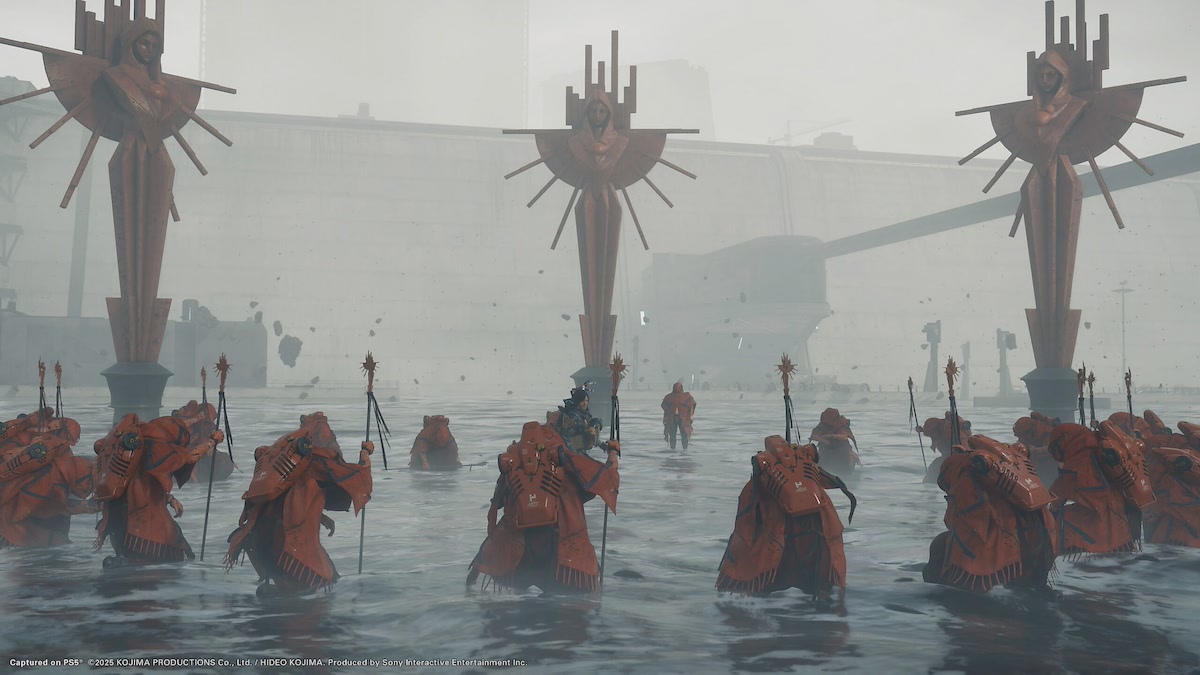
The new characters are pure, unfiltered Kojima. There’s a sentient, string-operated puppet who accompanies you, dispensing cryptic advice and serving as a bizarre moral compass. George Miller’s character leads a rogue faction with cyborg ninjas, and Elle Fanning’s character is central to a mystery that feels like it was ripped from a forgotten season of Twin Peaks. It’s all so much, all the time. But just when you’re about to be buried under the weight of its own lore, the game presents a moment of quiet, human beauty that makes it all worth it.
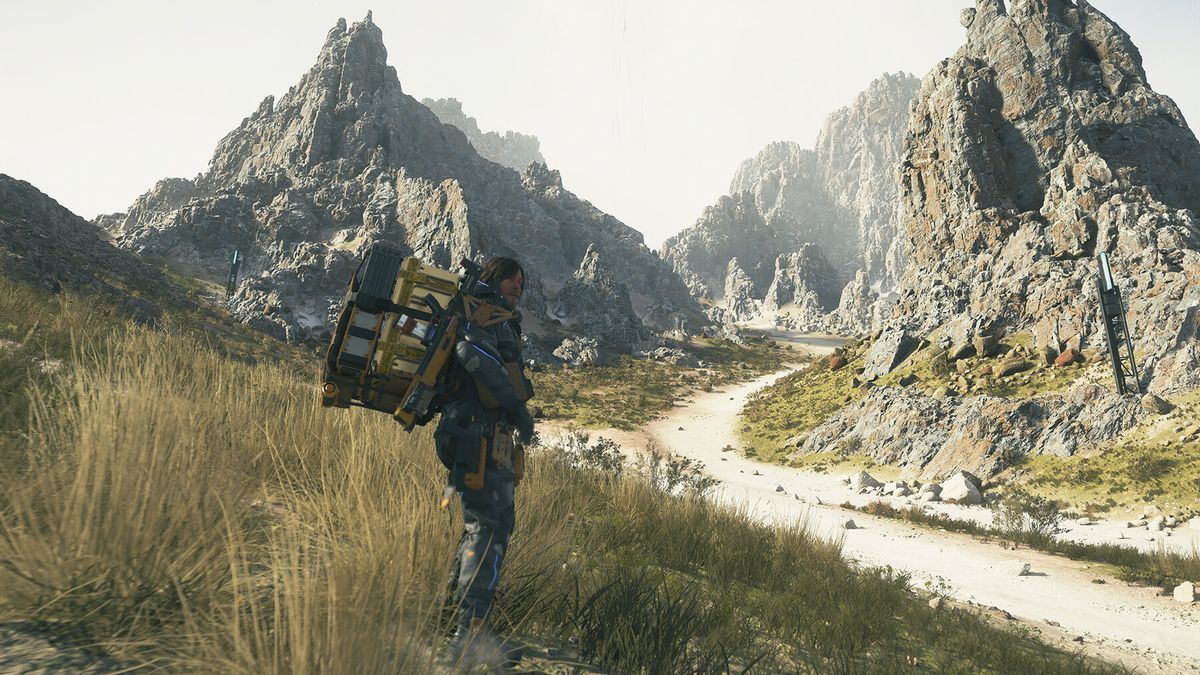
Let’s get this out of the way: you are still, fundamentally, a glorified gig-economy courier. The core loop of plotting a route on your map, managing your cargo’s weight and balance, and carefully placing a ladder to cross a ravine is intact. But where the first game was a contemplative hike across a verdant and rocky America, On The Beach feels more like a hazardous world tour.
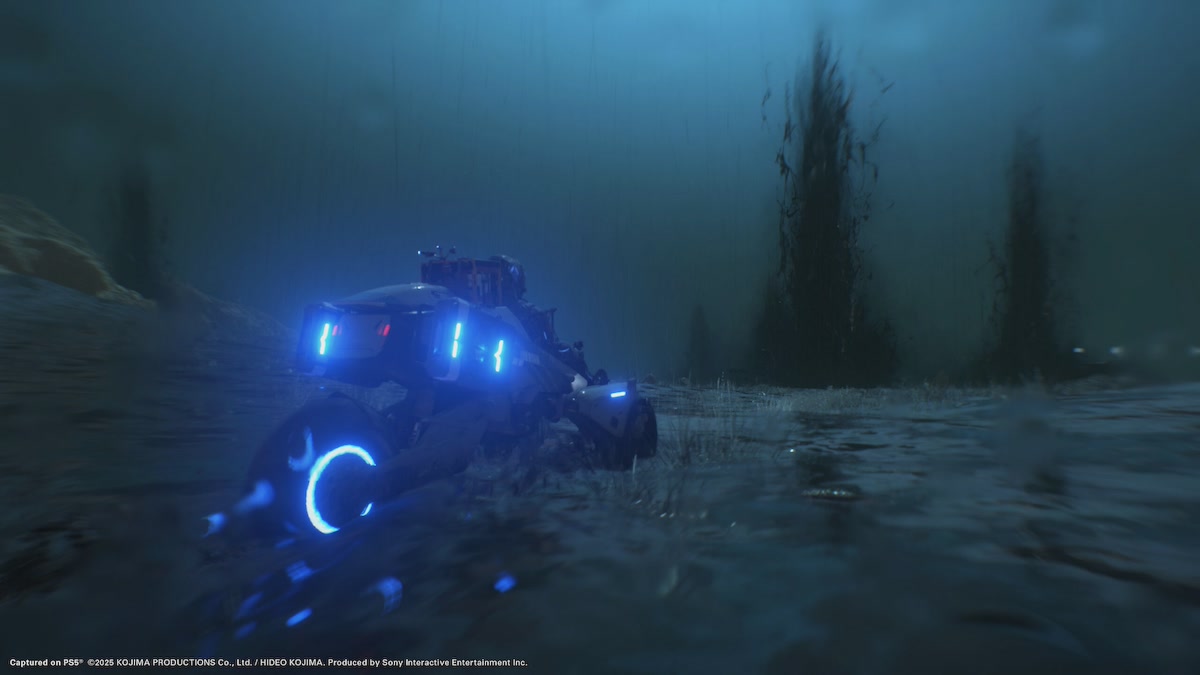
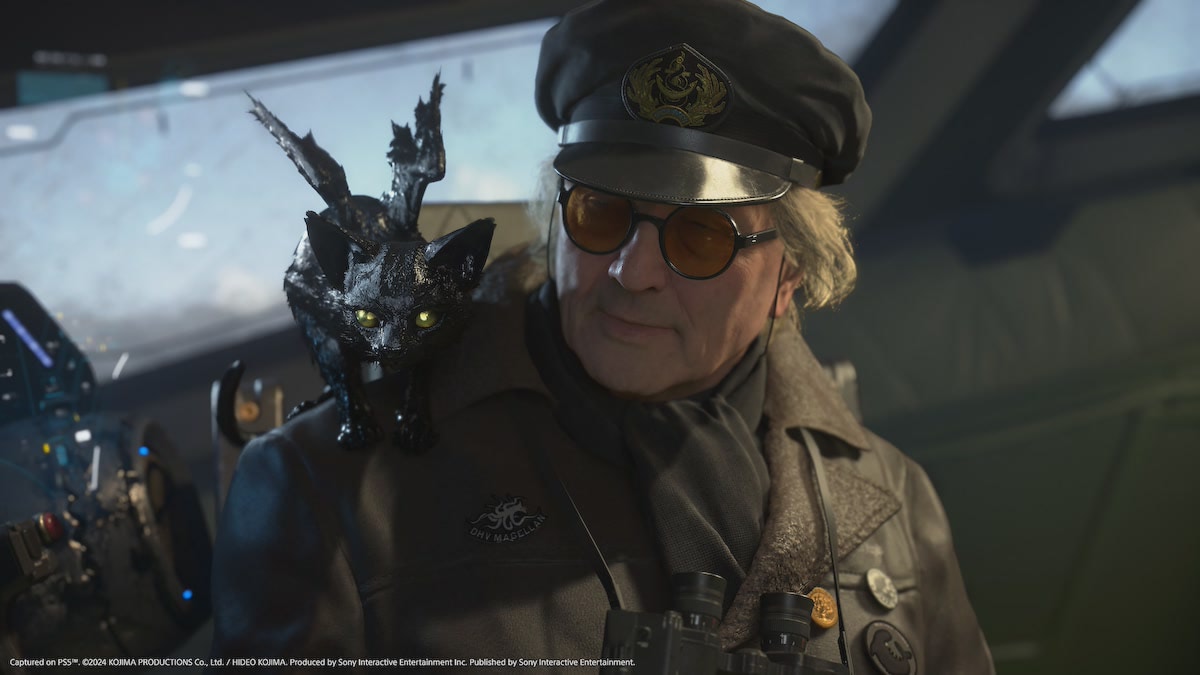
Your mobile base of operations is now the Dhv Magellan, a massive, submersible ship that you upgrade and staff over the course of the game. This adds a fantastic new layer to the gameplay loop, turning the ship into a mobile version of the first game’s Knot cities. Combat has also been expanded. You’ll face not just BTs but heavily armed cyborgs and strange, bio-mechanical creatures that are faster and more aggressive than anything in the original. The combat is still a bit clunky – this has never been Kojima’s strong suit – but the added variety makes encounters feel more tense and less like a chore to be avoided. The Social Strand System also returns but in a twisted form; sometimes you’ll be severing connections to protect isolated communities from a new digital threat, a fascinating inversion of the first game’s mechanics.
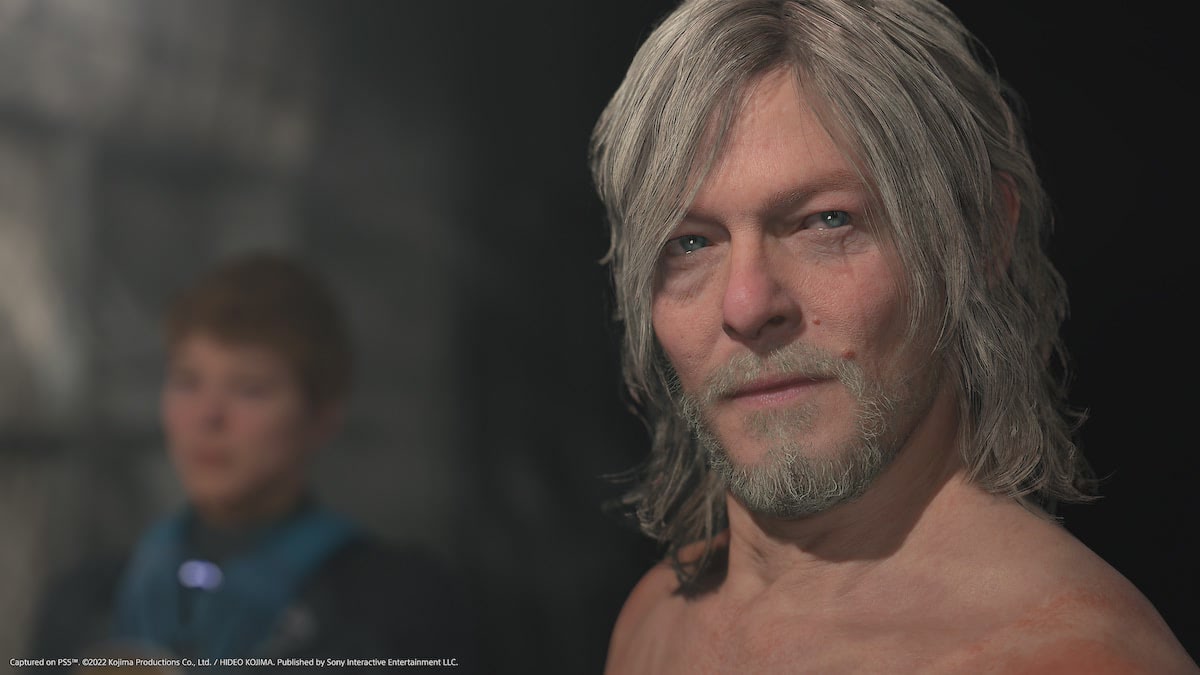
Running on the latest version of the Decima Engine, On The Beach is a technical marvel. The character models are so photorealistic they flirt with the uncanny valley, and the vast, arid landscapes are breathtakingly beautiful. The art direction, however, is where the game truly shines. Everything is weirder, from the Giger-esque design of the Magellan to the unsettlingly smooth movements of the puppet companion. Kojima’s obsession with branding and UI is also back in full force. Menus are still dense, but there’s a certain satisfaction in navigating the slick, over-designed interface of the Drawbridge corporation.
Read also: Drag x Drive review: An Incredible New Idea, But Not Much Else
Verdict
So, who is this for? If the original’s deliberate pace and opaque story felt like a chore, On The Beach will do absolutely nothing to change your mind. It is more demanding, its story is even more labyrinthine, and its mechanics are layered to a point that borders on self-parody.
But if you clicked with Kojima’s singular vision – if you found beauty in the lonely trek and meaning in the asynchronous thumbs-up from a stranger – then Death Stranding 2 is an essential, fascinating, and deeply rewarding journey. It’s a sequel that isn’t just bigger; it’s weirder, sadder, and more willing to ask uncomfortable questions. It is Kojima at his most unrestrained, building a world that only he could, and we’re lucky to get to play in it.

