




© ROOT-NATION.com - Use of content is permitted with a backlink.
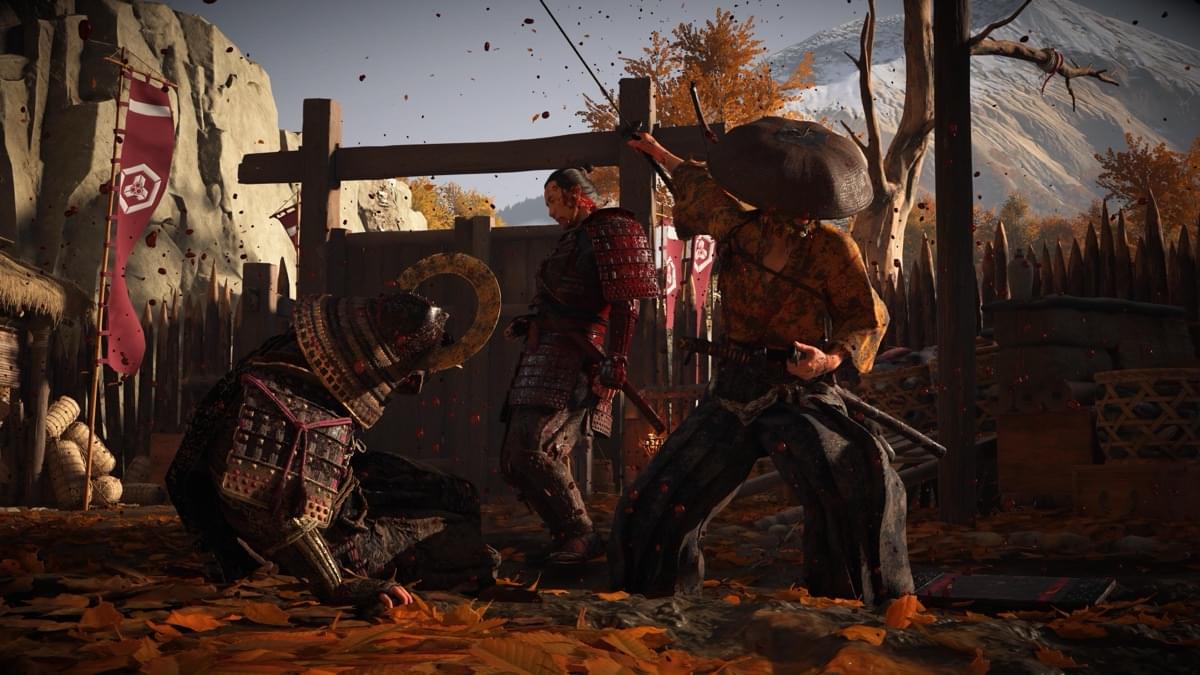
Sucker Punch’s Ghost of Yōtei takes the foundational strengths of Ghost of Tsushima and subjects them to a meticulous process of refinement, resulting in a title that feels both familiar and markedly evolved. The shift to the frozen expanses of 1603 Ezo introduces a harsher environmental canvas, where volumetric snowfalls and dynamic blizzards interact with Atsu’s movements in ways that demand precise hardware utilisation.
On PS5, the SSD-driven seamless traversal across this world – gliding from volcanic ridges to icy tundras – eliminates any sense of interruption, allowing the player to inhabit the space fully without the drag of loading artefacts. Atsu herself emerges as a more visceral protagonist, her onryō-driven vendetta against the Yōtei Six manifesting in animations that convey a rawer physicality than Jin’s measured poise; the cloth ledger she updates with blood feels like a tangible extension of her rage.
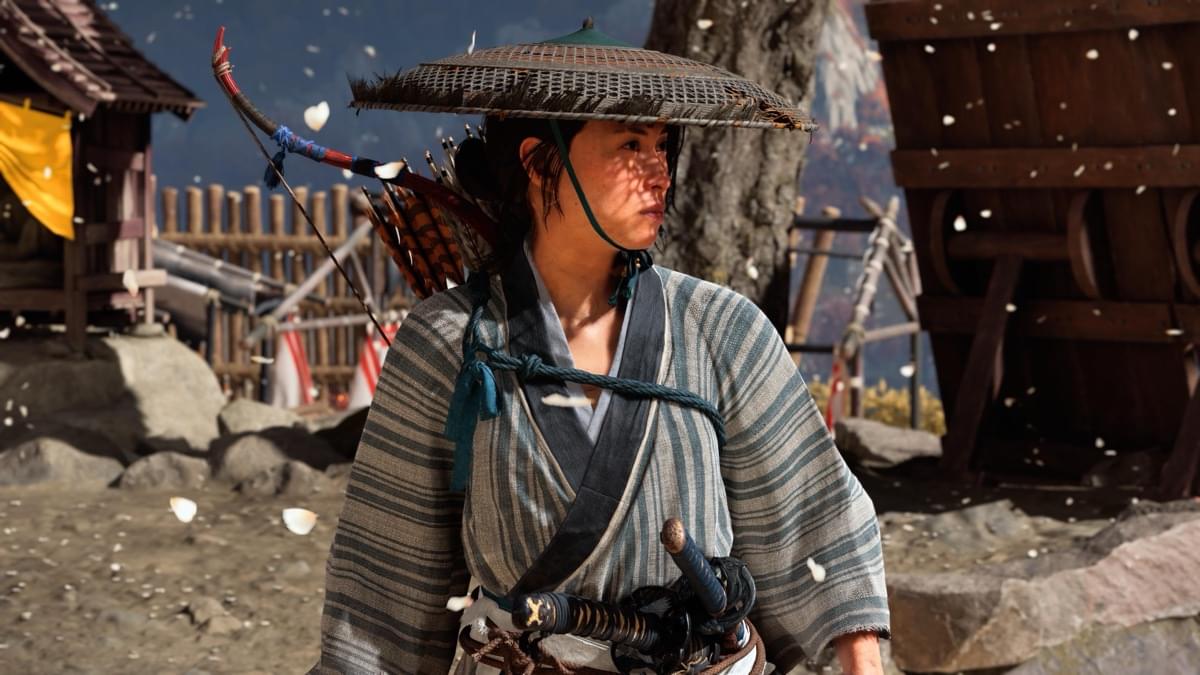
Let’s delve into the combat, because this is where Yōtei truly flexes its technical muscle. The core loop of parry, dodge, and stance-switching returns, but now it’s augmented by an expanded arsenal that introduces genuine tactical depth. Dual katanas carve through spear-wielding foes with blistering speed, odachi cleaves brutes in sweeping arcs, yari spears impale from range, kusarigama chains yank enemies into assassination range like a spectral grapple, and tanegashima matchlocks deliver explosive gunpowder punctuation. It’s a rock-paper-scissors dynamic executed with fluid precision: swap weapons mid-combo to shatter guards or exploit weaknesses, all while the camera maintains contextual awareness without a hard lock-on.
The soft-targeting works admirably in most skirmishes, though crowded melees occasionally demand manual camera nudges to redirect focus. Parries land with that signature blue glint and haptic feedback through DualSense, the triggers rumbling with each deflection’s perfect timing window – equip the Bounty Master armour to widen it slightly, and you’re chaining Bushido Blade-style ripostes that feel exquisitely responsive.
Read also: Death Stranding 2 On the Beach review:It’s More of the Same, And It’s Brilliant
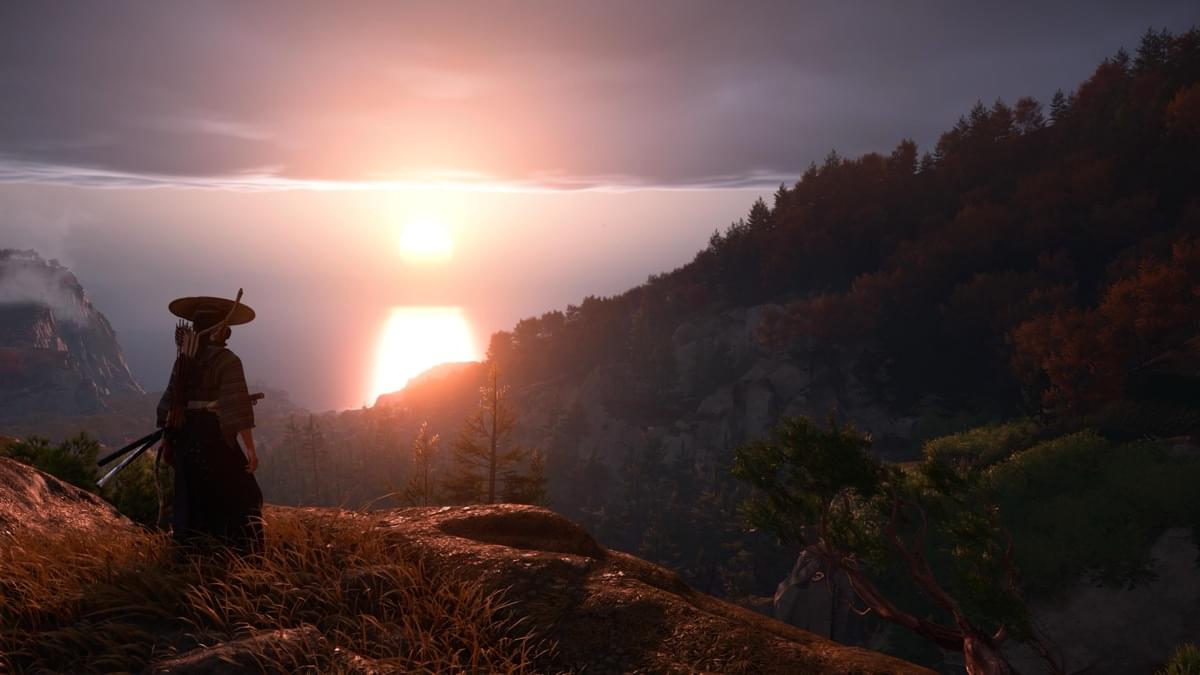
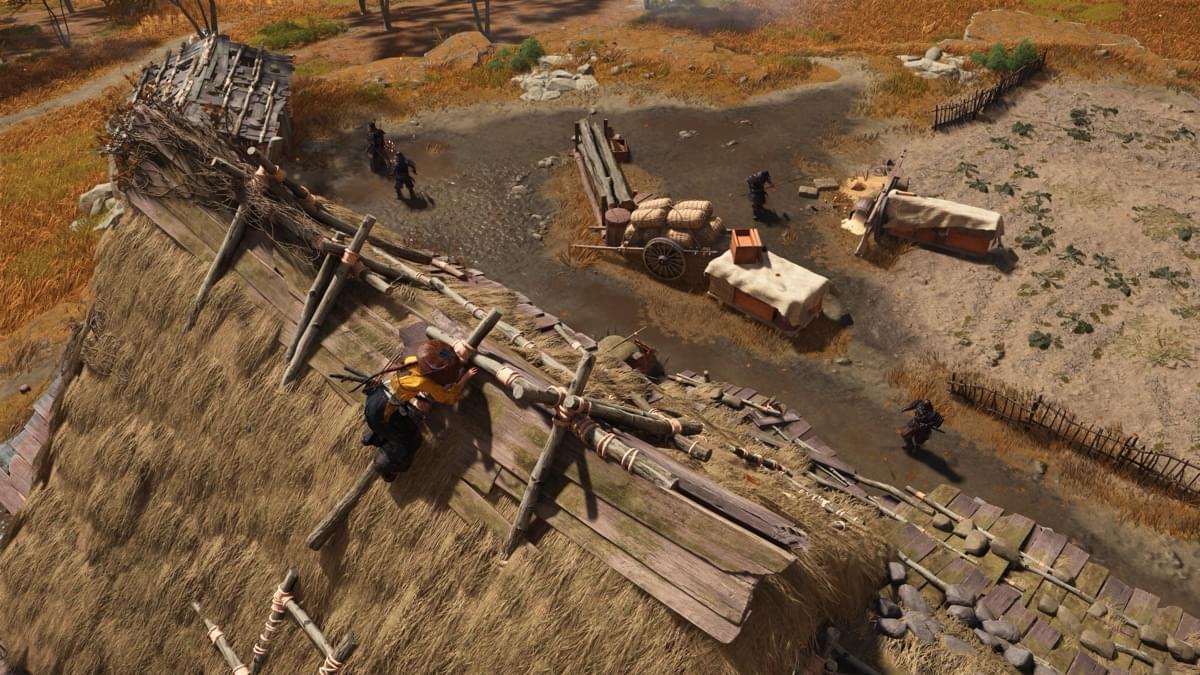
What elevates this further is the disarm mechanic and throwable integration. Enemies can wrench your blade free with unblockable sweeps, but Atsu counters by rolling through and snatching theirs mid-air, hurling katanas or yari back into exposed torsos for crowd-clearing chaos. Charms and armour sets let you granularly tune loadouts – boost throwable drop rates, amplify quickfire damage, or add blinding effects to sake bombs – creating distinct playstyles that behave identically in core movesets yet feel worlds apart. A chain-assassination build in tall grass flows into kusarigama pulls and smoke-bomb vanishes, turning camps into balletic wipeouts. Traversal supports this aggression: Atsu’s grapple hook latches reliably onto foxfire-lit points, though occasional platforming hiccups – like overshooting ledges or finicky climb prompts – remind that physics tuning isn’t flawless.
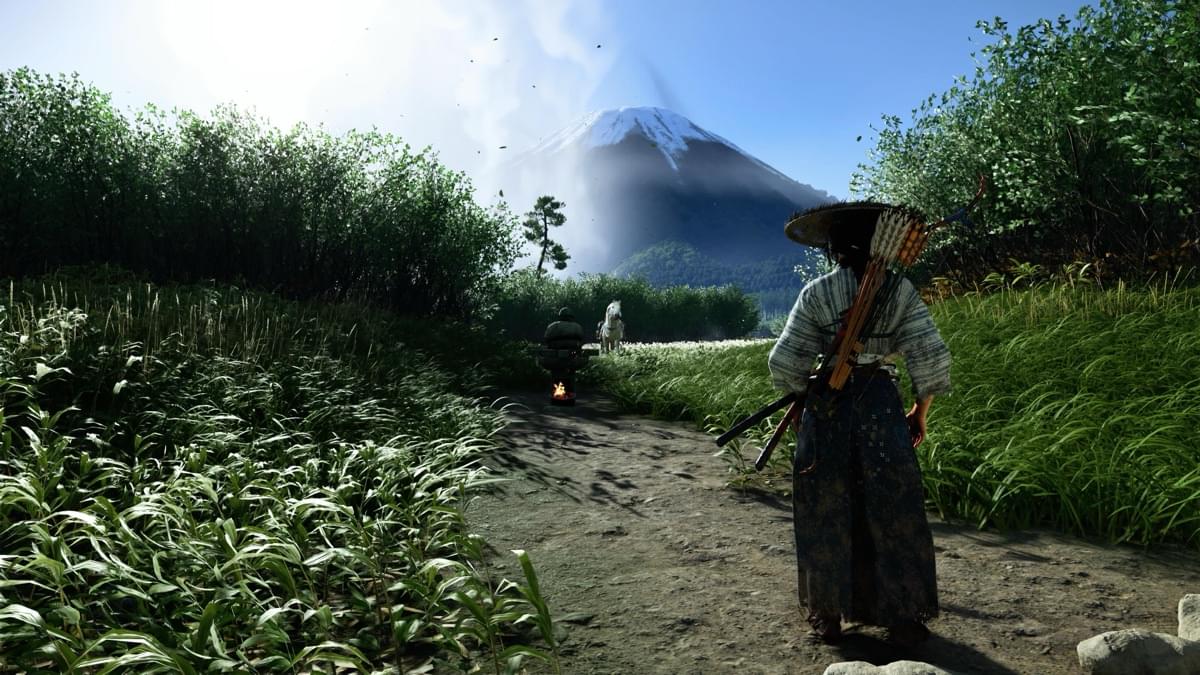
The open world, meanwhile, sheds Tsushima’s checklist clutter for organic discovery, guided by wind, eagle perches, and aurora-glowing shrines. Biomes transition with PS5 Pro-worthy fidelity: ray-traced snow accumulation, swaying foliage in gales, wildlife that flees or stalks intelligently. DualSense elevates immersion further – haptics pulse through fur cloaks in blizzards, adaptive triggers resist during heavy odachi swings, and cooking minigames via touchpad feel tactile and unhurried.
Traversal and exploration cohere into a loop of serene tension – horseback gallops through bamboo groves give way to glider dives over abysses, all underpinned by Ilan Eshkeri’s shamisen-taiko score that swells organically. Side activities shine without bloat: liberate plague-ridden villages via siege or shinobi tactics, hunt kitsune for lore, or etch your legend in superboss duels echoing Kurosawa’s mythic clashes. Post-launch Legends multiplayer promises gear farms akin to Tsushima’s expansions, with transmog freeing cosmetics from grinds. Minor niggles persist – a predictable story arc, occasional enemy quantity overwhelming quality in prolonged stretches – but they pale against the polish.
Read also: Donkey Kong Bananza: DK Island: Emerald Rush DLC Review: Tale of Two Halves
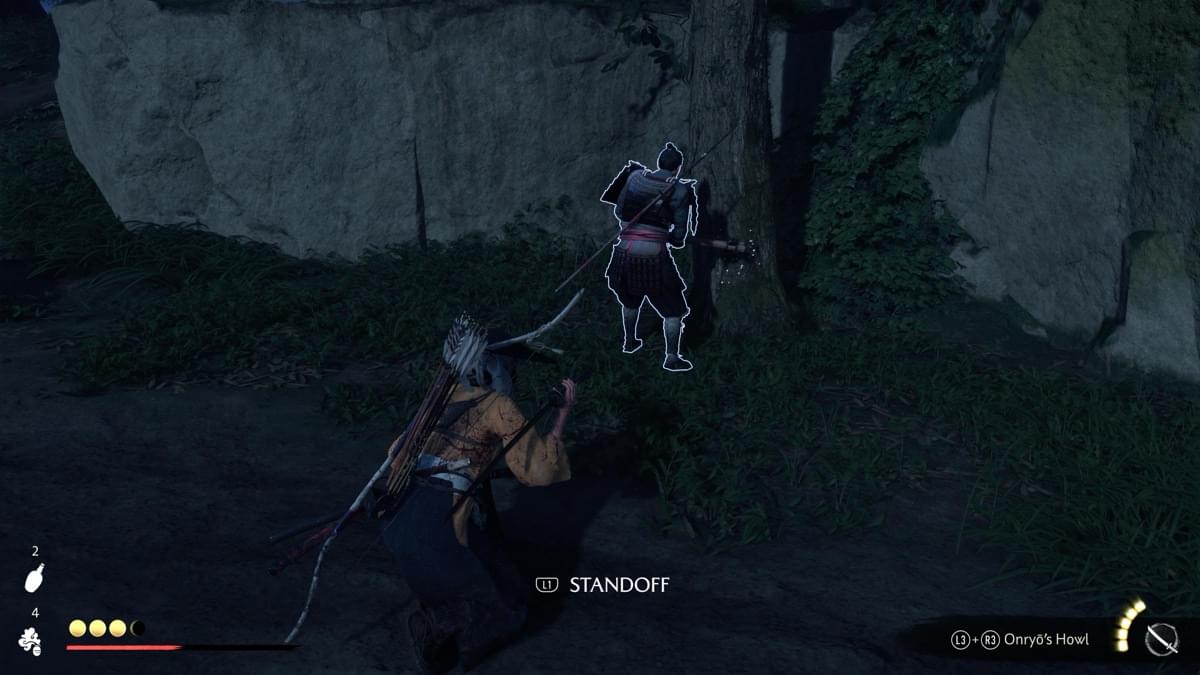
Now, consider the technical presentation. Ray tracing integrates seamlessly into global illumination, casting realistic light bounces off snowdrifts and metallic armour without taxing performance unduly – quality mode hits native 4K at 30fps on base PS5, while Pro’s RT Pro mode pushes 1080p. Performance remains rock-solid across the board, locked near 60fps in priority modes post-day-one patch, with input latency shaved to 16ms frame times that make sword clashes feel instantaneous. Cinematics retain RT fidelity at 30fps, bridging gameplay and story without jarring drops, and HDR grading amplifies Ezo’s auroral skies into vivid poetry.
DualSense implementation stands as one of the controller’s finest hours since Astro Bot, weaving haptics into every texture and interaction with surgical subtlety. Rain patters on your map and Atsu’s cloak with directional vibrations from voice-coil speakers; blowing into the mic ignites campfires as embers crackle through the chassis; shamisen plucks resonate via the onboard speaker, balanced against taiko thunder from your TV. These aren’t gimmicks – they’re extensions of the world, making Ezo feel alive in your hands during quiet foraging or frantic duels.
The narrative draws deeply from Ainu folklore and Edo-era history, consulted with cultural advisors during Sucker Punch’s Hokkaido research trips. Atsu’s path mirrors the frontier’s sparsity: wild homesteads punctuate untamed wilderness, cherry groves signal Matsumae incursions, and yokai riddles evoke indigenous spirits without appropriation. Flashbacks scar her with the Yōtei Six’s atrocities, her ledger a bloodied map to redemption or damnation, allies like a kitsune-shaman grounding the supernatural in authentic lore. It’s a revenge tale sharpened by moral ambiguity, where ghost powers tempt corruption amid Ezo’s mythic isolation.
Verdict
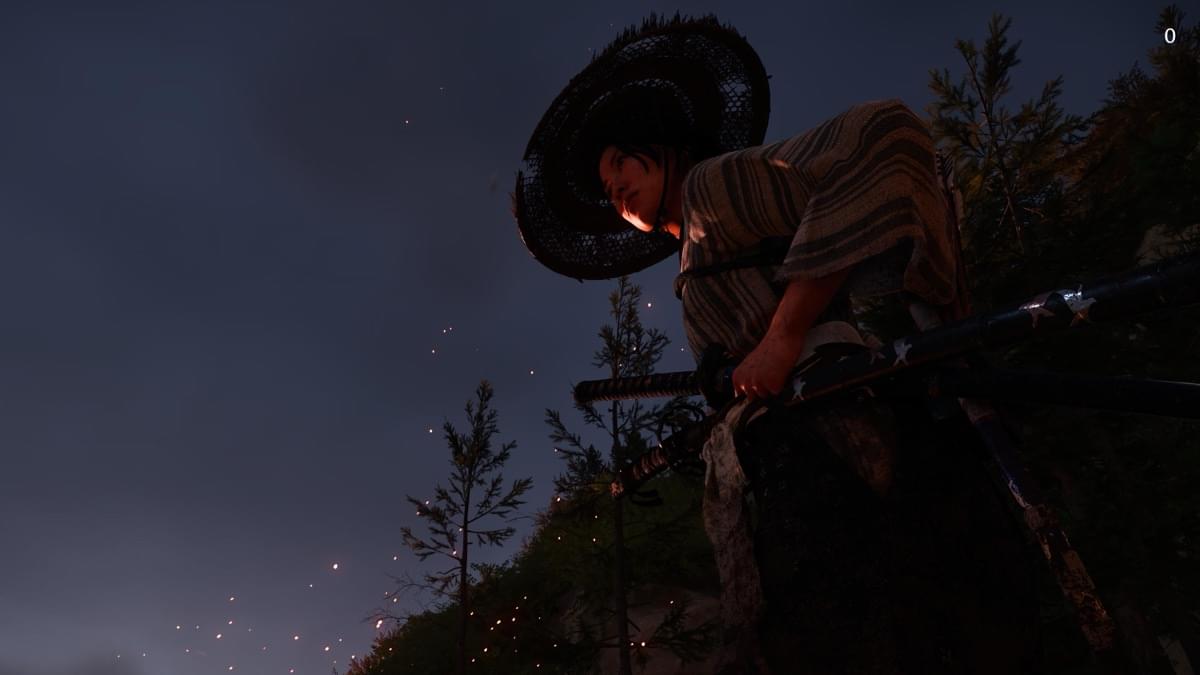
Ghost of Yōtei realises the PS5’s potential as a samurai simulator par excellence, refining every frame, clash, and vista into unflinching excellence. From RT-lit blizzards to haptically etched vendettas, it iterates without reinvention, delivering a world that rewards precision and patience in equal measure.

