





© ROOT-NATION.com - Use of content is permitted with a backlink.
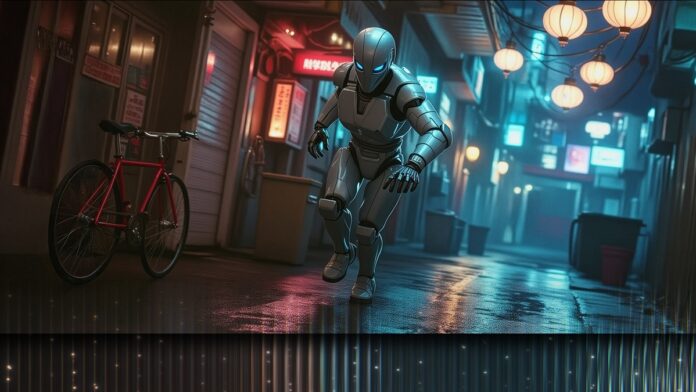
NVIDIA introduced a new tool for 3D artists called AI Blueprint, designed for generating 3D objects. The tool allows users to create up to 20 objects for scene prototyping using simple text prompts.
In traditional workflows, artists often have to create temporary low-detail models to fill a scene and evaluate its composition. This process can be time-consuming, as these draft objects are frequently discarded and replaced with higher-quality versions. As a result, artists spend hours on routine modeling instead of focusing on the creative aspects of their work.
AI Blueprint addresses this issue by leveraging generative AI. The system automatically suggests up to 20 potential objects for a scene based on a text description. An integrated Llama 3.1 8B language model generates a list of ideas, after which the NVIDIA SANA framework produces high-quality preview images for each object. Artists can then keep, edit, or reject any of the options.
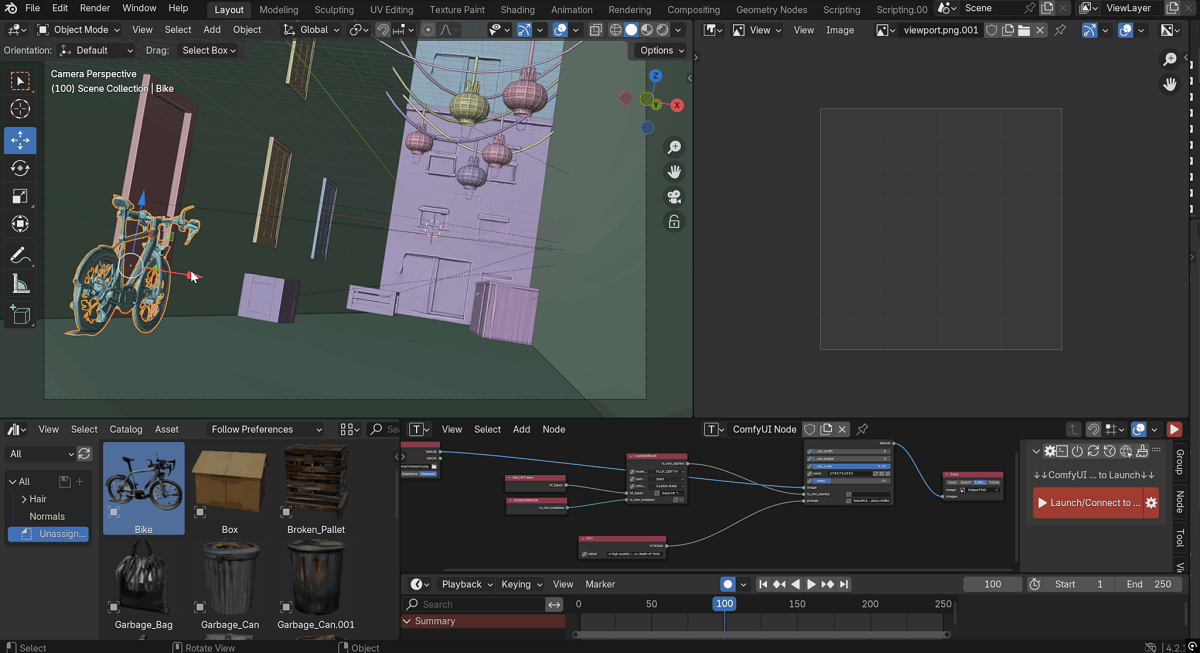
Once the visual choices are finalized, the Microsoft TRELLIS NVIDIA NIM microservice converts the selected images into full 3D models. The tool not only simplifies the creation of complex objects with detailed textures but also runs about 20% faster thanks to PyTorch optimizations. According to NVIDIA, this results in an average time savings of roughly six seconds per generated object when using a GeForce RTX 5090 GPU. For 3D freelancers working with hundreds of assets in large scenes, this can be a significant advantage.
The generated models are ready for use in popular 3D editors. AI Blueprint automatically exports assets to Blender, and integration with other software is also available. This allows users to move quickly from initial concepts to complete 3D scenes without spending time on complex workspace setup.
The Microsoft TRELLIS microservice is supported on all GeForce RTX 50 and 40 series GPUs with 16 GB of memory or more, including both desktop and mobile devices. This makes the tool accessible to a wide range of 3D artists, game designers, architects, and digital content creators, speeding up the prototyping process and expanding creative possibilities.
Read also:
- Why I Always Choose NVIDIA – ft. ASUS
- Everything You Need to Know About NVIDIA DLSS 4.0 and Reflex 2: What They Offer and Why They Matter