





© ROOT-NATION.com - Use of content is permitted with a backlink.
The release of the previous version of DeepSeek V4 comes a little over a year after the R1 model from the same lab made a splash on the global tech market. The previous product managed to demonstrate results at the level of top benchmarks, spending only a tiny fraction of the budgets of such giants as Google or OpenAI, and now V4 raises the bar again. The Hangzhou-based lab has introduced two versions of the system: a high-performance Pro version and a lightweight Flash version. Both neural networks are open-source, offer extremely aggressive pricing, and operate on an infrastructure that, at least officially, completely distances itself from NVIDIA technologies.
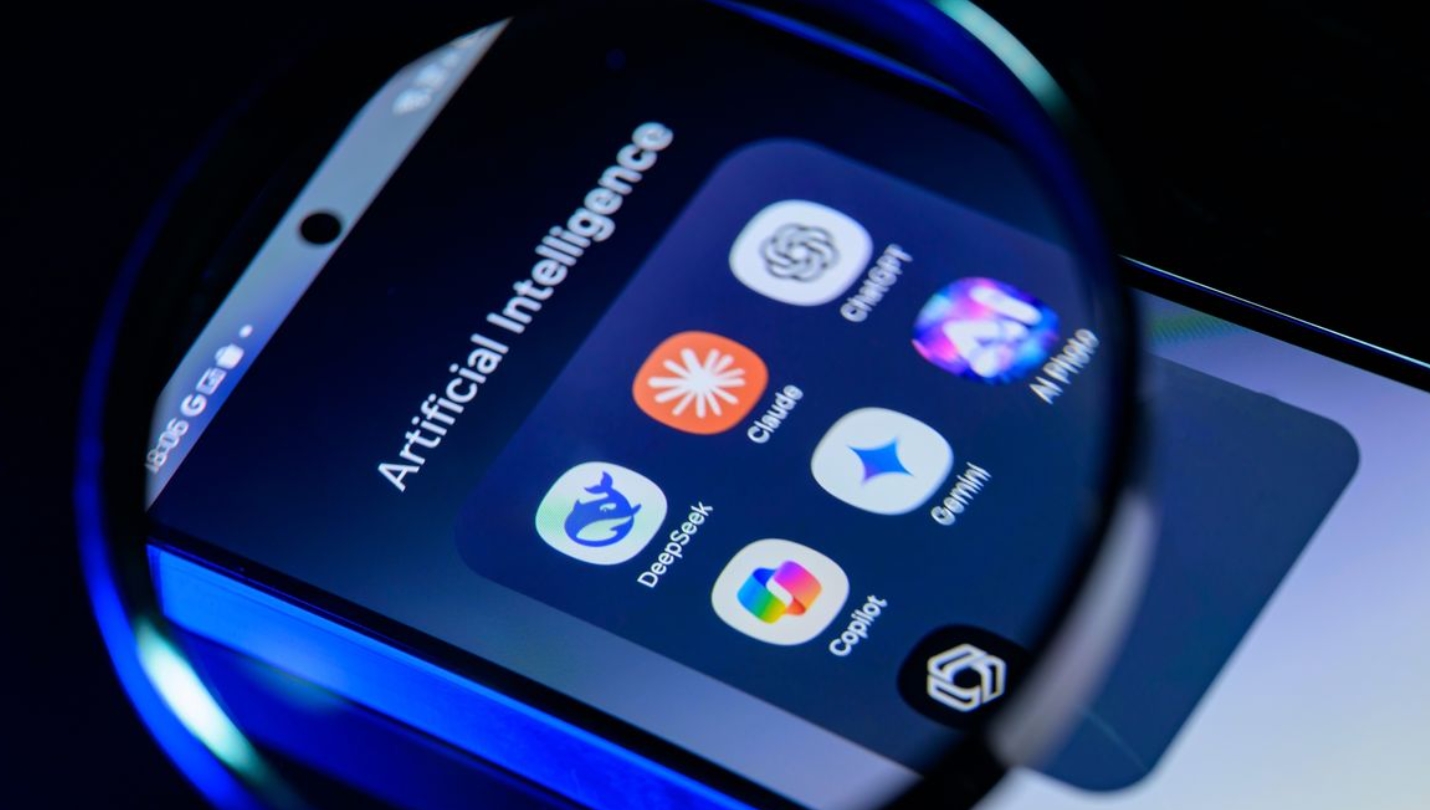
The release includes two variations: DeepSeek-V4-Pro, which has 1.6 trillion parameters, and DeepSeek-V4-Flash, which has 284 billion parameters. Both solutions are equipped with a context window of 1 million tokens and support two modes of operation – with and without the activation of logical thinking. This allows developers to choose between lightning-fast answers and a deep, consistent chain of reasoning, depending on the complexity of the task. Huawei has officially confirmed the compatibility of the new product with its Ascend supernodes line, although the DeepSeek developers decided not to disclose the hardware used to train the model.
At the current stage, V4 can only work with text data, but the lab is actively preparing multimodal functions for future video and image processing. At the time of the launch, the throughput of the Pro version was severely limited due to a shortage of high-performance computing power. Despite this, the models have become the cheapest in their categories: the price per million incoming tokens is $1.74 for Pro and only $0.14 for Flash.
The use of the preview status is a strategically important step, as it allows developers to collect user feedback and make adjustments before the official full release. The company has not yet given an exact timeline for the final release of the product, which is an honest acknowledgment of the need for refinement that the industry must take into account before accepting the test results as final. The lack of the ability to analyze visual content at the start is a significant limitation for those teams planning to integrate V4 into workflows that require object recognition in photos or videos.
The hardware issue is particularly noteworthy. While DeepSeek has previously relied on NVIDIA chips, the current release demonstrates a clear step towards cooperation with Huawei. Huawei has confirmed that its Ascend 950-based supernodes are fully ready for V4 deployment, indicating deep integration with Chinese vendors. However, it remains an open question whether the model was actually trained on Ascend silicon or whether NVIDIA’s facilities, acquired before the export restrictions were tightened, were used for this purpose. While the benchmarks are grabbing headlines, the real revolution is in the cost of services. The prices offered are not just slightly lower than the competition – it’s a structural shift that is forcing the entire market to respond to this challenge.
DeepSeek frankly admits that the shortage of advanced computing resources is currently limiting the service capabilities of the V4-Pro version. This reflects the real difficulties of creating advanced AI based on internal Chinese developments under US sanctions. As the Ascend 950 hardware environment is scaled up, the system’s performance is expected to increase and the cost of use may drop even lower, although no specific schedule for capacity expansion has been approved. Immediately after the V4 announcement, shares of Chinese chipmakers, including SMIC and Hua Hong Semiconductor, rose sharply in Hong Kong trading. The market has drawn its own conclusions about what the emergence of a Huawei-compatible advanced model means for the development of the domestic semiconductor ecosystem.
Read also: