





© ROOT-NATION.com - Use of content is permitted with a backlink.
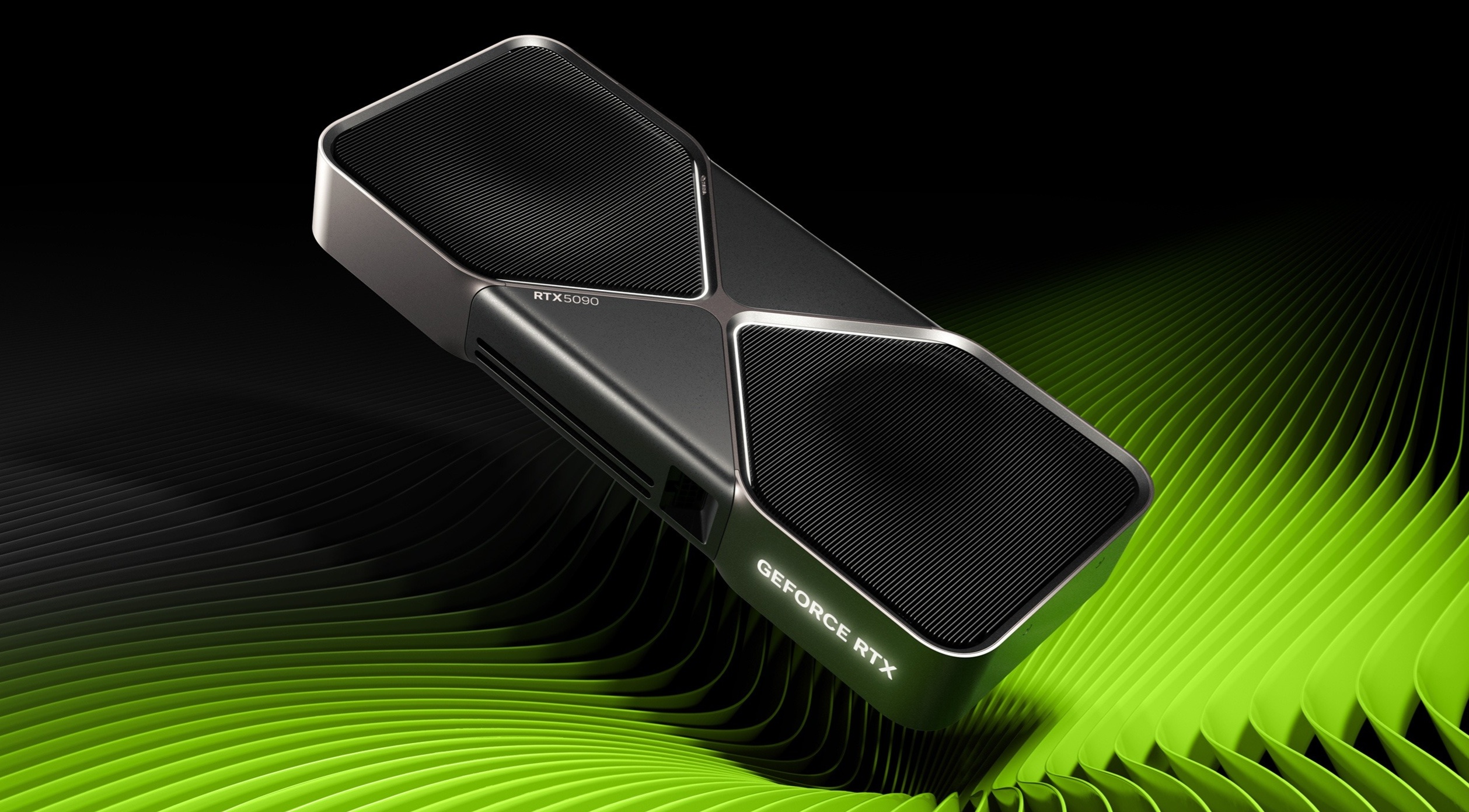
It’s hard to believe that when the RTX 5090 was first announced at last year’s CES, NVIDIA listed a suggested retail price of $1,999. Even considering that the suggested retail price is usually just a guideline, the hype surrounding AI has caused prices to skyrocket. Right now, in North America, you’ll have to pay at least $5,000 for a new RTX 5090, and in other parts of the world, even more. This represents a 2.5-fold increase in price in less than two years, and the entire RTX 50 series has faced a similar fate.
The most affordable version of the RTX 5090 in the U.S. right now is the Zotac Solid OC, which Newegg lists at $4,999. It comes bundled with a $60 game and a $145 power supply. Higher-end models, such as the ROG Astral 4X OC, are selling for $6,000, although retailers were asking $3,360 for them last year. This represents nearly a twofold increase over 12 months and is three times the originally announced price, although in this case, we’re talking about an exclusive model.
In Europe, the cheapest RTX 5090 available in Germany is the MSI Gaming Trio OC model for €4,850 (about $5,620). According to Geizhals, this same card cost €2,249 ($2,600) a year ago, meaning its price has more than doubled. Moreover, just last month it was €800 ($927) cheaper. The ROG Astral 4X OC version is priced at €5,300 ($6,143), whereas during the same period last year it cost €2,870 ($3,326) – again, representing an almost twofold increase in price.
Other popular graphics cards in the RTX 50 series, including the RTX 5080, RTX 5070 Ti, RTX 5060 Ti 16GB, and RTX 5060, have also seen price increases. Right behind the RTX 5090, the RTX 5060 Ti 16GB was hit the hardest, rising 77% in price (currently $761) compared to its original price of $429. The RTX 5080 has seen a 55% price increase ($1,549 instead of $999), while the RTX 5060 (up from $299 to $448) and the RTX 5070 Ti (up from $749 to $1,119) are now priced at approximately 50% above their launch prices.
NVIDIA’s base model – the RTX 5050 – has seen the smallest changes in this situation. But even it has risen in price by 20%, climbing from the recommended $249 to the current $299. The RTX 5060 Ti 8GB variant, which buyers often overlook in favor of the 16GB version, has gone up 32% in price and now costs $500, compared to $380 at launch. Overall, the entire Blackwell family has seen an average price increase of about 60%, which is 1.6 times higher than the initial suggested retail prices.

The situation with graphics cards mirrors developments in the SSD and RAM markets: shortages of key components are arising due to their active reallocation to corporate clients who are expanding their AI capabilities. Over the past 12 months, RAM prices have risen by 500%, and SSDs are showing a similar trend. The overall rise in component prices is making DIY PC builds increasingly less affordable.
See also: ASUS ROG Astral RTX 5080 16GB OC Review: A Flagship… but Only for Gamers