






© ROOT-NATION.com - Use of content is permitted with a backlink.
The Suno AI music generator found itself at the center of a high-profile scandal after a data leak revealed that a massive collection of songs, lyrics, and podcasts gathered from other services had been used to train the model. These platforms included YouTube Music, Deezer, Genius, Pond5, Jamendo, Freesound, IMSLP, as well as podcast RSS feeds, as reported by 404 Media.
Data uncovered by a hacker going by the handle “ellie.191” indicates that Suno used millions of copyrighted tracks and over a hundred thousand hours of audio material to train its systems. A single internal dataset related to YouTube Music alone contains over two million clips. Other datasets include stock music libraries, classical sheet music, archives of song lyrics, and spoken-word content from podcasts.
Read also: AERONAUT – everything that flies above the ground: aviation, UAVs and drones, rockets, and space
Previously, Suno representatives openly acknowledged that they train their models on virtually all music files of acceptable quality available on the open web (regardless of whether they are behind a paywall or password-protected), as well as on associated audio and text metadata.
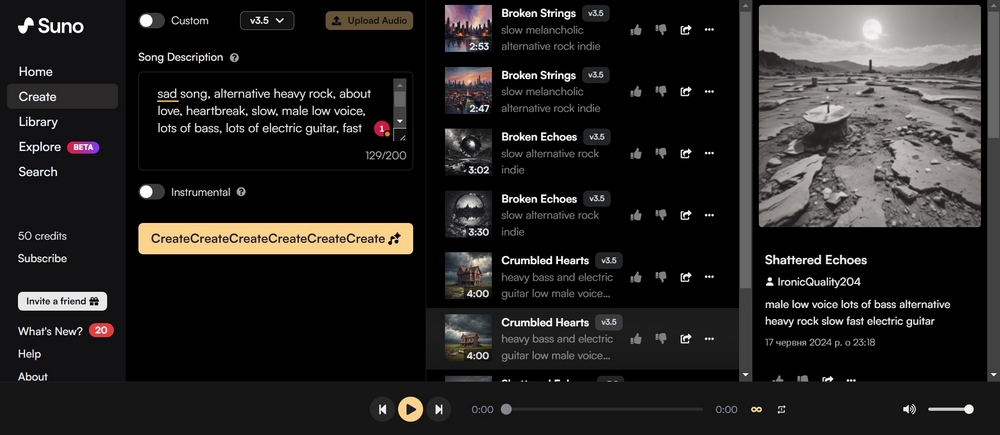
Music labels accused the company of directly downloading tracks from music platforms in violation of copyright laws, service terms of use, and regulations regarding the circumvention of technical protection measures. Suno, however, maintains that its use of this material falls under the concept of fair use and notes that it has implemented restrictions to prevent the exact copying of specific compositions.
It is worth noting that Warner Music Group (WMG) settled a major legal dispute with Suno last year, agreeing to grant the company official permission to train its systems using its music catalog. However, artists on other platforms have not consented to the use of their work as training data for AI, which exposes Suno to new lawsuits and risks a massive loss of user trust.
Read also: AI Text Detector: What It Catches and What It Misses