





© ROOT-NATION.com - Use of content is permitted with a backlink.
Battery security cameras have conditioned us to accept gaps. Someone walks up, the camera wakes up late, and the clip starts right when the interesting part is already over. The Reolink Altas PT Ultra is designed to erase that whole category of failure by doing the battery-cam taboo: staying awake long enough to feel like a wired system, without turning your home into a weekend cable-routing project.
That ambition is backed by two pieces of hardware that set the tone immediately: a huge 20,000mAh battery, and a lens-and-sensor combo built for low light. If you’ve ever missed a porch pirate because your camera decided sleep was more important than evidence, the Altas PT Ultra feels like Reolink taking it personally.

TABLE OF CONTENTS:
The hardware
The Altas PT Ultra looks and feels like a camera made by people who are tired of tiny compromises. It’s big, it’s heavy, and it mounts like it expects to live outside year-round. The reason is straightforward: it’s carrying that 20,000mAh battery, and the enclosure is shaped around the reality that power is your most precious resource when you refuse to run wires.
Pan-and-tilt is the other half of the physical story. This isn’t a fixed-lens camera that forces you to buy three units to cover one yard; it’s meant to sit up high, sweep the space, and behave like a single roaming lookout. Reolink specs it for a 355° horizontal pan and 90° vertical tilt, which in real-world use means you can aim it down a driveway, then swing it over to a gate or side yard without wishing you’d mounted it somewhere else.
Read also: Reolink Argus 4 Pro review: Seeing In The Dark Just Got A Whole Lot Wider

The promise that makes the Altas different is continuous recording on battery power, which Reolink positioned as a headline feature from launch.
Video quality: the “evidence” look
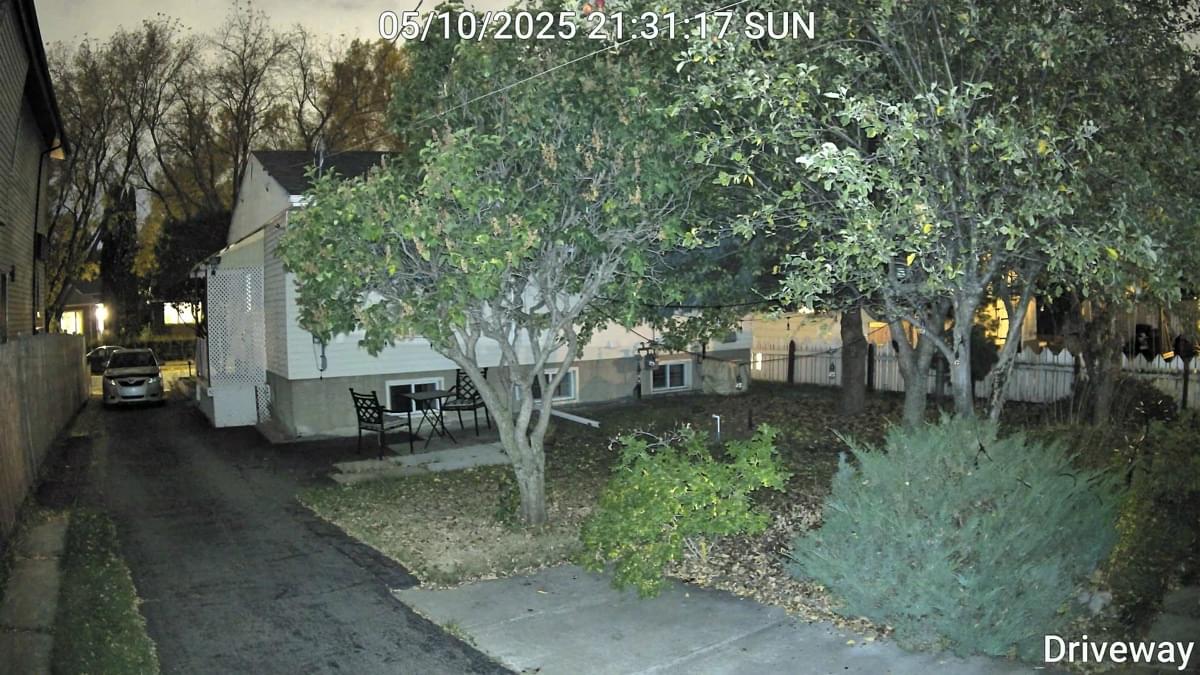
Specs are marketing until they show up in footage. Here, the Altas PT Ultra earns its keep, especially once the sun drops. The camera pairs a 1/1.8-inch sensor with an f/1.0 aperture lens, and those two numbers matter because they’re basically a declaration that Reolink is chasing usable night video, not just a spooky grayscale vibe.
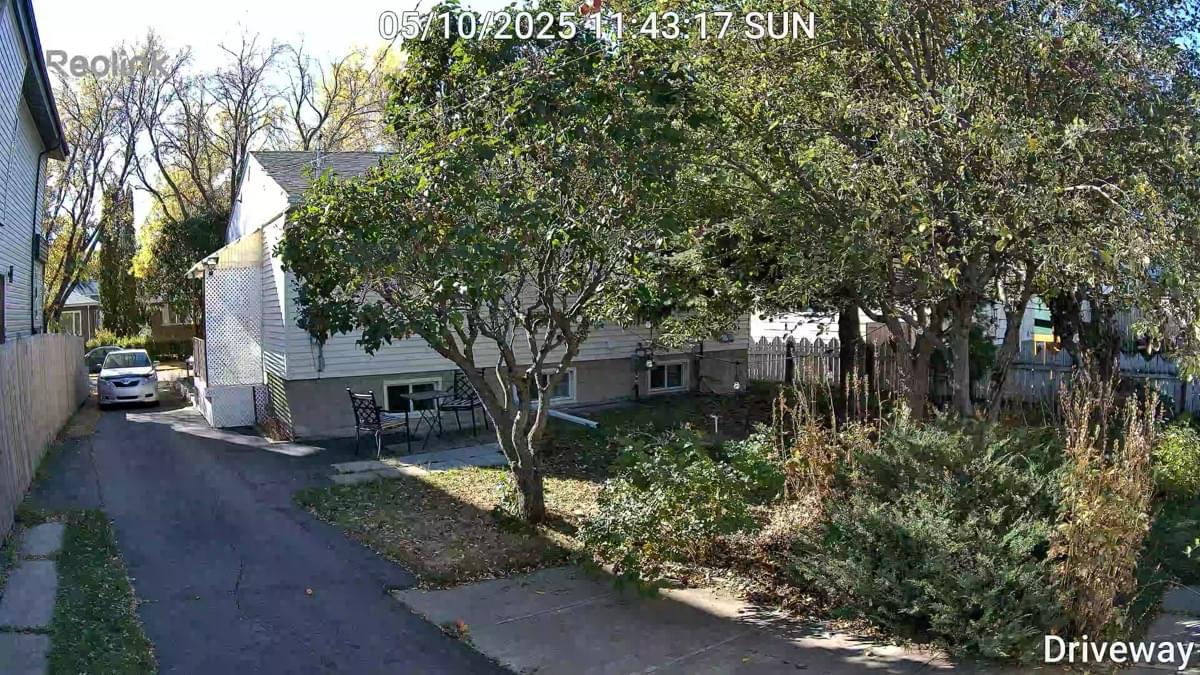
Reolink’s ColorX pitch is that it can hold onto color at night instead of flipping to infrared. In practice, that changes what you can actually do with your recordings: you get more context, more distinction between objects, and fewer moments where you’re squinting at a monochrome blob and trying to convince yourself it’s a person. The Altas also makes more sense of pre-event moments because it’s operating more like a continuously aware camera than a device that’s always half-asleep.
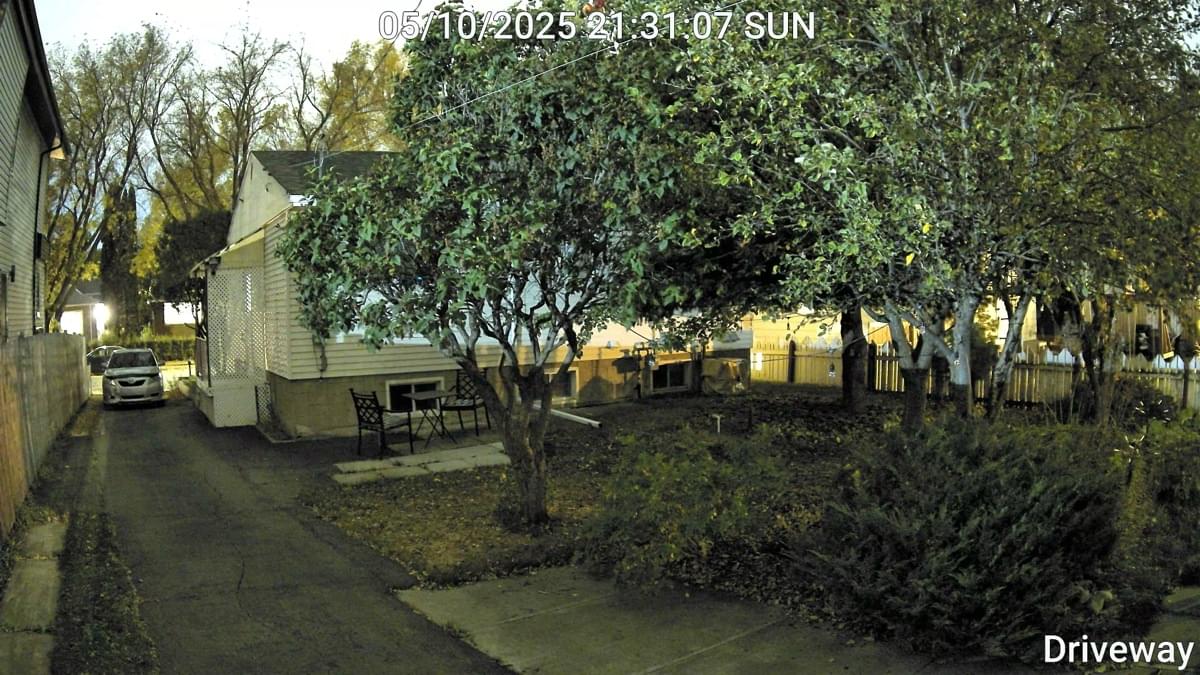
The other thing you notice is how this kind of camera changes your relationship to motion events. When your system can keep rolling, you stop living and dying by notifications. You can still use them, of course, but you’re not betting your security posture on whether the PIR sensor woke up fast enough to catch the approach.
Software: refreshingly local, slightly nerdy
The Altas PT Ultra’s software experience is a quiet rebuttal to the subscription-heavy direction of the smart home. Reolink’s ecosystem is built around local recording first, with the camera storing video to a microSD card and the broader lineup supporting add-ons like an NVR or Reolink’s Home Hub for centralized storage and management.

That local-first approach pairs beautifully with the whole idea of continuous recording. Instead of treating your camera like a clip machine that only speaks when spoken to, you get a timeline you can scrub. If you’ve ever had a package go missing and found yourself trapped in the purgatory of “motion clip #1, motion clip #2, motion clip #3,” this is the antidote. The ability to set up continuous recording across storage targets is also explicitly documented by Reolink, which matters because this feature lives or dies on whether it’s stable and repeatable, not just a checkbox in an app.
The app itself leans more “control panel” than “lifestyle dashboard.” It’s not trying to charm you; it’s trying to give you knobs. That means more options, more settings, and more ways to tailor how the camera behaves – especially useful on a pan-and-tilt unit where you want to decide when it tracks, when it patrols, and when it should just sit still and behave. It also means a slightly steeper learning curve than the cameras that try to hide complexity behind a single oversized “Arm” button.
Read also: Reolink Video Doorbell review: Freedom from Subscriptions

The upside is that the Altas feels like a device you own, not a service you rent. If your priority is keeping footage in your control, and keeping the recurring costs out of your security stack, Reolink’s approach is a core part of the appeal – not a footnote.
Alberta winter test: where battery cams usually tap out
Here’s what I cared about most: whether this camera would turn into a seasonal decoration once winter got serious.
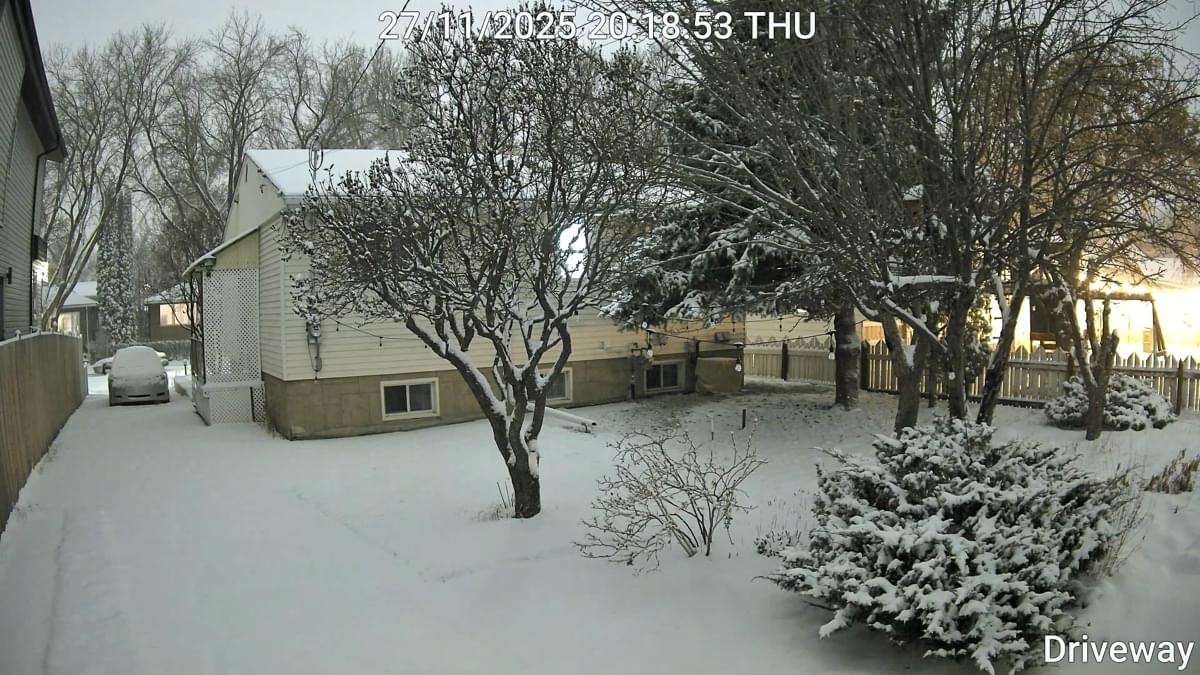
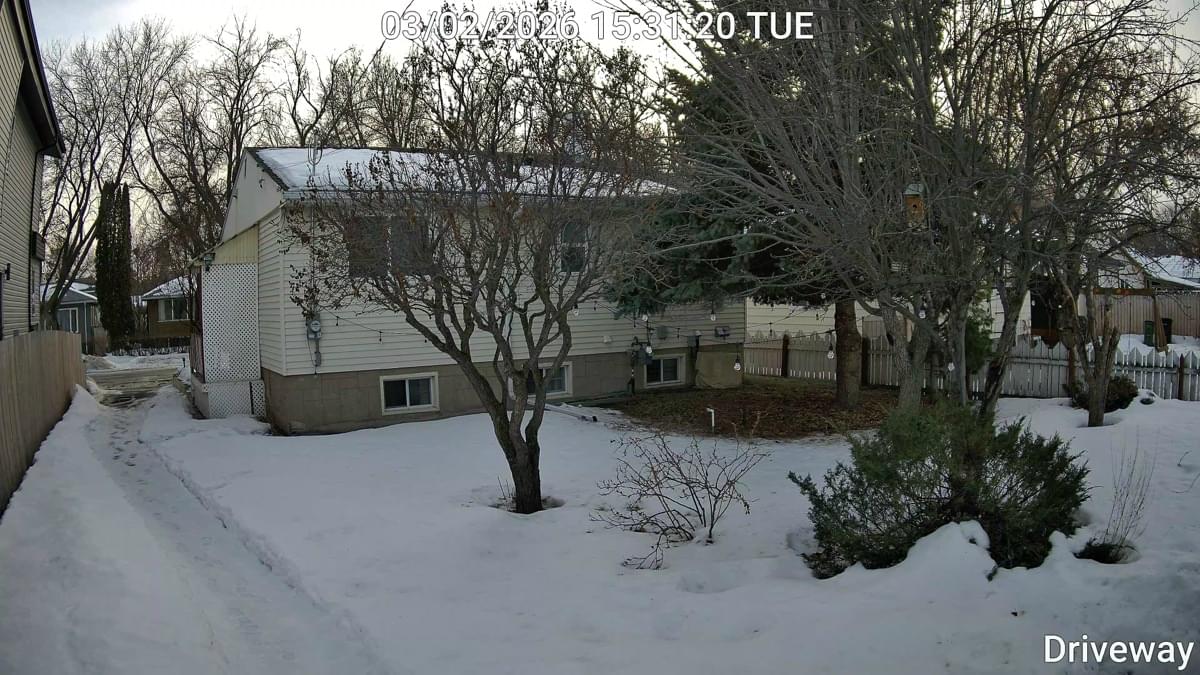
In Alberta conditions, it worked great down to about -20°C. A few times it went dead on me – fully offline, the kind of moment where you assume you’re headed for a ladder and a reset – then it came back without drama. Cold weather absolutely made the battery struggle; you can feel the chemistry fighting back, and you should expect the same if you’ve ever watched your phone go from “fine” to “why is it at 12%” in a ski jacket pocket.
But the important part is what didn’t happen. The camera never failed completely in a way that made it unusable long-term. Outside of the really punishing -30°C days, it stayed on. That reliability matters more than any lab spec because winter is when you’re least interested in troubleshooting, and most interested in the camera simply doing its job: being there, recording, and not making you pay attention to it.
It also reframes the solar panel. In summer, solar feels like convenience. In winter, it’s part of resilience – less about “infinite battery” and more about stretching the system’s margins when the environment is actively hostile.

Verdict
The Reolink Altas PT Ultra is what you buy when you’re done pretending that “motion-only” is enough. Its biggest flex isn’t 4K or pan-and-tilt – it’s the way continuous recording changes the emotional math of home security, turning “hope it caught it” into “let’s roll back the timeline.”
It’s also a rare battery camera that feels genuinely prepared for real night conditions, thanks to its f/1.0 lens and 1/1.8-inch sensor foundation. And in a climate that makes most battery gadgets feel fragile, it held up for me through Alberta winter behavior that would normally expose every weak link in a wireless setup.
This isn’t the smallest, cutest camera you can mount under an eave, and the software doesn’t try to win design awards. But if what you want is a camera that behaves like it has nothing to hide – recording locally, staying awake, and staying on even when the forecast turns mean – the Altas PT Ultra is an easy one to like.

