




© ROOT-NATION.com - Use of content is permitted with a backlink.
There’s a certain subscription fatigue setting in among even the most ardent smart home enthusiasts. What started as a promising ecosystem of interconnected devices has slowly morphed into a minefield of monthly fees. Your thermostat, your security cameras, and yes, your video doorbell, all want a piece of your recurring revenue. It’s into this climate of fiscal caution that Reolink, a company better known for its prosumer security cameras, has lobbed a grenade in the form of its Video Doorbell.
Reolink’s proposition is simple: pay for the hardware, own your data. It’s a direct challenge to the Rings and Nests of the world, a throwback to a time when buying a product meant you actually, you know, owned it. But in a market dominated by slick, venture-backed giants, can a more traditional, feature-focused approach truly compete? We’ve spent some time with the Reolink Video Doorbell to find out.
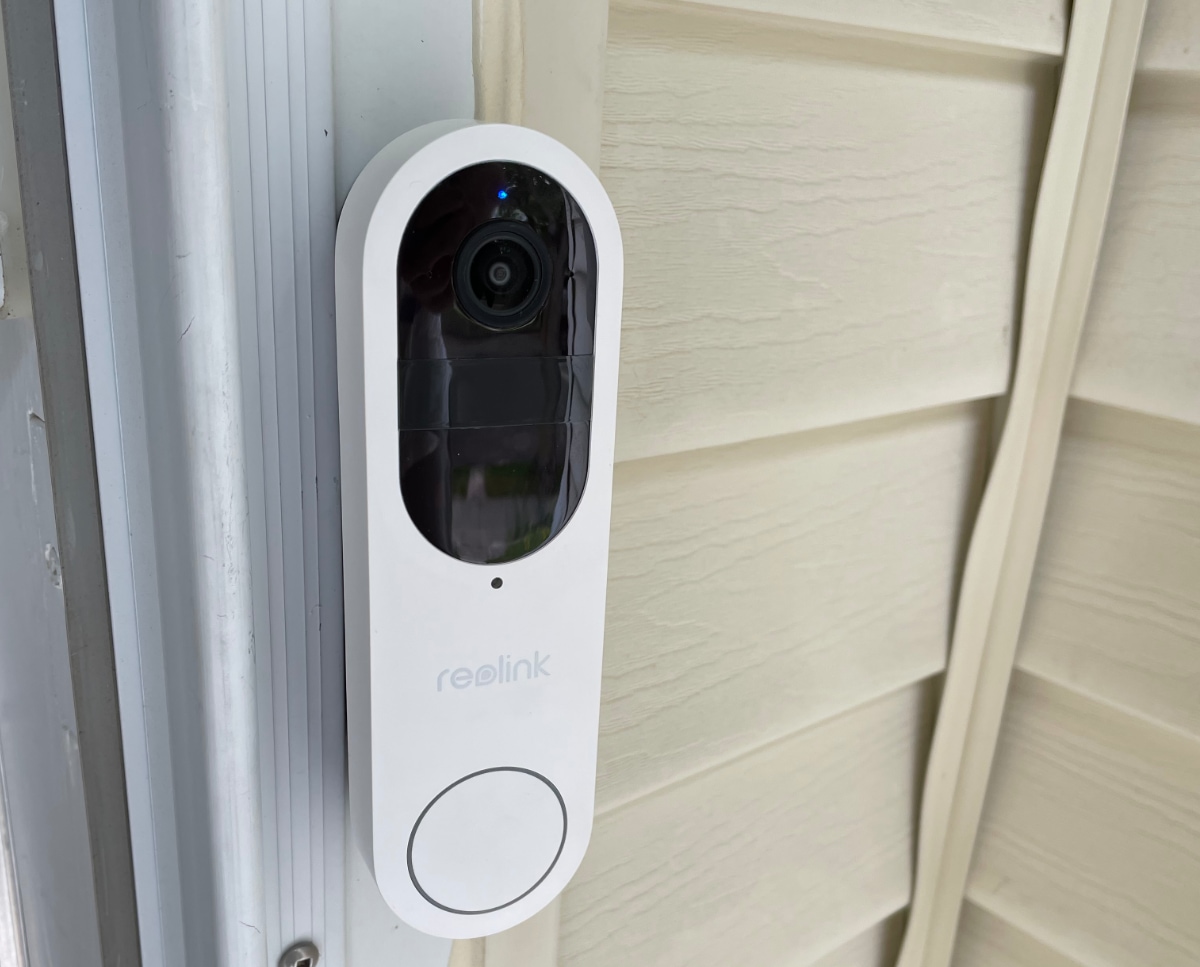
TABLE OF CONTENTS:
Positioning: The Pragmatist’s Choice
Reolink isn’t trying to win on brand recognition alone. Instead, it’s targeting the discerning consumer who values technical specifications and local storage over the curated, and often costly, walled gardens of Amazon and Google. The company offers a few different flavors of its doorbell: a Power over Ethernet (PoE) version for the networking nerds, a dual-band Wi-Fi model for a more traditional setup, and a battery-powered option for those who shudder at the thought of messing with electricity.
This variety speaks volumes about Reolink’s target audience. The inclusion of a PoE option, in particular, is a clear nod to the home networking enthusiast who wants a rock-solid, hardwired connection. It’s a level of user choice that’s increasingly rare in the consumer tech space.
Read also: Aqara Curtain Driver E1 review – Every day like a five-star hotel
Design: Utilitarian Chic
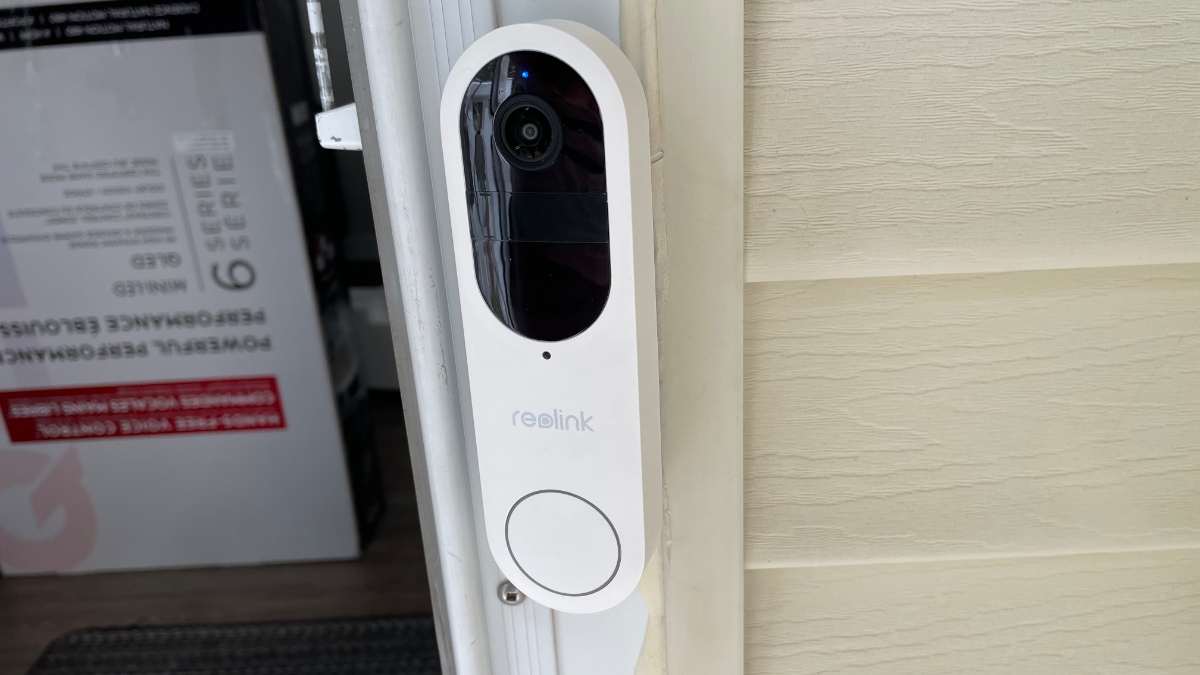
The Reolink Video Doorbell isn’t going to win any design awards but it’s still a good-looking piece of hardware that feels sturdy and modern.
There’s a certain honesty to its design. It’s not trying to be a lifestyle accessory; it’s a piece of security hardware. The build quality feels solid and durable, ready to withstand the rigors of the Canadian winter (well, hopefully – I’ll get back to you). The IP65 weatherproof rating on the PoE and Wi-Fi models provides confidence that this device is built to last.
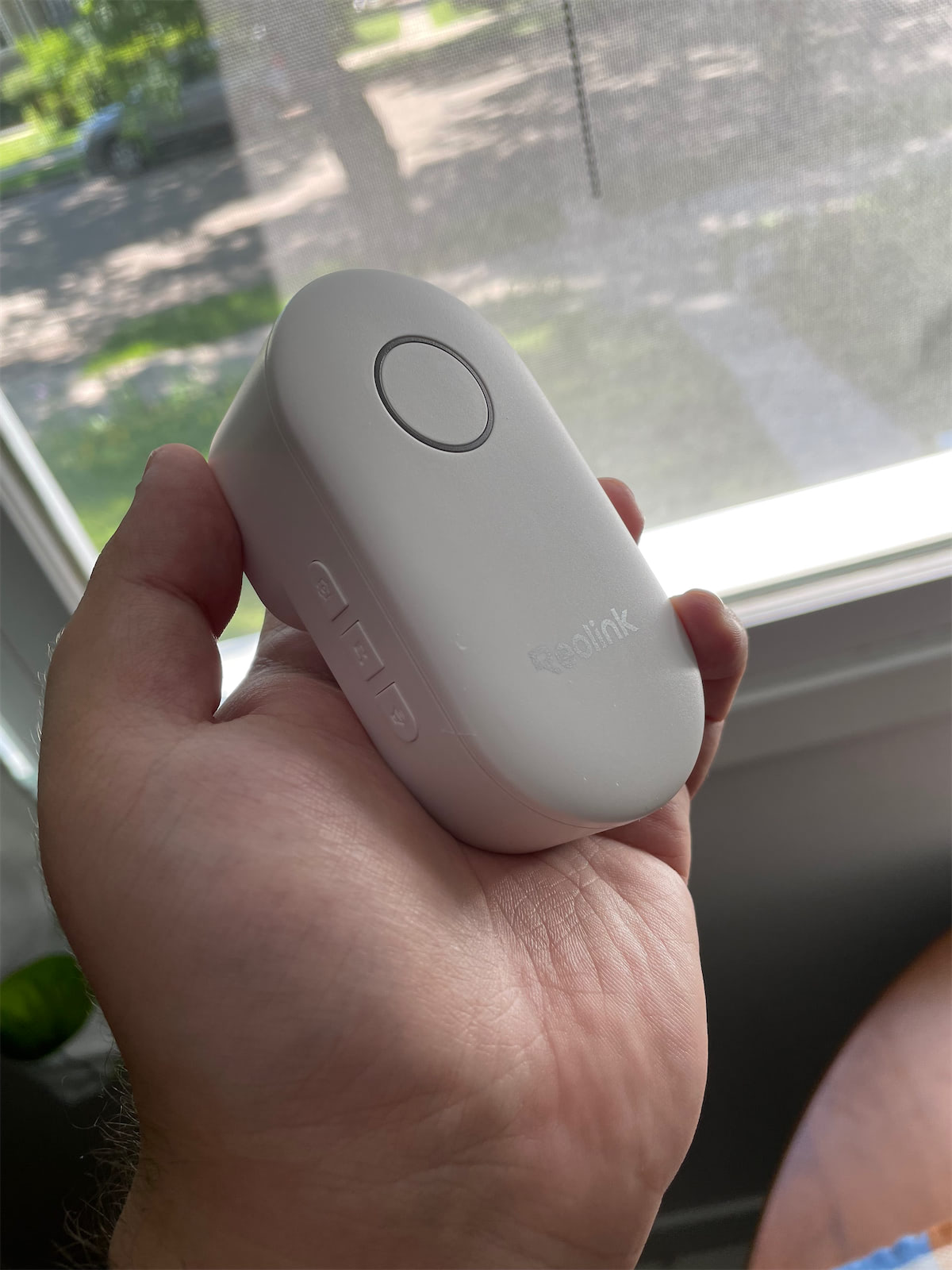
The package includes the doorbell unit itself, a plug-in chime (in some bundles), mounting hardware, and, in a welcome touch, an angled wedge to help you achieve the perfect viewing angle. The inclusion of the chime is a particularly nice touch, as many competitors sell this as a separate, and often expensive, accessory.
Hardware: Specs That Matter
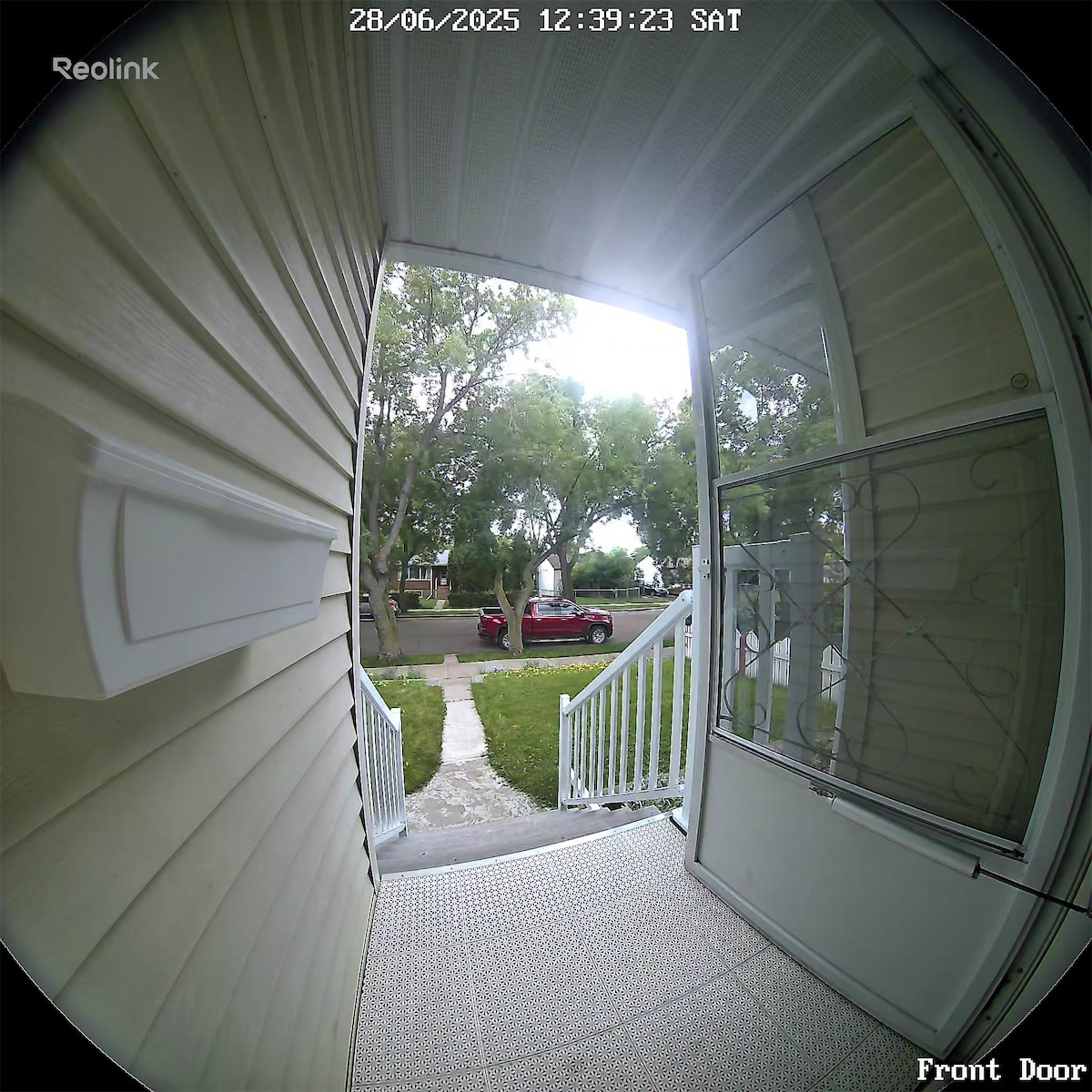
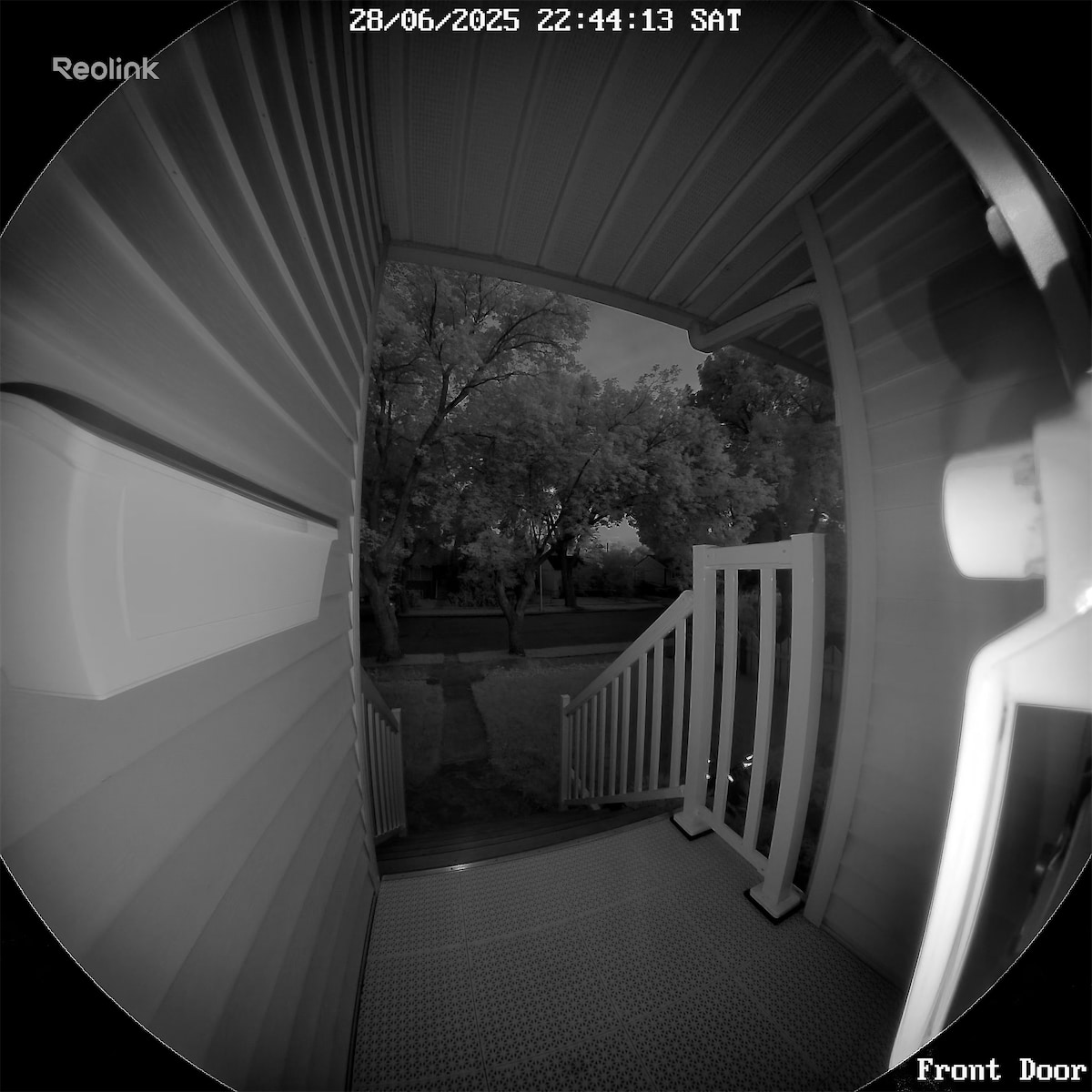
This is where Reolink truly shines. The company has crammed an impressive amount of tech into its doorbell. The wired models boast a 5-megapixel sensor that delivers a crisp 2K+ resolution (2560×1920).The video is sharp, with good color reproduction, making it easy to identify faces and read license plates.The 180-degree diagonal field of view provides a comprehensive look at your porch, and the pre-motion recording feature captures the few seconds of footage before an event is triggered, giving you the full context of what happened.
Night vision is handled by infrared LEDs, and while it’s not the full-color night vision seen in some of the more premium competitors, the black and white footage is clear and detailed. Two-way audio is standard, allowing you to communicate with visitors from your smartphone.
Read also: Goodram HX200 External SSD Review: Compact 2TB Storage
But the real star of the show for many will be the local storage option. A microSD card slot (supporting up to 256GB) means you can save your recordings directly to the device, no cloud subscription required. For those who are wary of their data living on a server somewhere, this is a massive selling point. Reolink also offers its own cloud storage service for those who want the convenience of off-site backups, but it’s entirely optional.
The battery-powered model, while offering a slightly lower 2K resolution, still packs a punch with person, vehicle, and package detection.It also offers the convenience of a wire-free installation, though you’ll have to contend with periodic recharging.
Experience: A Few Quirks in an Otherwise Solid Performance
Setting up the Reolink Video Doorbell is a relatively straightforward affair. The Reolink app guides you through the process, which involves scanning a QR code and connecting to your network. The PoE version is plug-and-play for those with the right infrastructure, while the Wi-Fi model connects to either the 2.4GHz or 5GHz band for a stable connection.
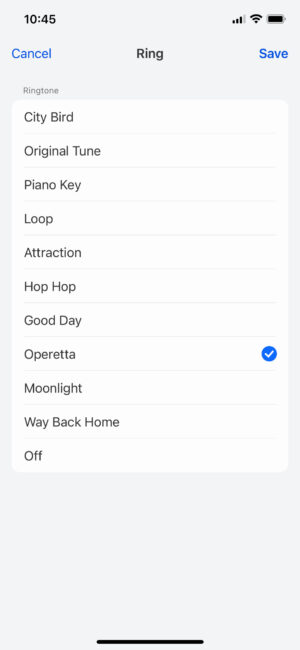
The Reolink app itself is functional, if not the most polished on the market. It provides a live view from the doorbell, access to recorded clips, and a plethora of settings to customize everything from motion detection sensitivity to notification schedules. The ability to create custom quick replies is a nice touch, allowing you to have the doorbell automatically respond with a pre-recorded message.
The ability to choose the size of the object you get notified about is essential: without using it, I got notifications every few minutes, as the doorbell detected people on the other side of the road. Now I only get notified about someone who gets on my porch.
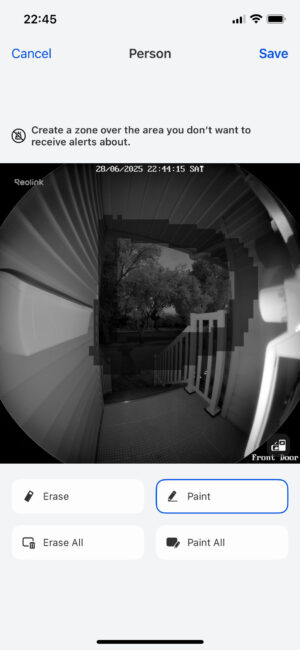
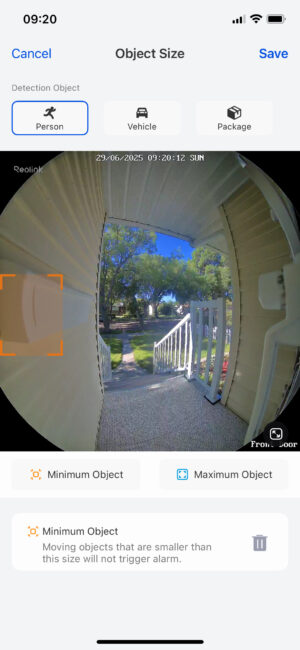
Notifications are generally prompt, and the person detection is surprisingly accurate, helping to reduce the number of false alerts from passing cars or swaying trees. However, the app’s timeline for reviewing footage can feel a bit clunky compared to the more intuitive interfaces of Ring or Nest.
One area where the experience falls slightly short is in the realm of smart home integration. While the Reolink Video Doorbell works with Amazon Alexa and Google Assistant, allowing you to view the video feed on a smart display, it lacks the deeper integrations and IFTTT support of its more established competitors. This might be a dealbreaker for those who want their doorbell to trigger a complex chain of smart home automations.
Read also: ViewSonic VX2479A-HD-PRO Monitor Review: Truly Gaming-Oriented Display
Verdict
The Reolink Video Doorbell is a breath of fresh air in a market saturated with subscription-based services. It’s a well-built, feature-packed device that delivers on its promise of high-quality video and local storage.
Is it perfect? No. The design is a bit uninspired, the app could be more refined, and the smart home integrations are somewhat limited. But these are minor quibbles in the grand scheme of things.
For the user who prioritizes performance, control over their data, and freedom from monthly fees, the Reolink Video Doorbell is an exceptional value. It’s a testament to the idea that you don’t need to be locked into an ecosystem to have a top-tier smart home experience.

