





© ROOT-NATION.com - Use of content is permitted with a backlink.
Android Pulse is an iconless update that has raised concerns among Google Play users. We looked into what it is, what it’s intended for, and whether it poses any risk of malware infection.
TABLE OF CONTENTS:
The Pulse Nobody Asked For
At the end of August 2026, many Android smartphone owners noticed a strange entry in the Google Play update list: “Android Pulse.” Instead of the usual app icon, there was just a blank gray square. No explanation, no familiar logo, and no obvious indication of where the app came from or why it was suddenly asking to be updated. For anyone accustomed to recognizing every icon on their phone, this kind of appearance can look like a small red flag: has the phone been compromised, or has some malicious software been disguised as a system component?
In reality, however, Android Pulse is a legitimate Google system component. It is designed to work in the background and help detect unusual system-resource usage by Android itself and installed applications. The component has reportedly existed since March 2026, but only recently began appearing visibly in Google Play’s update list. 
That is how the story began – a story that was picked up by major technology publications within just a few days. And while the panic turned out to be premature, the situation itself highlights just how fragile users’ trust in an ecosystem they seemingly have complete control over can be.
Read also: Everything We Know About GTA VI
Who Is This Android Pulse?
According to reports from specialized technology outlets, Android Pulse is a legitimate application developed by Google LLC and officially signed with the company’s keys. Its package name is com.google.android.apps.pulse, and on some Pixel devices it has already been listed in the system settings simply as “Pulse.”
This isn’t actually a new product. Builds of the application date back to March 2026, and the Google Play listing has already surpassed 10 million downloads. This suggests that the component had been distributed quietly, without any public announcement, long before it suddenly appeared in users’ update lists.
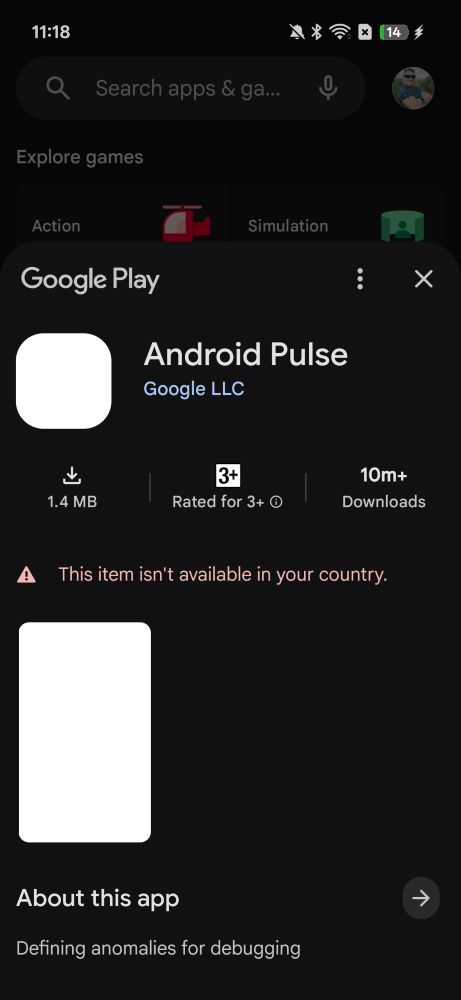
The app’s official description is phrased in extremely dry, almost bureaucratic language: the service is intended for “defining anomalies for debugging.” Google’s more detailed explanation is somewhat clearer: the application is responsible for distributing rules used to detect anomalies in critical system-resource consumption by the Android operating system and installed applications.
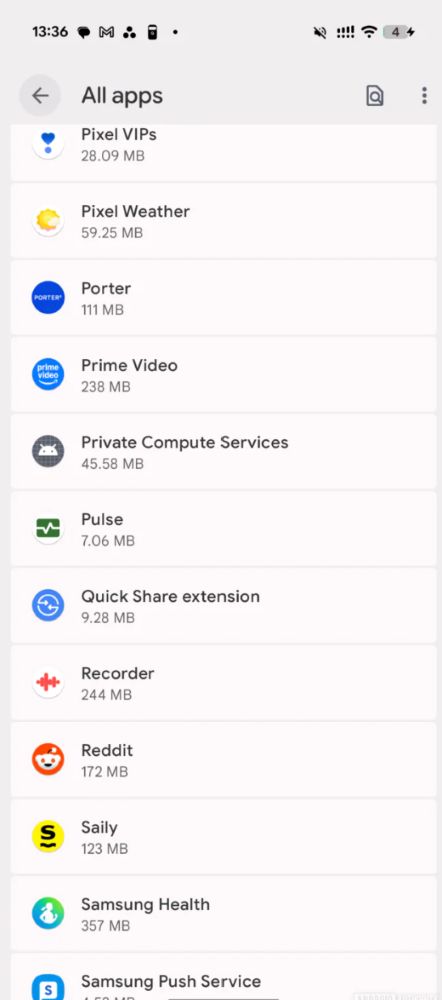
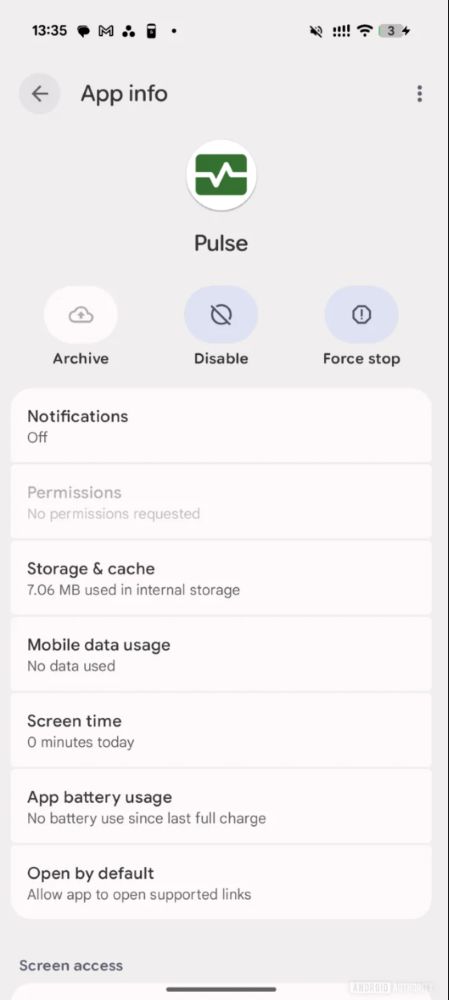
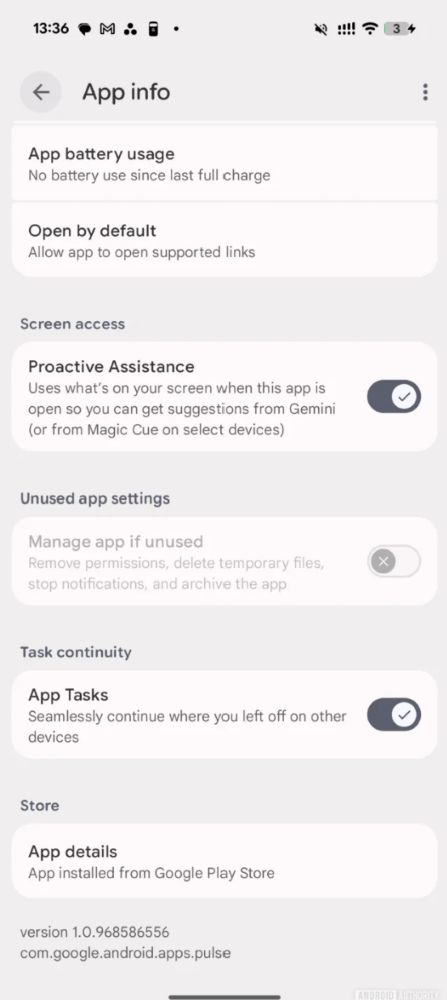
In simple terms, Android Pulse works as a background “diagnostic tool” that monitors whether a system or third-party process suddenly starts consuming excessive amounts of battery, RAM, or processing power. It has no user-facing interface, displays no notifications, and doesn’t interact with the user directly. It is essentially an internal telemetry component that quietly collects signals about system behavior.
Read also: Anthropic Peers Inside AI: What Really Lies Within Claude’s J-Space
Why Did It Cause Concern?
The issue wasn’t really what Pulse does, but how it appeared. Google has an established practice of delivering some system components through Google Play system updates or Google Play Services – mechanisms that generally operate in the background without appearing as separate entries in the app update list. Google’s official release notes, for example, document system-management and diagnostics updates delivered through Google Play Services. This time, however, Pulse appeared as a standalone entry in the Play Store and began showing up specifically as an available app update. Combined with a blank icon and a highly technical, barely intelligible description, that naturally raised questions among users who had no idea what this unfamiliar component was or why it was suddenly appearing on their devices.
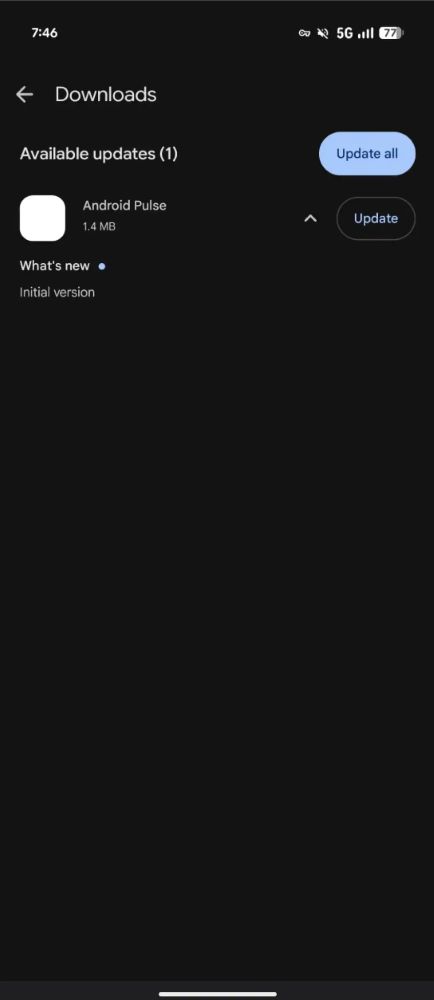
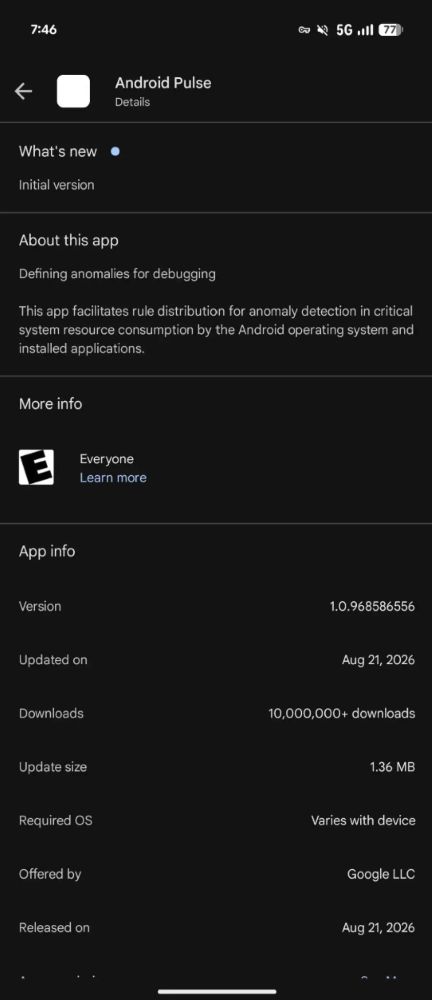
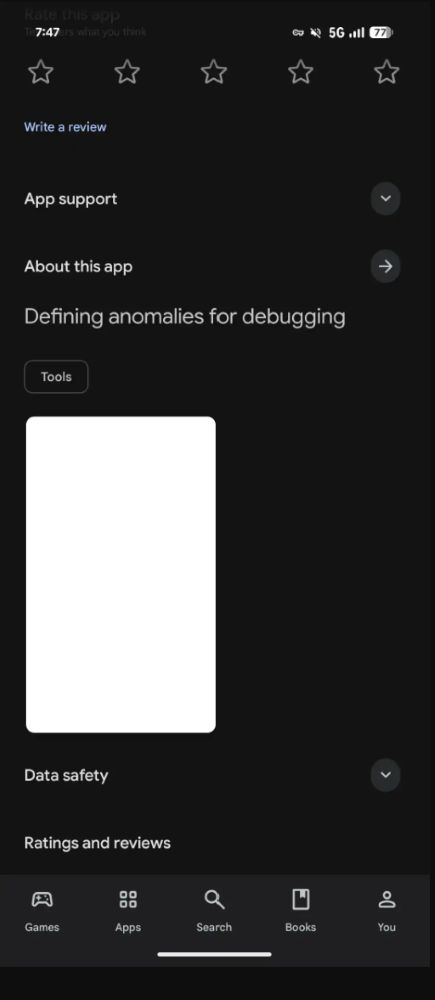
For the average user, this looked like a breach of an unspoken contract: they are used to every item in the update list having a recognizable logo, a brand name, and a clear purpose. When that is replaced by a faceless square accompanied by phrases like “distribution of anomaly detection rules,” suspicion is a natural reaction. Users joked in the comments under the news stories that the “pulse of their phone” was finally under control. But behind the jokes was a perfectly serious question: what else is Google installing on our devices without directly telling us?
Read also: OpenAI’s Astra: When an Algorithm Reaches What Took Mathematicians Decades to Achieve
The Technical Rationale: Why Does Android Need a Service Like This?
If we set the emotional aspect aside, a service like Pulse makes perfect sense from an engineering perspective. Modern Android runs on billions of devices with tens of thousands of combinations of firmware, manufacturer skins, and installed applications. No Google testing lab could possibly evaluate all of that diversity manually.
That’s why the company has relied on telemetry for years: anonymized signals about crashes, excessive battery consumption, stalled processes, and other issues help engineers identify problematic patterns before they turn into widespread user complaints.
Judging by its description, Android Pulse appears to be another iteration of this approach, packaged as a standalone module that can be updated independently of major Android releases. This fits into Google’s broader strategy in recent years of breaking the operating system down into smaller components through Project Mainline, allowing critical fixes to reach users more quickly without having to wait for device manufacturers to release a full OS update.
Read also: Everything You Need to Know About AI Browsers: A Loud Debut, a Quiet Finish
Questions of Trust and Transparency
Still, technical justification does not eliminate the reputational issue. When a company the size of Google quietly rolls out an application with access to data about device resource usage – even if its purpose is purely diagnostic – it inevitably raises questions about transparency. At present, there is no confirmed evidence that Pulse collects anything beyond performance-related metrics, and there is no basis for describing it as spyware or malicious software. However, the fact that millions of devices received a new system component without a public announcement, with users discovering it by chance while checking for updates or investigating battery usage, points to a broader issue.

The Android ecosystem has long since stopped being an “open book,” even for experienced users. A significant portion of its underlying functionality – from System Updates and Play Protect to Pulse – is implemented through background services that cannot be fully monitored or controlled without specialized tools. For most people, a smartphone remains a black box, and every new faceless entry in the update list only reinforces the feeling that having control over your own device is, to a significant extent, conditional.
Read also: How NPU Is Changing Laptops – and Whether the Average User Actually Needs One
What Should Users Do?
The reassuring takeaway is fairly simple: you most likely won’t be able to uninstall or disable Android Pulse using the system’s standard tools. It is a system component, and attempts to “disable the unknown” could potentially do more harm to device stability than they would to protect your privacy.
The main practical recommendation from specialist publications is to check the app’s package name (com.google.android.apps.pulse) and developer (Google LLC). This makes it easier to distinguish the legitimate service from potential copycats, which often appear in the wake of high-profile stories and attempt to take advantage of user confusion.
Read also: How to Keep Your Child Safe Online: A Parent’s Guide
Conclusion
The Android Pulse story is less about malicious code and more about communication. Google has once again demonstrated that even a technically sound solution can spark public concern when it is introduced without a clear explanation. In a world where every new background process automatically raises the question, “Why is this here?”, the quiet rollout of even a perfectly legitimate service can become a major topic across the tech media for several days. And that is perhaps the most valuable lesson for any large company: transparency costs less than a week spent explaining things after the fact.
Read also: All About Snapdragon C: Qualcomm’s Quiet Revolution in the Budget Laptop Segment

