




© ROOT-NATION.com - Use of content is permitted with a backlink.

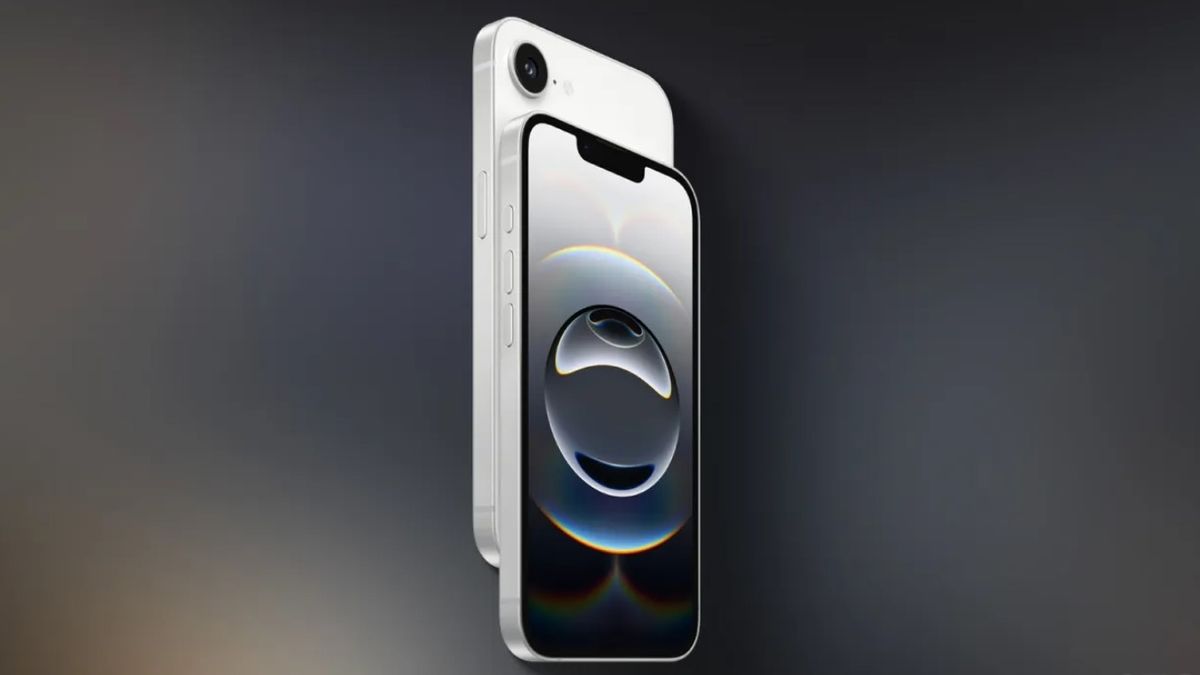
The iPhone 16e is Apple’s answer to a long-standing question: can you get flagship-level performance and serious privacy protection without paying flagship prices? Launched on February 28, 2025 as the successor to the iPhone SE line, the iPhone 16e starts at $599 and packs the same A18 chip as the standard iPhone 16.
In this review, we cover the design, camera, performance, and battery life and dive deep into the privacy architecture that makes the A18 one of the best reasons to buy this phone.

TABLE OF CONTENTS:
New iPhone with Advanced Chip
The iPhone 16e replaces the aging iPhone SE and brings Apple’s budget offering firmly into the modern era. Gone are the chunky bezels and Home button; in their place is a 6.1-inch edge-to-edge display with Face ID housed in a notch, an aluminum frame with Ceramic Shield glass, IP68 water resistance, and a USB-C port.
The headline feature is the A18 chip that the same silicon that powers the iPhone 16. Built on second-generation 3-nanometer technology, it features a 6-core CPU, a 4-core GPU, and a 16-core Neural Engine paired with 8GB of RAM. That means the iPhone 16e fully supports Apple Intelligence, something no previous budget iPhone could claim. The 16e also debuts the C1, Apple’s first in-house cellular modem, which prioritizes power efficiency and contributes to excellent battery life.
Camera
Instead of the multi-lens arrays found on pricier iPhones, the iPhone 16e keeps things simple with a single 48MP Fusion camera. Don’t let the single lens fool you, though: Apple describes it as “two cameras in one” thanks to an integrated 2x telephoto option that crops into the high-resolution sensor for optical-quality zoom.
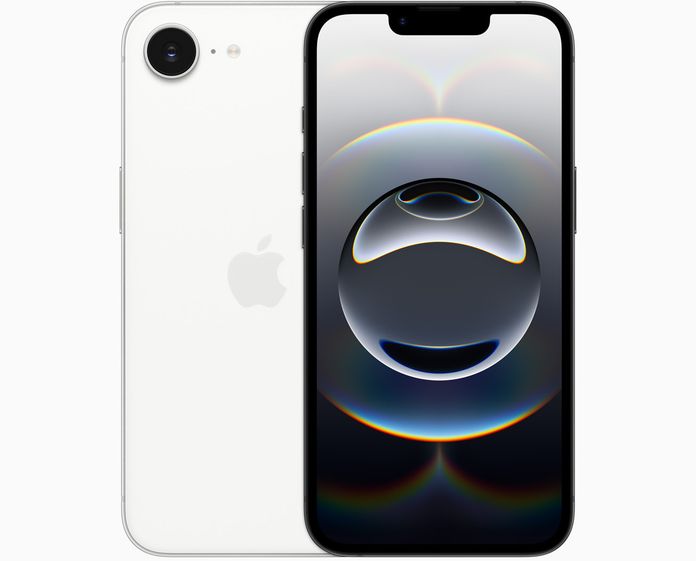
By default, photos are captured at 24MP, balancing detail and file size, with a full 48MP mode available when you want maximum resolution. Low-light performance is solid for the price class, and the 12MP TrueDepth front camera handles selfies and video calls well. What’s missing is the ultra-wide lens, no macro or sweeping wide-angle shots, a trade-off most buyers at this price can live with.
Action Button
A pleasant surprise on a budget model: the iPhone 16e inherits the Action Button first introduced on the iPhone 15 Pro. Replacing the classic mute switch, this customizable button can be mapped to Silent Mode, Focus, Camera, Flashlight, Voice Memo, Translate, Magnifier, Shortcuts, and more.
It can even trigger Visual Intelligence, letting you point the camera at plants, animals, restaurants, or event flyers to instantly get information or take AI-powered actions. The one omission is the Camera Control button found on the rest of the iPhone 16 lineup here, the Action Button is your quick route to the camera instead.
Display: OLED, Not LCD
If you’re coming from the iPhone SE, this is where you’ll notice the biggest upgrade. The old SE used a small LCD panel; the iPhone 16e replaces it with a 6.1-inch Super Retina XDR OLED display. The difference is dramatic: deep, true blacks, a 2,000,000:1 contrast ratio, 460 pixels per inch, and peak HDR brightness of 1,200 nits.
The display does have limits: the refresh rate is a standard 60Hz and the notch returns instead of the Dynamic Island. But for everyday use, streaming, and photos, this OLED panel punches well above the phone’s price tag.
Performance
With the A18 chip inside, the iPhone 16e simply doesn’t feel like a budget phone. Apple claims the 6-core CPU is up to 80 percent faster than the A13 Bionic in the iPhone 11, and in daily use everything feels instant. Hardware-accelerated ray tracing even makes console-quality gaming possible.
The 16-core Neural Engine deserves special mention. It’s the engine behind Apple Intelligence features like writing tools, notification summaries, Genmoji, and Clean Up in Photos, and it processes many of these tasks entirely on the device. This chip is built to stay fast and supported for years, making the 16e a smart long-term purchase.
Battery Life
Battery life is arguably the iPhone 16e’s greatest strength. Thanks to a larger battery (made possible by the compact single-camera module), the efficient A18 chip, and the new C1 modem, Apple rates the phone at up to 26 hours of video playback.
In real-world use, getting through a full day and well into the next is entirely realistic. Charging happens via USB-C, with Qi wireless charging at 7.5W. The notable absence is MagSafe: magnetic chargers and accessories won’t snap onto the back, one of the clearest cost-saving compromises Apple made.
A18’s Privacy Architecture
Beyond speed, the A18 chip is the foundation of the iPhone 16e’s privacy story. Apple designs its silicon and its security model together, and that vertical integration shows in three key areas.
Hardware-Level Encryption
Every iPhone 16e encrypts your data by default using dedicated hardware built into the A18. The AES encryption engine sits directly in the data path between storage and memory, encrypting and decrypting files on the fly with no performance penalty. Your photos, messages, and files are protected the moment they’re written to storage, that data is essentially unreadable.
Secure Enclave Technology
At the heart of the A18’s security model is the Secure Enclave, an isolated subsystem that operates separately from the main processor. It stores your most sensitive information in a walled-off environment. Even if the main operating system were compromised, the Secure Enclave keeps those secrets locked away. Your face data never leaves the device and is never accessible to apps or to Apple.
Real-Time Threat Detection
The A18 also works with iOS to detect and neutralize threats as they emerge. Pointer authentication codes help block memory-corruption attacks in real time, while kernel integrity protections stop malicious code from modifying the core of the operating system while it runs. Combined with rapid security updates, the phone actively defends itself rather than waiting for problems to be patched.
Fascinated by how attackers probe systems and how defenses like these hold up? That curiosity can become a career. Learn to think like an ethical hacker with professional ceh training and turn your interest in mobile security into a certified, in-demand skill set.
Privacy Features in iPhone 16e
The hardware foundation is only half the story. iOS layers user-facing privacy tools on top of the A18’s architecture, giving you visibility and control over your data.
App Privacy Report
Buried in Settings is one of the most eye-opening features on the phone. The App Privacy Report shows exactly how often each app has accessed your location, camera, microphone, contacts, and photos over the past week and which third-party domains those apps have contacted. It turns vague privacy concerns into concrete, reviewable facts.
Privacy Dashboard
The iPhone 16e centralizes privacy controls in a single, easy-to-navigate dashboard. From one place you can manage location permissions, tracking requests, and per-app access to sensitive data. App Tracking Transparency ensures that any app wanting to track you across other companies’ apps and websites must ask first.
On-Device Processing
Thanks to the A18’s Neural Engine, many tasks that other phones send to the cloud happen entirely on the device. Siri requests, photo analysis, dictation, and many Apple Intelligence features are processed locally, so your personal data never has to leave your hand. When more computing power is needed, Private Cloud Compute extends that promise to Apple’s servers, where your data is never stored or made accessible to Apple.
Mail Privacy Protection
Marketers love invisible tracking pixels that reveal when, where, and on what device you opened an email. Mail Privacy Protection neutralizes them by hiding your IP address and loading remote content privately in the background, so senders can’t build a profile of your behavior.
If digging through settings like these comes naturally to you, consider making technology support your profession. Build job-ready hardware, software, and security fundamentals with a comptia a+ cursus, the industry-standard starting point for a career in IT.
The Cons of the iPhone 16e
No $599 phone is without compromises, so let’s spell them out:
- No MagSafe: Wireless charging is limited to basic 7.5W Qi, and magnetic accessories won’t attach.
- Single camera: There’s no ultra-wide lens, so no macro shots or wide group photos.
- 60Hz display: Scrolling isn’t as silky as on ProMotion-equipped models.
- The notch: The Dynamic Island doesn’t make an appearance here.
- No Camera Control button: Quick camera access relies on the Action Button or lock screen.
- C1 modem limits: No mmWave 5G support, though sub-6GHz 5G coverage is far more common anyway.
None of these are dealbreakers, but they’re worth weighing against the roughly $200 you save compared to the standard iPhone 16.
Bottom Line
The iPhone 16e is the most complete budget iPhone Apple has ever made. The A18 chip delivers flagship-class performance, full Apple Intelligence support, and a privacy architecture with hardware encryption, the Secure Enclave, and on-device processing that rivals phones costing twice as much. Add class-leading battery life, a sharp OLED display, and a capable 48MP camera, and the compromises feel entirely reasonable. If privacy and longevity matter more to you than luxury extras, the iPhone 16e is one of the smartest smartphone purchases you can make.

