





© ROOT-NATION.com - Use of content is permitted with a backlink.
Reus 2 arrives on the Nintendo Switch not as a traditional god game, but as a delightfully intricate and surprisingly deep puzzle experience wrapped in a divine theme. Developer Abbey Games has refined the charming formula of the original, creating a sequel that feels both familiar and vastly more expansive. Instead of directly commanding civilizations or smiting non-believers, you are a celestial architect, a caretaker of planets. Your tools are not lightning bolts and plagues, but a roster of colossal, elemental giants who shape worlds at your behest. It’s a game that asks you to think like a gardener, an ecologist, and a city planner all at once, creating symbiotic ecosystems where humanity can, with any luck, flourish. The core loop is addictively chill yet intellectually demanding, making it a perfect fit for the Switch’s grab-and-go nature. You are given a barren, grid-based planet and a selection of giants, each with unique abilities over plants, animals, and minerals, to bring it to life. One giant might raise mountains while another populates the sea with life, and a third fosters lush forests.
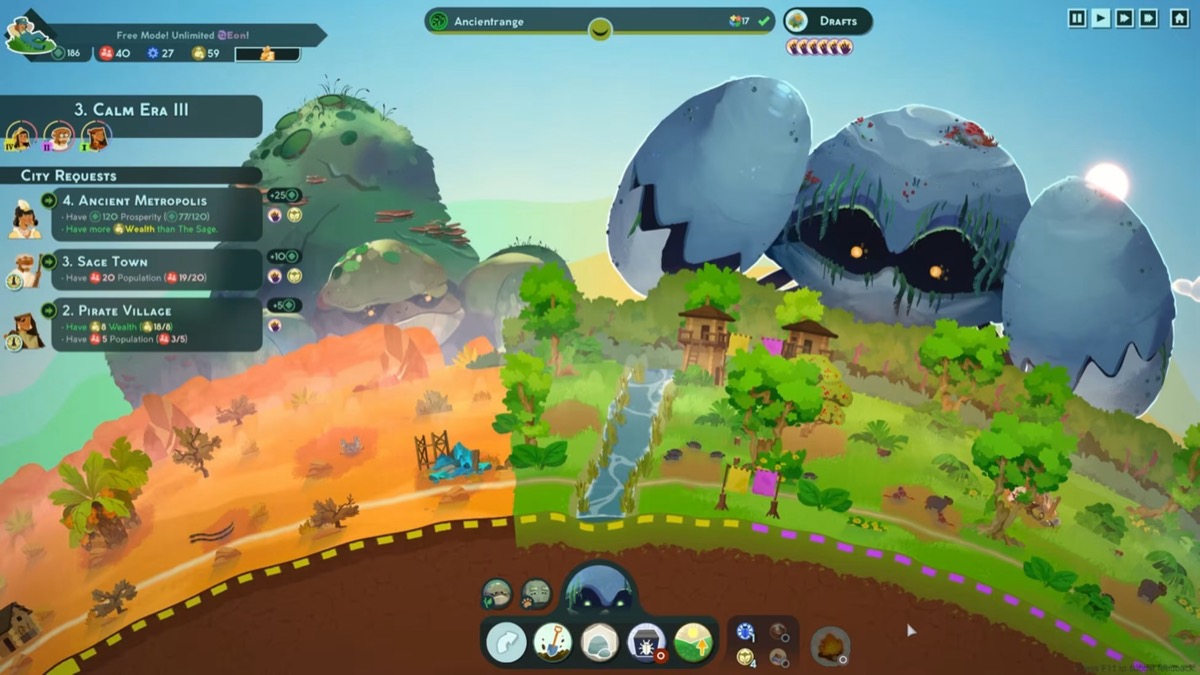
The true genius of Reus 2 lies in its elegant complexity. It presents itself as a simple tile-placement game, but quickly reveals layers of strategic depth. Each biome you create has specific flora and fauna, and discovering the synergistic combinations that meet the needs of your fledgling human settlements is the heart of the puzzle. Humans will establish villages and express desires for things like food, wealth, or scientific advancement, represented by the core resources. A settlement might need a nearby source of a specific animal for food, which in turn requires a particular plant to thrive. Balancing these needs becomes a delicate dance of micromanagement and long-term planning. It’s a system that’s easy to grasp but offers an incredibly high ceiling for mastery, encouraging experimentation with every new world you create. The removal of the strict timer from the first game allows you to play at your own pace, fostering a relaxed but engaging atmosphere where you can lose hours meticulously crafting the perfect planetary habitat.
Read also: Donkey Kong Bananza: DK Island & Emerald Rush DLC Review: Tale of Two Halves
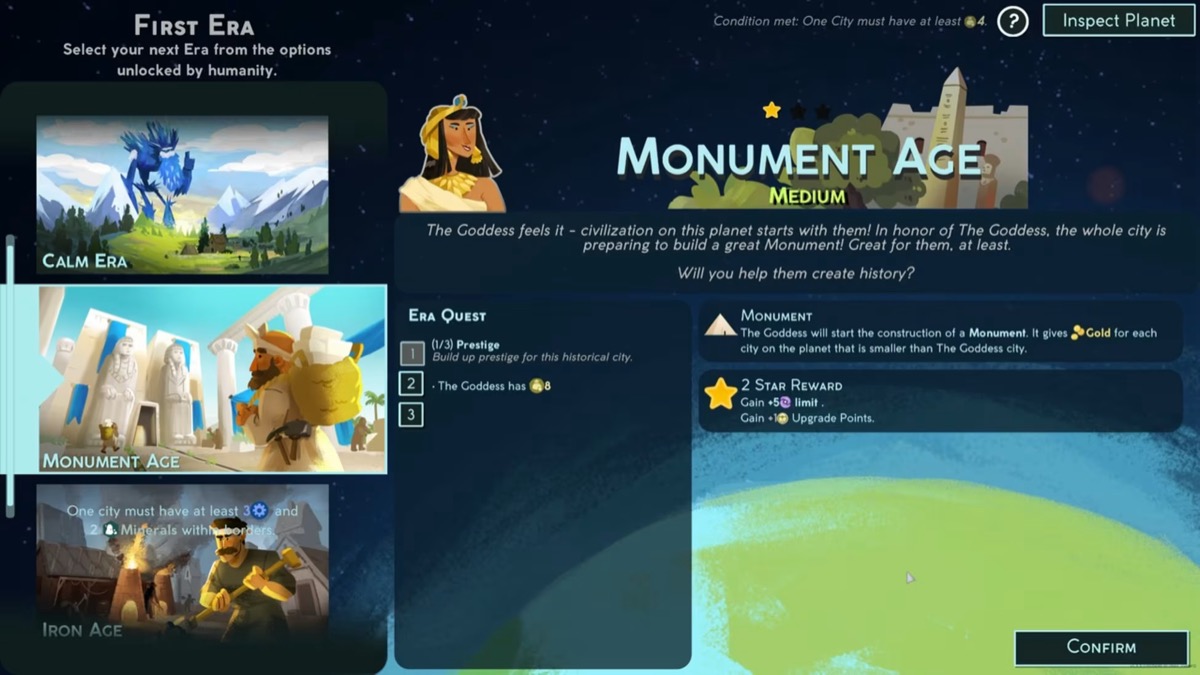
The game’s art and sound design are nothing short of beautiful. The 2.5D art style gives a wonderful sense of depth to the world, making the distinct biomes and the giants themselves feel transfixing and alive. The planet itself is presented as a spinning globe, and rotating it feels fluid and natural, giving the impression of a living, breathing world rather than a static game board. This visual splendor is complemented by a masterful soundscape. Each biome has its own ambient noises, from the rustle of leaves to the crash of ocean waves, while the giants’ actions are punctuated by resonant audio cues that emphasize their immense power. The soundtrack evolves alongside your civilizations, growing in complexity as they advance, all blending seamlessly to create a deeply engaging experience.
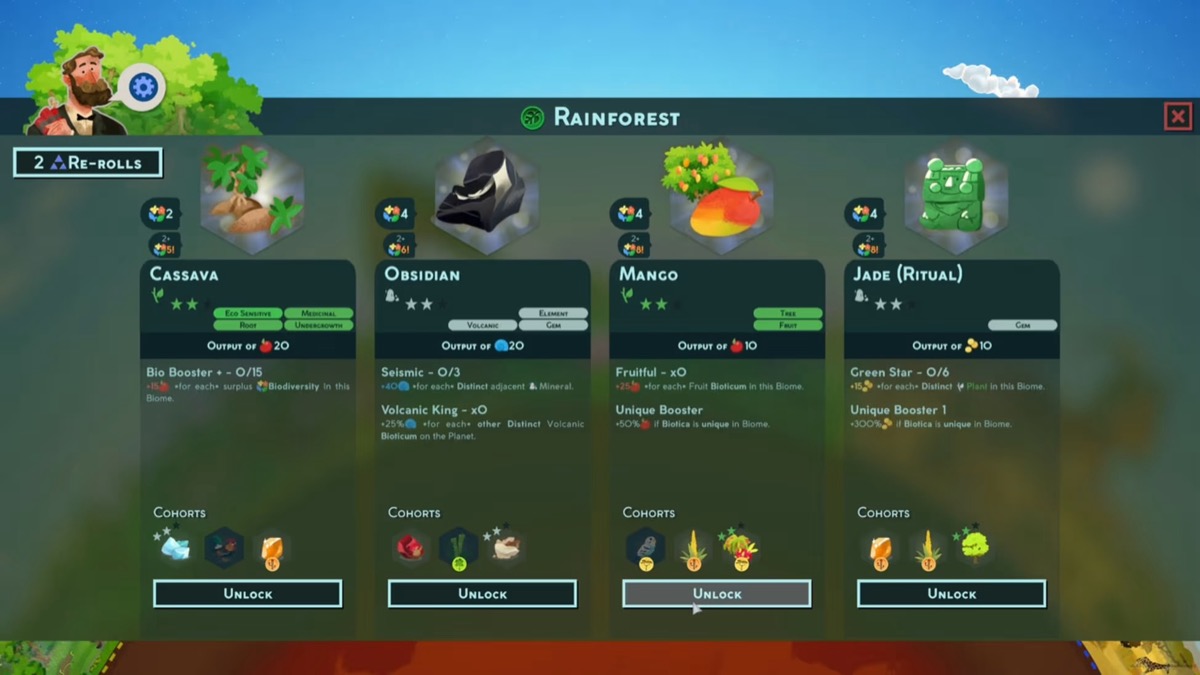
It is crucial to be clear: there is only one Nintendo Switch version of Reus 2, playable across the entire family of consoles, including the Switch 2. The console port’s biggest failing is that it was not designed with a controller in mind, and this is especially frustrating on the Switch 2, a console that offers a potential solution. The new Joy-Con controllers for the Switch 2 have a “mouse mode” feature, allowing them to function like a PC mouse by using an optical sensor to track movement across a flat surface. This feature seems tailor-made to solve the very issues plaguing Reus 2 – a game built for the precision of a mouse.
Unfortunately, the developers did not implement support for this feature. This means players are stuck with a cumbersome interface that requires awkward button presses to navigate menus and suffers from hard-to-read text, even on a platform that has the technology to bypass these problems entirely. There is no significant visual upgrade on the Switch 2, and the lack of support for its unique controls makes the port feel like a major missed opportunity.
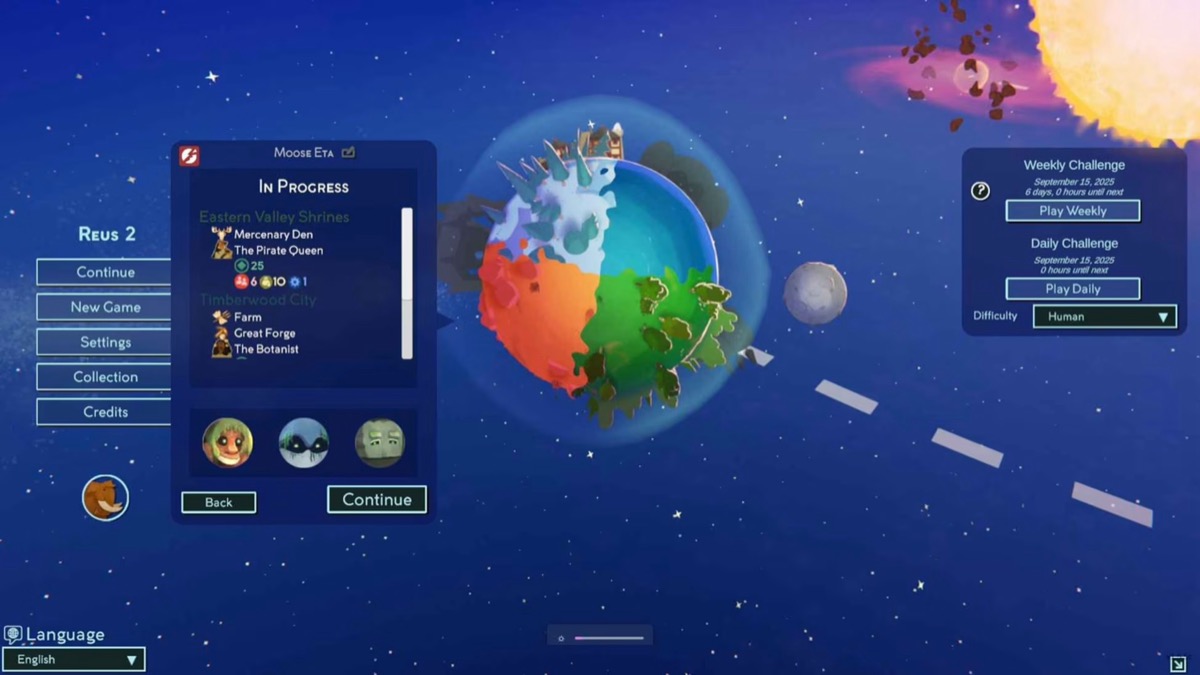
While you are a god-like figure, your power is not absolute. Humanity has a mind of its own, and its free will adds an unpredictable and fascinating layer to the experience. A prosperous society might become greedy and warlike, while another may turn its focus to exploring the stars or cultivating nature. These moments create emergent narratives that make each playthrough unique. Guiding humanity’s development feels less like a deterministic process and more like a collaborative story, where your choices nudge civilization in a certain direction, but the final outcome remains thrillingly uncertain. Each completed world leaves a legacy in the stars, generating a new planet in a galaxy you slowly fill with life, inspiring you to try new strategies and forge new destinies.
Read also: Yooka-Replaylee review: The Game We Were Promised All Along
Verdict
Reus 2 is a masterclass in “chill strategy,” a game that successfully marries deep, complex puzzle mechanics with a relaxing, god-game theme. It improves upon its predecessor in every meaningful way, offering a vast, endlessly replayable experience that is both intellectually stimulating and wonderfully calming. The art and sound are superb, creating a living, breathing world that is a joy to shape and observe. However, the console port is held back by a user interface that is poorly adapted from its PC origins, resulting in cumbersome controls and hard-to-read text. This flaw is made even more glaring on the Switch 2, as the game fails to support the console’s new mouse-like Joy-Con controls – a feature that could have solved its biggest problem. While it’s not the optimized experience one might hope for, the underlying brilliance of the game’s design is undeniable, making it an essential title for any strategy fan willing to overlook its significant interface flaws.

