





© ROOT-NATION.com - Use of content is permitted with a backlink.

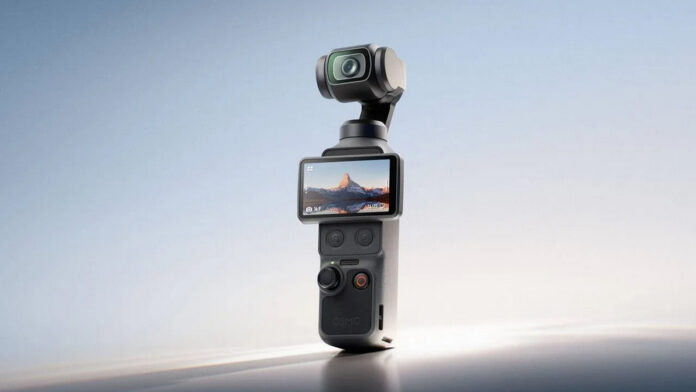
DJI Osmo Pocket 4 was officially released yesterday. The initial cost of the new product is $499, which is fully consistent with the price tag that the previous Pocket 3 model debuted in 2023. For this amount, users get a camera that retains all the advantages of its predecessor, but at the same time gets rid of most of the annoying shortcomings that previously limited the creative process.

The DJI Osmo Pocket 4 was launched on April 16, and mass shipments worldwide will begin around April 20, which coincides with the week of the NAB exhibition. The main technological breakthrough in video recording was the emergence of a slow-motion mode in 4K format at 240 frames per second, while the Pocket 3’s capabilities were limited to 4K/120fps. An important innovation was the integration of a 107 GB internal storage with a data transfer rate of 800 MB/s, which is a significant step forward, as the Pocket 3 had no internal memory and required a microSD card for any work.

Image quality has also improved with a 14-stop dynamic range and support for the 10-bit D-Log profile. This allows the camera to work much more efficiently in difficult mixed lighting conditions compared to the limited HDR capabilities of the previous version. The audio system is now based on four-channel recording instead of the usual stereo, and the updated ActiveTrack 7.0 technology now supports webcam mode for live broadcasts.
The transition from 120 to 240 frames per second in 4K resolution is not just a cosmetic improvement, as it effectively doubles the bar for creating spectacular slow-motion footage. For content creators who specialize in sports, dynamic scenes, or any subject matter where frame rate flexibility is critical, this factor becomes the most compelling argument in favor of upgrading. Although the sensor size has remained unchanged at 1 inch, the potential for processing the footage at the editing stage has been significantly expanded.

The biggest source of discomfort with Pocket 3 was its complete dependence on external storage media. The lack of a memory card made shooting impossible. In the fourth generation, the developers solved this problem by installing 107 GB of ultra-fast permanent memory, which allows you to record hours of 4K video without any additional accessories. At the same time, the microSD slot has been retained, giving users the ability to combine both storage methods, which is the most rational approach.
The 14 stops of dynamic range provides a tangible improvement in real-world shooting. High-contrast scenes such as sun-drenched streets, interiors with bright windows, or shots during the golden hour look much better thanks to the extended brightness spectrum, which avoids loss of detail in deep shadows and highlights. The use of 10-bit D-Log opens up a wide range of possibilities for professional color correction for colorists. Whereas Pocket 3 was just a good picture, Pocket 4 produces an image that is much more resistant to difficult light and better suited for post-processing.

The transformation of sound from stereo to four-channel has much more practical significance than the dry numbers of the specifications seem to imply. It provides more spatial sound, clearer separation of sound sources, and additional tools for working with sound in the edit. When combined with the Mic 3 transmitter included in the Creator Combo set, this device turns into a complete and self-contained vlogging system that does not require any third-party solutions.

The new iteration of the ActiveTrack 7.0 tracking system is smoother and now allows you to use the camera as a webcam, which automatically keeps the subject in the frame during video calls or streams. The body has two additional physical buttons that complement the usual joystick: one is responsible for switching zoom, and the other is designed to program quick actions. The joystick itself now supports a variable response speed, which makes control more precise compared to the fixed speed of the previous model.
Although these adjustments may seem insignificant, they make daily use much easier. It is worth noting that the dual-lens version of Pocket 4 Pro is a separate product expected to be released in May-June 2026, but its appearance on the US market is still in question.
Read also:
- Sony A7C Camera Review: The Smallest and Lightest Full-Frame Camera in the World
- Sony – A Ghost of Former Greatness: Why a Once-Legendary Brand Is Becoming a “Museum Exhibit”