





© ROOT-NATION.com - Use of content is permitted with a backlink.

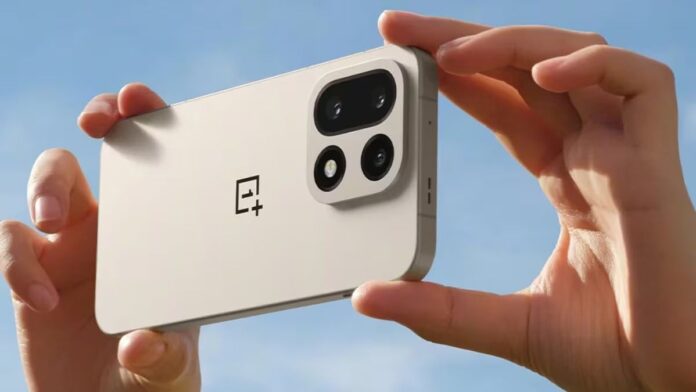
The flagship OnePlus 15 presented last year is currently the only advanced smartphone on the market equipped with a 1.5K OLED screen with a 165 Hz resolution. According to the available information, the OnePlus 16 model, which is scheduled to debut at the end of this year, is capable of raising this bar even higher – up to 185 Hz. At the same time, a recent leak from a well-known insider Digital Chat Station on Weibo indicates that the OnePlus brand is already considering a much more radical upgrade of screen technology for its future mobile devices.
The Chinese manufacturer plans to continue to prioritize ultra-smooth images. According to the source, OnePlus intends to keep using 1.5K matrices in the next generation of its top devices, but will significantly increase the refresh rate – first, there will be a transition from 165 Hz to 185 Hz, and in the future this figure may reach 240 Hz.

The source also emphasizes that OnePlus is considering a return to the use of 2K panels in its future premium smartphones. However, this will only happen if developers manage to teach such screens to support extreme scanning rates without significantly affecting energy efficiency, overall system performance, or picture quality.
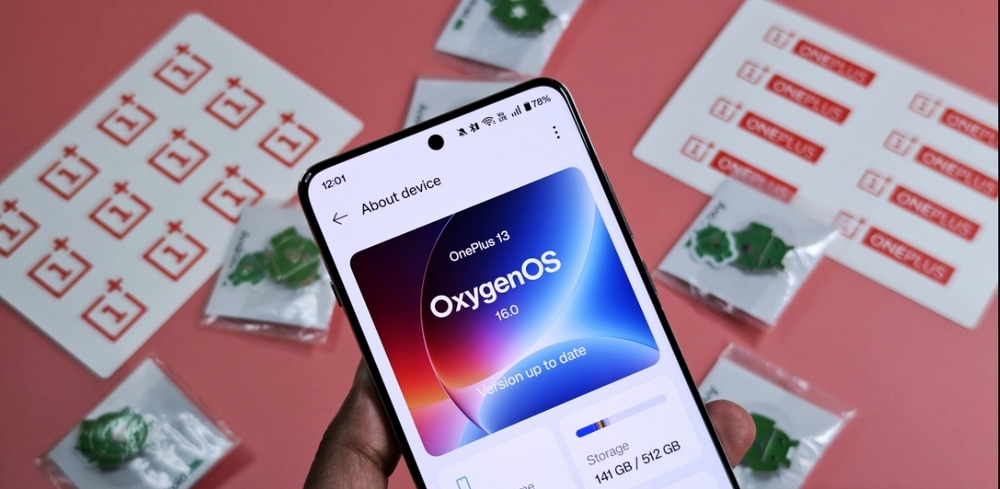
Today, 2K mobile OLED displays are usually limited to a maximum refresh rate of 144 Hz. With the upcoming OnePlus 16 set to offer a combination of 1.5K and 185Hz, it remains to be seen whether the next OnePlus 17, expected to be released in 2027, will be able to combine 2K clarity with 185Hz or even 240Hz for the first time.
Although such specifications look extremely impressive in the technical specifications, they may be redundant for a significant part of the audience. When performing normal day-to-day operations, such as browsing the web, communicating in messengers, using social media, or streaming video content, most users are unlikely to feel a significant difference compared to their usual 120Hz screens.

On the other hand, the real benefits of the innovation will become noticeable in the field of premium mobile gaming. In compatible gaming projects, such parameters will guarantee much smoother animation, significantly reduce input latency, and increase the overall control sensitivity, which is critical for dynamic eSports releases, including car simulators and first-person shooters.

As for the brand’s main competitors, OnePlus 16’s rivals, including the Redmi K100 Pro and iQOO 16 series, which are due out later this year, should also receive a similar refresh rate of up to 185 Hz. With modern smartphone manufacturers increasingly focusing on the gamer segment and improving screen parameters, the technological race for higher hertz rates is only gaining momentum.
Read also:
- OnePlus is getting even smarter: A complete overview of the new features of OxygenOS 16.1
- Preview of the OnePlus 12R: Simplified version of OnePlus 12, what sets it apart