
© ROOT-NATION.com - Use of content is permitted with a backlink.
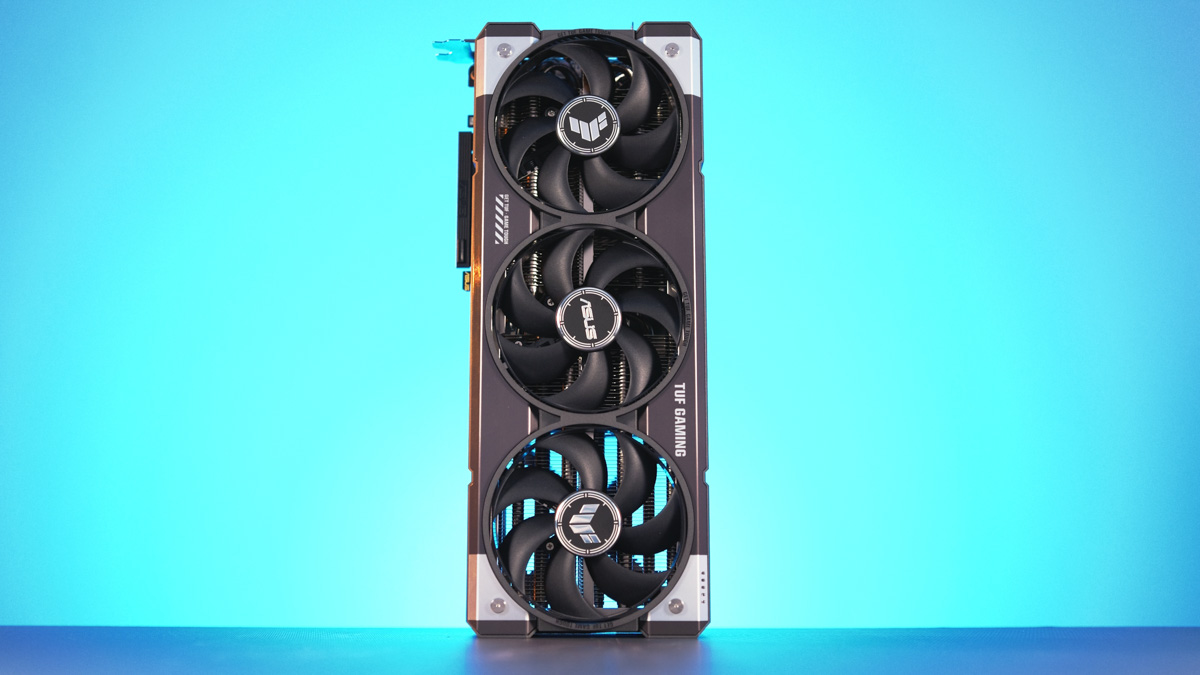
The NVIDIA Blackwell generation brings a mix of issues and strengths. There’s plenty to appreciate, but also a fair share of concerns. That said, after spending time with the ASUS TUF RTX 5080 16GB, I’ve finally reconsidered my stance on the entire “80-class” lineup. For the first time, these cards actually feel worth paying attention to.
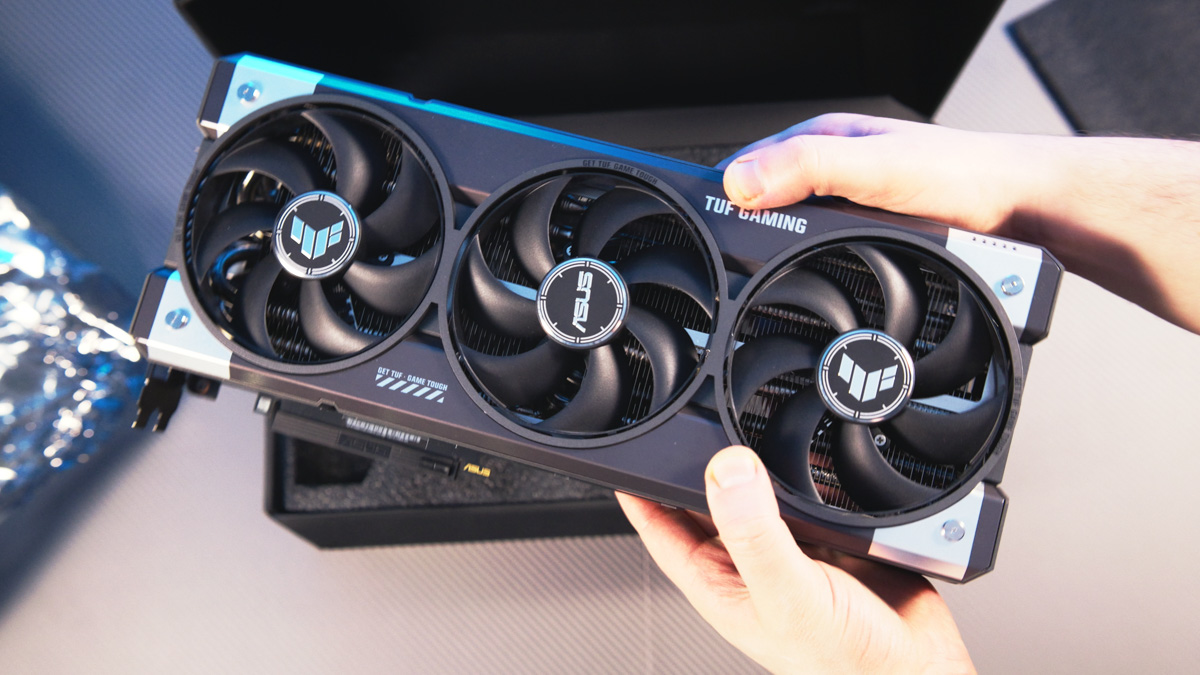
TABLE OF CONTENTS:
Technical specifications
- AI performance: up to 1858 TOPs
- Bus standard: PCI Express 5.0
- Video memory: 16 GB GDDR7
- GPU frequency: 2730 MHz
- CUDA cores: 10752
- Memory speed: 30 Gbps
- Memory interface: 256 bit
- Video connectors: 2×HDMI 2.1b, 3×DisplayPort 2.1b)
- HDCP support: yes, 2.3
- Maximum number of displays: 4
- Dimensions: 348×146×72 mm
- Recommended power supply: 850W
- Power connectors: 12V2X6
- Slots: 3,6
Video about ASUS TUF RTX 5080 16GB
Historical background
So, when I say the 80-class GPU is finally worth paying attention to, here’s what I mean – because that hasn’t always been the case. Take the legendary GTX 1000 series, for example. Back then, if you wanted solid gaming performance without going overboard, you got yourself a GTX 1070. Simple as that.
If you were after flagship-level performance, you went with the GTX 1080 Ti. And those who bought the standard GTX 1080 often ended up wanting to upgrade anyway. That worked out well for NVIDIA – but not so much for users. Which is exactly why cards like the 1080 didn’t come with strong recommendations back then.
Specifications
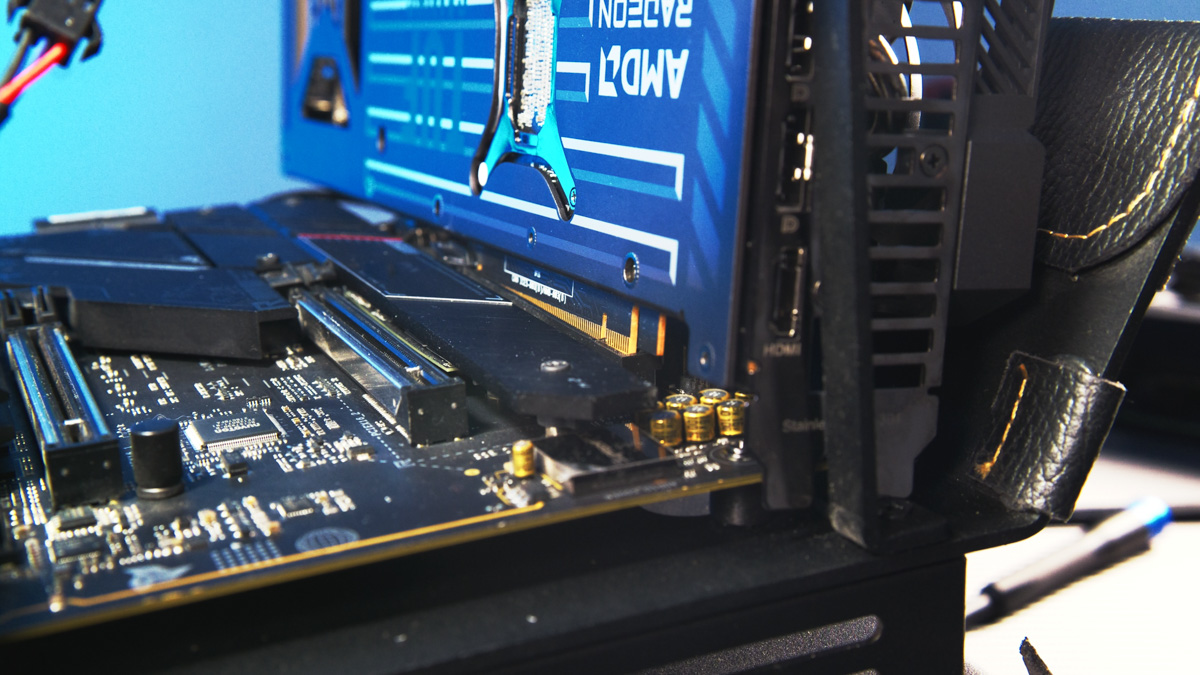
A quick note on the ASUS TUF RTX 5080 16GB itself: this card is big – really big. It takes up 3.6 PCIe slots, which effectively means it’s a four-slot card. It’s so large, in fact, that an RX 9070 XT couldn’t physically fit in the same case alongside it.
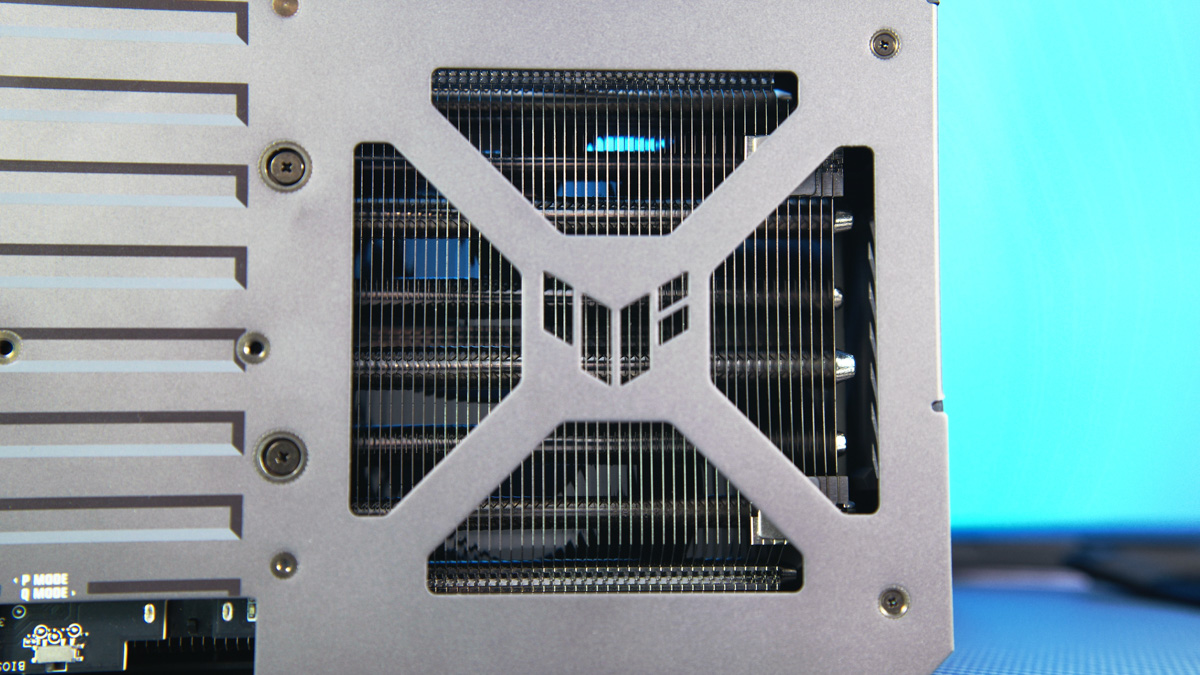
That said, the oversized metal heatsink combined with three 100mm fans does an impressive job with thermals. With an ambient room temperature of 23°C, I couldn’t get the card past 70 degrees under load in FurMark. And since the card supports a Zero RPM mode, I wouldn’t be surprised if you could play casual games without the fans spinning up at all.
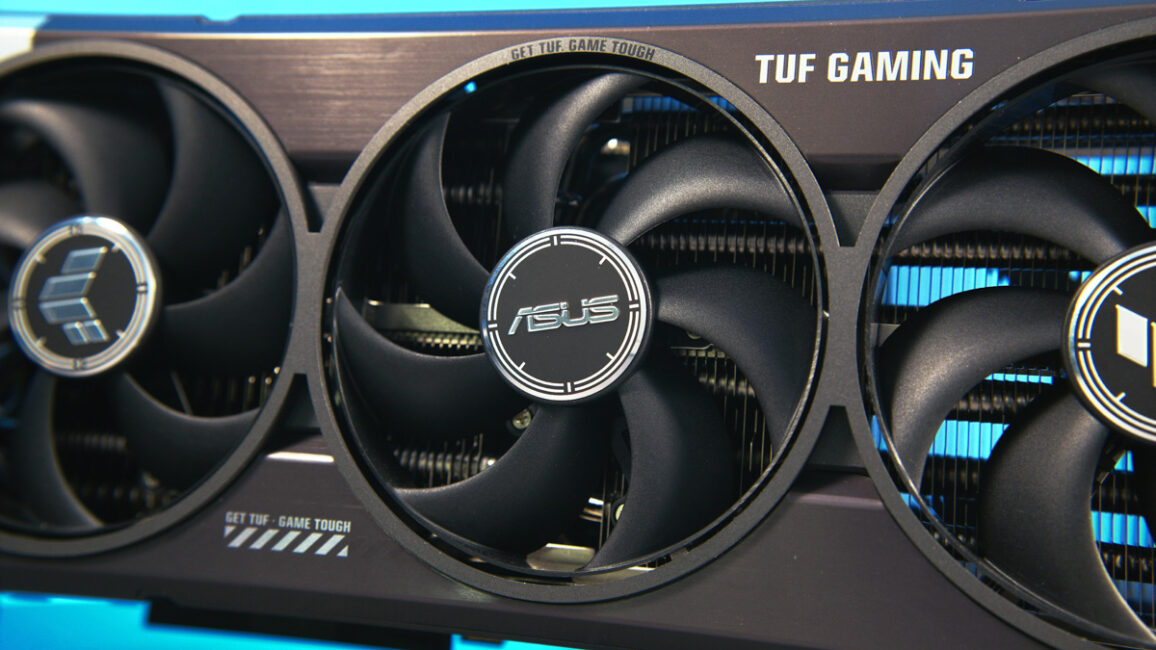
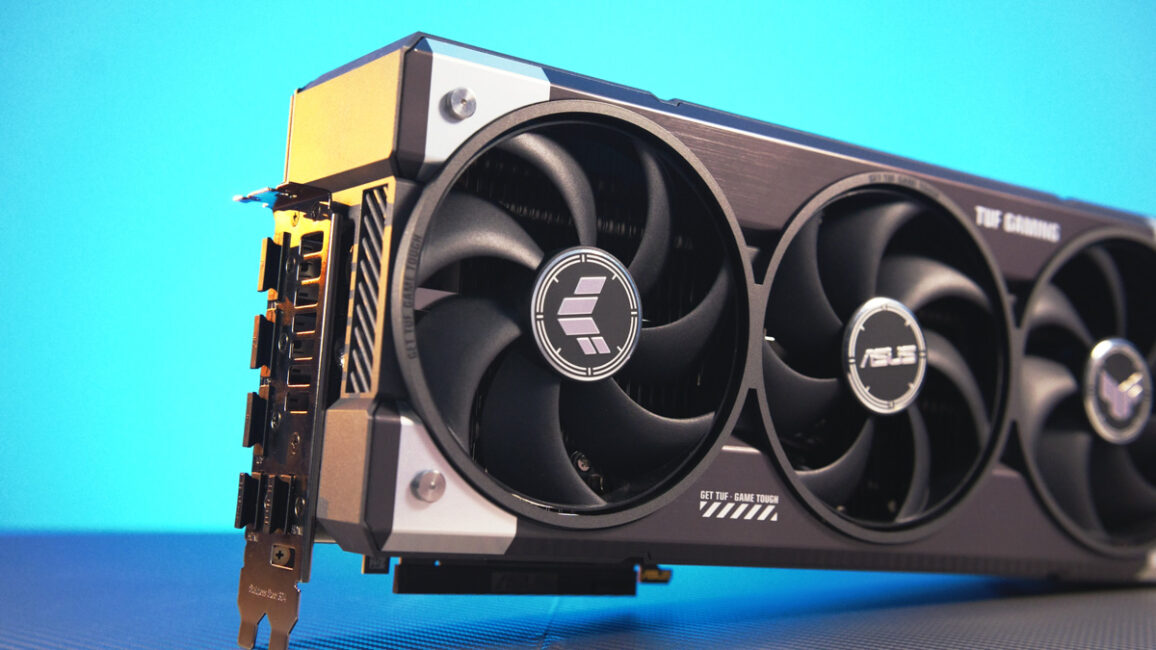
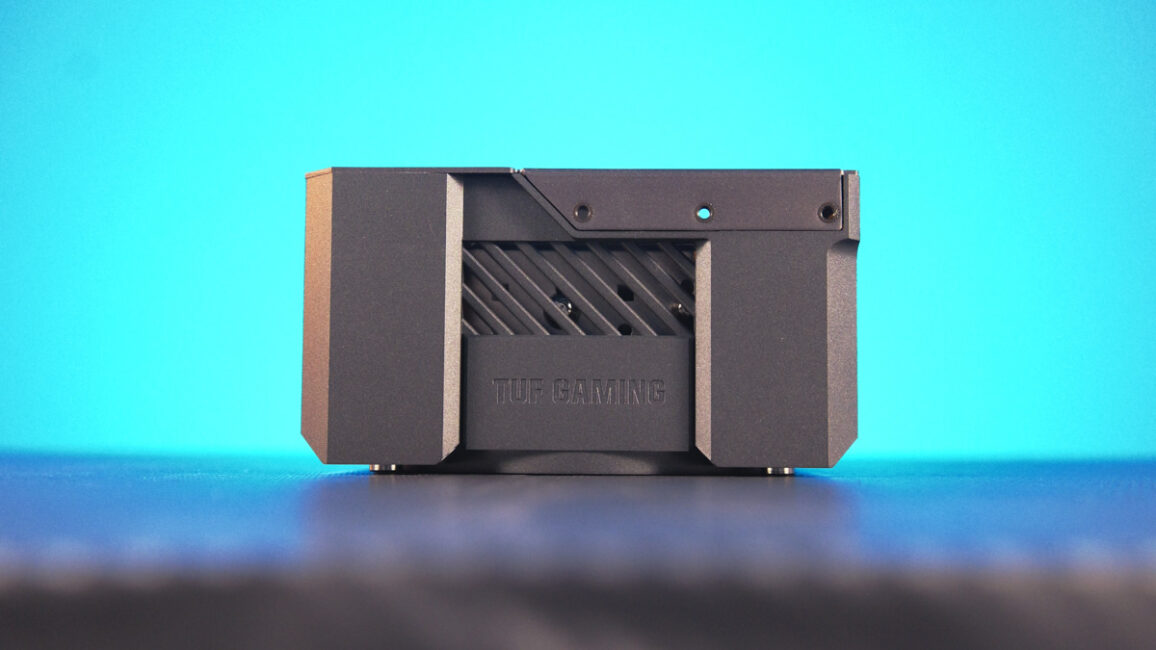
Power consumption was also a pleasant surprise. Even under FurMark, the card topped out at just 360 watts. I don’t have the tools to track power spikes, but overall, the experience with this card feels noticeably more manageable than with a 5090 – or even a 4090.
Price
The MSRP difference between the GTX 1080 and the 1080 Ti was $100. The gap between the RTX 5080 and the RTX 5090? Roughly ten times that. For the price of a single RTX 5090, you could build an entire gaming PC with an RTX 5080 – or just buy two 5080s outright.

The product segmentation has clearly shifted, and a lot of that comes down to AI. The RTX 5090 comes with 32GB of VRAM and is aimed squarely at AI developers and enthusiasts. For gamers, 32GB is overkill – even I’ll admit that. That’s why the RTX 5080 feels much more gamer-focused. It offers the same software features as the 5090 but comes in at a lower price point – even cheaper than the RTX 4080 at launch, by around $200.
Of course, that doesn’t account for reseller markups, local tariffs, or taxes. In practice, the ASUS TUF RTX 5080 16GB is selling for over 60,000 locally – about 50% above MSRP. Meanwhile, the RTX 4080 Super can be found for around $250 less. Still, that’s likely just launch hype. Prices tend to settle once the initial rush is over.
Is the ASUS TUF RTX 5080 16GB better or… worse?
Evaluating the performance of this new generation is tricky because you can approach it from a few angles. One way is to say the RTX 5080 is more powerful – though exactly why might be unclear. You’d then dig into games and benchmarks, picking scenarios where the new card actually pulls ahead.
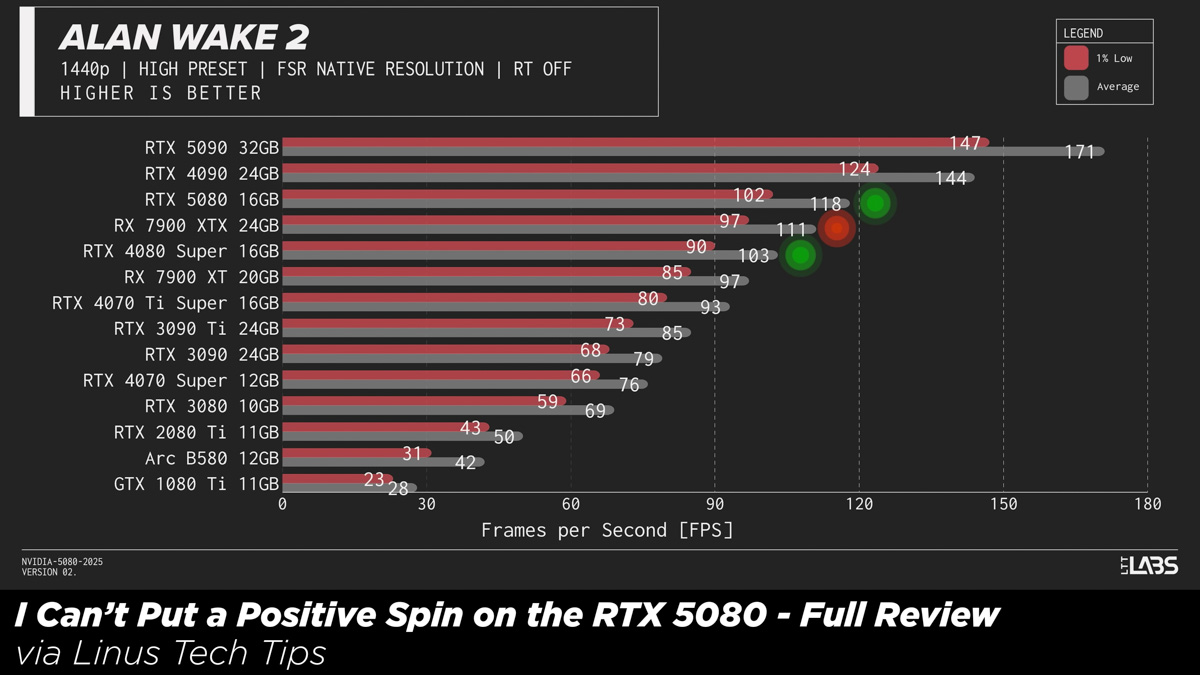
The second approach is to acknowledge that performance with this new generation is very situational. In some cases, it outperforms competitors; in others, it even falls behind previous models – at least based on early reviews. Overall, the RTX 5080’s performance closely matches that of the RTX 4080 Super, which is reasonable given their similar price points.
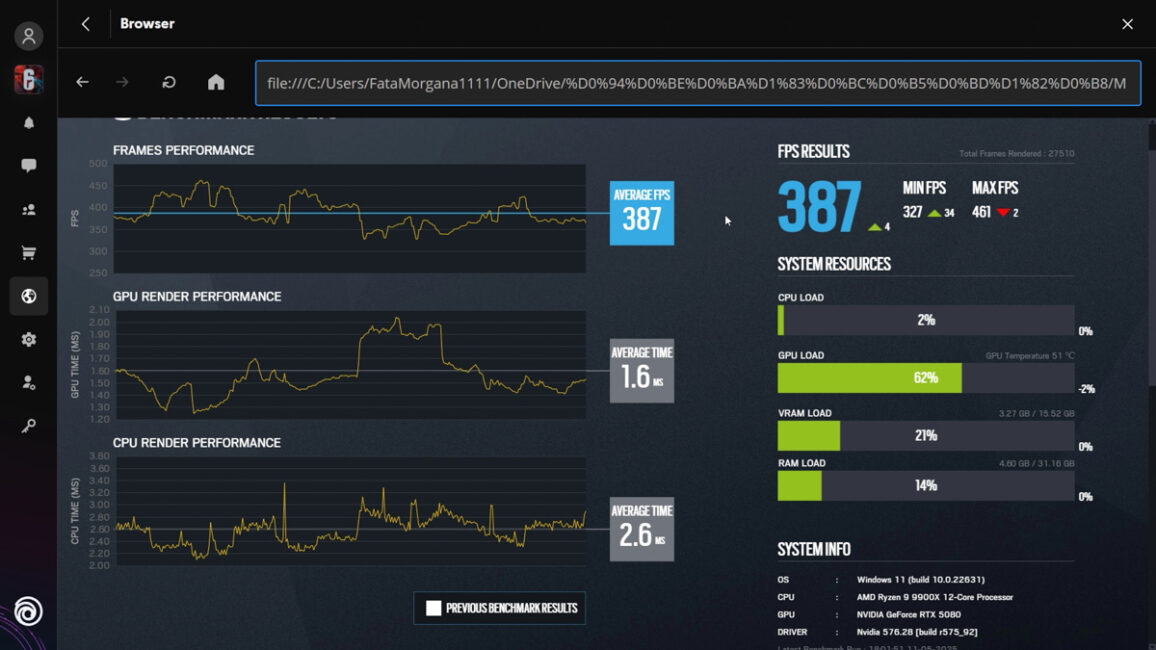
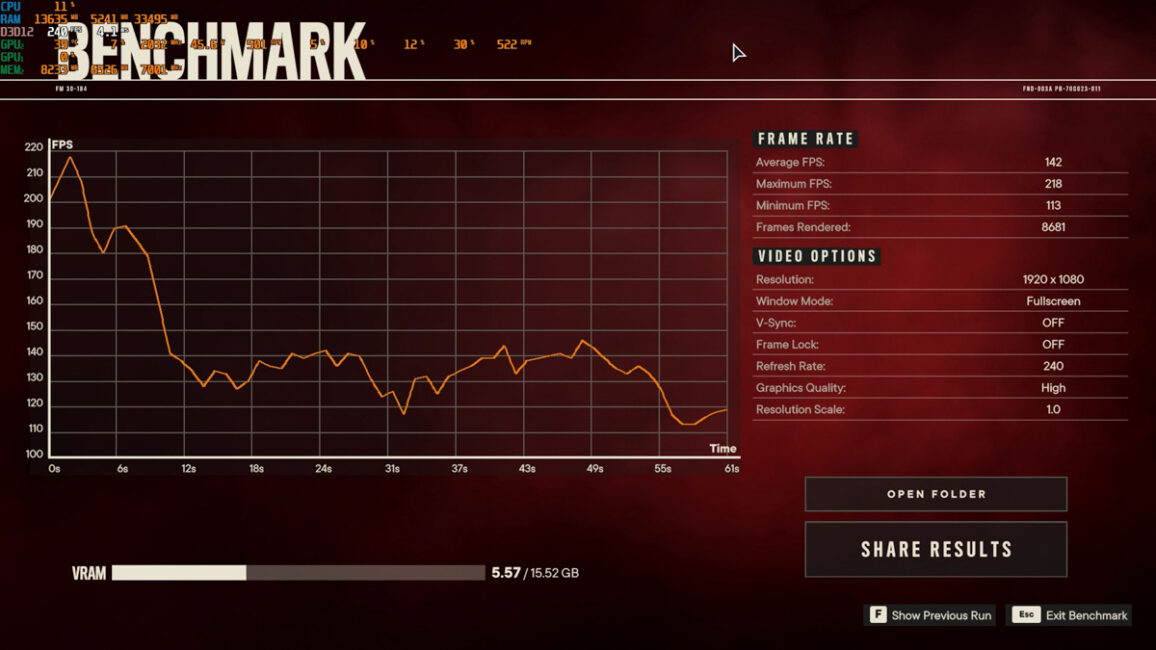
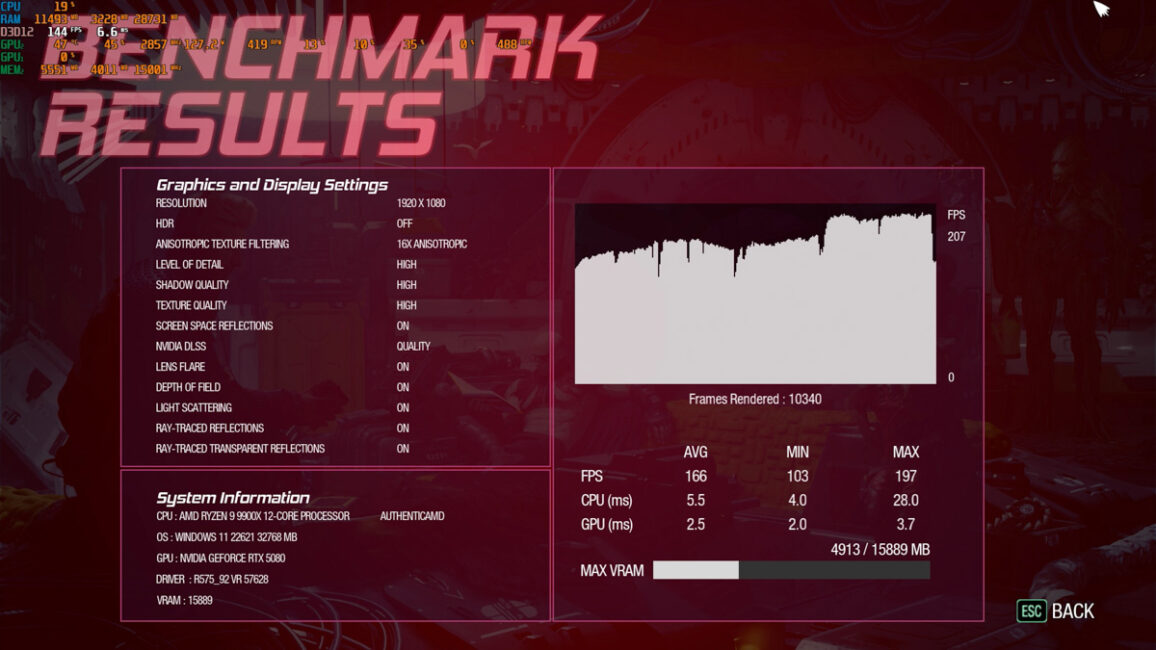
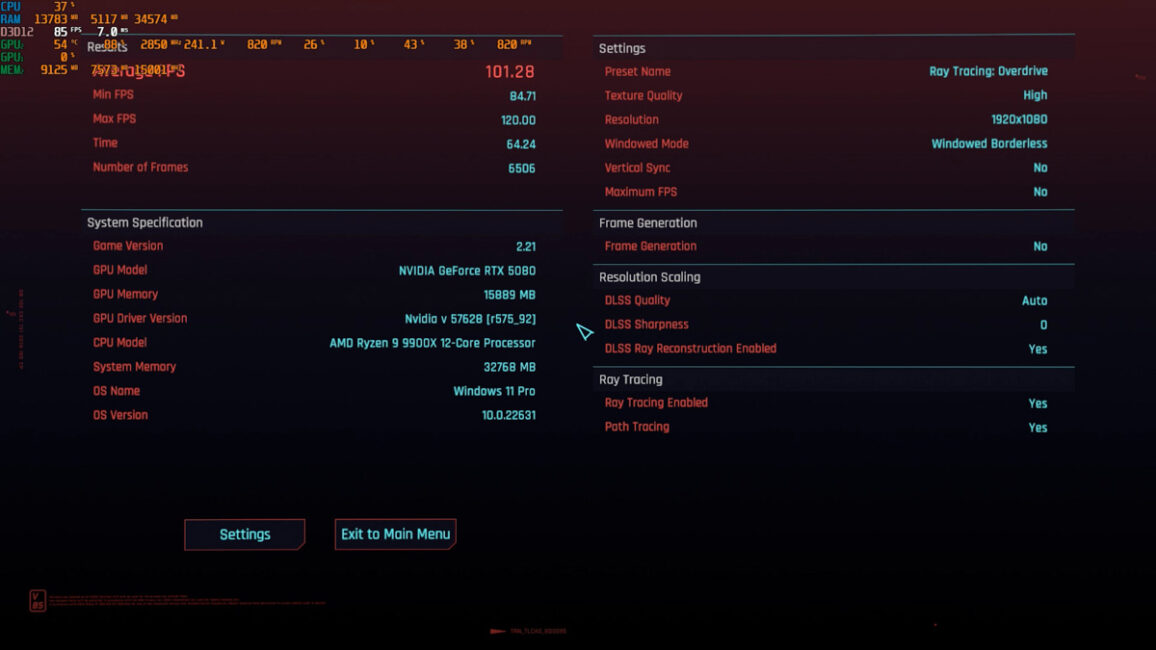
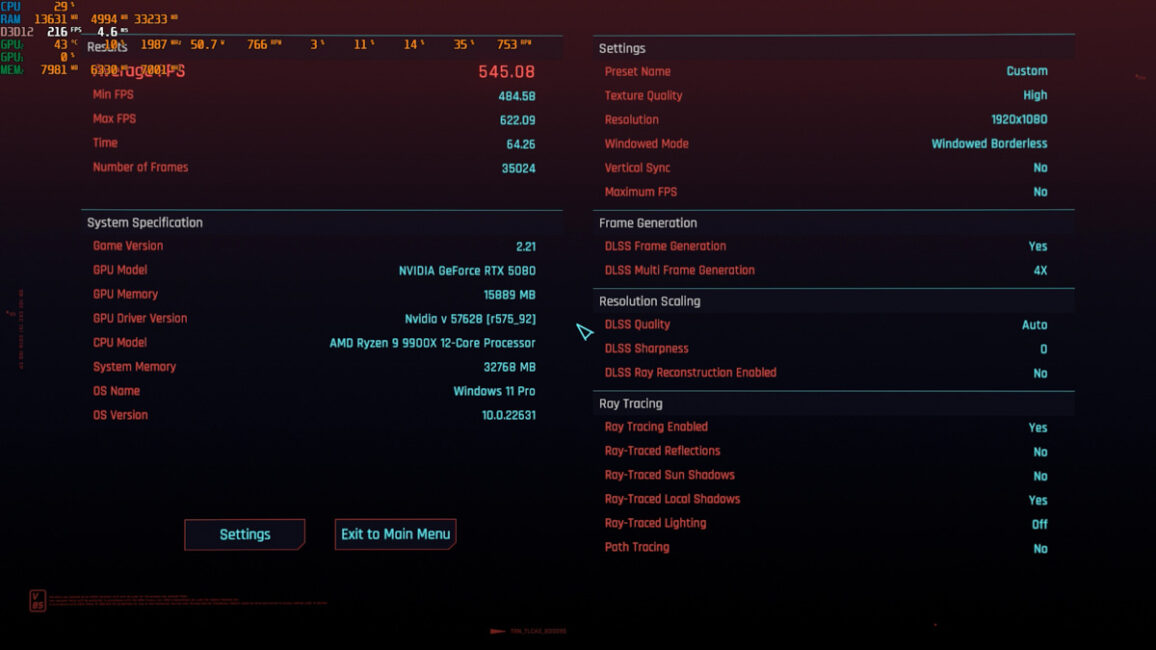
It’s also worth mentioning games that support DLSS 4, because DLSS 4 is something else entirely. In Cyberpunk 2077, I was able to hit 500 FPS with impressive graphics quality – or around 100 FPS in RT Overdrive mode with absurdly high visual fidelity. Yes, I tested this at Full HD on a 240Hz monitor, but honestly, I’d pick that smoothness over 4K at 60 FPS any day.
That was the second approach. The third is to look at the card from my perspective – a user for whom VRAM capacity and support for specific 10-bit Canon codecs matter more than CUDA core counts or memory bus width. By the time this video is published, I’ll have a detailed piece explaining why I choose NVIDIA exclusively for my work tasks. And this is exactly where the RTX 5080 has an advantage.
Here, the focus is more on AI acceleration. The card offers enough VRAM to run StoryToolkitAI for generating subtitles during volunteer work. It also provides native support for the specific codecs I need, with an increased number of encoding and decoding sessions.
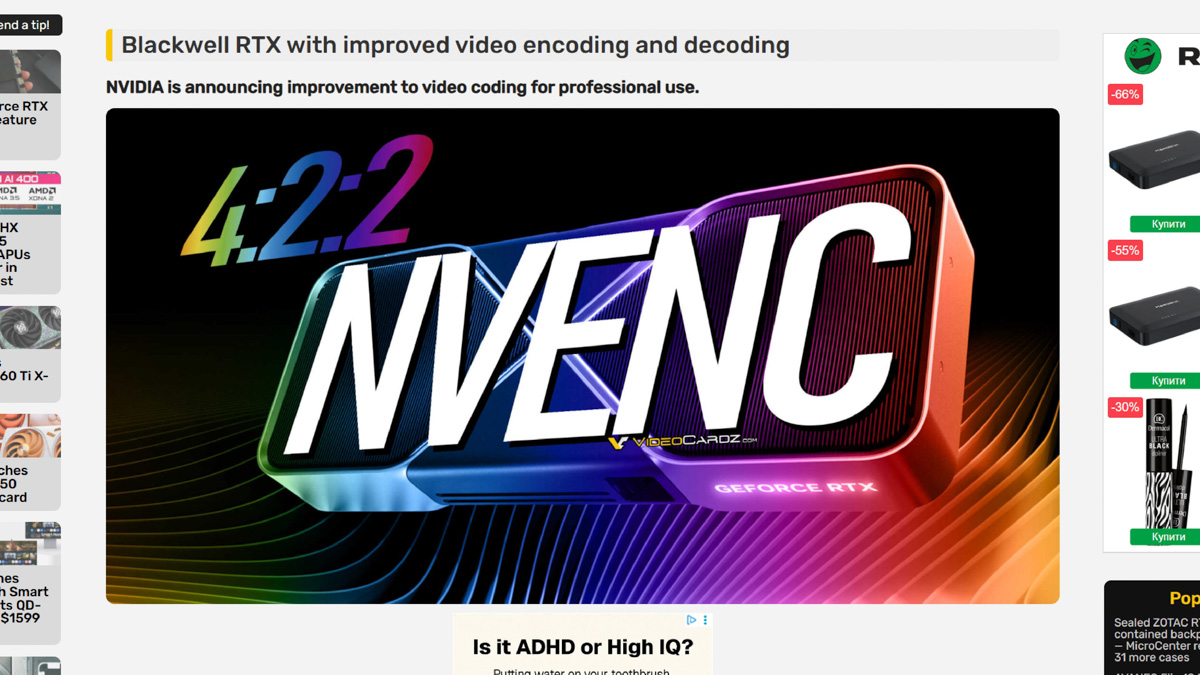
These features aren’t quite as advanced as the leap between the 30 and 40 series, but they’re still solid improvements. I also appreciate DLSS 4. Given the choice between an RTX 4080 Super and an RTX 5080 with a small price difference, I’d pick the latter – mainly for the tech it brings.
Power supply
Another factor is power delivery. Honestly, I’m not expert enough in electronics to thoroughly compare the reliability of the PCIe 5.1 standard with a 12V2x6 cable versus PCIe 5.0 with a 12VHPWR cable. But I’ve seen a JayzTwoCents video demonstrating how the NEW 12V2x6 cables behaved – and it wasn’t pretty.

I’m not blaming NVIDIA since they didn’t originate this standard. There are reasons why they adopted it, but I won’t get into those. What I will say is that I feel much more comfortable connecting the RTX 5080 using the 12V2x6 setup than the RTX 5090, even though new cards often include quality adapters.
Conclusions
The card is large, runs cool, and is well-built overall – making it a more interesting option compared to its predecessors. I’ve already explained why. For my personal needs, it’s not exactly the perfect fit, as I have different priorities for GPUs. But for gamers – well, hitting 500 FPS in Cyberpunk 2077 sounds impressive, right? So yes, I do recommend the ASUS TUF RTX 5080 16GB.
Where to buy ASUS TUF RTX 5080 16GB