





© ROOT-NATION.com - Use of content is permitted with a backlink.
I have this irrational feeling that February 1st (Monday, spring) will arrive – and life will suddenly change. Suddenly, there will be motivation to do morning stretches, learn Spanish, set a proper routine, meditate – in short, to fully embrace the “be that girl” productive morning vibe.
But then Russia, with its cursed Shaheds and damned missiles, has other plans, and suddenly all you want is to hug your e-reader and escape into bookish worlds – especially while sitting in a hallway during air raids.
The question is, which worlds? Epic fantasy still has wars, dystopias often make things worse (though if you want to take the risk, here’s a selection of such books), thrillers and detective stories aren’t quite the mood, and steamy romances suit a completely different atmosphere.
What has been saving me lately are cozy genres. This time, the selection focuses on stories that can warm the heart a little, soothe the mind, and offer a sense of calm amidst the chaos.
Read also: All reviews and articles about books
Cozy books come in many genres. They can be novels – sometimes called feel-good fiction – cozy fantasy, or even gentle, comforting mysteries. That’s why this selection is quite diverse. What unites all of these books is their reminder of the small but meaningful pleasures in life: a morning coffee, a conversation with friends, a walk, a treat, or a favorite hobby. I’ve even included some nonfiction; while it’s not inherently “cozy,” it’s written in such an engaging way that reading it becomes a genuine pleasure.
TABLE OF CONTENTS:
“Legends & Lattes” by Travis Baldree
This is arguably one of the most popular titles in the cozy fantasy genre. While the cover might boast the word “epic,” that’s mostly for fun – you won’t find anything truly epic here. Instead, the book features all the hallmarks of cozy fantasy: everyday life and its small concerns, a focus on friendship (with a subtle, cautious romance), a journey of self-discovery, and small, intimate settings and communities.
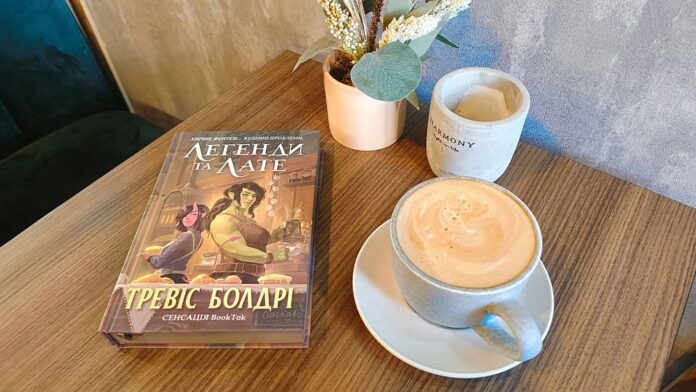
Orcish barista Viv is tired of being a mercenary and dreams of opening her own coffee shop. It’s no easy task – her chosen city has never even heard of coffee, so convincing people to try “bean water” will be a challenge. But Viv has a dream, some savings, a bit of magical assistance, and, of course, a deep love of coffee.
A friend of mine jokingly called this book “Fantasy about running a small business,” because the characters worry about practical matters: setting up the shop, expanding the menu with new treats, avoiding the “tribute” demanded for protection, and upgrading equipment. The story is simple, slow-paced, and everyday, but richly atmospheric. At the end, there’s even a bonus recipe for a treat that blows the minds of the characters. Fair warning: it might make you crave coffee and a cinnamon bun.
“Vera Wong’s Unsolicited Advice for Murderers” by Jessie Sutanto
The cozy mystery genre can be surprising – after all, a mystery involves crime, which doesn’t immediately sound “cozy.” But cozy mysteries have their own conventions, and one of the key aspects is the focus not on the crime itself, but on the atmosphere of solving it. Victims aren’t described in gruesome detail; instead, the narrative often explores the detective’s thought process in depth.
Speaking of the detective – in cozy mysteries, she is usually an amateur woman who becomes involved in the case by chance. These books feature minimal violence, avoid cruelty, and the action often takes place within small, contained communities: few characters, small towns, intimate locations. All of these elements are present in Vera Wong’s Unsolicited Advice for Murderers.

Vera Von is an elderly Chinese woman who runs a tea shop. Her life is orderly – she knows exactly what needs to be done, when, and how. Every day she opens her shop and waits for customers, but one morning she discovers a dead man on the floor. She calls the police, but they don’t behave like they do on TV: they ignore basic procedures like collecting DNA and generally handle the investigation poorly. Determined to see justice done, Vera takes it upon herself to solve the crime. Whether she succeeds, you’ll have to read the book to find out. The narrative is slow-paced and told from multiple perspectives, noticeably different from a typical detective story. If you enjoy expansive internal monologues and detailed descriptions, this book is worth a try.
“The Maiden, the Mother, and the Third” by Yulia Nahorniuk
This book is both cozy and humorous fantasy. There isn’t a traditional plot; it feels more like a fantasy sitcom, with each chapter presenting a self-contained episode, though some storylines continue throughout the book. True to cozy fantasy, friendship takes center stage. Ukrainian witches Marina and Orysia are tasked with meeting the Estonian witch Eliza and helping her organize a wedding. Along the way, they find themselves in a series of amusing situations, often pulling their friends into the chaos with them.
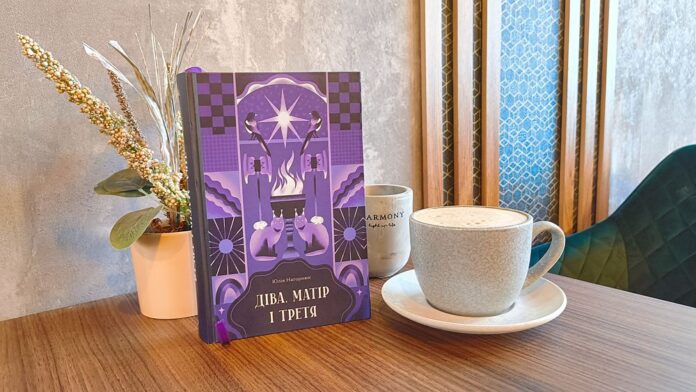
The book is incredibly easy to read, especially if you enjoy a touch of cheeky humor. In fact, the very first sentence sets the tone, giving you a clear sense of whether this story is for you. It also features an asexual character, which is a welcome rarity in fantasy. The author notes that this is not meant to represent all asexual people, and the character’s choices are just one of many possible relationship paths. Personally, I appreciated this diversity, especially alongside the usual cast of flirtatious fairies, passionate vampires, extravagant goddesses, and other familiar fantasy tropes.
“Witch Hat Atelier Kitchen” by Hiromi Sato
Manga is a genre that’s definitely an acquired taste. Honestly, I’m not usually a fan, and even Witch Hat Atelier by Kamome Shirahama – a decent entry point into the genre – didn’t fully capture me. But The Witch Hat Atelier Kitchen, a spin-off of Witch Hat Atelier, is a different story. It’s not just a sidequel; it’s a charming culinary spin-off – a magical version of MasterChef with beautiful artwork. The original manga’s characters, Kifli and Orugio, use magic in the kitchen to cook for the girls at the atelier, blending fantasy with cozy, appetizing fun.
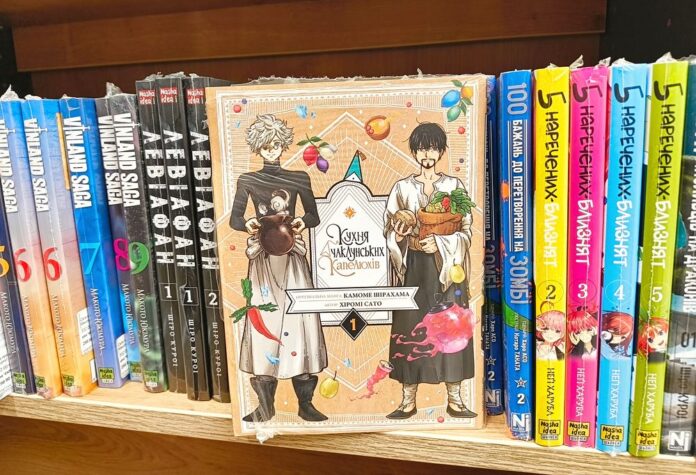
At first glance, it’s hard to say whether this is a manga or an eccentric cookbook. The story has few plot events, but the characters spend their time experimenting in the kitchen, mixing ingredients, creating culinary masterpieces, and caring for their apprentices. The atmosphere is cozy, grounded in everyday life, and infused with the scent of delicious treats. The manga even includes detailed recipes, so if you want, you can try recreating some of them at home. Most of the simpler dishes can be adapted easily, as many of the fantastical ingredients have real-world equivalents.
“The Very Secret Society of Irregular Witches” by Sangu Mandanna
This is a heartwarming story about friendship and chosen family. It doesn’t manipulate your emotions or take you on rollercoaster highs and lows.
Mika Moon is a witch who must keep her abilities hidden. And, as the saying goes, if you want to hide something, put it in plain sight. So Mika runs a YouTube channel about witchcraft, which her subscribers assume is just a joke or special effects. But it’s precisely through this channel that Ian notices her. He realizes she’s a real witch and makes her an offer she can’t refuse.
Read also: Life is confusing: Selection of dystopian books in which the world ‘takes a wrong turn’
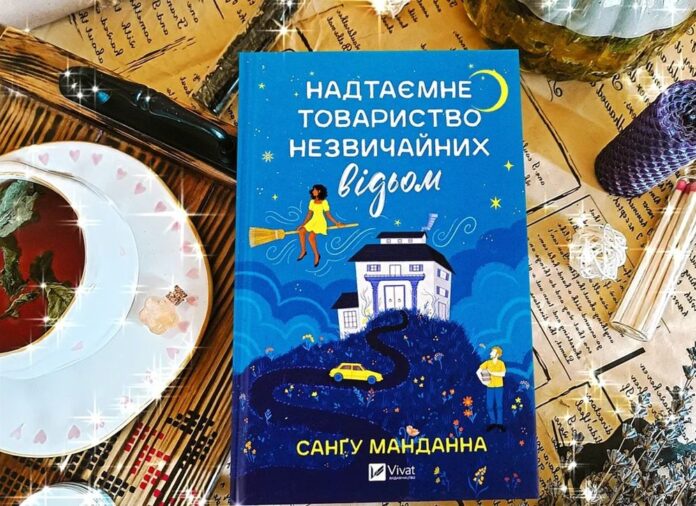
It’s a warm, comforting story about how people can accomplish more together. It explores friendship and loyalty, courage and trauma, loneliness and fears, as well as acceptance and love. There aren’t any breathtaking plot twists, but the story still offers engaging developments. The vibe reminded me of a feel-good family movie (with maybe a few slightly intense moments). Cozy, charming, humorous, occasionally dramatic – but never overwhelming – it reads quickly and leaves a pleasantly satisfying aftertaste.
“The House in the Cerulean Sea” by T. J. Klune
This is a warm, enchanting fantasy story…with touches of dystopia. Linus Baker leads a quiet, solitary life. He works as an inspector, tasked with evaluating homes for magical children. Within the Department in Charge Of Magical Youth, he is known as a fair and methodical worker who strictly follows rules and regulations.
Linus is assigned a top-secret mission: to inspect a home housing highly magical children – like the son of the devil (with a flair for acting), a forest spirit, and a werewolf who transforms into a Pomeranian. He sets off for a month, intending to conduct a thorough inspection that meets every bureaucratic requirement, but ends up on a secluded island among an unusual company, and his priorities begin to change.
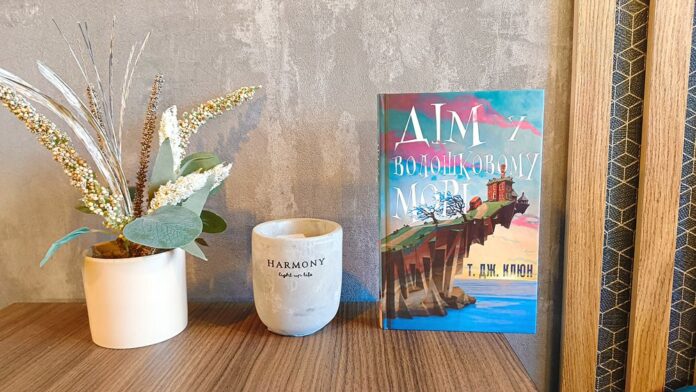
My friend called this book “a utopia in the middle of a dystopia,” and I can’t think of a better description. It’s cozy and comforting, though dramatic elements are present as well. Everyday, mundane situations take on extra charm thanks to the presence of a werewolf, an elf, or the Antichrist. There’s also an air of mystery surrounding the orphanage’s director, and a clear moral: the story is about self-awareness, acceptance of oneself and others, challenging stereotypes and prejudices that can ruin lives, and the importance of humanity and family. There’s a second book, but this story feels fairly complete on its own.
“Alien Plants: How Hogweed and Ambrosia Are Taking Over the Earth” by Oleksii Kovalenko
Nonfiction comes in many forms. It can motivate you to take action, inspire new habits, teach you something new, explore the brain, parenting, or someone’s life (if you want a nonfiction roundup, comment below). Or, sometimes, it can unexpectedly captivate you by focusing on seemingly ordinary topics.
That’s exactly what happened with Alien Plants. Although plants have never been a personal interest of mine, the author writes in such a light, enjoyable, and engaging way that it’s hard to put the book down – even if it’s not a fast-paced thriller. One chapter, for example, vividly explores the “invasion” of Ukraine by invasive North American maples, making ordinary botany unexpectedly gripping.
Read also: Bigme B6 Color Review: When an E-Reader Tries to Be a Tablet – and Didn’t Quite Succeed

The author explores plants that grow where they shouldn’t, plants that cause harm when you least expect it, and plants that people eat even though they probably shouldn’t. From this book, you’ll learn, for example, that the yellow flower associated with International Women’s Day isn’t a mimosa – it’s an acacia. And that sweet-smelling bloom isn’t an acacia either, but a black locust (Robinia). And what we casually call “daisies” often isn’t daisies at all. Add to that the illustrations, adapted memes, and constant jokes, and you get a botanical treat that will make you see maples and cornflowers differently forever.
Honorable mention. “The Fool’s Dance” by Illarion Pavlyuk
This book isn’t exactly “cozy,” as it’s an adventurous sci-fi story about colonizing another planet. But for me, it turned out to be a perfect escape. Reading about Gil’s adventures was so absorbing that I completely lost track of time – or rather, sleep. You know how it goes: if you weren’t sleeping enough before, there’s no reason to start now.
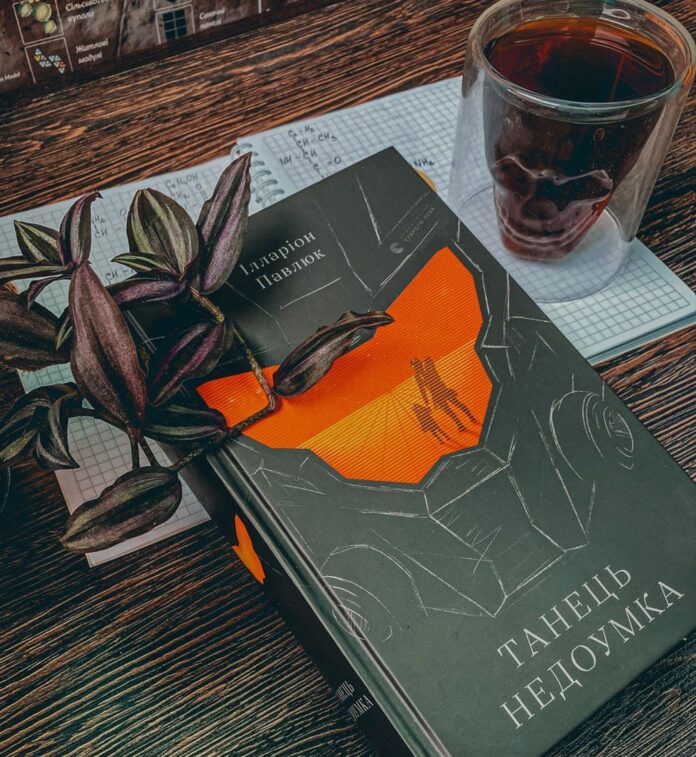
Space biologist Gil Hirshevich doesn’t have it easy: his marriage is complicated, his work is demanding, and his health is fragile – he has a genetic condition that could flare up at any moment. At a particularly difficult time, he’s offered an incredible opportunity: to join a mission to colonize another planet, with his family able to come along. Too good to be true, right? The author eases readers into this world at a deliberate pace, but over time it becomes so immersive and suspenseful that putting the book down is almost impossible. The ending is another story entirely – it leaves you sitting there, thinking deeply about everything that just happened.
Of course, there are many more cozy books (and non-cozy but equally compelling ones). Share in the comments which books help you stay grounded during these turbulent times.
Read also:
- TV Show Enthusiast, a Mechanic Cinderella, and a Gosling Mother: A Selection of Notable Books Featuring Robots
- Doesn’t Bark, But Bites: A Selection of Creepy, Fascinating (and Lustful) Vampire Books

