© ROOT-NATION.com - Use of content is permitted with a backlink.
The market for compact E-Ink devices that aim to combine the reading comfort of e-readers with modern communication features is becoming increasingly active. While other participants in this segment are still experimenting with limited mobile connectivity, Bigme has already established itself in the niche of E-Ink–based smartphones, offering fully functional devices for more than a year. The new Bigme HiBreak S Color serves as an entry-level model within this product ecosystem.

The manufacturer positions it as a more affordable option for users who do not require the additional performance of the Pro version but still want a current device. Although the HiBreak S omits some flagship-level features, it nevertheless represents a clear improvement over the first-generation model, resulting in a smoother and more comfortable day-to-day interaction with the system and applications.
For this reason, this review focuses on the new device. We examine whether the company has achieved a reasonable balance between cost and functionality, how the updated Android 14 performs on an E-Ink display, and whether this model is a practical choice for everyday use.
Read also: All smartphone reviews
TABLE OF CONTENTS:
Specifications
- Device type: smartphone with E Ink display
- Display: 5.84″ paper-like (E Ink Kaleido 3), colour touchscreen, 1440×720 pixels (~276 ppi) in black and white mode and 480×240 pixels (~92 ppi) in colour mode
- Backlight: yes, with 36 levels of colour temperature adjustment, screen refresh rate: 24 Hz
- Operating system: Android 14, 6/128 GB RAM (expandable up to 1 TB)
- Data transfer: LTE module (4G support), wireless interfaces: Wi-Fi 5 (802.11ac), Bluetooth v5.0, Port: USB-C
- Battery: 3300 mAh
- Body material: plastic, dimensions: 170×76.8×8.6 mm
- SIM card support: 2× nano-SIM with 4G / LTE support
- Cameras: front 5 MP, main 13 MP with flash
- Additional sensors/modules: GPS, gyroscope, customisable side button
- NFC: None
- Multimedia: voice recorder, speaker, dictionary, browser, audio player, voice reading, accelerometer.
Read also: All E Ink reader reviews
Positioning and price
The Bigme HiBreak S Color is currently priced at approximately $279 (around €260) for the color version equipped with a 5.84-inch E Ink Kaleido 3 display. At this price point, it is among the more affordable devices available with a color E-Ink screen.

Prices for competing devices with a similar purpose also vary. The Bigme HiBreak Pro Color, which features a larger 6-inch color E-Ink display, is typically priced at around $399–425 (approximately €372–396) for the higher-end configuration. Alternative compact E-Ink devices, such as those from Onyx Boox – often positioned more as e-readers than as full smartphones – are generally more expensive, with color models commonly exceeding $350.
Against this backdrop, the Bigme HiBreak S Color appears more competitive as a combined reader and smartphone. It offers a pragmatic balance between a color E-Ink display and a full Android environment with standard applications, while maintaining a lower entry price. This positioning may appeal to users seeking extended reading comfort alongside basic everyday mobile functionality.
Bigme HiBreak S Color package contents
The HiBreak S comes with a minimal and functional package, which is typical for modern E-Ink devices. Inside the compact box are the smartphone itself, a white protective case, and basic documentation, including a brief user guide and a warranty card.
Read also: Bigme B7 Review: When an E-Reader Tries to Be a Tablet – and Actually Pulls It Off

In addition, the manufacturer includes a standard tool for initial setup – a SIM card ejector.

The case is semi-transparent and of good quality, fitting the phone precisely. Overall, the included items represent a basic standard package, providing users with everything needed for a quick start without additional accessories that could raise the device’s cost.
Read also: Bigme B6 Color Review: When an E-Reader Tries to Be a Tablet – and Didn’t Quite Succeed
Design and ergonomics
Visually, the Bigme HiBreak S presents a modest and understated appearance. The body is made of plastic, but the rear panel features a textured surface that mimics leather. This design choice not only adds a sense of durability but also improves grip, helping the phone stay securely in hand.
On the front, there is a 5.84-inch display slightly recessed into the frame. The absence of protective glass over the E-Ink panel appears intentional, as it reduces reflections and provides a reading experience closer to that of paper. At the top of the front panel, a light sensor is integrated to adjust screen brightness automatically based on ambient conditions, provided the feature is enabled.


The button layout is designed with the device’s frequent use as a reader in mind. On the right side, the power button and volume rocker are positioned in the usual manner. The left side, however, houses a customizable button – its main standout feature. This button supports three different actions, which can be assigned to single, double, and long presses, offering a practical option for users who value personalization.


The available shortcuts for this button are notably practical:
- Reading controls: Navigate to the next or previous page.
- Display functions: Perform a full page refresh (useful for clearing artifacts), open the E Ink Center, or take a screenshot.
- System functions: Return to the home screen, access the multitasking menu, or clear the cache.
- Quick access: Activate the flashlight, launch the camera, or answer an incoming call.


At the bottom of the device are a USB-C port and a microphone, while the conventional bottom speaker is absent – it has been relocated to the top. This placement is logical for phone calls, but in landscape orientation when using apps, sound will only come from one side.
It is also worth noting that the HiBreak S lacks a fingerprint scanner or facial recognition, so access to the system requires entering a PIN each time. While this can feel less convenient compared to modern standards, it contributes a certain “analog” sense of reliability.
The speaker quality on the Bigme HiBreak S Color is generally adequate: it is sufficiently loud, clear, and does not produce a hollow sound, making it suitable for everyday use.
Read also: Bigme B13 Portable E-Ink Monitor Review: Who Is It For and What Is It Good For?
Bigme HiBreak S Color display
The HiBreak S Color is designed around the concept of bringing the reading comfort of E Ink into an everyday smartphone form factor. As mentioned earlier, the device features a 5.84-inch display and is available in two variants, with a current price difference of approximately $80 (€74): a monochrome E Ink model, optimized for maximum text clarity and minimal power consumption, and a color E Ink Kaleido 3 model, intended for web pages, magazines, comics, and simple graphics.
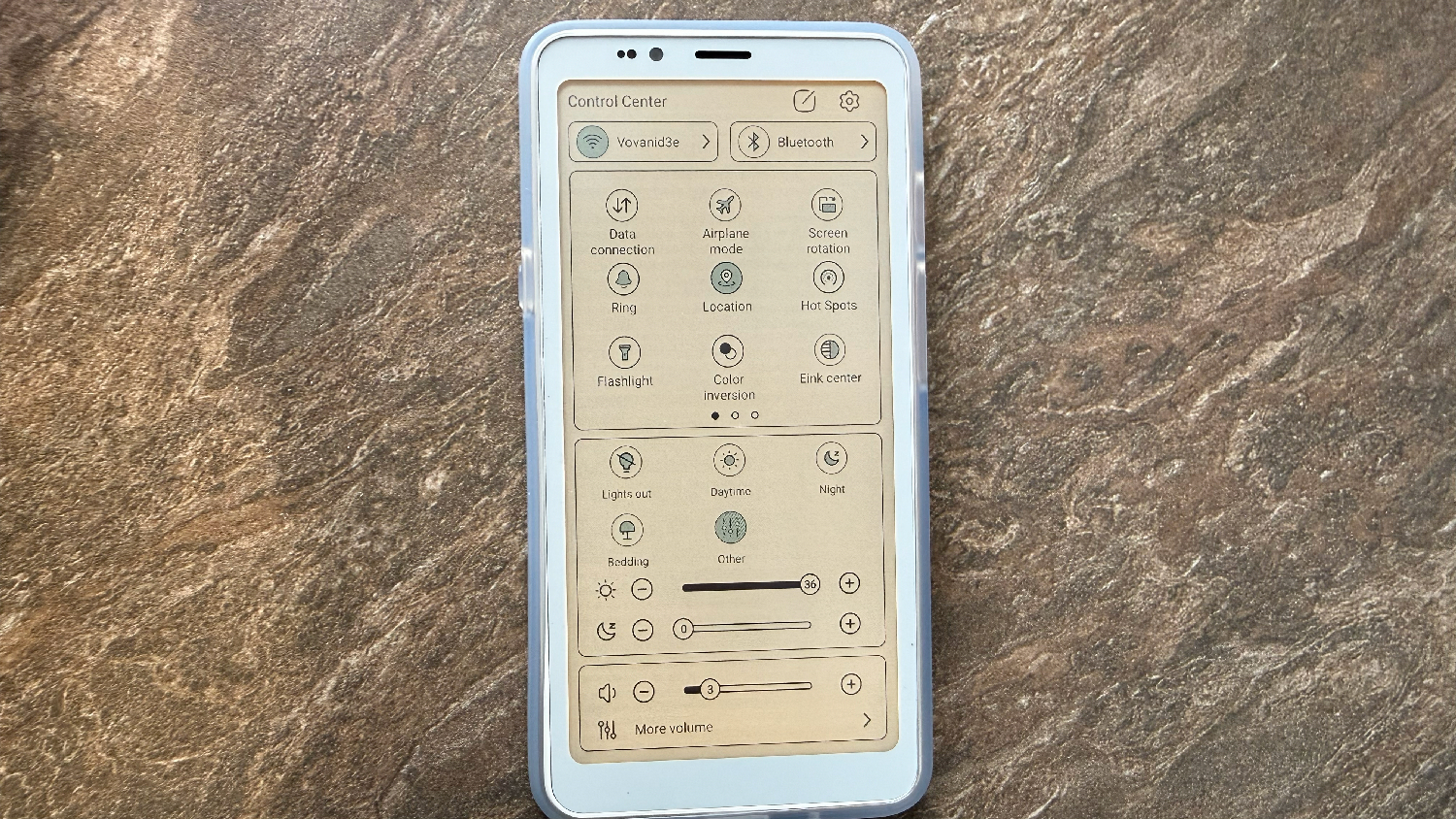
In both cases, the display supports a refresh rate of up to 24 Hz and includes front lighting with 36 adjustable color temperature levels, allowing users to reduce cool tones and shift to a softer, “paper-like” light in the evening.
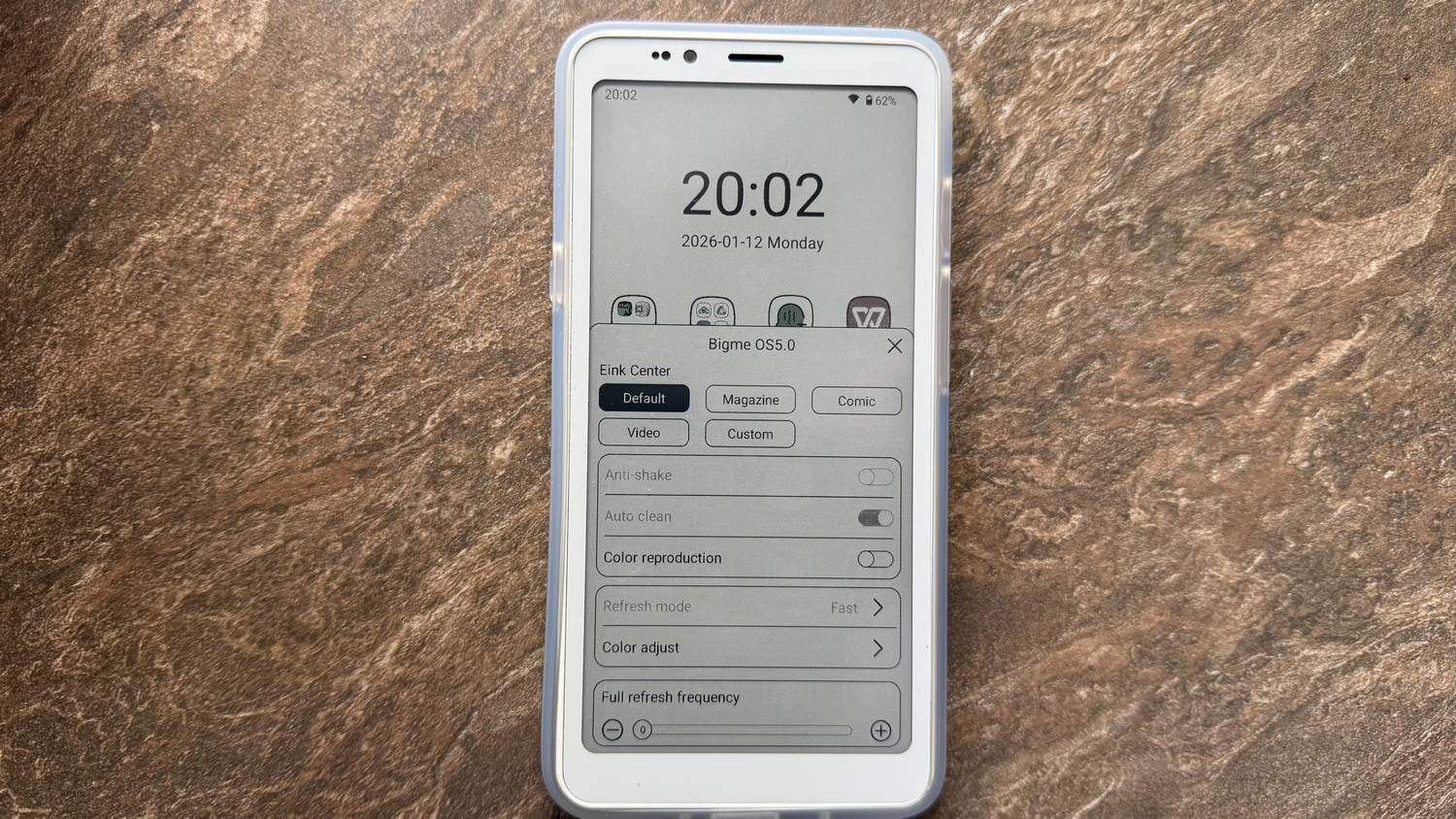
It is also worth highlighting Bigme’s special super refresh mode, designed to reduce ghosting and residual image artifacts that are common with E Ink displays. The manufacturer labels this as “SSS-level,” and in practice, it noticeably improves interaction with the interface compared to previous generations. Menus scroll more smoothly, web browsing appears more stable, and page turns produce fewer artifacts.
This feature is particularly noticeable when compared to the Bigme B6 Color e-reader from a previous review, where the absence of a more aggressive refresh mode made the interface slower and more prone to ghosting during regular use.
Screen backlight in Daytime and Night mode:

The technical compromises are clear and predictable. The monochrome version has a resolution of 1440×720 pixels, which provides sharp and clean text rendering for a display of this size.
Screen in Colour Inversion mode:
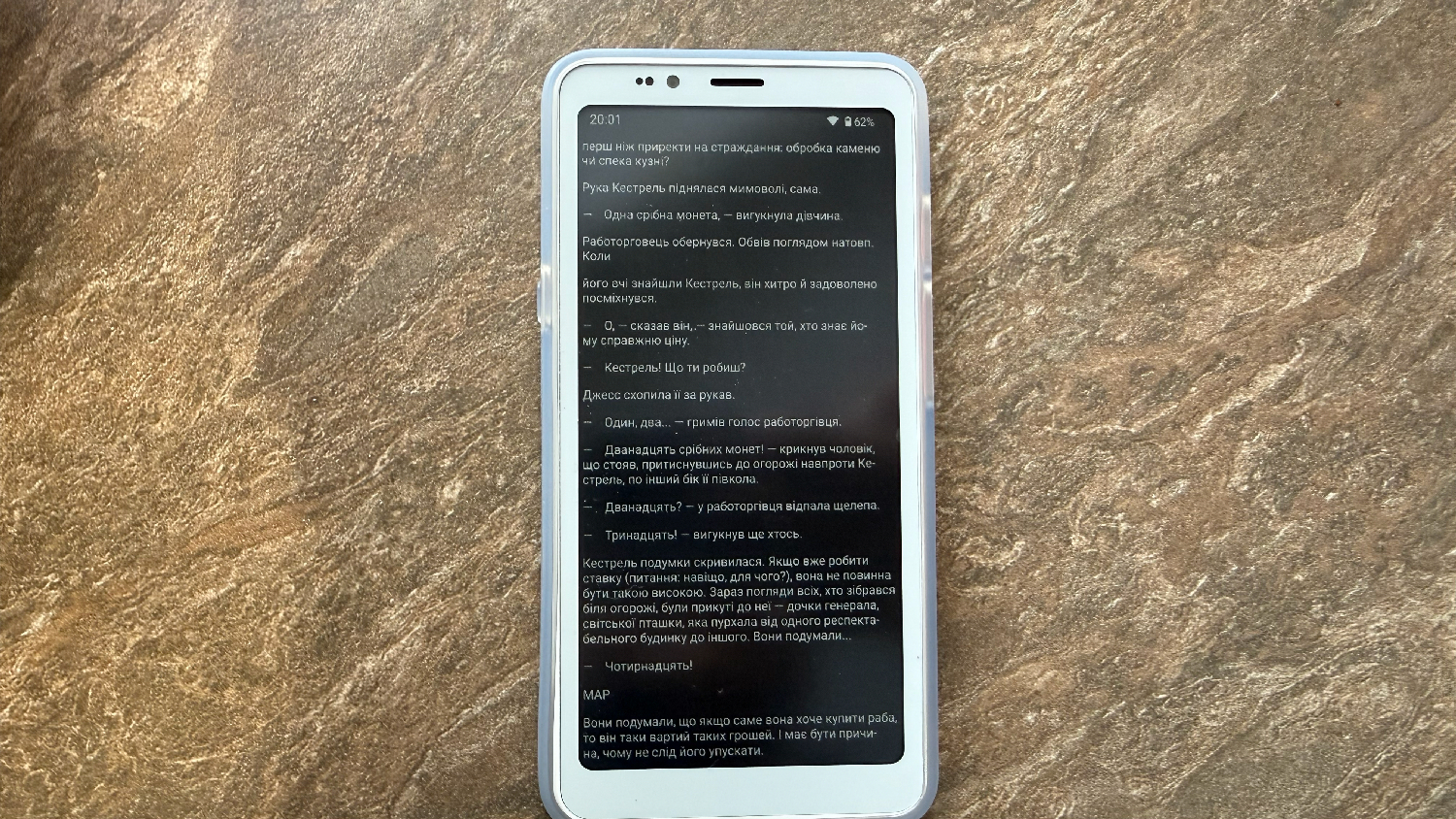
The color Kaleido 3 version has a resolution of 480×240 pixels, which is sufficient for color accents, covers, charts, and diagrams, though the pixel grid remains visible. The color display also appears darker than the monochrome variant, even with the front light enabled, which is a typical characteristic of Kaleido screens.


Even with the super refresh mode, the HiBreak S Color should not be considered a device for video playback or smooth scrolling comparable to 60–120 Hz LCD or OLED screens. Its strengths lie in image stability and low power consumption. It performs best in reading applications (preferably not the default one), note-taking, basic messaging, and light work scenarios where eye comfort and battery life are more important than fast animations.

To achieve the cleanest image with minimal artifacts, it is generally advisable to use lower refresh modes, which further emphasizes that this display is optimized for calm, deliberate daily use rather than fast-paced interactions.
Read also: Bigme HiBreak Pro Review: An Almost Ideal E-Ink Smartphone for Digital Detox
Software
The Bigme HiBreak S Color is powered by a MediaTek Helio P35 processor, an entry-level chip previously used in the original Bigme HiBreak. Considering the device’s positioning, this level of performance is adequate: the smartphone is not intended for resource-intensive tasks, heavy multitasking, or complex computations.
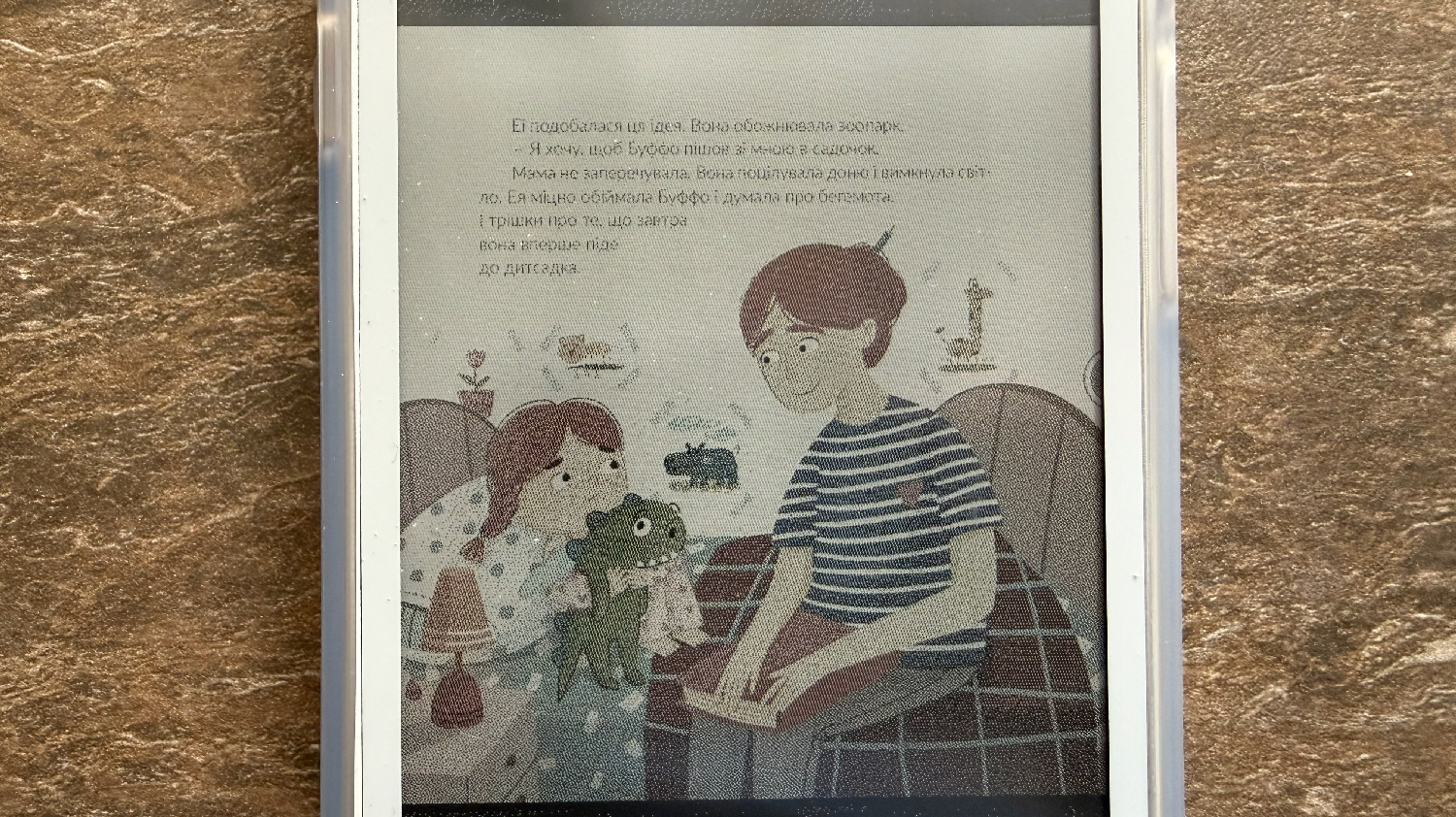
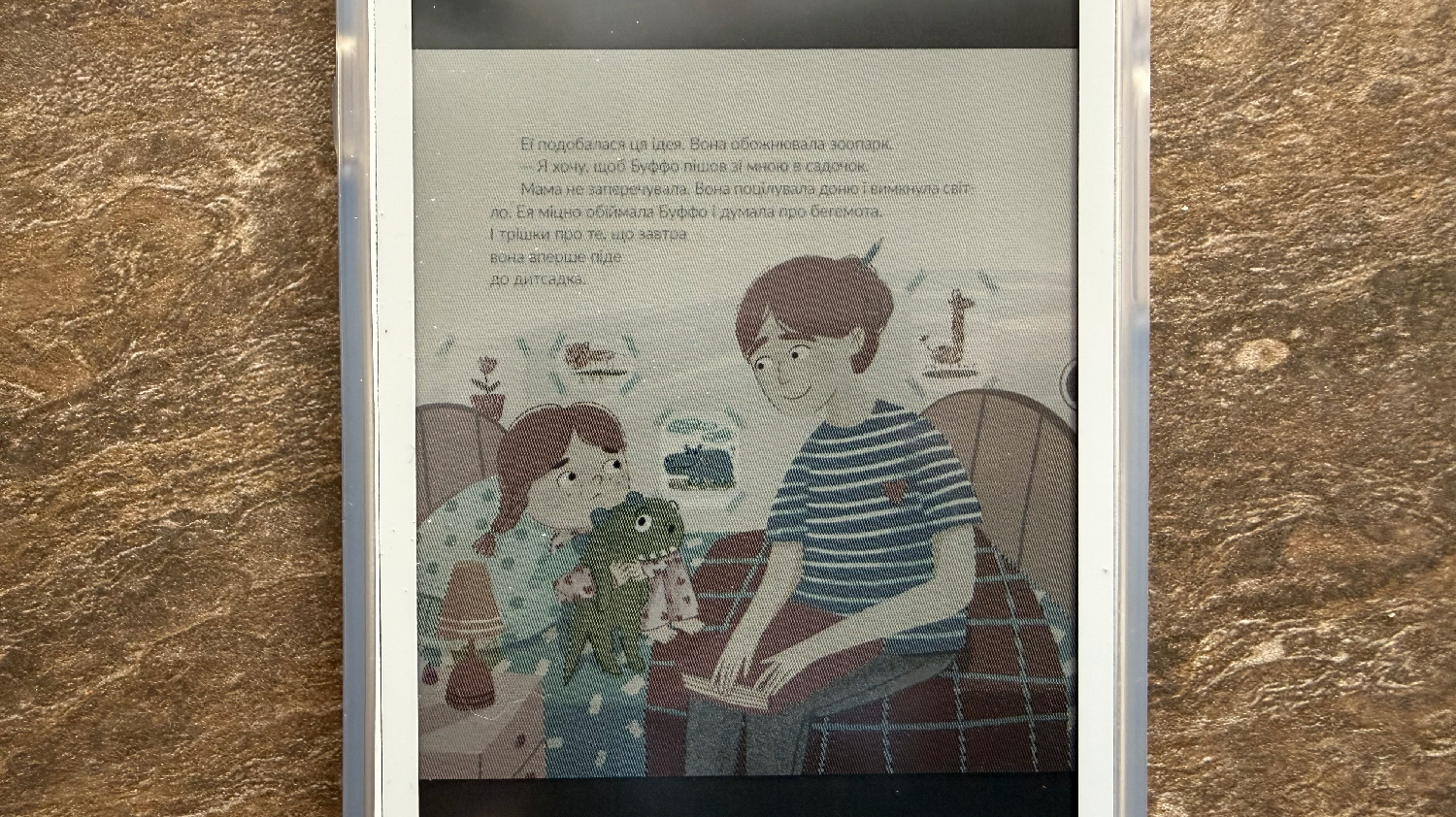
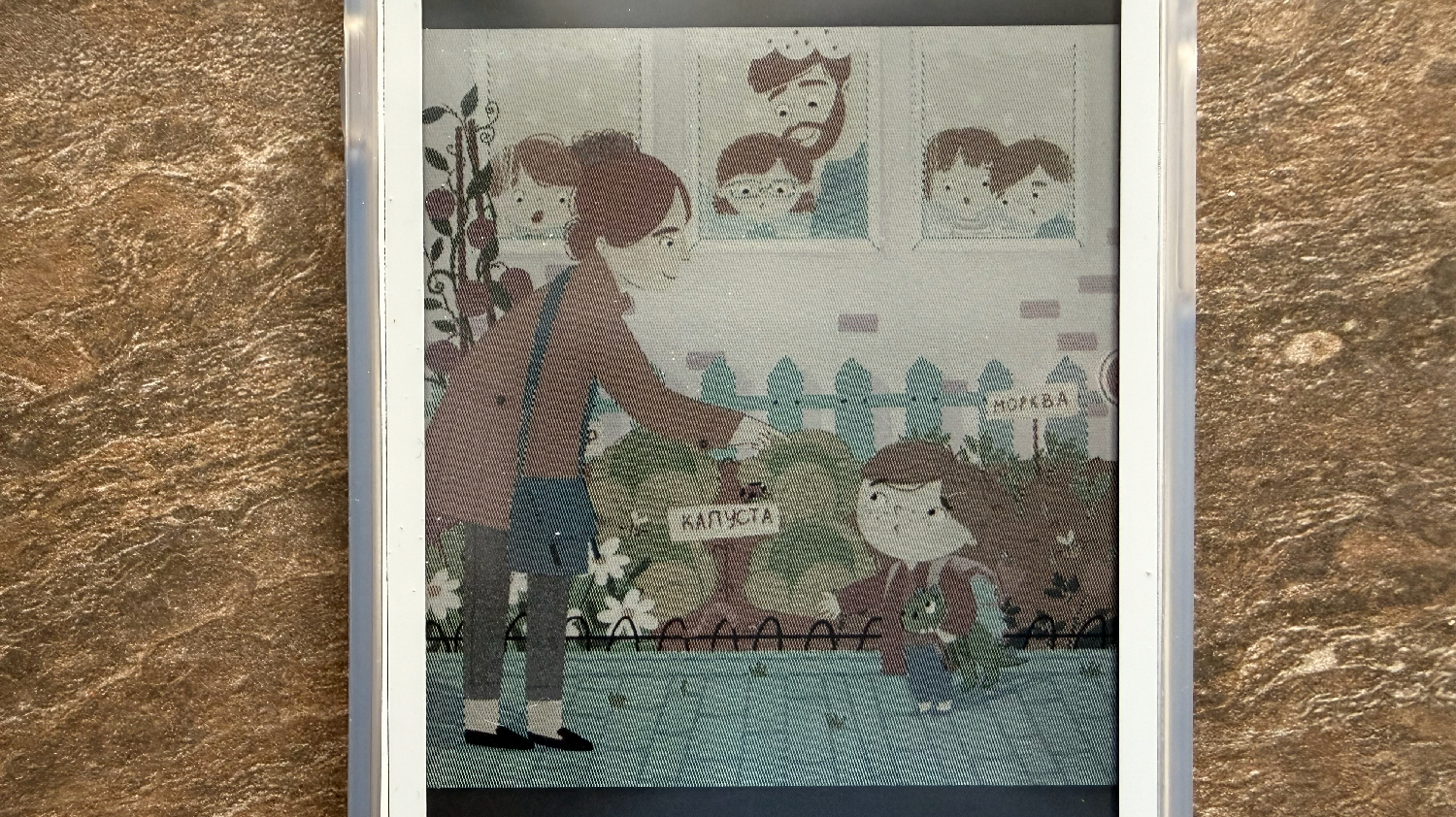
Three update modes (Default, Magazine, Comic, respectively) using 1 image as an example:
For reading, browsing, messaging, note-taking, and basic work tasks, the Helio P35 handles performance adequately, particularly given the characteristics of an E-Ink display. The 6 GB of RAM is generally sufficient, though minor instability can occasionally occur: for example, when launching older apps from the multitasking menu, a program may close unexpectedly or a different app may open instead. This is likely related to memory management or firmware optimization.
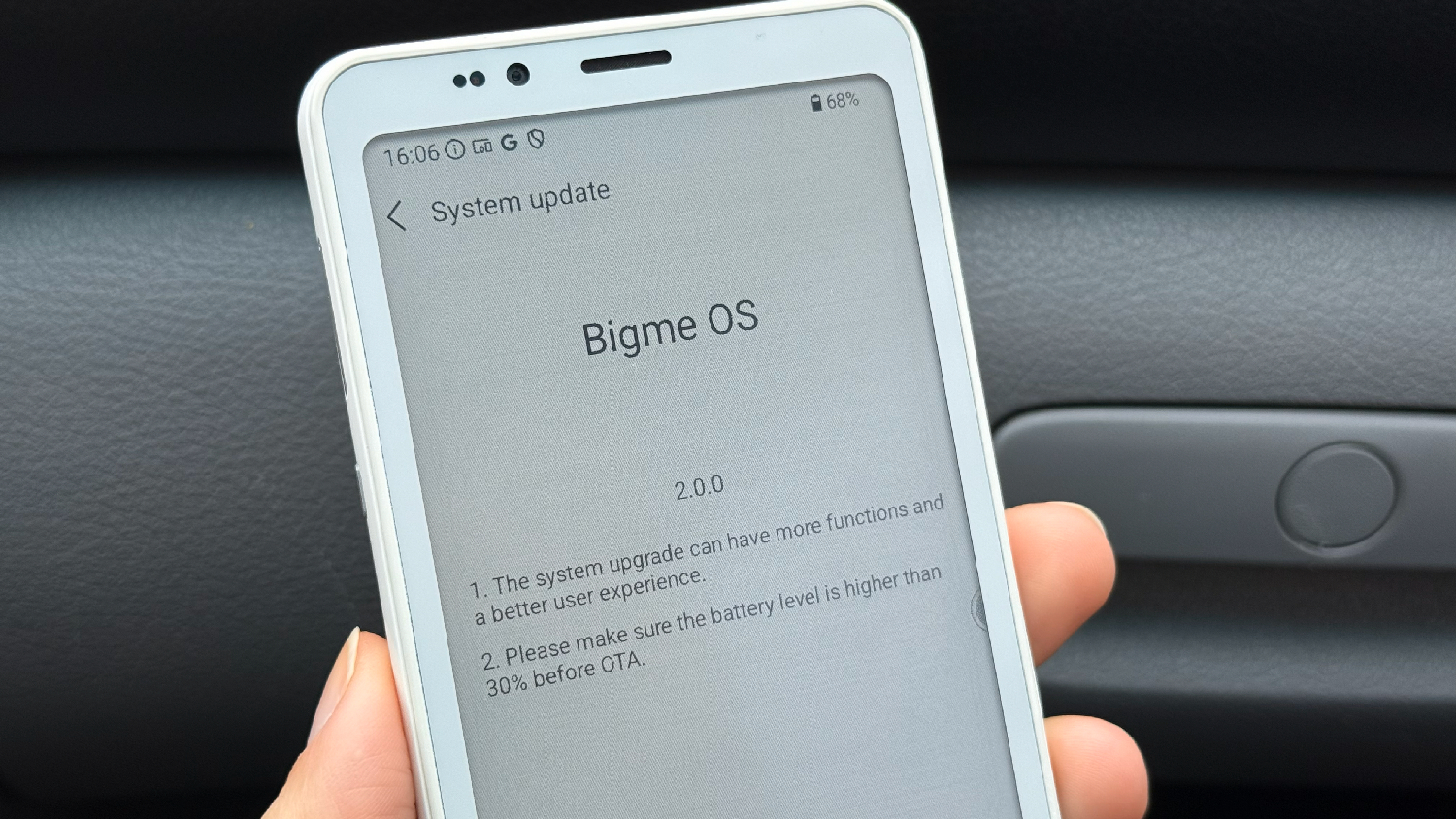
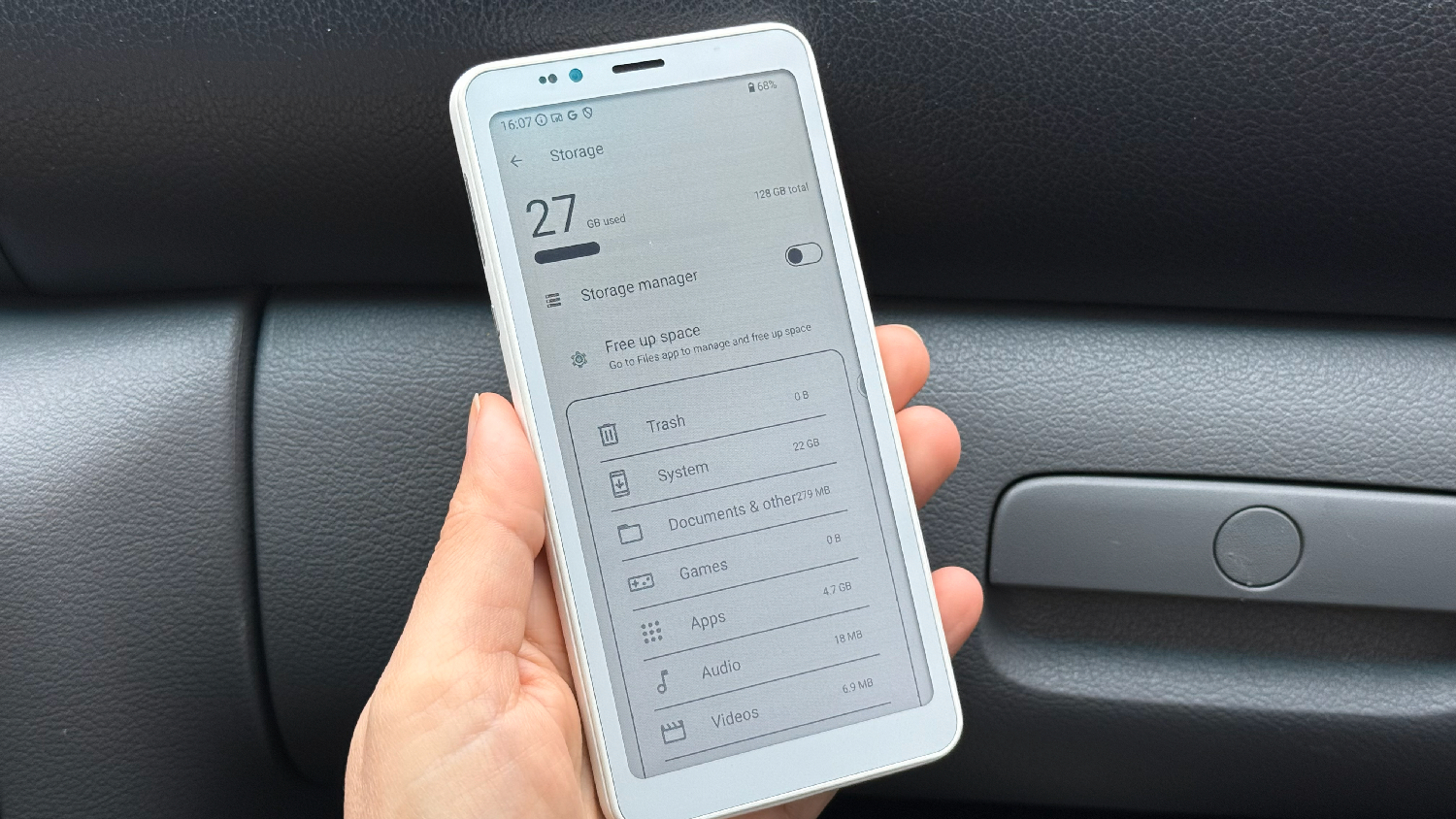
From a software perspective, Bigme takes a minimalist approach. The system includes almost no third-party or pre-installed apps, aside from a basic set provided by the manufacturer, and using the phone does not require creating or linking a Bigme account. The interface is simple and functionally restrained, without extensive settings or complex custom shells.
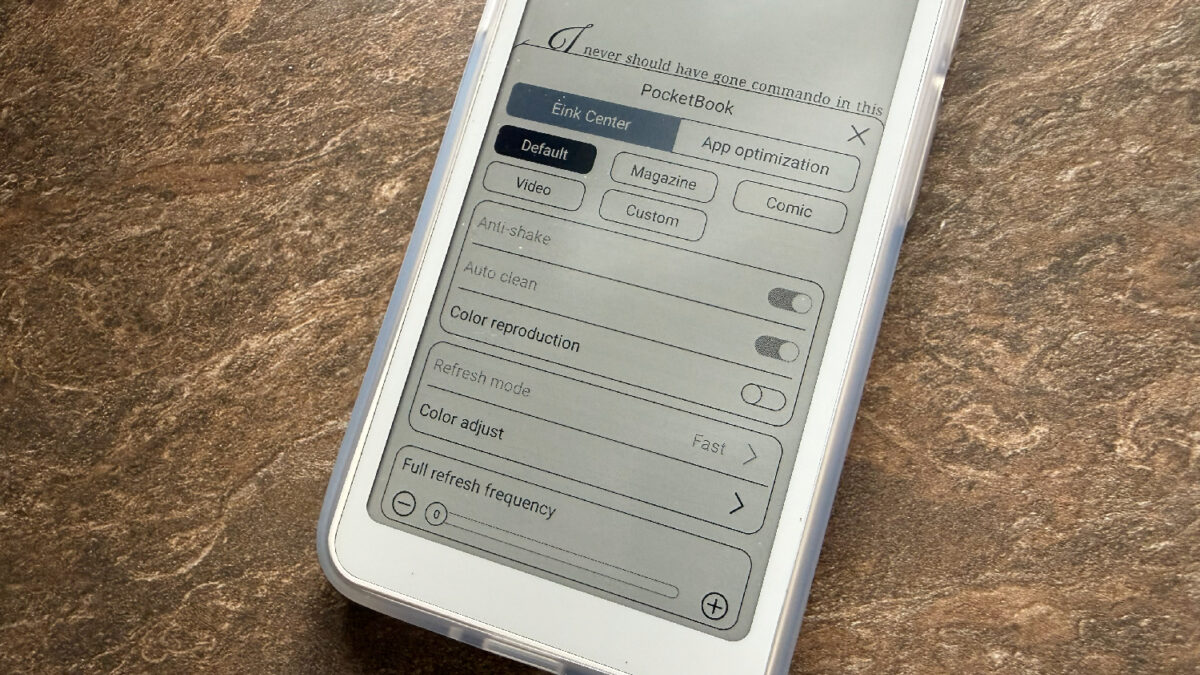

If additional functionality is needed, it can easily be added through the Google Play Store by installing third-party apps. The smartphone runs on Android 14, but expectations regarding future updates should be tempered: it is unlikely that new Android versions will be released for this device. Experience with the previous Bigme HiBreak indicates that the manufacturer tends to launch new models rather than update existing ones to the latest OS version.
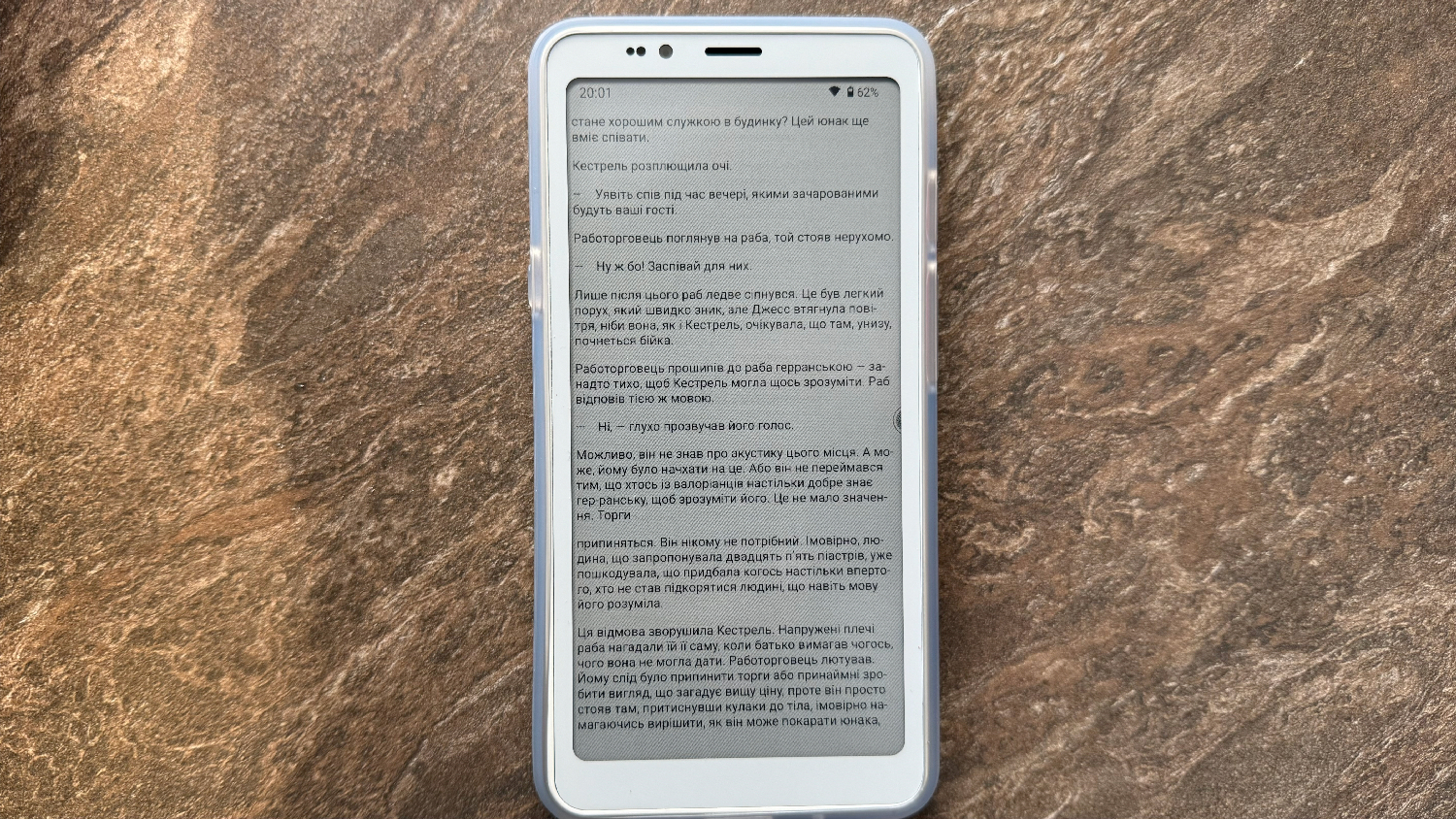
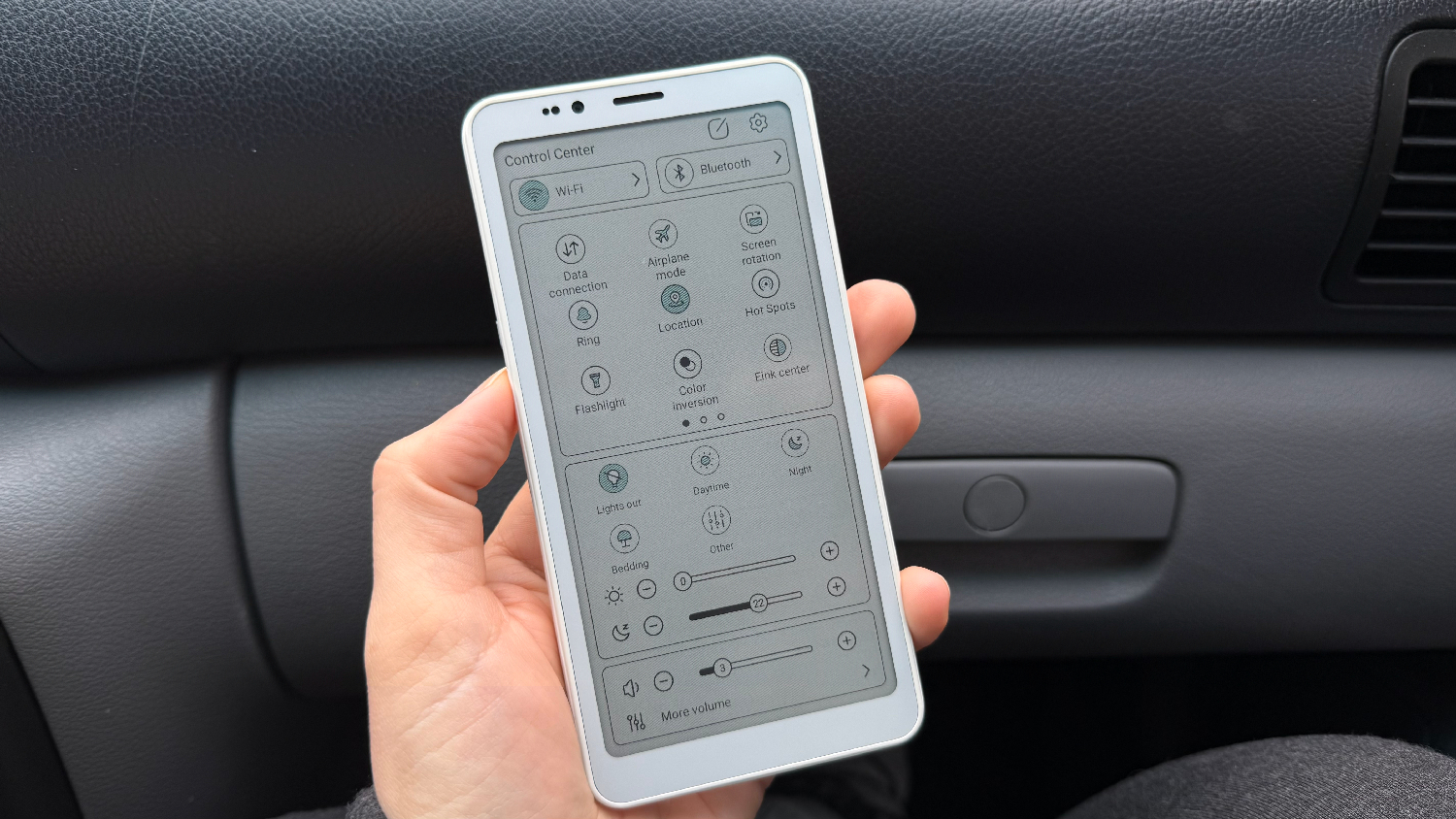
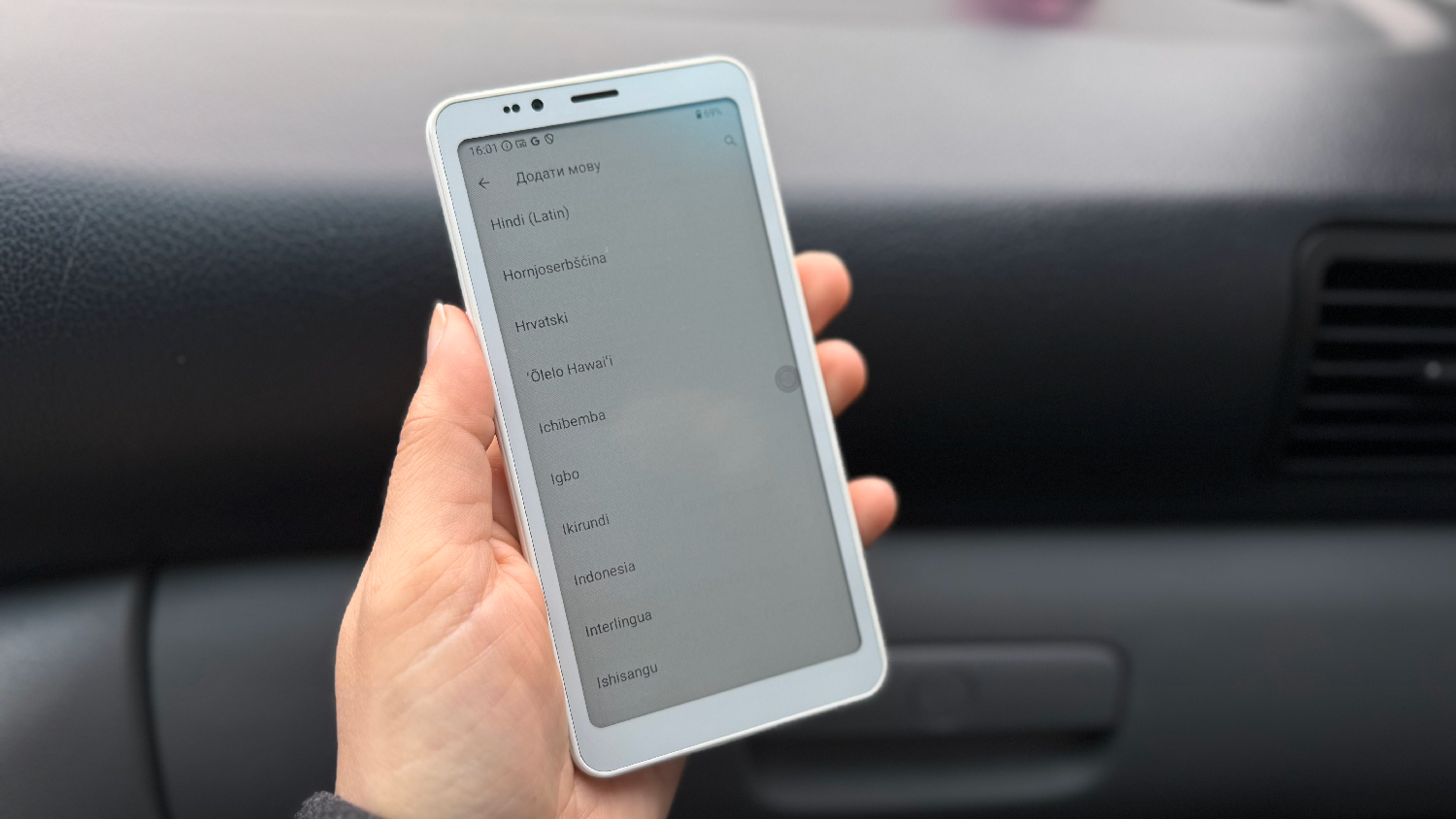
Among additional features, the customizable always-on display mode stands out. Users can choose to display the clock and calendar and set the time refresh interval to 1, 5, 10, or 30 minutes. However, the calendar does not sync with Google Calendar, which is important to note for users who rely heavily on the Google ecosystem. The system includes a backup function, but its capabilities are described somewhat vaguely, so for critical data, it is advisable to use cloud synchronization or manual file copying.
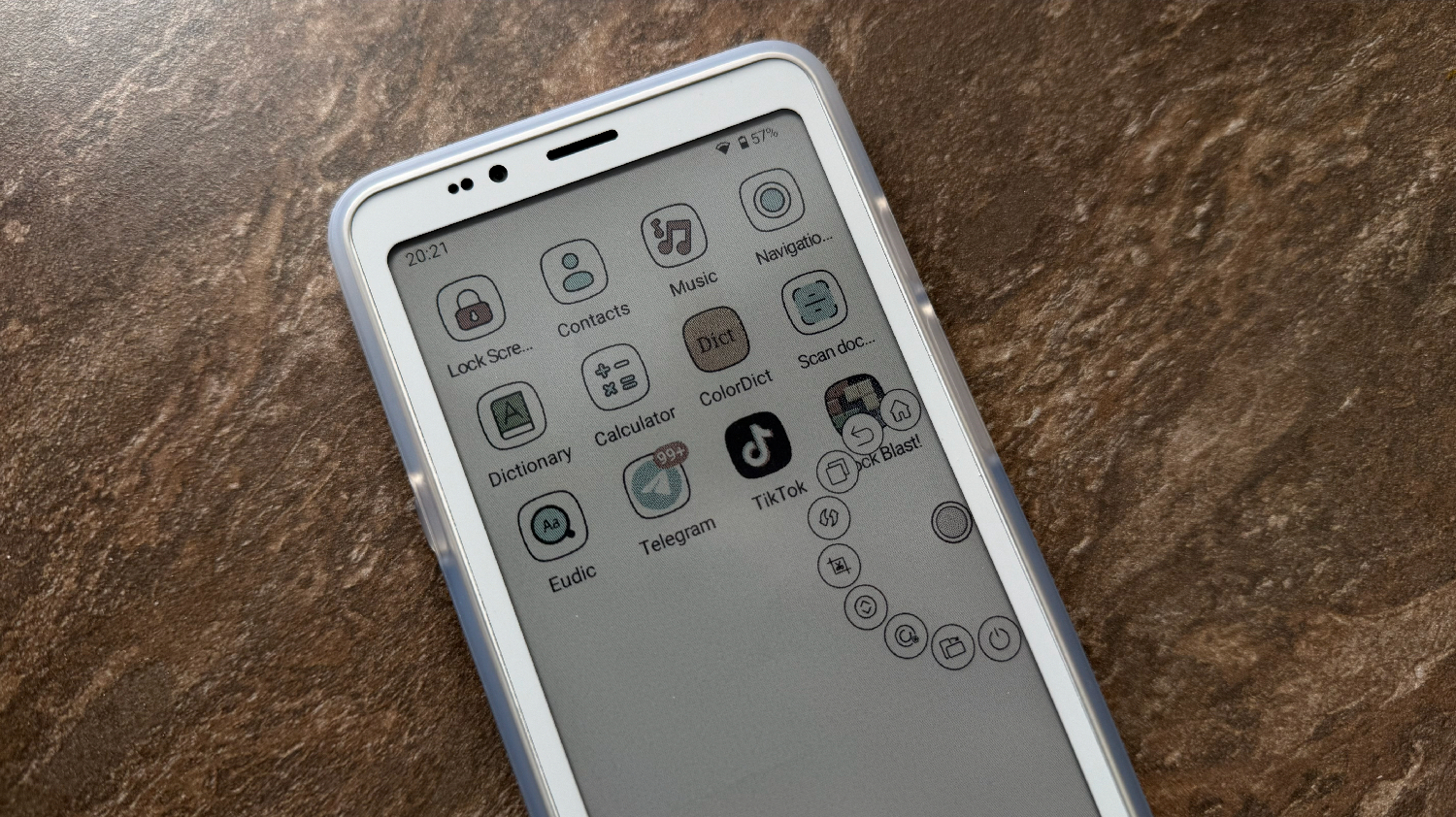
Another notable feature is NaviBall, a floating quick-access button that allows users to create up to nine customizable shortcuts for actions or apps. In everyday use, it proves genuinely useful, especially given the slower navigation typical of an E Ink display. However, there is a minor drawback: when minimized, NaviBall can be difficult to locate on the screen, occasionally reducing ease of interaction. Overall, the software environment of the Bigme HiBreak S Color is functional and adequate for its intended use cases, though it does not offer extensive customization options.
Read also: Bigme B1051 Review: Tablet with Colour E ink Display, Stylus and Keyboard
Cameras
The camera module on the Bigme HiBreak S Color is intended, as the manufacturer envisioned, as a functional tool rather than a creative photography device. The main camera is primarily designed for document capture: it works well for photographing text, receipts, notes, or book pages, and it supports OCR (optical character recognition). In this context, the camera is genuinely useful, particularly for students or anyone who frequently works with paper materials and wants to quickly convert them to digital form. Competing with modern smartphones in photography is not the goal – the image quality is basic and sufficient only for utilitarian purposes.
You can see this for yourself (the first photo was taken with the front camera):

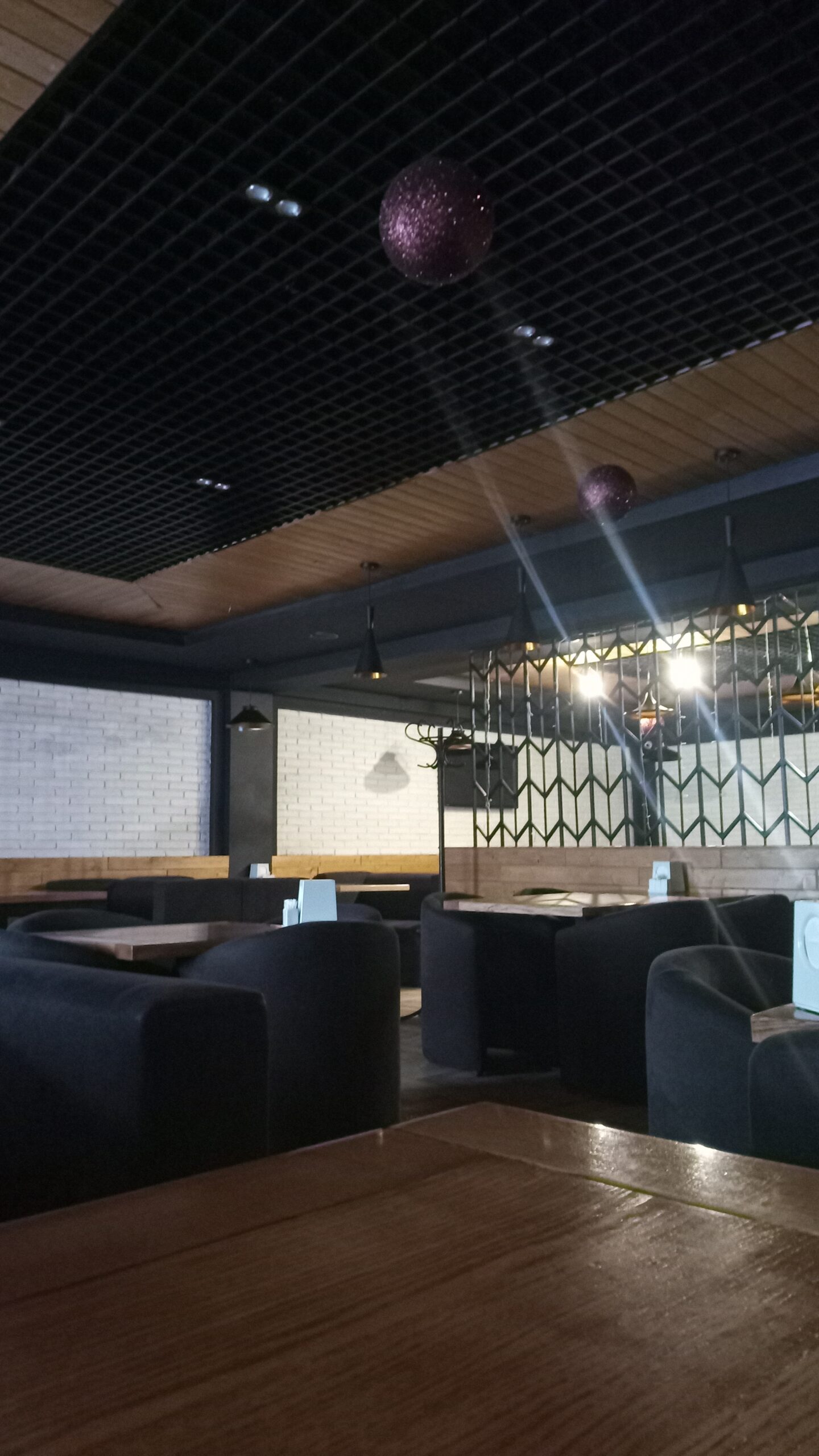

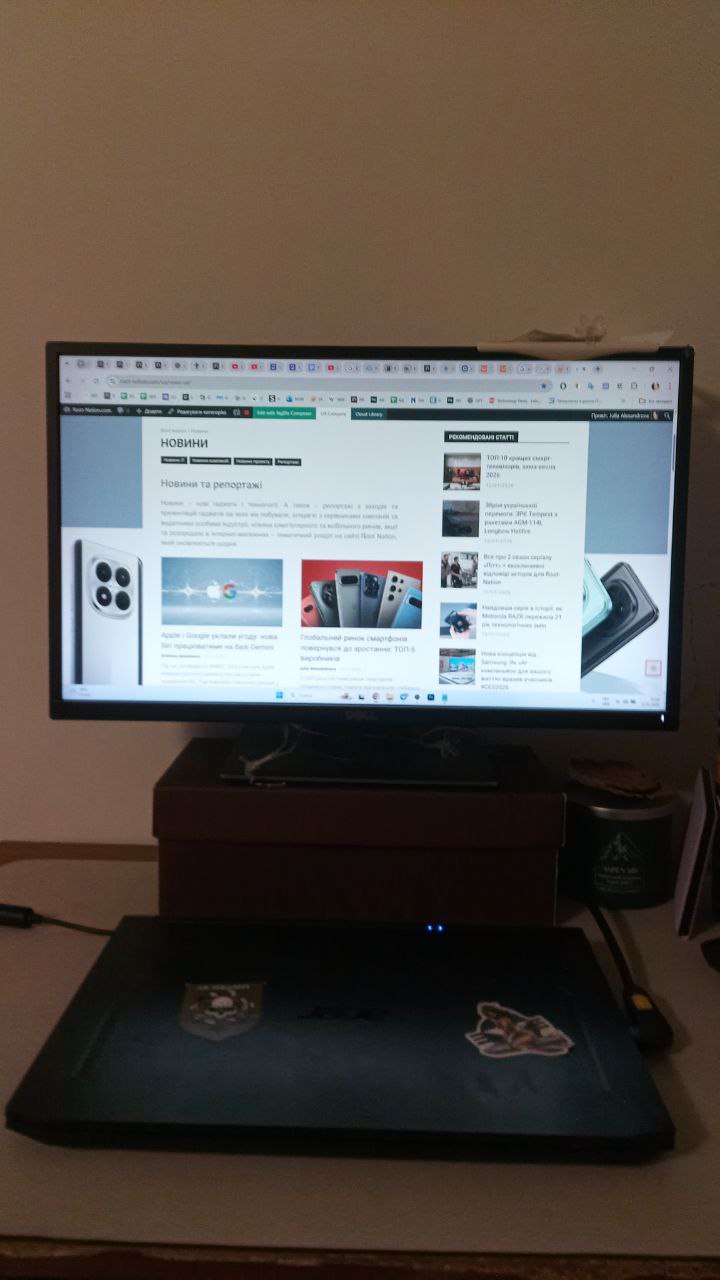
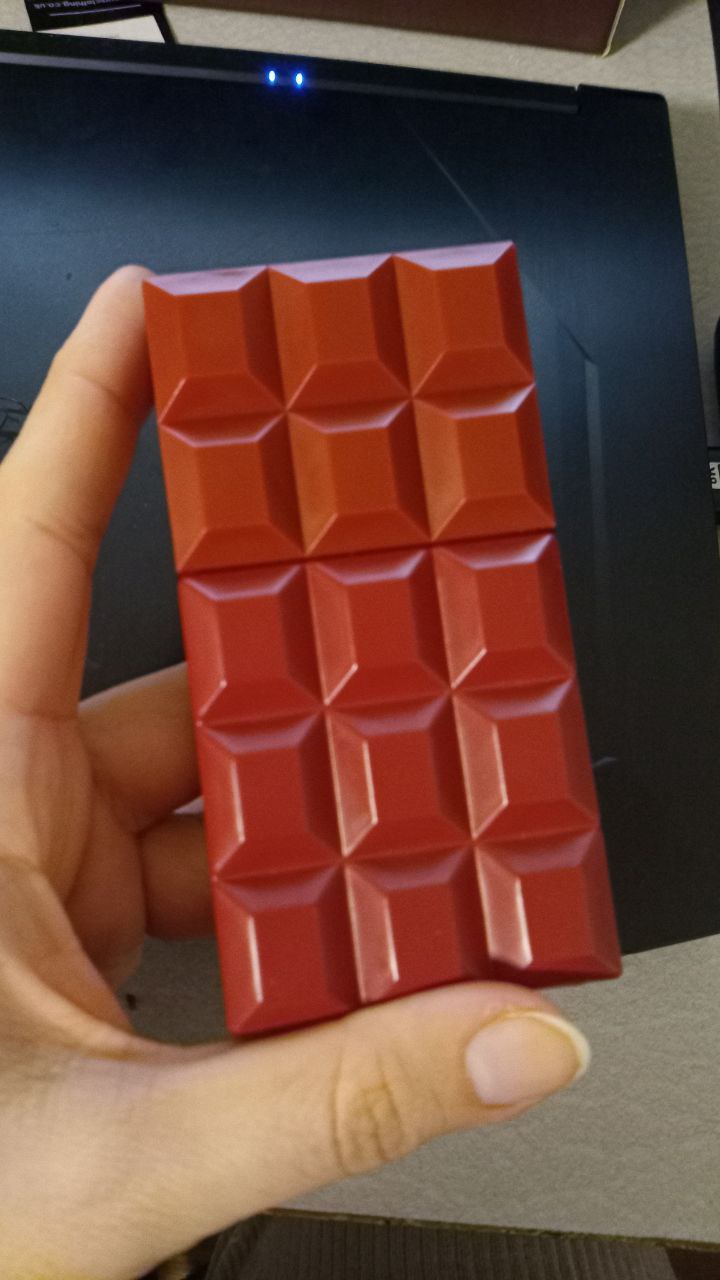
The front-facing camera is a 5 MP unit located at the top of the device alongside the speaker, intended for basic video calls and occasional selfies. It performs its minimal function adequately but does not offer high detail or strong performance in challenging lighting conditions.
You also mentioned creating a small “carousel” to compare how a photo taken with this phone looks on the HiBreak S versus another device. This kind of comparison is useful to illustrate the limitations of the camera and the E Ink display in rendering images.
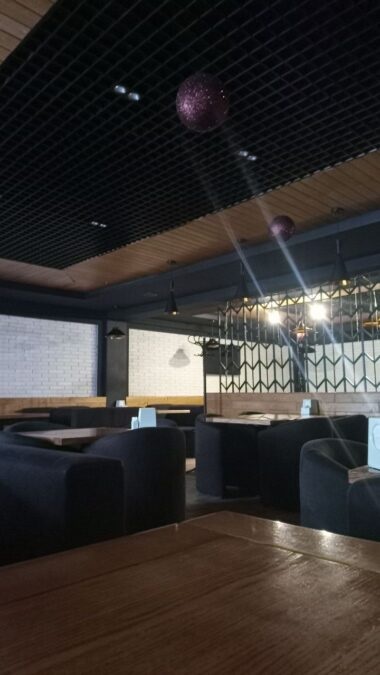
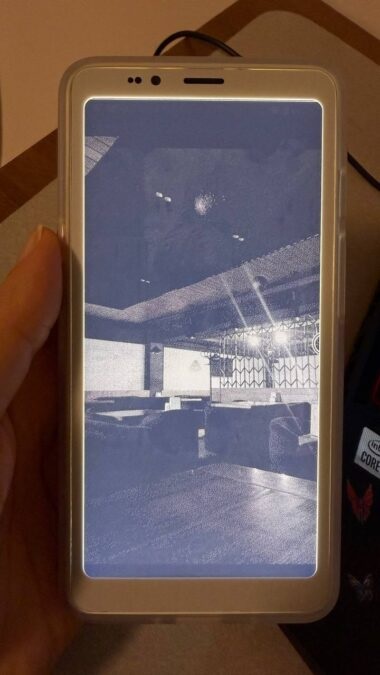
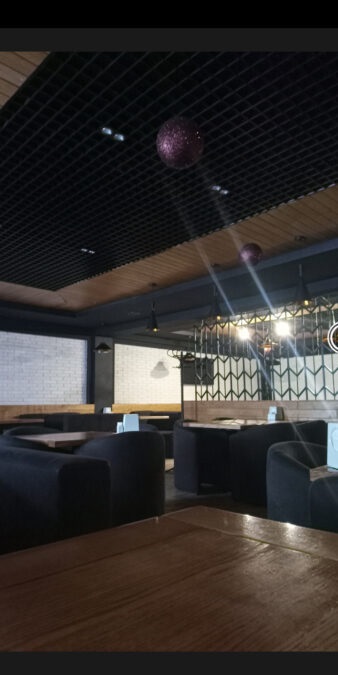
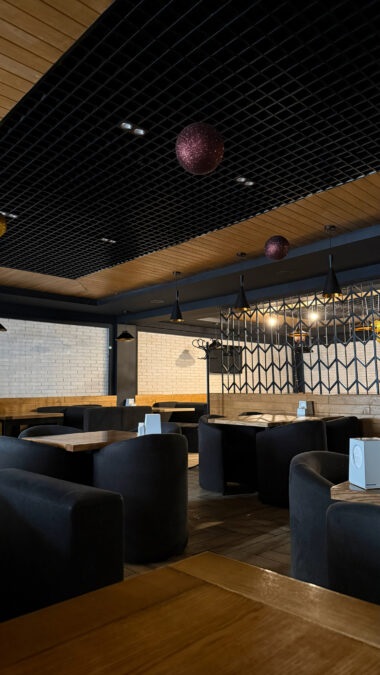
It should also be noted that the phone does not support facial recognition or a fingerprint scanner, so access to the device is always via a PIN code. In everyday use, this can feel somewhat inconvenient compared to modern smartphones, but it aligns with the HiBreak S Color’s philosophy as a functional tool rather than a multimedia gadget.
Read also: Bigme B751C review: Finally, Affordable E-Reader With Color E Ink And Android
Battery life
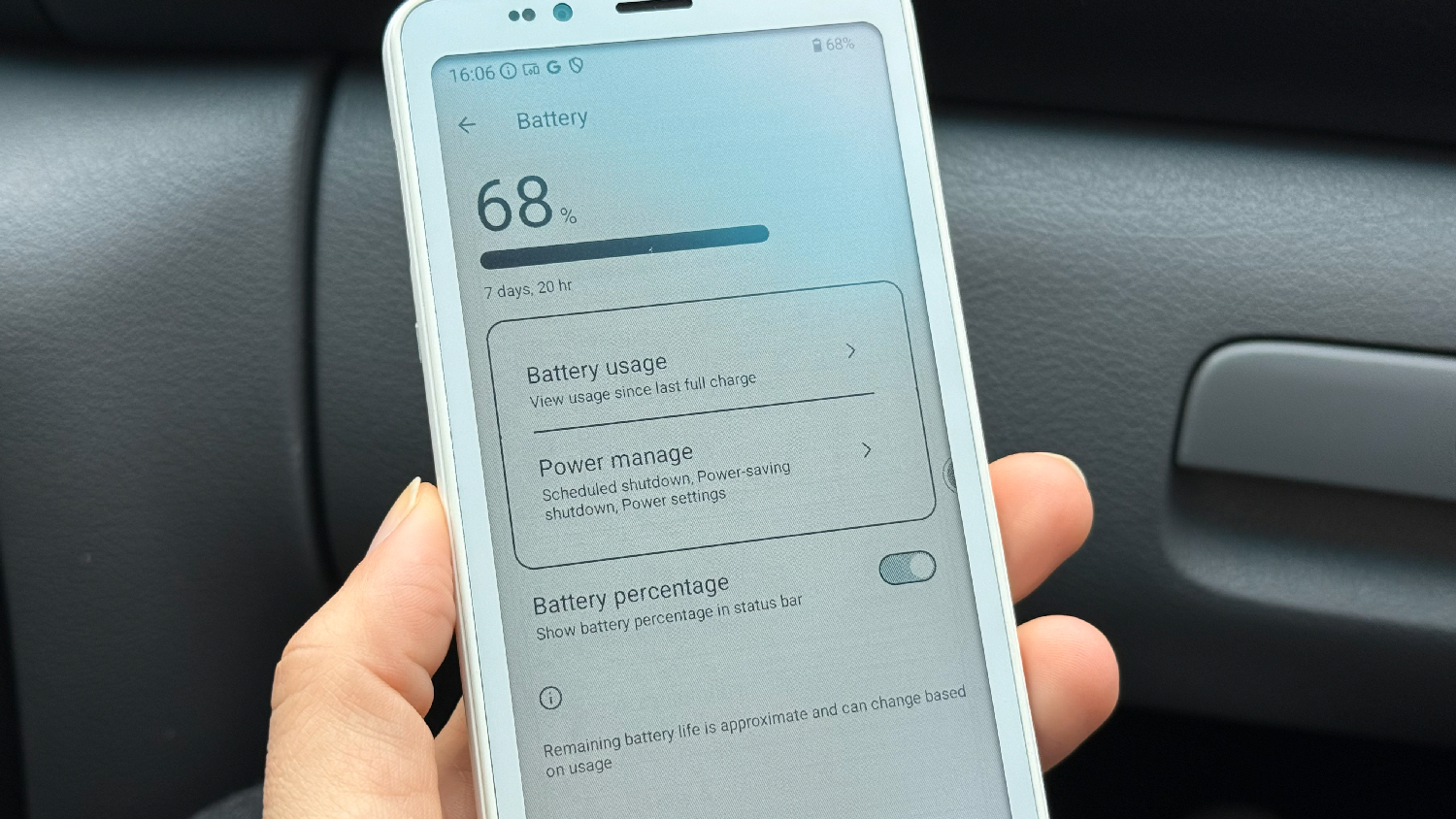
When it comes to battery life, the Bigme HiBreak S operates under a completely different set of rules compared to typical smartphones. Thanks to the E Ink display, the main concern is not whether the device will last until the evening, but how many days – or even weeks – you can go without recharging. Because the screen only consumes power when updating the image, this device is particularly well suited for users who are tired of constantly relying on power banks.
Well, you can see for yourself, 7 days and 20 hours is no joke:

The color Kaleido 3 version, however, introduces some trade-offs. Due to the additional light-filter layer, the display appears slightly darker, so you will likely want to use the front light more frequently. Even with active use of the backlight and regular reading in apps, the HiBreak S demonstrates impressive endurance. With the monochrome model, used primarily for reading and calls, battery life becomes almost remarkable – you start thinking in terms of hours of screen time per week rather than daily percentage drops.
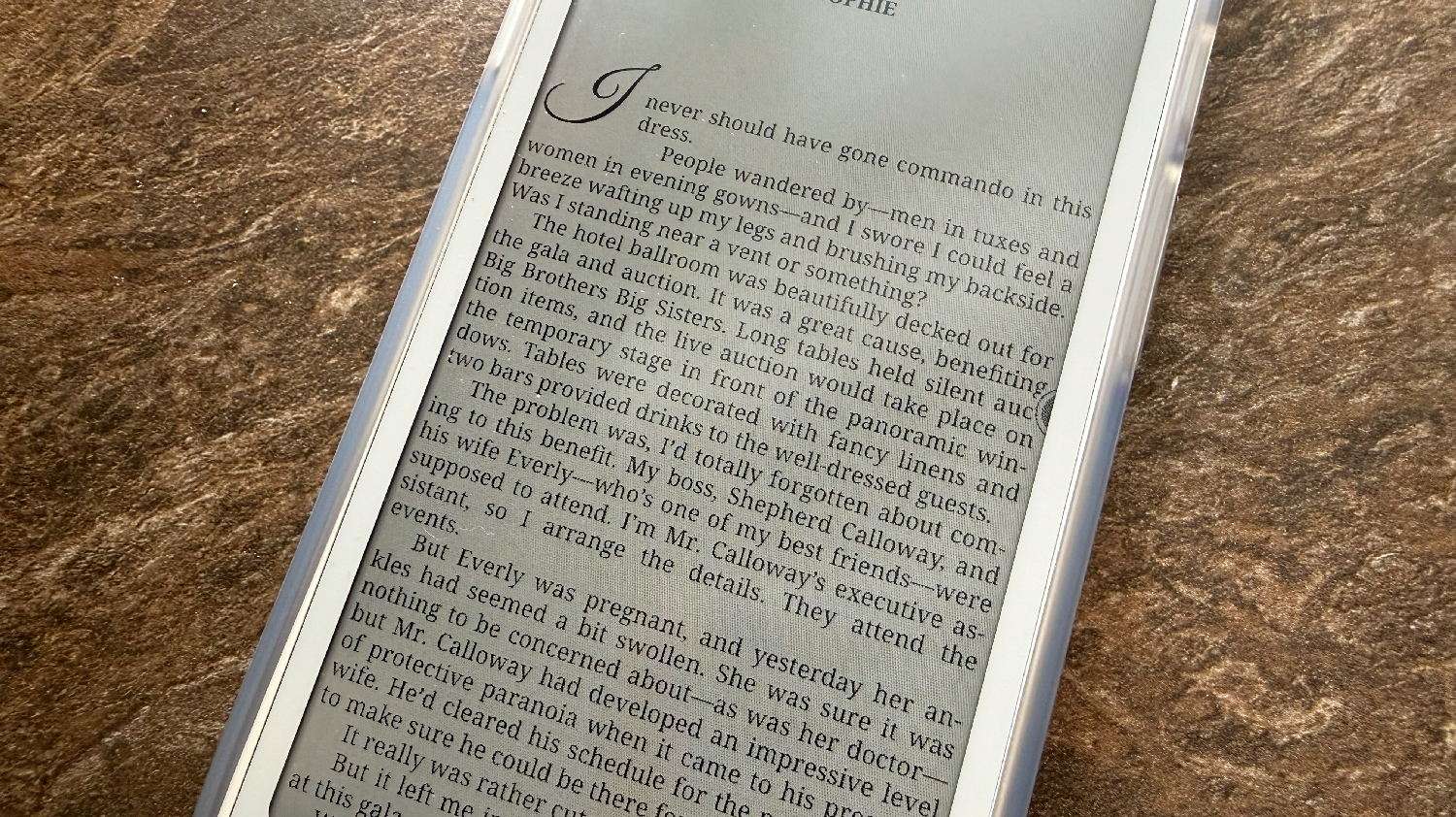
Of course, the smartphone has other energy “consumers” as well. Besides the front light, battery drain is noticeable from active vibrations for calls and notifications, as well as processor-intensive tasks handled by the MediaTek Helio P35. Running demanding apps – such as games or video-heavy platforms like TikTok (not recommended) – will reduce battery percentage more quickly. Still, in its typical “phone-and-reader” usage, the Bigme remains one of the most enduring devices you can carry in your pocket.
Read also: Lenovo ThinkBook Plus Review: E Ink on the Lid – Good or Bad?
Experience of use
The Bigme HiBreak S occupies a unique position in the market as one of the few devices offering a full smartphone experience on a Kaleido 3 display. Unlike many similarly sized gadgets that limit SIM card use to mobile data, this device supports traditional phone calls without relying on messaging apps.
Call quality is notably clear, with voices transmitted without distortion or volume dropouts, and the phone maintains a stable network connection even in suboptimal reception conditions. During calls, the device behaves like a conventional smartphone, without unusual compromises – a key consideration for users who intend to use the HiBreak S as a primary daily communication tool rather than a secondary device.
By the way, you can also play on it, but only if you really, really need to:
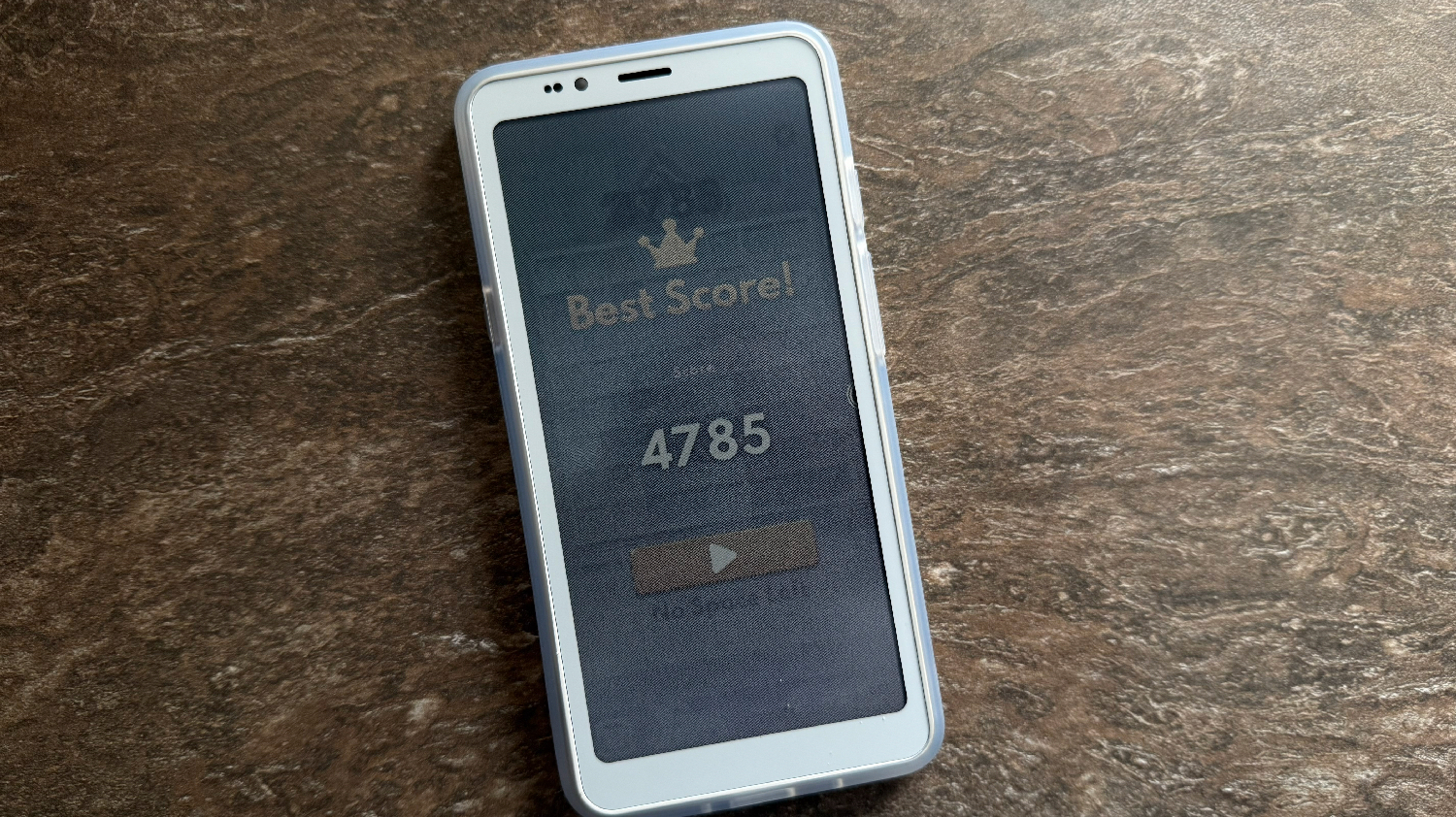
The device’s software appears cohesive and well-polished. Bigme typically uses the same interface in its phones as in its branded e-readers, creating a seamless experience when switching between the manufacturer’s devices. This phone can be recommended both as a secondary device or as a primary gadget for users who have visual sensitivity and need a screen that is easy on the eyes.

However, there are some nuances to consider. If your primary goal is solely reading, the color layer of the screen may be unnecessary. For mixed usage – light reading, web browsing, banking apps, and other everyday tasks – the HiBreak S offers sufficient capability. It is a reliable tool for users who want to reduce blue light exposure on their eyes without giving up the functionality of a modern smartphone.
Conclusions
The Bigme HiBreak S Color leaves the impression of a highly niche device. It is not an attempt to replace a conventional smartphone, nor is it a universal gadget for everyone, but it is one of the few options that genuinely allows daily use of an E Ink display. For activities such as reading, messaging, calls, note-taking, text work, and minimizing visual clutter, the HiBreak S fits well into daily routines and gradually feels natural. This is particularly relevant for users whose eyes tire easily from standard displays or who consciously want to reduce overall smartphone screen time.

Of course, the Kaleido 3 color screen has its characteristics – it appears noticeably darker than the monochrome display and requires some adjustment to the graininess in color. However, it is perfectly adequate for work chats, navigation, or banking. This makes the HiBreak S an ideal “secondary phone” for users who want to stay connected without overloading their mind with endless scrolling through bright social media feeds.
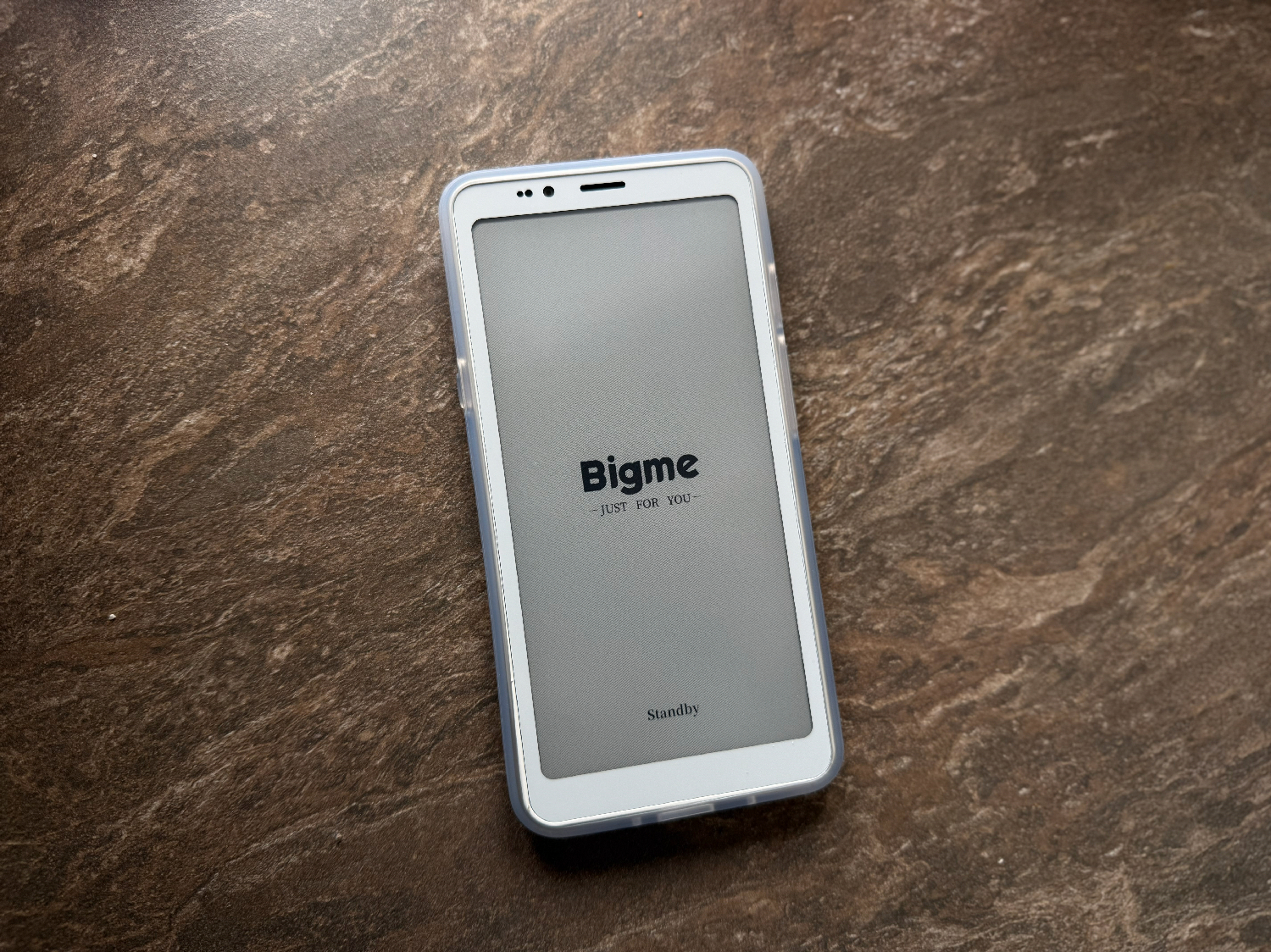
If your goal is to reduce screen time or read comfortably on the go while still having a full-featured smartphone, the HiBreak S is currently one of the most accessible and practical entry points into the world of color E Ink. This smartphone is designed with user well-being in mind.
Bigme has created a device for those who prioritize substance over flash. After all, what truly matters are the words you read, not how many millions of colors flashed across the screen.
Where to buy Bigme HiBreak S Colour