




© ROOT-NATION.com - Use of content is permitted with a backlink.
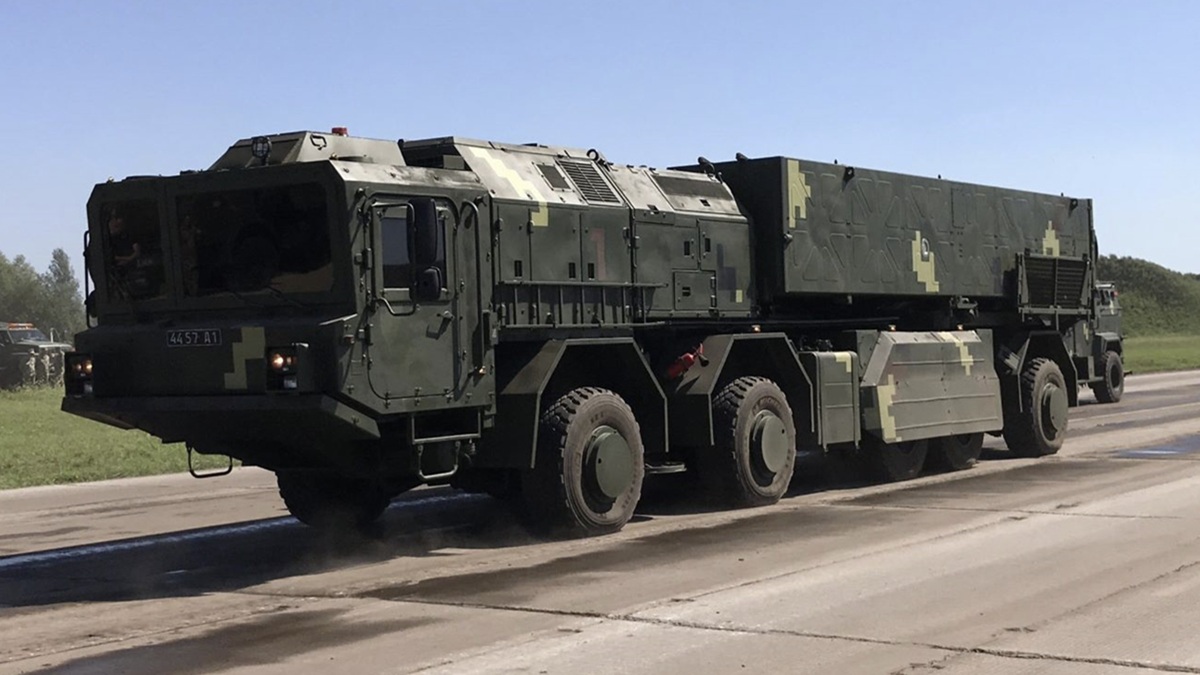
The 1KR1 Sapsan operational-tactical missile system has entered serial production and routine operational use.
- All information is based on open sources.
Public discussion of the Sapsan program resumed in autumn 2022, when it became known that Ukraine’s Ministry of Defense had signed its first full-scale state contract for the procurement of this operational-tactical missile system. By 2025, the program transitioned from the testing and evaluation phase to serial production and planned, systematic deployment within the Armed Forces of Ukraine.
Read also: Weapons of Ukrainian victory: ATGM Stugna-P – Russian tanks are in trouble
TABLE OF CONTENTS:
Concept and Intended Role
The 1KR1 Sapsan operational-tactical missile system is one of the more significant yet least publicly documented projects developed by Ukraine’s defense industry. It was designed to address Ukraine’s long-standing requirement for a domestically produced long-range precision strike capability, reducing reliance on external suppliers and avoiding constraints associated with foreign political approval.
The 1KR1 Sapsan operational-tactical missile system represents more than the introduction of a new weapons platform. It reflects Ukraine’s re-established ability to independently design, manufacture, and operate complex ballistic missile systems as part of a full-cycle missile capability.
The conceptual framework behind Sapsan is centered on the idea of a high-precision operational strike. It occupies an intermediate position between tactical artillery systems and strategic strike assets. The system is not intended as a battlefield weapon in the conventional sense, nor as a tool of strategic deterrence, but rather as a means of systematically disrupting an adversary’s military logistics and supporting infrastructure.
The complex was designed to destroy key elements of the enemy’s military machine:
- command posts, headquarters, and control centers
- logistics hubs, ammunition, fuel, and equipment depots
- air defense and missile defense facilities
- military airfields and aviation bases
- critical infrastructure facilities deep in enemy territory, on which the conduct of hostilities depends.
The primary advantage of the Sapsan system lies in its ability to deliver precise, high-impact strikes without the use of manned aircraft. This allows strikes to be conducted without entering hostile air defense zones and without exposing flight crews to risk. Short preparation and reaction times make the system suitable for rapid response, with the potential to influence the operational situation within a limited time frame.
In this context, the 1KR1 Sapsan also performs a deterrent role alongside its direct combat function. Its presence compels an adversary to disperse forces, reinforce rear-area defenses, and account for the constant possibility of a strike. This creates sustained pressure on enemy resources, operational planning, and overall readiness.
Read also: Weapons of Ukraine’s Victory: Magic 2 Air-to-Air Missile
Development History: A Prolonged Path to Implementation
Initial concepts for a domestically developed operational-tactical missile system in Ukraine emerged in the 1990s, shortly after the country gained independence. Ukraine inherited one of Europe’s strongest missile and space engineering schools from the Soviet Union, concentrated primarily at the Yuzhnoye Design Bureau and within the industrial cluster in and around Dnipro.
At the same time, Ukraine did not receive any modern operational-tactical missile systems in ready-to-use form. Existing Soviet-era systems were either decommissioned as part of disarmament efforts or remained outside the country. This created a structural imbalance: a high level of technical expertise without a corresponding national system through which it could be applied in practice.
In the 2000s, the project that would later become known as Sapsan existed primarily as an engineering concept rather than a fully funded national weapons program. In 2006, three years after work on the Borysfen operational-tactical missile system had been discontinued, Ukraine’s National Security and Defense Council – following approval by then-President Viktor Yushchenko – adopted a decision to develop a next-generation, multifunctional operational-tactical missile system under the Sapsan designation.
Formally, the project was intended not only to address an existing technological gap, but also to serve a broader political and symbolic role. It was seen as a means of signaling the restoration of Ukraine’s missile development capabilities and contributing to the morale and psychological resilience of personnel within the Armed Forces.
Conceptually, Sapsan was envisioned as a universal system with multiple modes of employment, including ballistic, cruise missile, and even air-defense roles. While this approach appeared ambitious at the conceptual level, in practice such multifunctionality significantly increased design complexity, diluted limited resources, and inevitably extended development timelines. Chronic underfunding, the absence of a stable state procurement framework, and recurring political shifts effectively stalled the program for years. As a result, it became a prolonged defense project with no clearly defined path to completion.
In practical terms, the system’s lead developer, the KBPivdenne, reportedly spent more than 200 million hryvnias over seven years of work. However, as had previously been the case with the Borysfen program, these efforts did not result in a system reaching serial production.
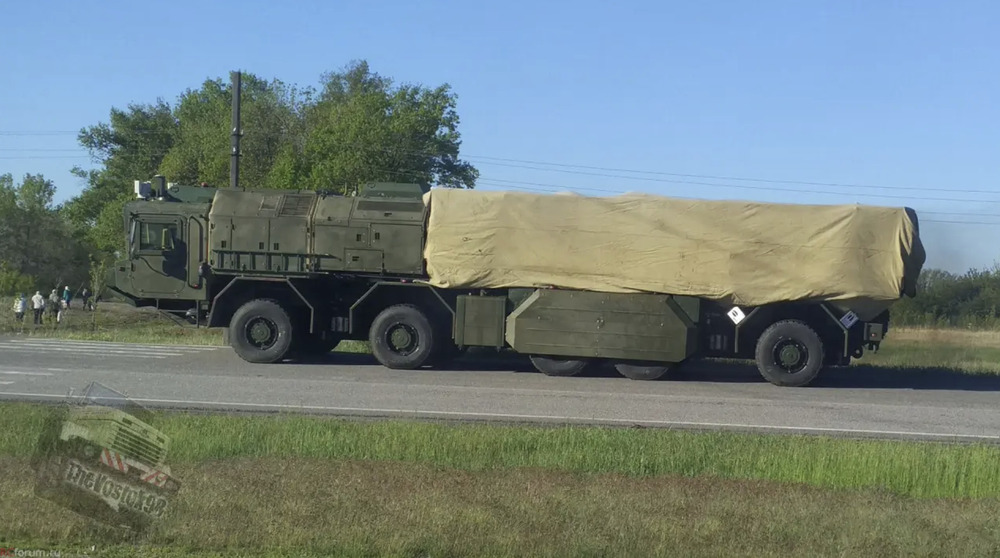
The design bureau was subsequently accused of inefficient use of budgetary funds. However, it later emerged that, for at least two years prior, Pivdenne’s engineers had been working in parallel on a new operational-tactical missile system known as Grim, making extensive use of technical solutions and experience gained during the Sapsan program. In effect, Sapsan had begun to evolve into a different project before it was officially declared non-viable.
It is therefore possible that a portion of the funding allocated to Sapsan was redirected to this follow-on work, once it became clear that the original concept had reached its practical limits.
After 2014, against the backdrop of the war with Russia, the issue of domestically produced missile weapons returned to the policy agenda. Even under these conditions, however, the Sapsan operational-tactical missile system remained more a prospective concept than a definitive defense priority. The state focused primarily on immediate frontline requirements, while long-term missile programs continued to stagnate due to limited funding, a lack of institutional continuity, and insufficient political commitment.
At the same time, in 2015, KBPivdenne Director General Oleksandr Dehtiarov again proposed to Ukraine’s new government that funding be allocated to complete the Sapsan project, citing the technological groundwork that had already been preserved.
At the time, the developers stated that, in comparison with the Russian Iskander‑E missile system, the Ukrainian 1KR1 Sapsan was intended to be more compact and mobile. According to the declared specifications, the total weight of the system was expected to be around 21 tonnes, compared to approximately 42 tonnes for Iskander. The claimed circular error probable was up to 20 meters, versus around 30 meters for the Russian system.
The developers also emphasized a significantly lower projected cost for the Ukrainian complex, noting that the Russian system was estimated at roughly USD 300 million. The Sapsan system was originally expected to enter service with the Armed Forces of Ukraine as early as 2017. However, due to another shortfall in funding, the project once again remained at the development stage.
At the same time, reports circulated within the expert community suggesting that the KBPivdenne, in cooperation with the Pavlohrad Chemical Plant, Khartron, Tekon‑Electron, SATS, and the Kharkiv Morozov Machine Building Design Bureau, was in practice already working on a new operational‑tactical missile system.
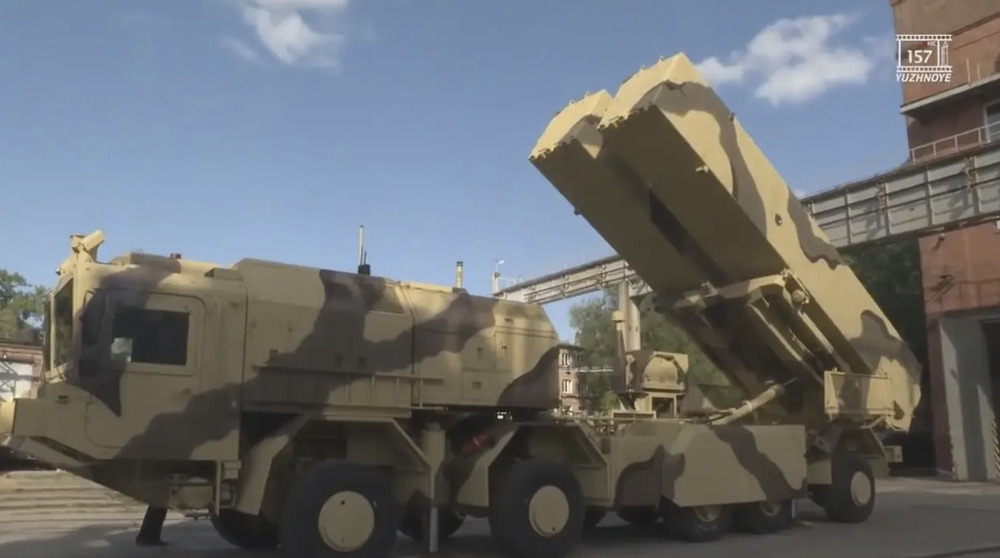
In 2018, the upgraded system, named Grim‑2, was publicly presented for the first time at the Arms and Security exhibition in Kyiv. At that point, many experts noted its clear technical and conceptual links to Sapsan, and specialized Ukrainian media began drawing direct comparisons between Grim‑2 and the Russian Iskander operational-tactical missile system.
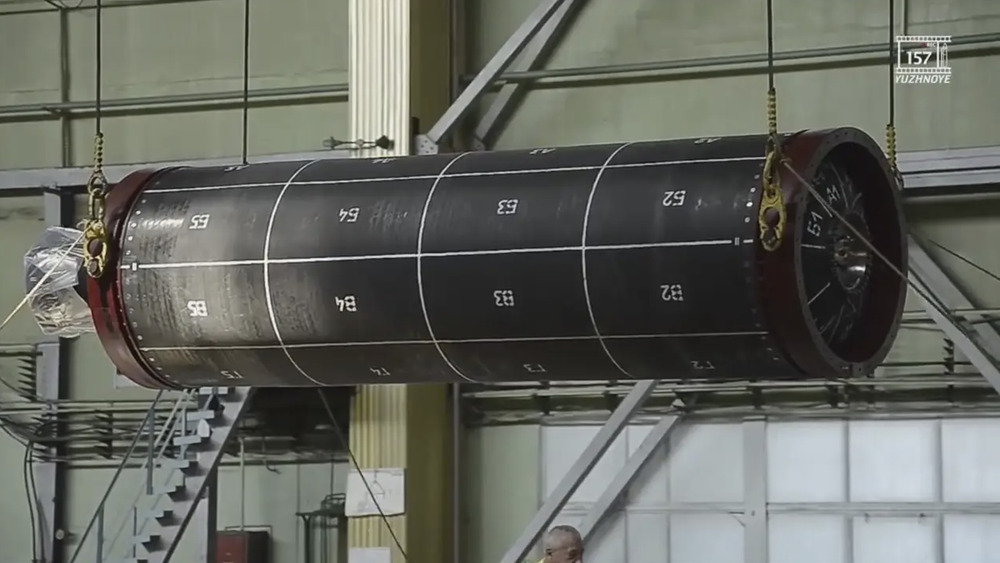
It was also emphasized that the Ukrainian system was expected to offer potentially higher performance. According to statements from the developers, missiles of the Grim complex were designed to penetrate layered air defense systems, including Russia’s S‑300 and S‑400 networks, by employing a quasi‑ballistic flight profile and maneuvering during the powered phase of flight.
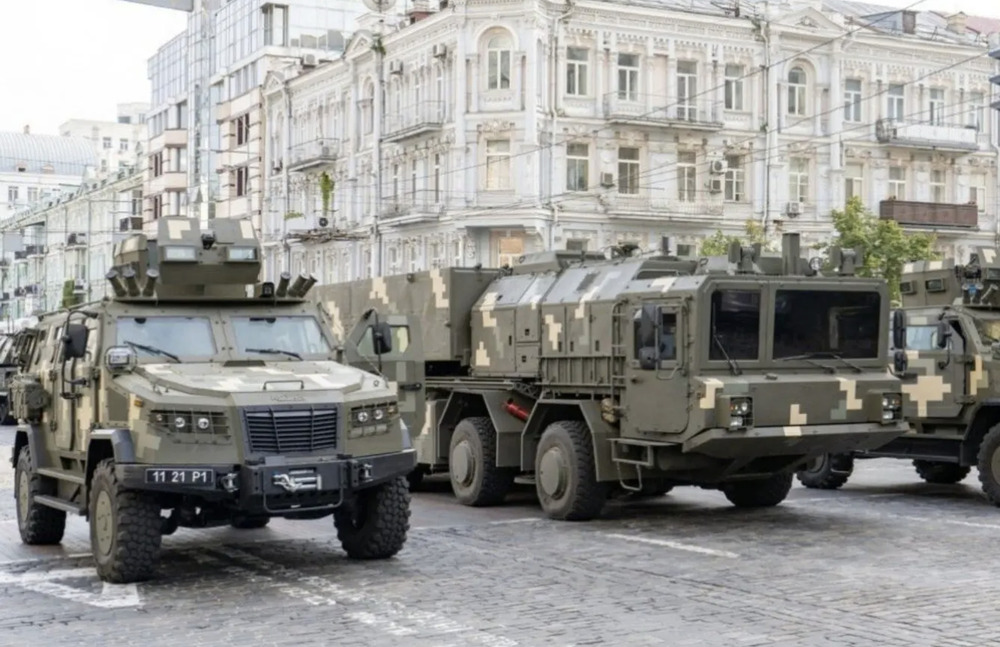
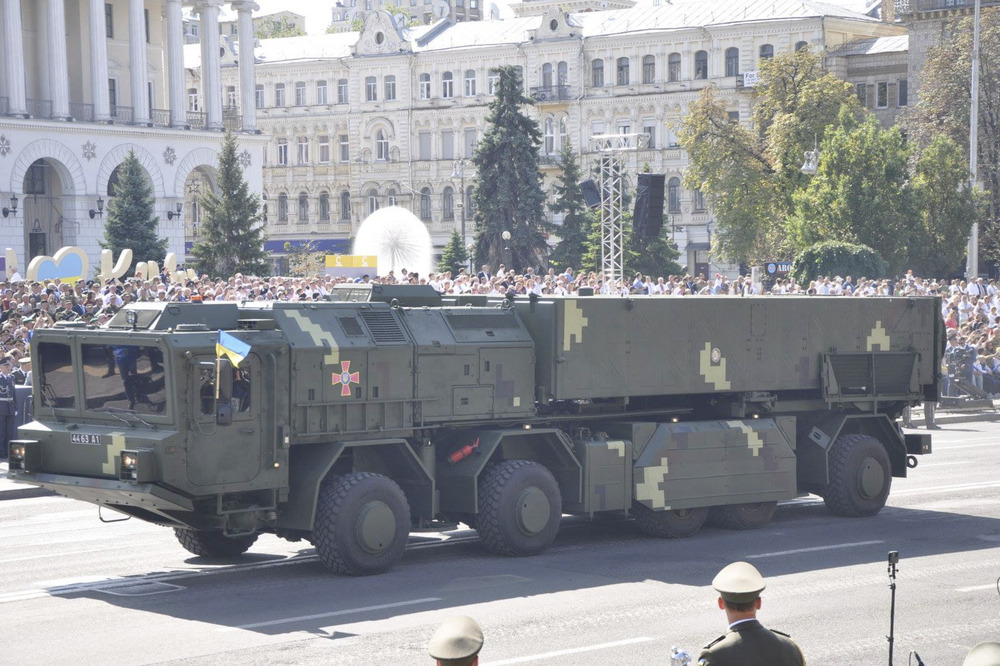
On 23 August 2018, as previously announced, a single self‑propelled launcher of the Grim‑2 operational‑tactical missile system took part in the parade on Khreshchatyk Street. It was not confirmed whether an actual missile was present inside the transport‑launch container at the time.
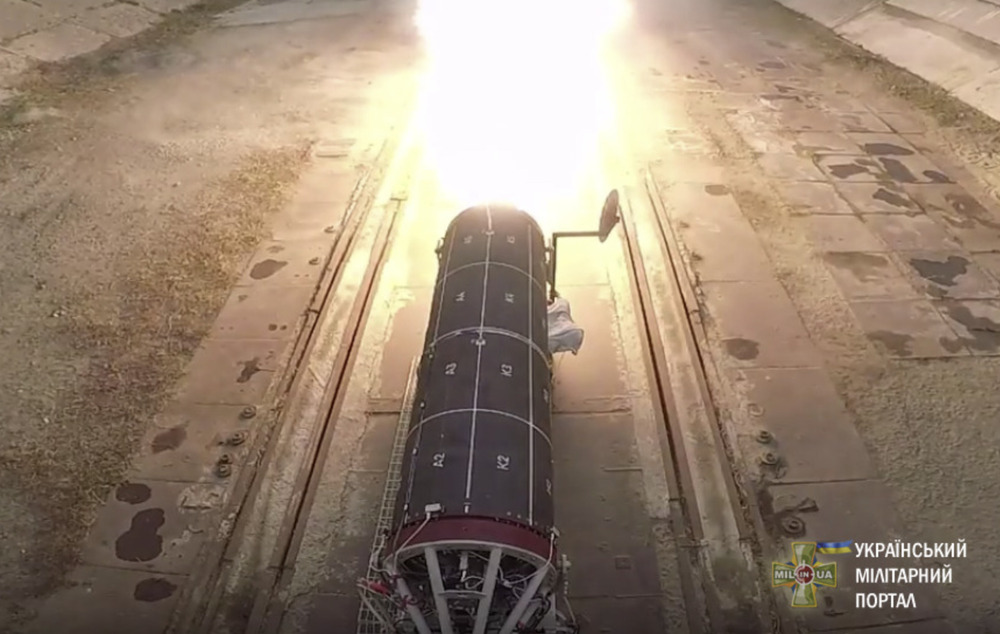
Subsequently, the KBPivdenne released video footage of tests of a solid‑fuel rocket motor intended for the prospective system and presented a full‑scale mock‑up of the self‑propelled launcher.
It is also worth noting reported cooperation with Saudi Arabia. Within open information sources, recurring reports have circulated regarding the potential export of the Grim‑2 operational‑tactical missile system to the country.
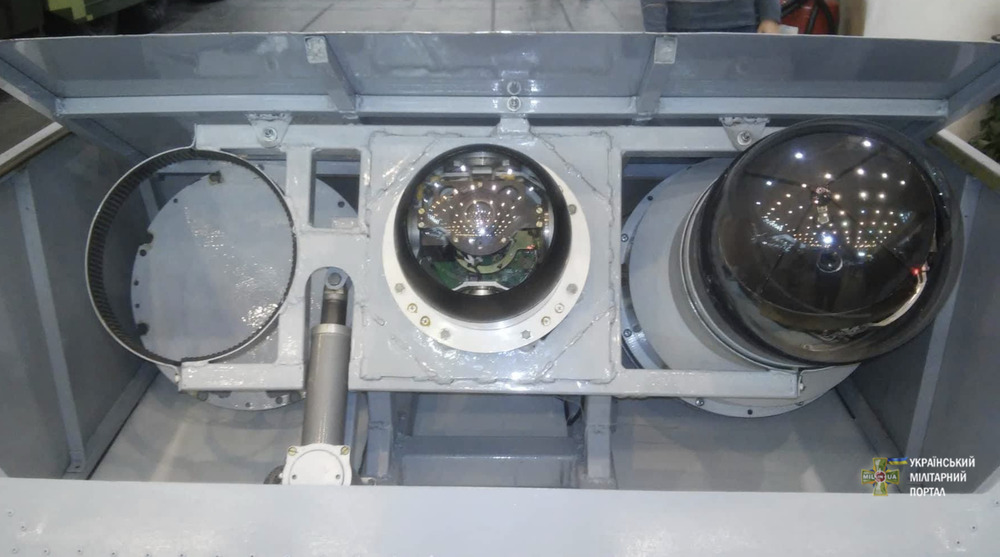
According to unofficial reports, at the end of August 2022, Saudi Arabia allegedly returned Grim‑2 ballistic missiles with a range of up to 500 km to Ukraine. It was reported that the missiles, previously deployed in Riyadh, were transferred to Kyiv following consultations between Saudi Arabia and the United States. However, this information has not been officially confirmed.
Russia’s full‑scale invasion in 2022 marked a decisive turning point. At that stage, any remaining assumptions about conducting a war without domestic missile capabilities were effectively dispelled. Ukraine found itself critically dependent on limited Western supplies and on the political decisions of its partners.
Under these conditions, in 2022 the Ministry of Defense of Ukraine signed a full state contract with the KBPivdenne. This agreement moved the 1KR1 Sapsan operational‑tactical missile system from the status of a long‑running prospective project into the framework of an actual serial weapons program.
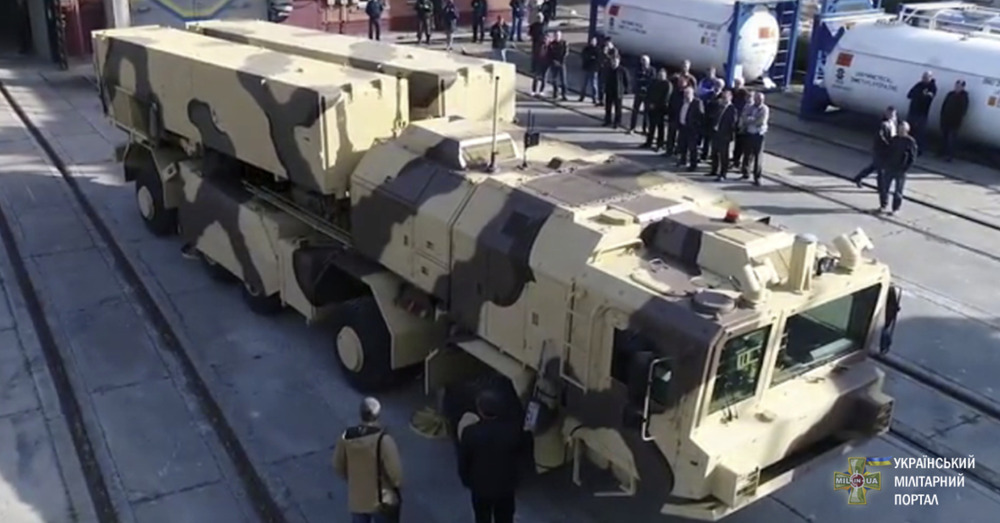
A key decision was the radical simplification of the concept. The original emphasis on versatility was abandoned in favor of a single, clearly defined mission: delivering high‑precision ballistic strikes against operationally significant targets. This approach reduced development timelines, lowered technical risk, and allowed resources to be focused on achieving operational readiness rather than expanding functionality.
In 2023, the 1KR1 Sapsan operational‑tactical missile system completed a full cycle of testing, confirming the viability of the selected architecture. In 2024, the system reportedly underwent trial combat use, a critical stage that tested not only the missile itself but the entire operational framework, including command and control, targeting, logistics, and crew preparation. The results were said to validate the projected accuracy, reliability, and practical effectiveness of the system.
The year 2025 marked the transition from experimentation to routine practice. The 1KR1 Sapsan operational‑tactical missile system entered serial production and began systematic integration into the structure of the Armed Forces of Ukraine. As a result, a program that for more than two decades had oscillated between ambition, prolonged pauses, and political compromise acquired a tangible and sustained military role for the first time.
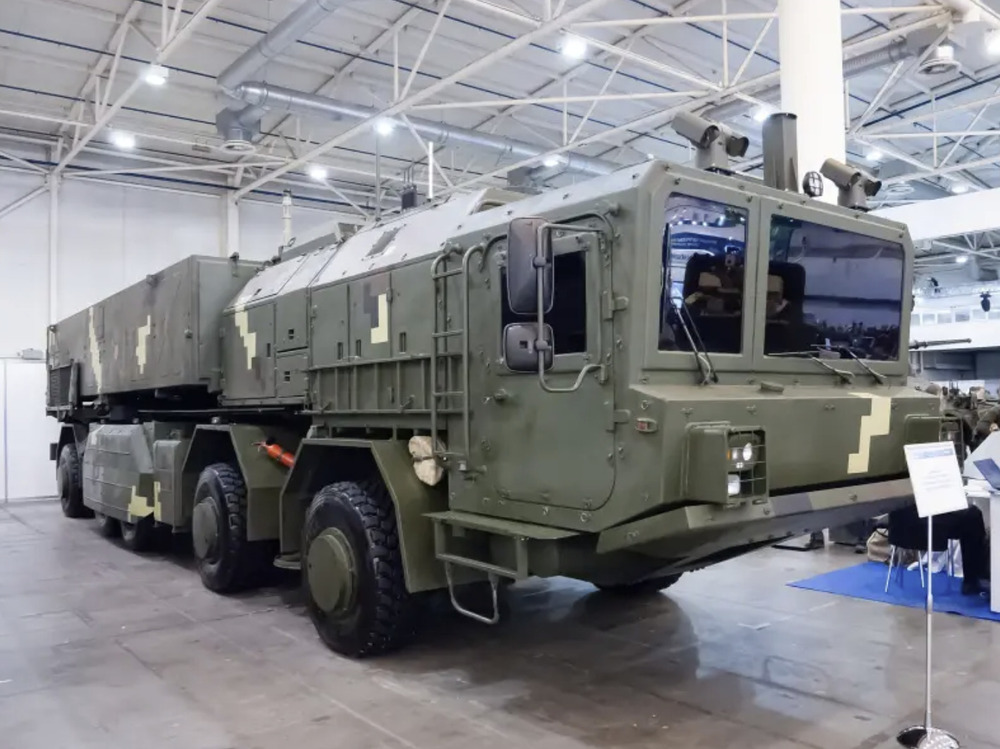
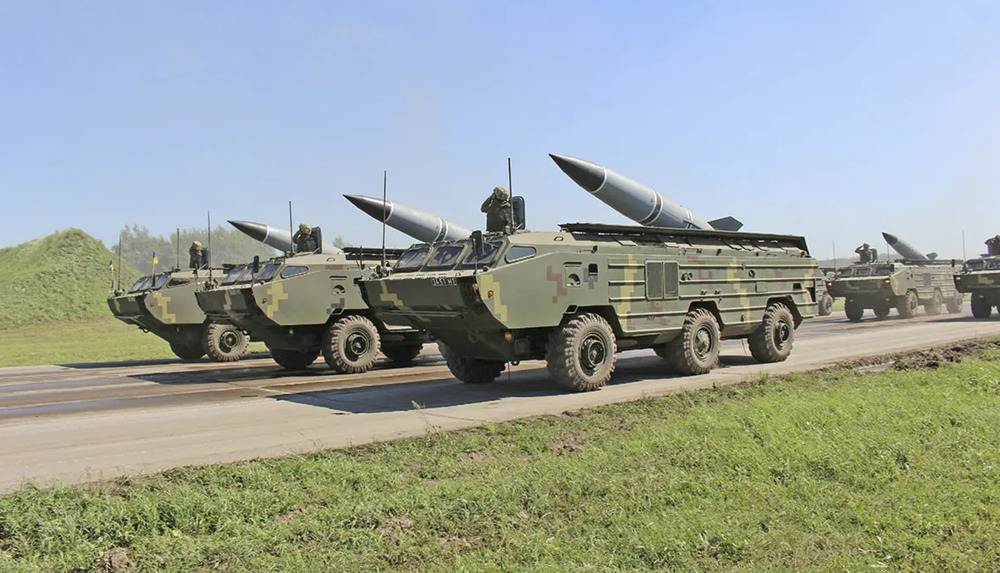
The history of the 1KR1 Sapsan operational‑tactical missile system is not a linear success story, but rather a prolonged record of lost time, strategic missteps, and the gradual maturation of Ukraine’s defense‑industrial sector. The concept of a domestically developed system capable of replacing aging Soviet Tochka‑U missiles and providing an asymmetric response to Russia’s Iskander systems emerged as early as the 1990s, at a time when Ukraine possessed a strong engineering base but lacked both the resources and the political resolve to translate it into a fielded capability.
Only the pressures of war ultimately forced this idea to move beyond the conceptual stage and become a practical military instrument.
Read also: Weapons of Ukraine’s Victory: Sting UAV Interceptor
Architecture and System Composition
Although much of the technical information related to the 1KR1 Sapsan remains classified, the system’s overall architecture aligns with contemporary concepts of operational‑tactical missile systems. It is described as a mobile, autonomous, and network‑integrated complex designed to operate in an environment saturated with enemy reconnaissance and strike capabilities. A central design principle is survivability, achieved through high mobility, reduced time spent in firing positions, and minimal reliance on fixed infrastructure.
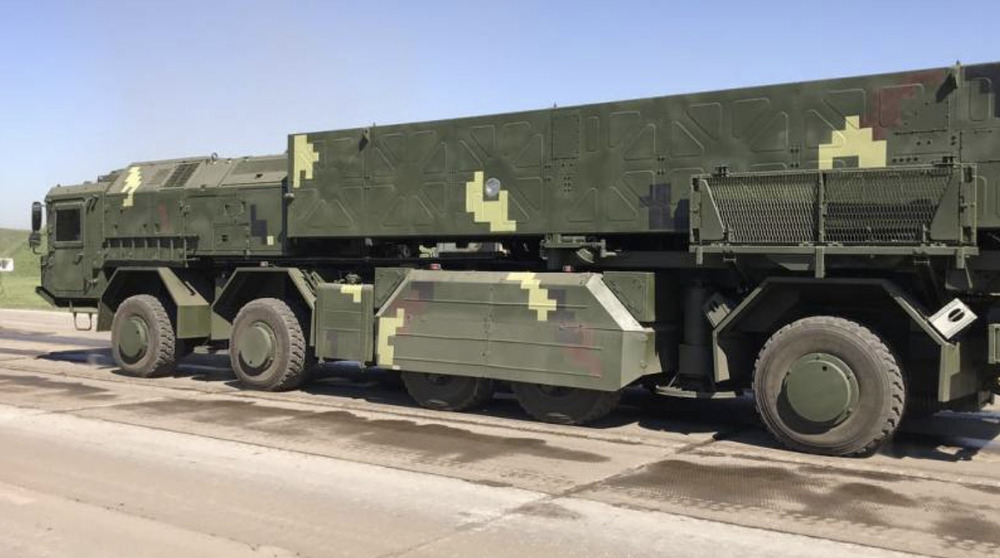
Sapsan is built around a modular architecture typical of modern operational‑tactical missile systems. This approach allows for flexible formation of combat units, scalable employment, and adaptation to different operational scenarios. All components are capable of operating autonomously within a unified command‑and‑control framework, receiving targeting data both from organic reconnaissance assets and from external sources.
The basic configuration of the system includes:
A self‑propelled launcher mounted on a high‑mobility wheeled chassis, designed for transporting, preparing, and launching a ballistic missile. The wheeled platform provides high strategic and operational mobility, enables rapid maneuver over long distances, and allows operation on public road networks without the need for specialized preparation.
A combat control vehicle, equipped with secure communications, automated data‑processing systems, and decision‑support tools. This vehicle is responsible for receiving targeting data, calculating flight missions, transmitting launch commands to the launchers, and integrating the system into the broader command‑and‑control structure.
Auxiliary support and maintenance vehicles, which handle the transport of spare components, routine maintenance procedures, equipment diagnostics, and sustainment of the system’s readiness for field operations.
Particular attention during development was given to reducing the length of the combat cycle. Launch preparation time has been minimized, and key procedures are highly automated, which lowers crew workload and reduces the risk of human error. After launch, the launcher and command elements rapidly vacate the firing position, applying a shoot‑and‑scoot concept to limit vulnerability to counter‑strikes.
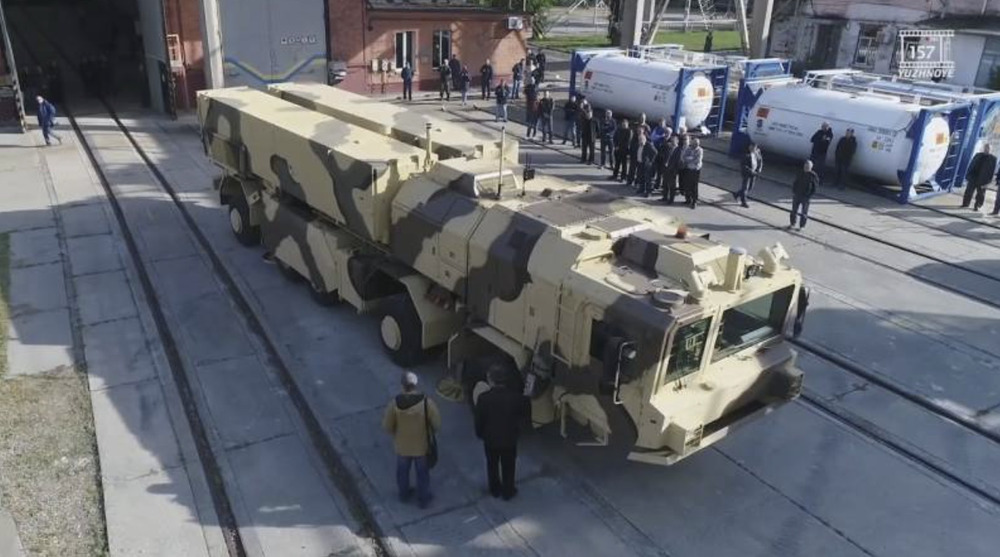
This approach significantly complicates detection by an adversary’s electronic, aerial, and space‑based reconnaissance assets and reduces the likelihood of successful precision counter‑strikes. Combined with dispersed deployment and the ability to rapidly change positions, these features make Sapsan a difficult target even for opponents equipped with advanced counter‑battery systems and long‑range strike capabilities.
Read also: Weapons of Ukraine’s Victory: The Heavy Cruise Missile “Flamingo”
Missile and Flight Characteristics
The 1KR1 Sapsan operational‑tactical missile system employs a single‑stage, solid‑fuel ballistic missile with a vertical launch profile. This configuration is standard for modern operational‑tactical systems and combines high readiness, technical reliability, and comparatively straightforward field operation. The use of solid propellant eliminates the need for liquid fuel components, reducing pre‑launch preparation time and lowering maintenance demands in combat environments.
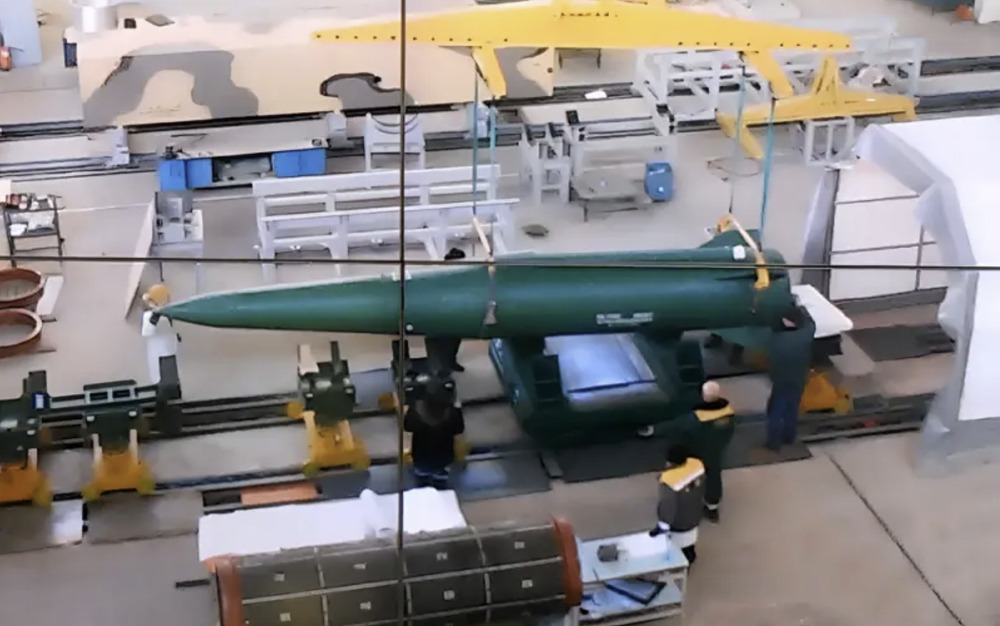
The missile is stored and transported in a sealed transport‑launch container, which protects it from environmental effects and allows it to be kept in a state of full readiness for extended periods. Vertical launch enables greater flexibility in selecting firing positions and does not require the launcher to be oriented toward the target, further reducing the overall engagement cycle time.
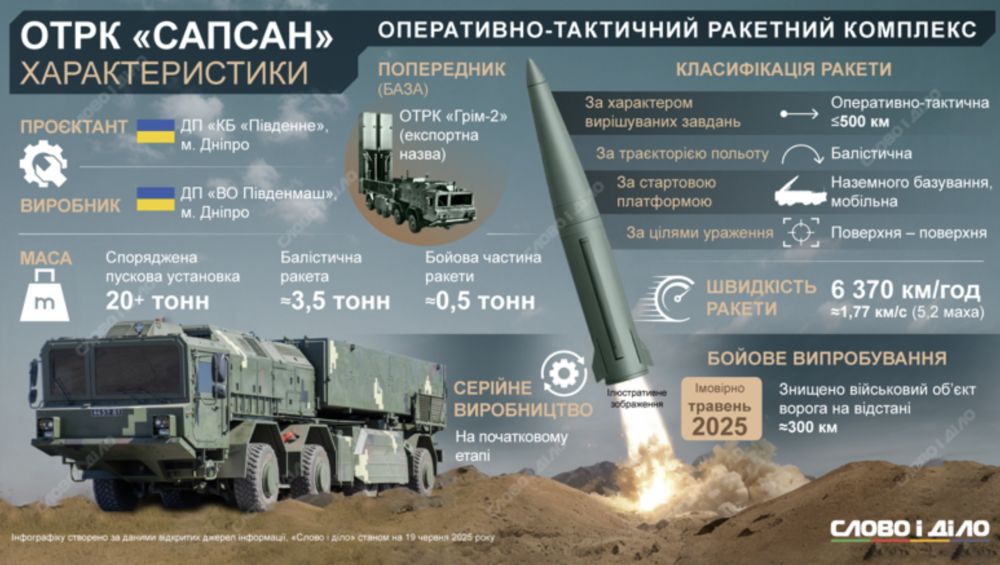
Based on estimates available in open sources, the missile’s main flight and performance characteristics are reported to fall within the following ranges:
Engagement range: up to approximately 500 km, consistent with the upper limits for operational‑tactical missile systems of this class and sufficient to strike targets deep within an adversary’s operational rear.
Launch mass: roughly 3–3.5 tonnes, indicating a balance between system mobility and the missile’s energy performance.
- Warhead mass: up to 500 kg, enabling engagement of a broad set of targets, including hardened command posts, ammunition depots, infrastructure facilities, and troop concentrations.
Maximum flight speed: in the range of Mach 6–7, significantly reducing time to target and constraining an adversary’s ability to respond.
The missile follows a quasi‑ballistic trajectory with active maneuvering during selected phases of flight. Combined with its high speed, this significantly complicates interception by modern air and missile defense systems, particularly those optimized for targets with predictable ballistic paths. Maneuvering and a variable flight profile reduce the effectiveness of target‑tracking algorithms and increase the load on an adversary’s missile defense assets.
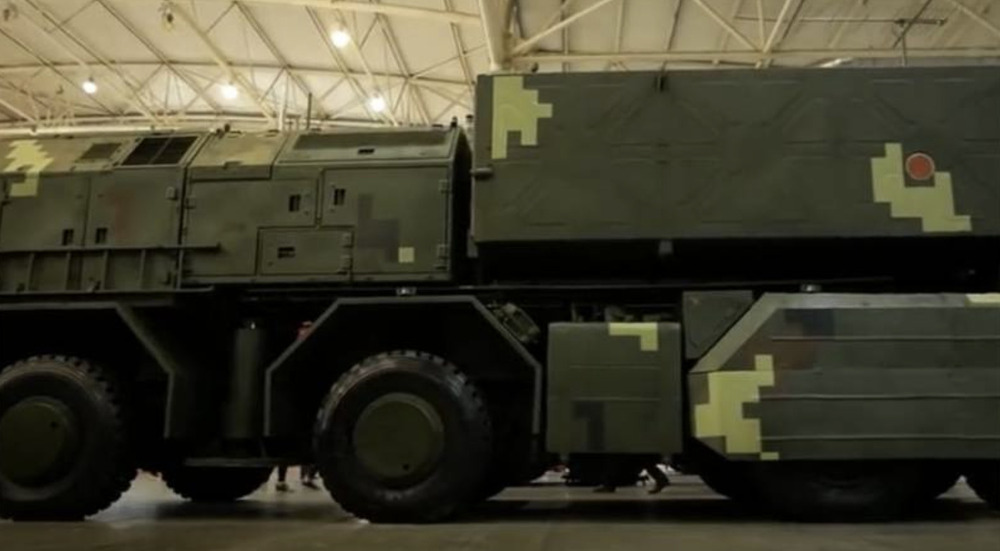
Accuracy is another key factor. Based on open assessments, the circular error probable of the Sapsan missile is estimated to be within several tens of meters. When combined with a high‑yield warhead, this level of precision makes the system suitable not only for area targets but also for precision strikes against critical assets.
Taken together, these characteristics define a balanced operational‑level capability. The system does not rely on unconventional or experimental solutions, but instead focuses on penetrating air and missile defenses and ensuring reliable target engagement at depth. This pragmatic design approach positions Sapsan as a functional, rather than declarative, element of Ukraine’s contemporary missile doctrine.
Read also: Weapons of Ukraine’s Victory: Modern Long-Range ERAM Missiles
Guidance system and accuracy
The guidance architecture of the 1KR1 Sapsan missile system is centered on an inertial navigation system (INS), which обеспечивает a high degree of missile autonomy and allows effective operation in environments characterized by modern electronic warfare. The INS maintains flight stability and guidance accuracy throughout all phases of the trajectory, from launch to target impact. Because it does not rely on external signals, the system remains functional under intense electronic interference. This reduces vulnerability to countermeasures aimed at disrupting navigation and complicates interception by missile defense systems that employ electronic means to degrade guidance performance.
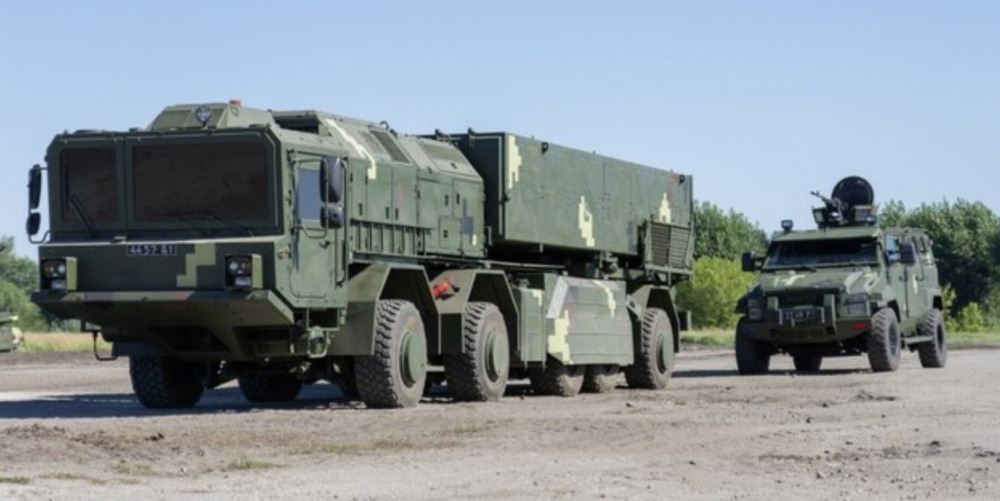
To improve accuracy and reduce accumulated error across all phases of flight, the Sapsan missile is reported to incorporate satellite‑based correction using global navigation satellite systems (GNSS). This augmentation is intended to maintain higher accuracy in conditions where purely inertial navigation may degrade, such as at extended ranges or when executing maneuvering profiles designed to bypass enemy air defenses.
Open sources cite a claimed circular error probable (CEP) of around 10 meters or less, placing the system within the performance range of contemporary operational‑tactical missile complexes. At this level of accuracy, Sapsan is assessed as capable of engaging high‑value targets – such as hardened command posts, ammunition depots, and radar installations – with a limited number of launches. Claims regarding engagement of individual mobile targets should be treated cautiously, as effectiveness against such targets depends on targeting quality, timeliness of data, and operational conditions.
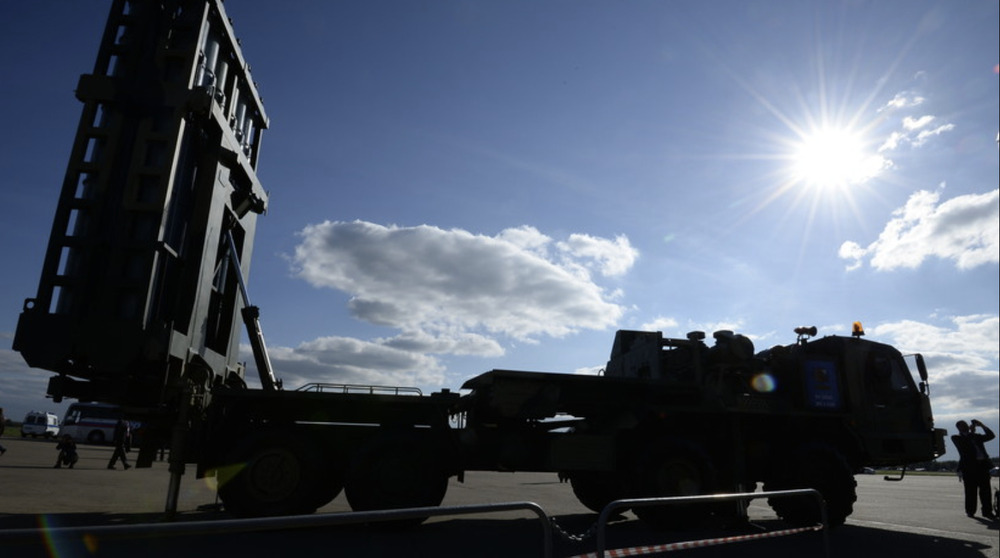
The design and guidance principles of Sapsan leave room for further development, making the system adaptable to future technological advances. One potential direction discussed in open analyses is the integration of electro‑optical terminal seekers, which could further improve accuracy by combining inertial guidance with onboard sensing during the final phase of flight. Such an approach would expand operational flexibility in environments with dense air defense coverage or in situations where satellite navigation signals are degraded or disrupted. While there is no public confirmation of this capability being fielded, the underlying architecture appears compatible with such upgrades.
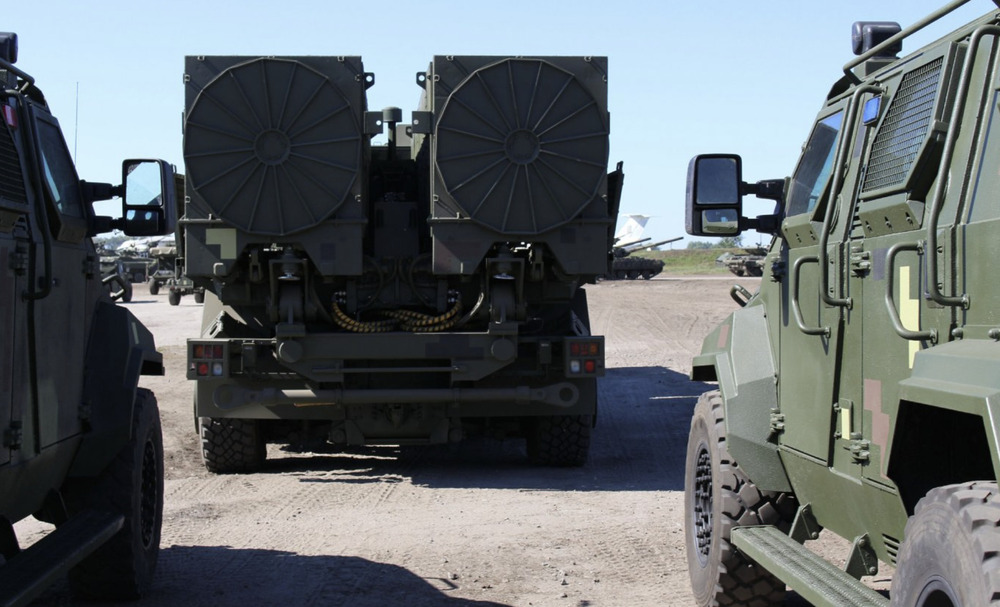
Another potential area of development is the introduction of radar‑based correction systems. Such solutions could improve accuracy during phases of active maneuvering and, in theory, enable engagement of mobile targets, including missile launchers or armored vehicles in transit.
Overall, the guidance system of Sapsan already corresponds to the upper performance tier of contemporary operational‑tactical missile systems. Its projected development paths suggest the integration of advanced technologies aimed at increasing effectiveness and adaptability to evolving combat environments, rather than a fundamental redesign of the system’s core architecture.
Read also: Weapons of Ukrainian Victory: Review of the Patriot air defense system
Combat Employment and Battlefield Role
The 1KR1 Sapsan is not intended for mass or routine use. It is a selective‑use system designed for precision, carefully planned strikes against targets of the highest operational and strategic value. Its effectiveness is measured less by launch frequency than by the impact achieved per engagement. In many cases, a single Sapsan launch can substitute for a complex air operation involving elevated risk, or for multiple strikes using other types of strike assets.
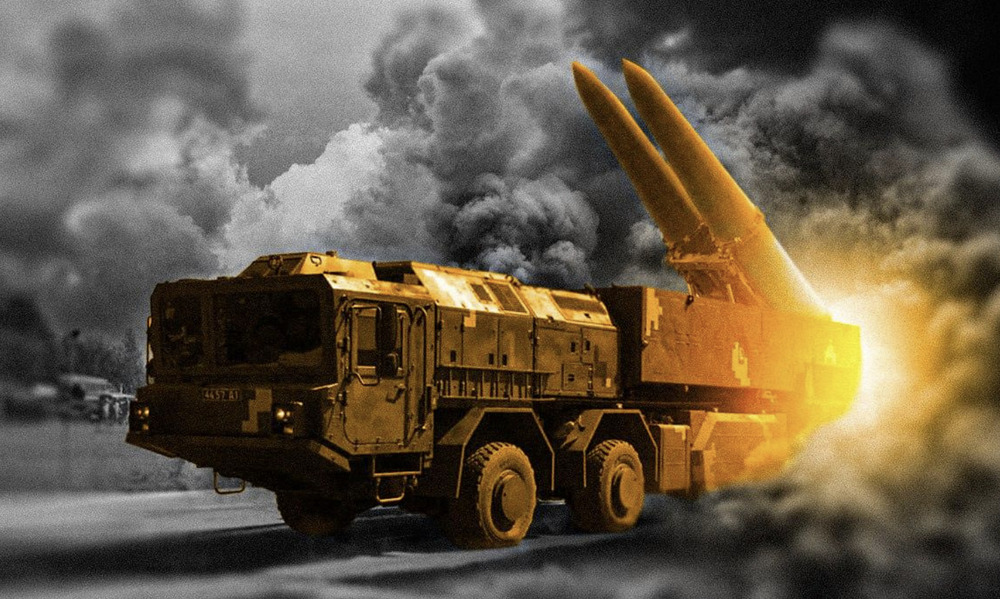
The system’s primary targets include command posts, headquarters and control nodes, ammunition and fuel depots, logistics hubs, elements of air and missile defense networks, and other critical infrastructure located in an adversary’s operational rear. Striking such targets is intended not merely to inflict localized damage, but to disrupt command, sustainment, and the overall operational tempo of opposing forces.
Employment of Sapsan is closely integrated with the intelligence cycle. The system operates as part of a unified framework that incorporates data from space‑based, aerial, and signals intelligence sources, as well as assessments produced at higher command levels. This integration reduces the time between target detection and engagement and lowers the risk of ineffective or misdirected launches. In practical terms, Sapsan functions as the terminal element of a “find–decide–strike” chain.
The missile’s high speed and accuracy make the system particularly effective in scenarios where the use of manned aviation is constrained by dense enemy air defenses or by political and operational considerations. Unlike air‑delivered strike assets, Sapsan does not require air superiority, is largely insensitive to weather conditions, and provides the adversary with minimal time to react.
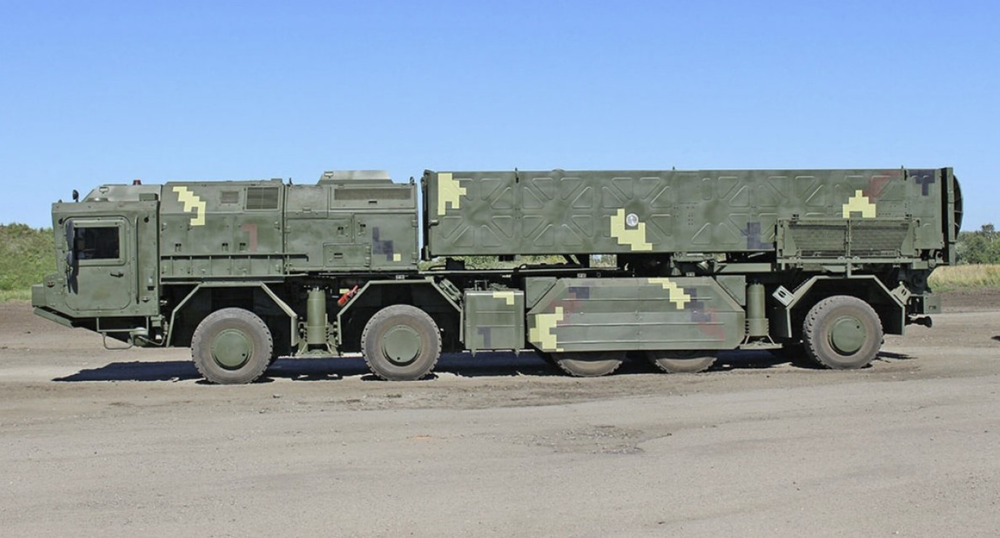
The psychological dimension is also significant. The presence of a domestically produced operational‑tactical missile system alters perceptions of security in an adversary’s rear areas. No facility within Sapsan’s engagement range can be considered inherently safe, forcing the opposing side to disperse assets, reinforce protection measures, and allocate substantial resources to passive defense.
In a broader context, the 1KR1 Sapsan serves as an asymmetric deterrence instrument. It is not intended to compete with an adversary’s missile forces in terms of quantity, but it is capable of inflicting disproportionate damage through limited and selective use. Its value lies not in scale, but in precision, timing, and operational impact.
In this sense, Sapsan represents more than another weapons system. It reflects a shift toward a model of warfare in which outcomes are shaped less by volume of fire and more by the ability to strike critical vulnerabilities quickly and accurately.
Read also: Weapons of Ukrainian Victory: The SAMP/T Anti-Aircraft Missile Complex
Comparison with Foreign Counterparts
By classification, the 1KR1 Sapsan operational‑tactical missile system belongs to the same category as systems such as Russia’s Iskander‑M and the U.S. ATACMS. However, direct comparison based solely on individual performance figures does not fully capture its actual positioning. Sapsan was developed within a different conceptual framework – one shaped by the experience of contemporary warfare and without reliance on legacy Soviet approaches centered on large‑scale missile employment.
Russia’s Iskander‑M represents a continuation of the Soviet operational‑tactical missile tradition, which emphasizes air‑defense penetration through salvo launches, the use of decoys, and a wide range of warhead options. The system is relatively heavy, logistically demanding, and designed for employment within large, hierarchically structured missile brigades. By contrast, Sapsan was conceived as a more compact and flexible capability, intended to operate in dispersed formations and to integrate rapidly into a broader, networked command‑and‑control environment.
The U.S. ATACMS is built around a modular concept tied to MLRS and HIMARS launch platforms. This provides a high degree of standardization and ease of integration, but also imposes constraints on missile type, warhead mass, and employment profiles. Sapsan, by contrast, is not bound to rocket artillery platforms and was designed from the outset as a dedicated ballistic missile system optimized for long‑range precision strikes.
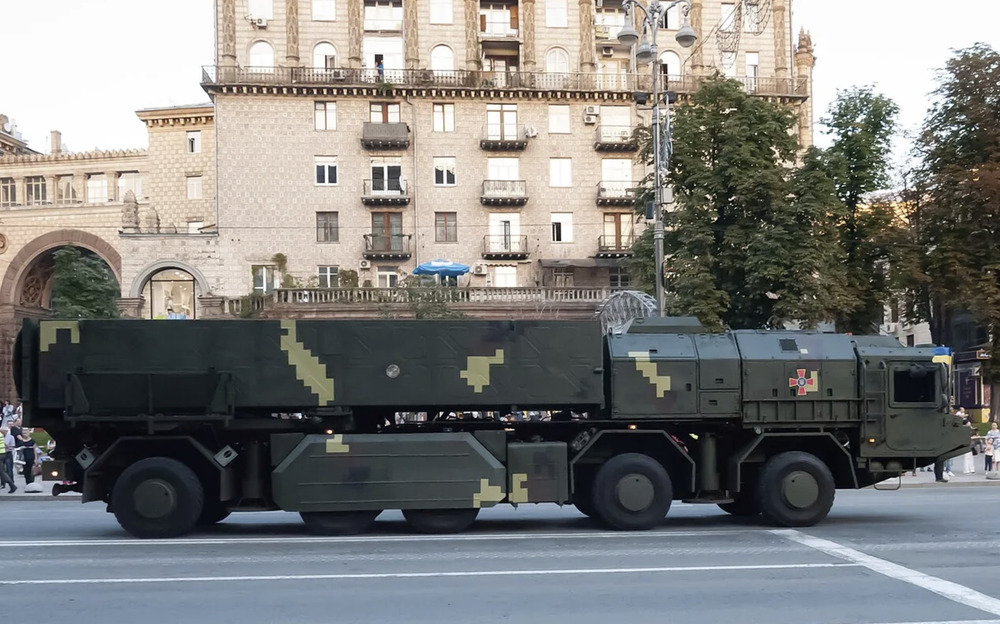
The key distinction of Sapsan lies in the fact that it was designed from the ground up for the conditions of modern warfare – characterized by dense reconnaissance coverage, layered air and missile defenses, extensive use of electronic warfare, and a persistent risk of counter‑strikes. As a result, its design emphasizes a shortened engagement cycle, the shoot‑and‑scoot principle, networked integration with intelligence assets, and a focus on selective precision strikes rather than massed fire.
In terms of operational role, Sapsan occupies an intermediate but distinct niche between heavier, Soviet‑style missile systems and modular Western solutions. It does not seek to outperform its counterparts in launch volume or versatility. Instead, it prioritizes accuracy, responsiveness, and a predictable outcome from each individual strike.
The 1KR1 Sapsan operational‑tactical missile system is neither a copy of existing platforms nor an attempt to match them in raw numerical specifications. Instead, it reflects the evolution of Ukraine’s missile doctrine – a shift from the concept of mass toward the concept of effect. It is precisely this doctrinal transition that defines Sapsan’s real value when compared to foreign counterparts.
Read also: Weapons of Ukrainian Victory: Aspide Anti-Aircraft Missile System
Strategic Significance for Ukraine
The emergence of the 1KR1 Sapsan carries multidimensional strategic importance for Ukraine. First, it restores a sovereign capability to conduct long‑range strikes, enabling the engagement of key enemy assets in the operational depth without the direct use of foreign‑supplied systems. Second, the complex reduces dependence on external decisions and political factors that influence the delivery and employment of comparable capabilities by partners. Third, Sapsan lays the foundation for indigenous missile forces as a systemic element of national defense strategy, rather than a merely declarative or experimental project.
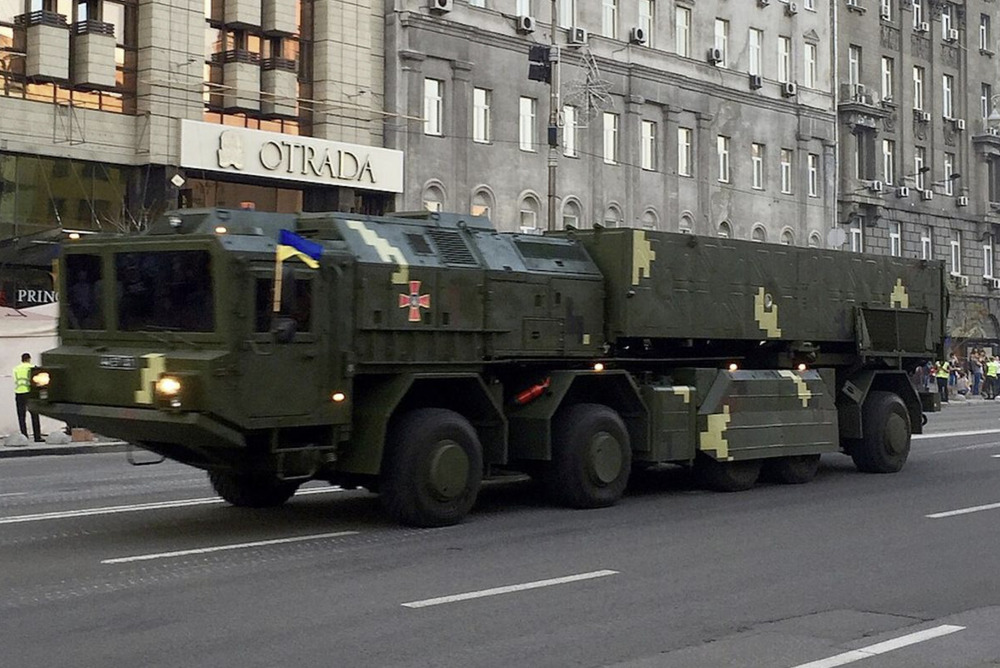
In a broader context, this is not merely a military project but a strategic marker. It serves as proof that Ukraine is capable of developing high‑technology, complex weapons systems even under the conditions of an active war. Sapsan demonstrates that the ability to independently develop critically important armaments is real rather than declarative.
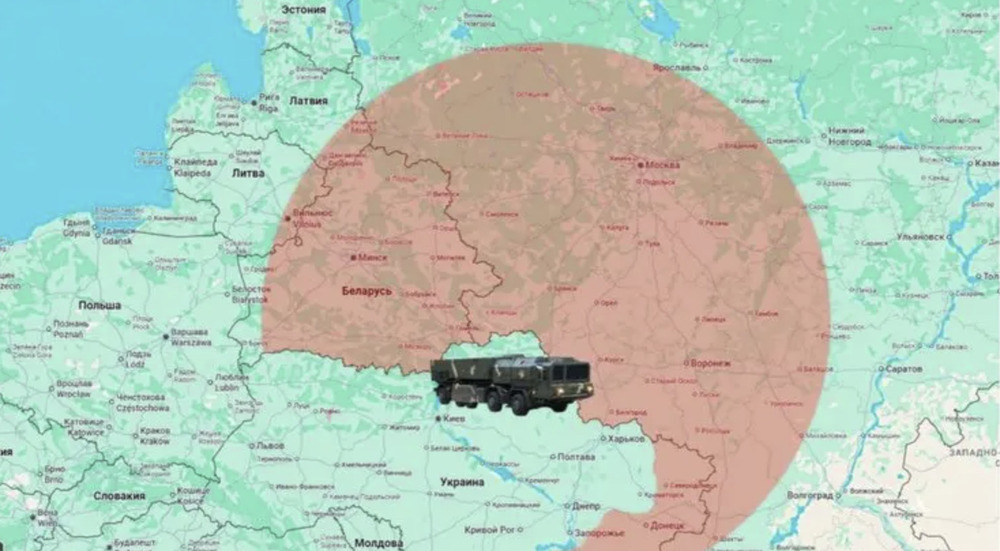
Photo: Russian Ministry of Defense
1KR1 Sapsan is more than a missile system. It is the culmination of decades of engineering heritage, a series of forced pauses, and a sharp technological leap driven by war. Its creation became possible through the combination of national engineering potential, adaptation to modern challenges, and the rapid introduction of innovations under real combat conditions.
At the same time, the 1KR1 Sapsan OTRK symbolizes a new stage in Ukrainian defense thinking – a stage in which indigenous missile weapons cease to be an exception and become a systemic, fully integrated instrument of national security, capable of influencing both operational and strategic planning. The presence of such a system increases the flexibility and effectiveness of military response, forces a potential aggressor to take Ukrainian capabilities into account in long-term planning, and lays the foundation for future technological and tactical developments.
Read also:
- Weapons of Ukrainian Victory: Iris-T SLM for Ukraine from Germany
- Weapons of Ukraine’s Victory: Terrahawk Paladin Anti-Aircraft Artillery System

 has entered serial production and “system application.”)