





© ROOT-NATION.com - Use of content is permitted with a backlink.
Cybersecurity researchers from the University of Florida and Japan’s University of Electro-Communications have uncovered a new vulnerability: modern digital microphones in laptops and speakers can unintentionally emit audio signals as electromagnetic waves. This opens the door to covert wireless eavesdropping systems that require no malware, no device compromise, and no physical access.
As a result, billions of devices worldwide may be at risk, potentially exposing private conversations to corporate espionage or state surveillance.
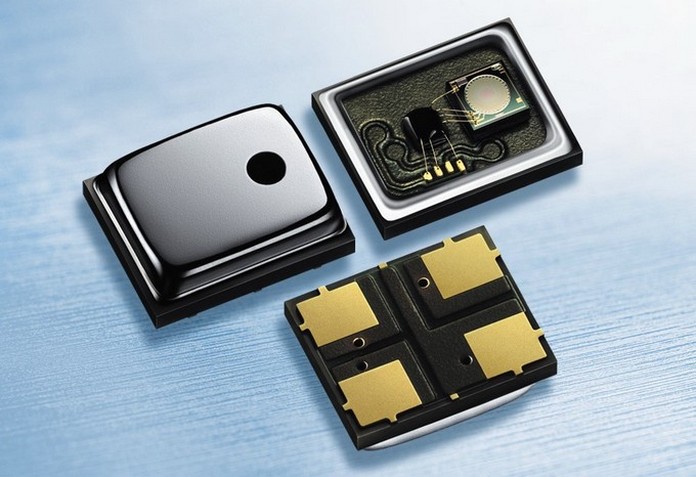
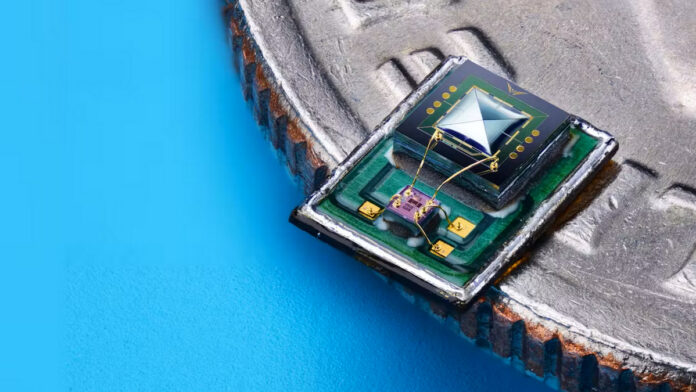
Virtually every laptop or speaker today uses MEMS microphones – tiny, sensitive components that convert sound into digital signals. But even after this conversion, the signals still carry subtle traces of the original speech. These signals emit faint electromagnetic fields that can be intercepted from a distance. “A standard FM receiver and a basic copper antenna are enough to pick them up. It’s that simple,” says Sara Rampazzi, a professor at the University of Florida and one of the study’s co-authors. “The equipment needed for this kind of attack can cost around $100 – or even less.”
The research team demonstrated the threat in a live test. A distorted female voice – reciting phrases like “The birch canoe slid on the smooth planks” and “Paste the sheet to the dark blue background” – was picked up by an FM radio. The signal transmission worked even through 25-centimeter-thick concrete walls. Laptops proved especially vulnerable. Their internal wiring – particularly the long cables connecting microphones – acts like an antenna, amplifying the unintentional signal.
One of the more concerning findings: the microphone can leak signals even when it’s not actively in use. Simply having applications like Spotify, Amazon Music, or Google Drive open can be enough to generate detectable radio emissions. The researchers took things a step further by feeding the intercepted signals into speech-to-text AI services from OpenAI and Microsoft. Using large language models (LLMs), they were able to clean up the noisy recordings and convert them into readable text.
In testing, the system could accurately recognize spoken numbers with 94.2% accuracy from a distance of up to two meters – even through a concrete wall. The overall transcription error rate was just 14%, meaning the general meaning of conversations remained intact.

The researchers proposed several ways to reduce the risk of signal leakage. These include repositioning microphones away from long internal wiring and adjusting how audio signals are processed. A more robust solution would involve randomizing the timing of digital pulses and adding electromagnetic “white noise” to make speech reconstruction significantly more difficult for third parties. For now, users are left with little more than caution. Millions of devices quietly emit signals every day, often without notice. It seems increasingly likely that the era of trusting our private conversations to remain private is coming to an end.

The experiment confirmed that this issue goes beyond personal privacy. If office laptops or smart home devices can emit fragments of conversation through walls, then sensitive business or government discussions could potentially be exposed to outsiders.
Researchers have disclosed their findings to device manufacturers. While some companies showed interest, at least one dismissed the concern, citing compliance with industry standards and regulations. It remains unclear whether this reflects confidence in their product’s security – or an unwillingness to acknowledge the severity of the threat.
Read also:
- A gaming laptop is not just for gaming – we show you what you should consider when making a purchase
- How to Prevent Your Laptop from Overheating