






© ROOT-NATION.com - Use of content is permitted with a backlink.
Apple has developed a clear development strategy for its Mac Studio desktop computer series for the next few years, according to Bloomberg analyst Mark Gurman. The upcoming refresh of the devices will focus primarily on the introduction of the company’s latest custom silicon, but subsequent models will feature more extensive internal improvements designed to handle significantly more complex artificial intelligence-related tasks.
According to Gurman, Apple is continuing to work on the release of the Mac Studio desktop, which will be powered by the cutting-edge M5 Ultra processor, and this launch is expected to take place toward the end of 2026. This upcoming model will be a standard hardware update without any radical changes to the device’s exterior design.
Read also: AERONAUT – everything that flies above the ground: aviation, UAVs and drones, rockets, and space
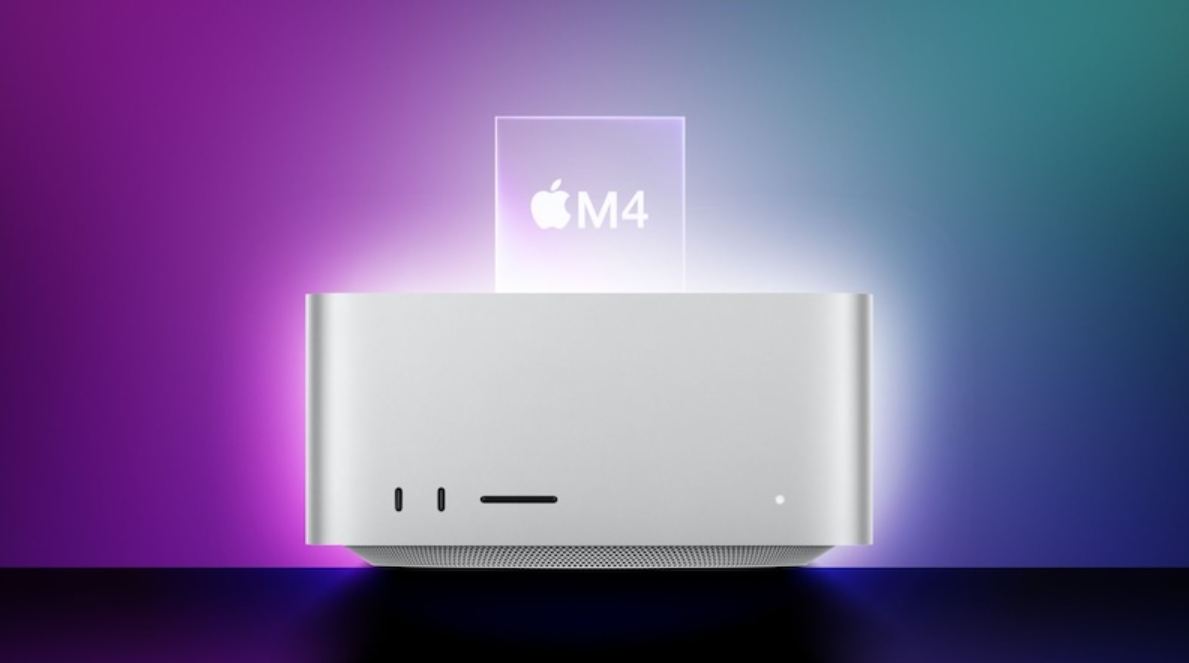
The manufacturer will most likely retain the case already familiar to users, while delivering a significant performance boost through the integration of a new computing chip. This move seems entirely logical for the current Mac Studio lineup, where developers combined the M4 Max processor with the earlier M3 Ultra chip, meaning the computer’s most powerful configuration has long been due for a scheduled upgrade.
It is quite telling that the reviewer’s latest report mentions only the model featuring the top-of-the-line M5 Ultra platform, while there is not a single word about the existence or release prospects of the M5 Max version. Although this omission does not necessarily mean that Apple has definitively abandoned plans to release such a model, there is currently no up-to-date information regarding its release date or a potential simultaneous launch alongside the flagship Ultra model.

Looking further ahead, Gurman claims that Apple is already developing the next generation of the Mac Studio, scheduled for release in 2028, and that this computer will be powered by the M7 Ultra processor. Previous insider reports have suggested that Apple may well skip the M6 chipset family entirely in the Pro, Max, and Ultra variants entirely in order to reserve significantly more advanced silicon solutions focused on AI computing specifically for the M7 generation.
The disclosed information also points to upcoming changes to the device’s internal architecture, notably a redesigned heat exchanger capable of significantly improving heat dissipation efficiency during demanding professional tasks and local AI processing directly on the computer itself.
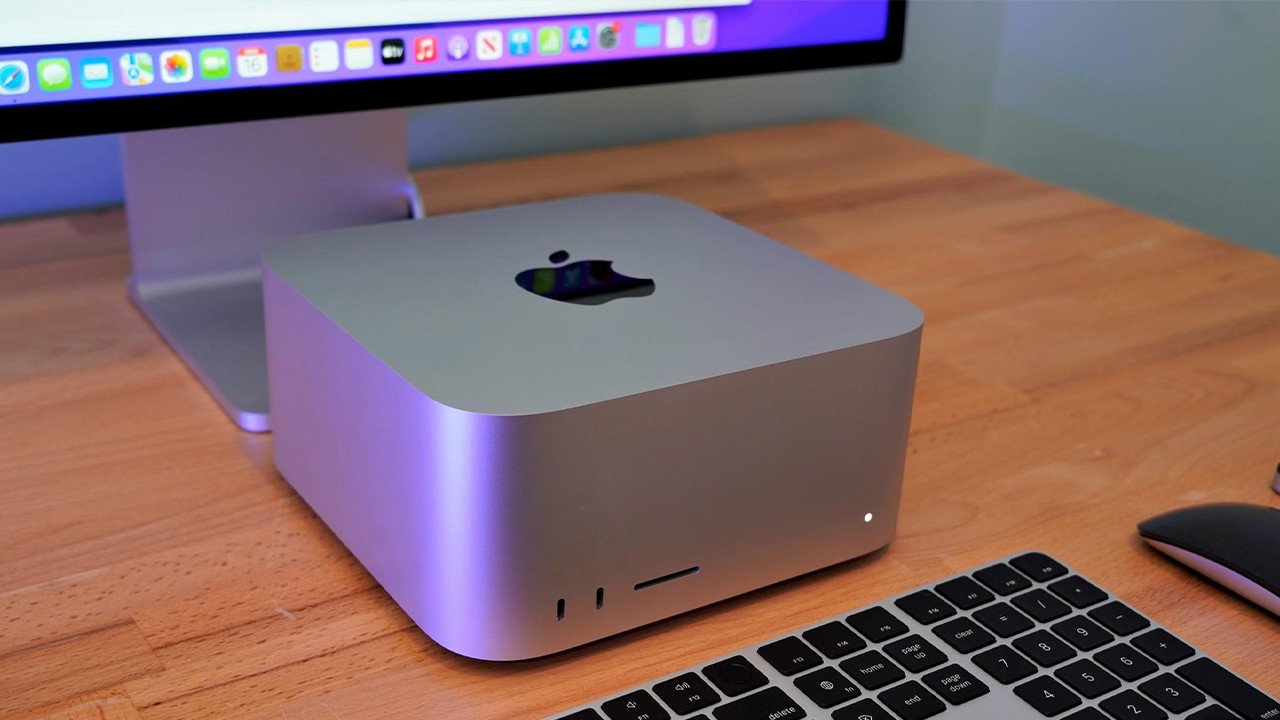
Although there is a possibility of a partial redesign of the chassis alongside the release of the M7 Ultra platform, the analyst notes that Apple typically keeps the exterior design of its desktop computers unchanged for many years. With this in mind, users should primarily expect an increase in computing power and improvements to the device’s cooling system.
Read also:
- Apple will keep the iPhone Air: What upgrades could the second generation get
- The main leak of the year: Apple accidentally confirms development of revolutionary folding iPhone Ultra