






© ROOT-NATION.com - Use of content is permitted with a backlink.
ChatGPT’s Deep Research feature is designed to perform complex, multi-step research tasks that go far beyond the usual information search. It is capable of analyzing a query independently, searching the web, processing large data sets, and generating detailed analytical reports with links to sources. Depending on the complexity of the topic and the number of stages, the preparation of such a study can take from 5 to 30 minutes. And now OpenAI has announced significant updates to this feature.
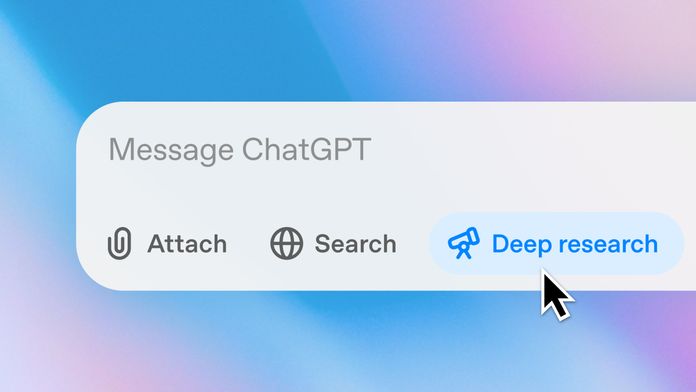
When Deep Research first launched last year, it was powered by the OpenAI o3 model, which was optimized for web search and data analysis. Later, the company launched a simplified and more cost-effective version of Deep Research based on the o4-mini model. The choice between o3 and o4-mini depended on the user’s subscription type. Now, OpenAI has announced that Deep Research has been fully migrated to the latest GPT-5.2 model, which should provide higher quality research reports and deeper analysis.

In addition to the model update, Deep Research has received an important functional extension. From now on, it can be connected to any MCP or application to limit the search to specific sites or verified sources. This allows you to create research materials based on resources that meet industry standards. Previously, reports were generated based on data from the entire Web, which sometimes led to inaccuracies due to unreliable information from the Internet.
Read also: AI under control: Mozilla changes the approach to features in Firefox
Another common problem for users was that once the research was launched, they could not change the original request. If the task was already in progress, the process had to either wait until the end or start over. In the latest update, this limitation was removed. Now users can track the progress of research in real time, stop it, and adjust the direction with clarifying prompts or adding new sources. This approach allows you to more accurately manage the final result and tailor the report to your specific needs.

At the same time, OpenAI has updated the visual component of Deep Research. This makes the entire process, from launching to viewing the finished material, more visual and convenient. The final report can now be opened in full screen mode with an interactive table of contents for quick navigation between sections. As before, after completing the work, users can share the result or download it in PDF or DOCX format for further use.
Read also:
- GPT-5.2 for $8: ChatGPT Go became the cheapest ticket to the new AI
- OpenAI releases AI coding app Codex for macOS