





© ROOT-NATION.com - Use of content is permitted with a backlink.
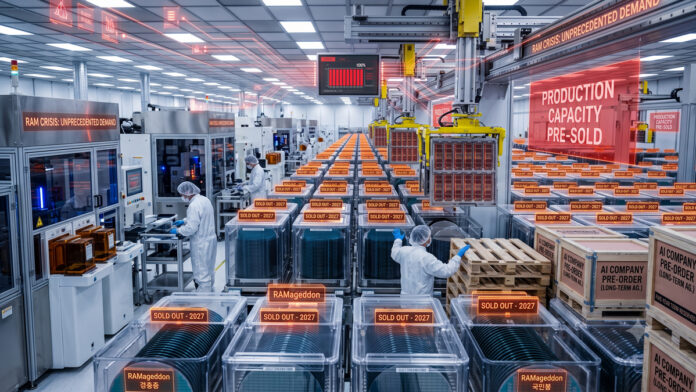
It seems that no matter where you look for information these days, there’s new evidence everywhere that the RAM crisis isn’t going to end anytime soon. A recent report indicates that the top three semiconductor manufacturers – Samsung, SK Hynix, and Micron – have already sold out their entire RAM production capacity for 2027. As expected, the buyers were AI companies.
Read also: AERONAUT – everything that flies above the ground: aviation, UAVs and drones, rockets, and space
According to a report from Digitimes, first spotted by TweakTown, the entire planned production volume of DRAM and HBM for 2027 has been fully purchased, and no additional shipments are planned. However, the companies themselves have so far refrained from officially confirming this situation. The obvious consequence of this will be a further increase in retail prices in the near future.
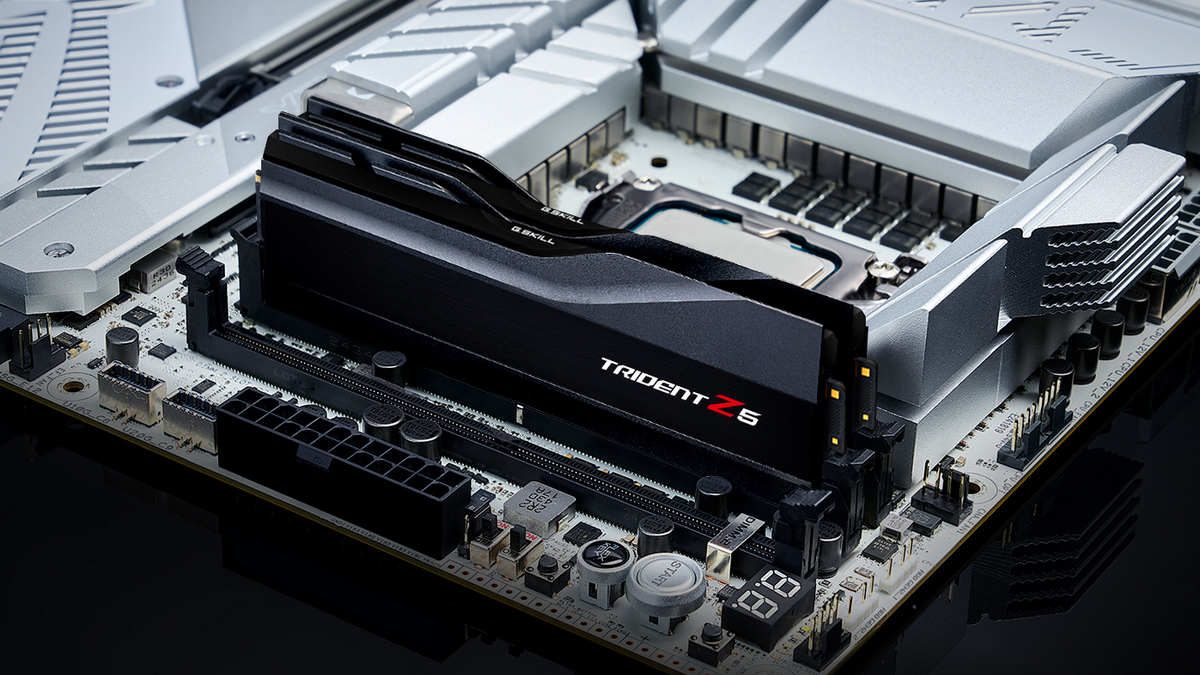
The complete sell-out of next year’s production volumes is already a serious blow to ordinary consumers, but the situation is compounded by the fact that most buyers secured these purchases through long-term agreements. This effectively means pre-ordering products that haven’t even been manufactured yet, with commitments spanning a 5-year period. Unless additional production capacity becomes available over the next few years, it’s difficult to expect prices to fall or the RAM shortage to ease.
This phenomenon extends beyond RAM. According to the same Digitimes report, there has also been a rapid increase in demand for NAND flash memory. Fortunately, NAND production has not yet been fully allocated, as there are more suppliers operating in this market. However, it’s clear that SSD prices have been steadily rising over the past 6 months.
Just look at the Western Digital SN7100, which is a fairly standard PCIe 4.0 drive. According to camelcamelcamel, in January it cost about $110 for the 1TB version, but now the price has risen by 52% to $189, not counting the small discount currently offered by Amazon. If the situation with NAND production becomes as critical as it is with RAM, we can only guess at what this drive will cost in a year.
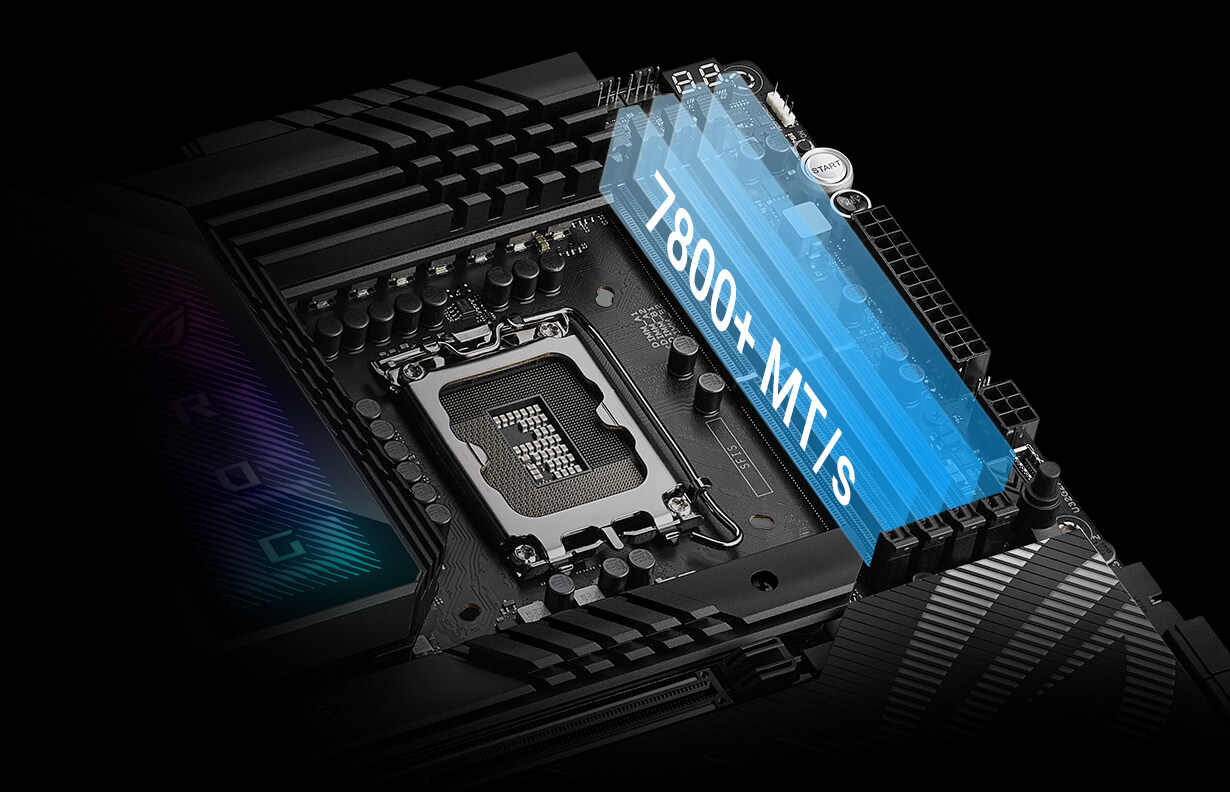
Coverage of the RAM crisis is becoming exhausting, but its effects are clearly evident in virtually every hardware segment. This month, the price of the Xbox Series X went up, and a month ago, the Steam Machine hit the market at a higher price than Valve had planned, precisely because of the rising cost of memory components. For now, we can only hope for the AI bubble to burst, so that we might be able to buy a high-quality RAM kit for less than $500.