





© ROOT-NATION.com - Use of content is permitted with a backlink.
Not long ago, I noticed an interesting trend with be quiet! power supplies. The speed at which the company adopts new technologies in specific PSU lines often reflects how ready the broader market is to offer these features to users at scale. For instance, once be quiet! introduced semi-passive power supplies, it became clear that other manufacturers had little excuse not to follow suit. The case of the be quiet! System Power 11 750W is quite similar – though the direction this time is slightly different.
Читайте також: PC power supply unit (PSU) reviews
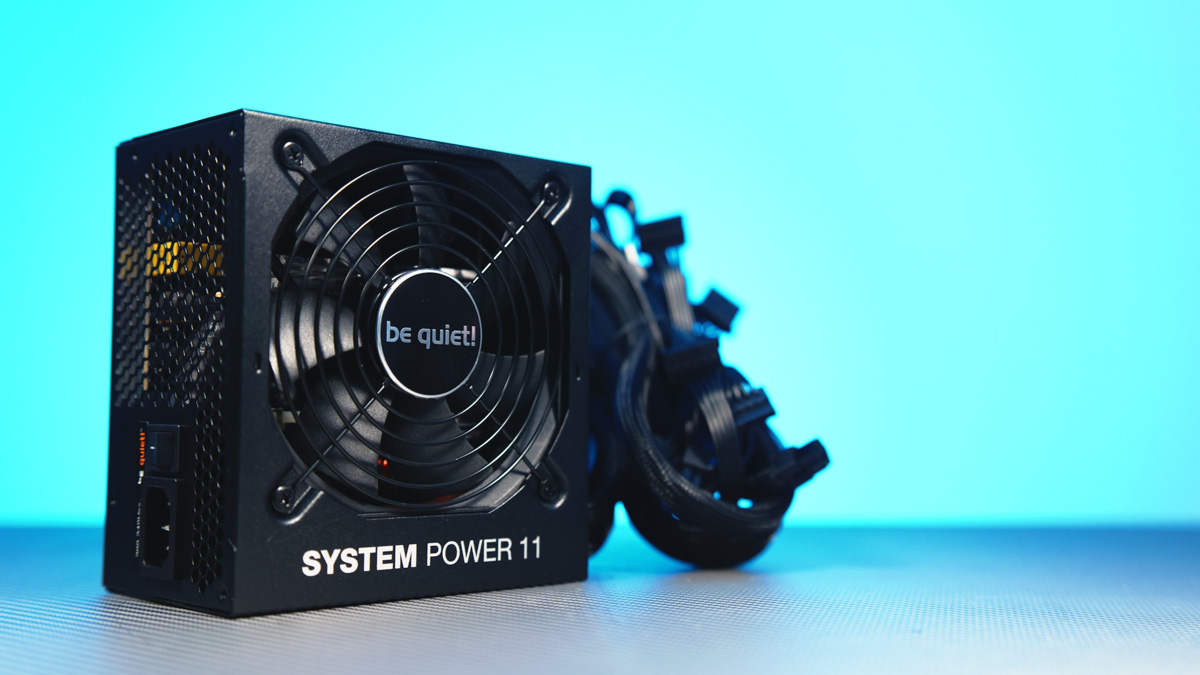
TABLE OF CONTENTS:
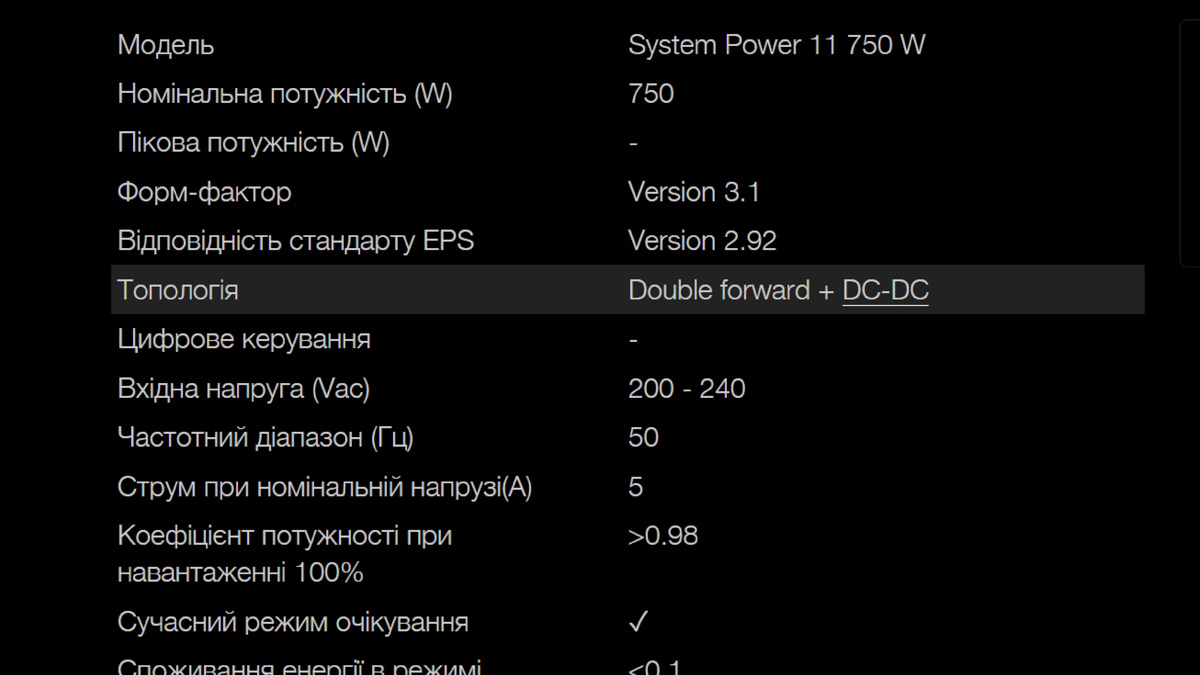
Specifications
- ATX version: 3.1
- EPS version: 2.92
- Topology: Double forward + DC-DC
- Input voltage: 200-240 V
- Frequency range: 50 Hz
- Current at rated voltage: 5 A
- Power factor at 100% load: >0.98
- Modern standby mode ✓
- Standby power consumption: <0.1 W
- Average operating time: >100,000 hours at 25°C
- Operating temperature: up to 40°C
- Efficiency at 230V, 50% load: 90%
Video review of be quiet! System Power 11 750W
Main advantage
This shift is more about pricing and a key feature. The be quiet! System Power 11 750W sits in the mid-budget range – somewhere between entry-level and mainstream. It’s priced at around $80 or €75, which, by be quiet! standards, is relatively low. After all, the brand typically targets the premium segment.
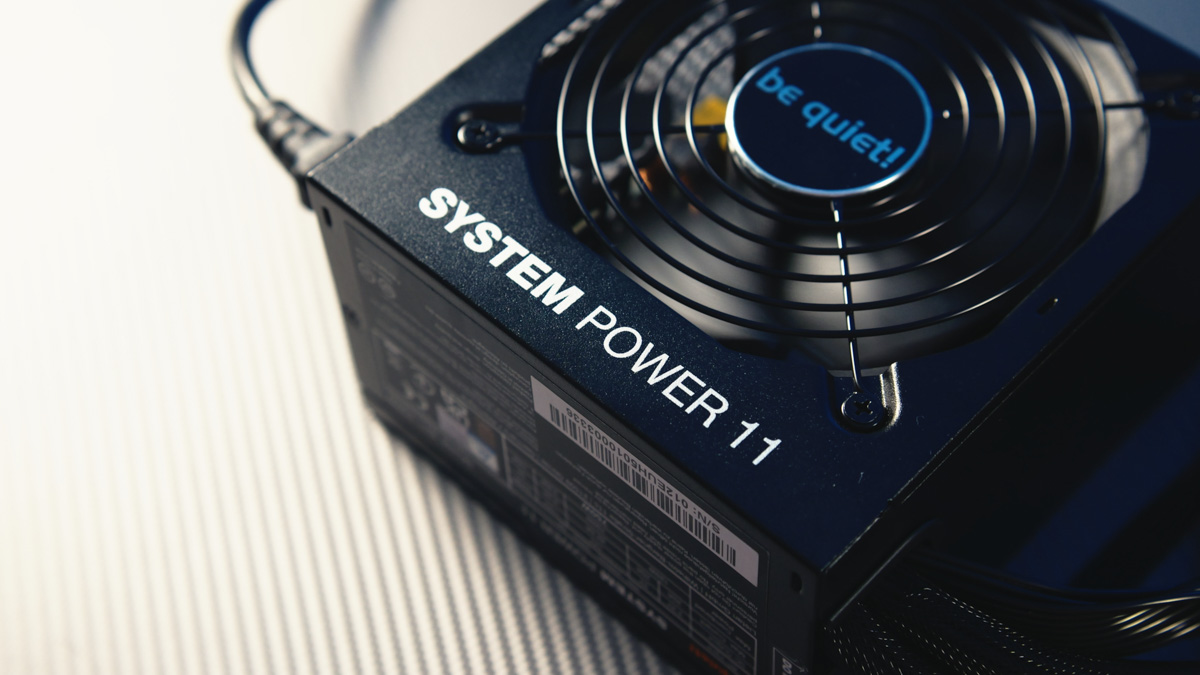
More precisely, used to. For more on that, check out our review of the Pure Rock 3 Pro.
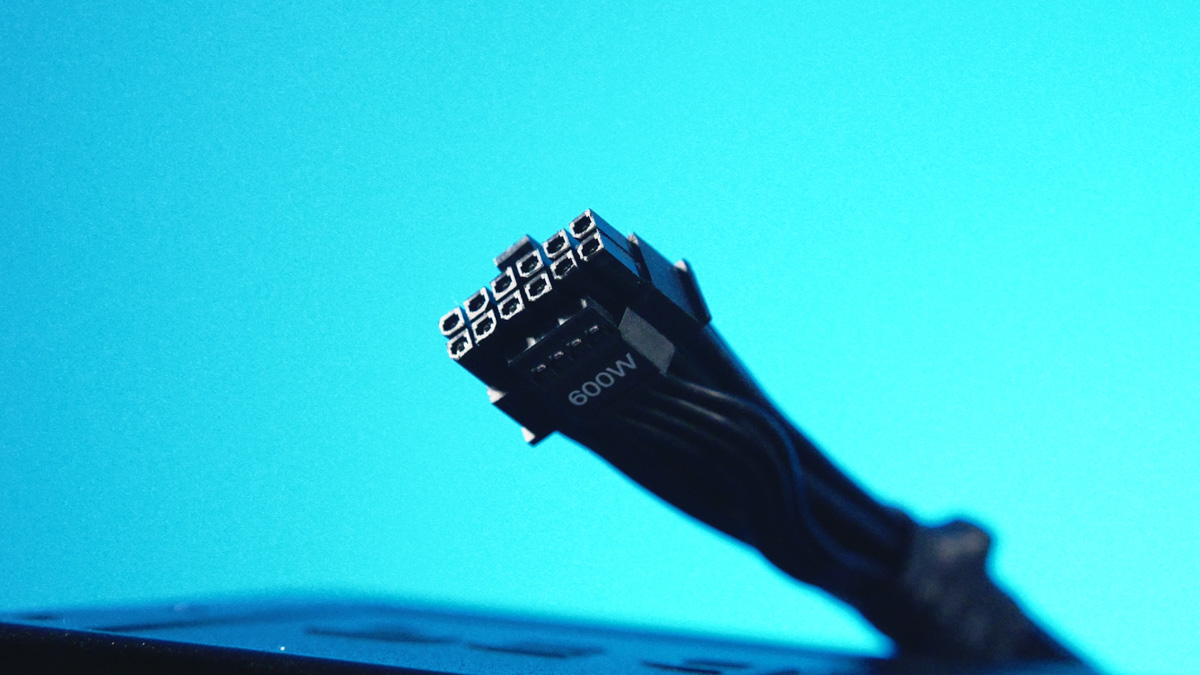
Despite its positioning, the be quiet! System Power 11 750W supports the ATX 3.1 standard. That means it’s compatible with PCIe 5.0 graphics cards – not just through the inclusion of 12VHPWR (High Power) cables, but with full ATX 3.1 compliance. This sets it apart from models like the ASROCK CL-750B, which include 12VHPWR support but only meet the older ATX 2.52 standard. In practice, that means the be quiet! unit can handle peak loads up to 200%, compared to just 120% for the ASROCK.
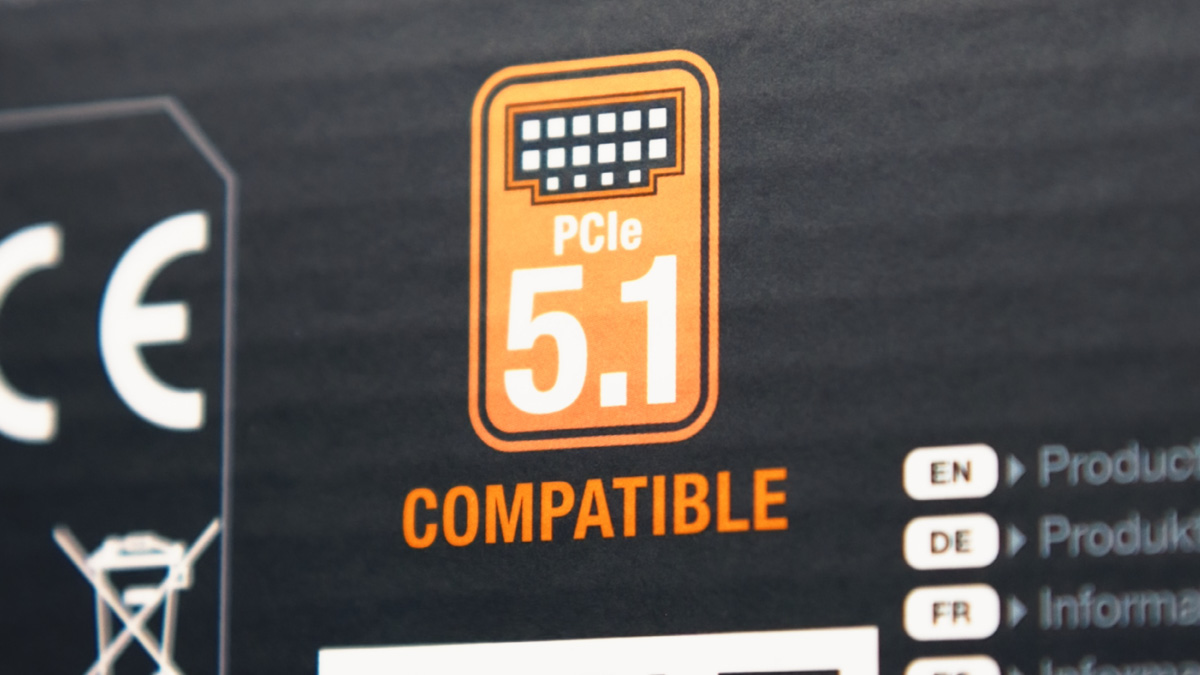
The be quiet! System Power 11 750W comes with full ATX 3.1 support, as well as compatibility with PCIe 5.1. It’s certified 80Plus Bronze, uses a Double Forward + DC-to-DC topology, and delivers up to 90% efficiency at 50% load.
It doesn’t offer a multi-rail 12V configuration, but on the single 12V rail, it can deliver up to 750W. For the 12V 2×6 connector, the limit is 650W, while the 3.3V and 5V rails can output up to 120W combined. Hold-up time is also within spec – up to 17 ms under full load and 21 ms at 80% load, which is more than adequate.
Є також захисти від перегріву, перевантаження по струму, перевантаження взагалі, від короткого замикання, подачі підвищеної напруги, пониженої напруги і гора сертифікатів. Загалом, be quiet! System Power 11 750W вже не підійде нормально для RTX 5080, бо там треба 850 Вт мінімум. Але під RTX 5070 Ti, і навіть потенціально – 5070 Ti Super, де має бути 24 ГБ відеопам’яті – підійде без проблем.
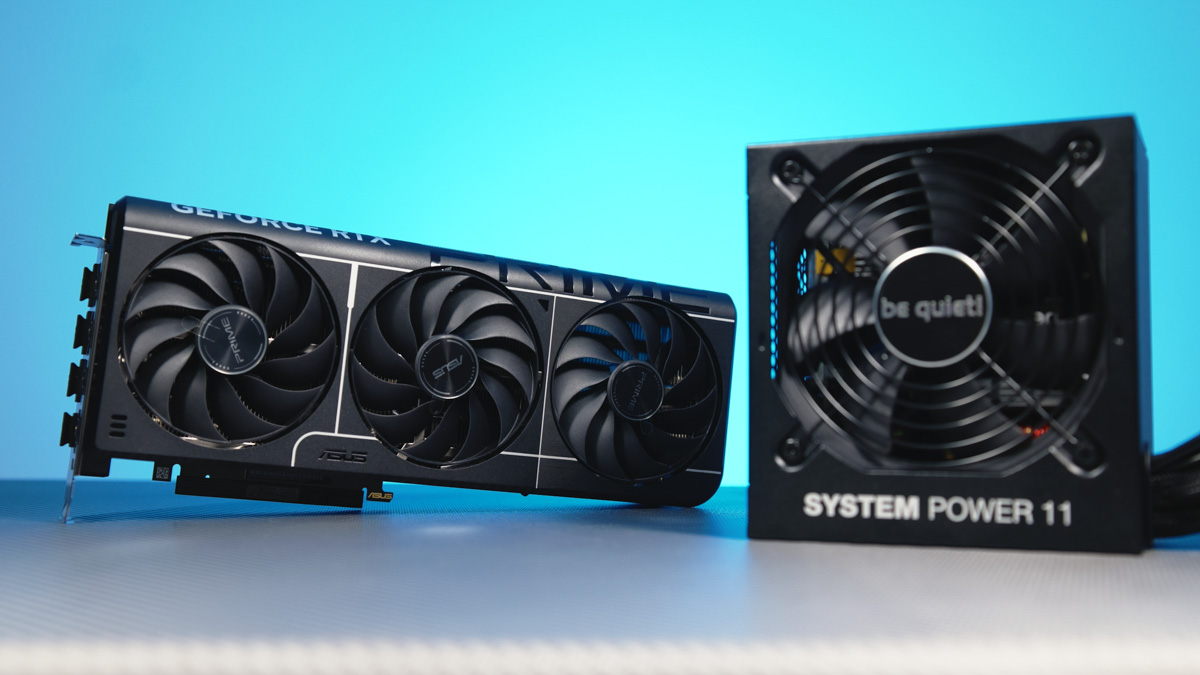
And if you’re wondering why bother with a PSU that can’t handle a flagship GPU – here’s the frame rate in Cyberpunk 2077. Here’s what you get in S.T.A.L.K.E.R. 2. And in Returnal. All of this was tested using an ASUS Prime RTX 5070 Ti OC paired with 16 GB of RAM.
In other words, this isn’t a high-end setup – but it’s more than capable of delivering solid performance in demanding games, without the need for a 1000W power supply.
Restrictions
That said, the price point inevitably comes with trade-offs. If be quiet! could offer a perfect PSU for \$80, there’d be little reason for anyone to buy their $200 models. As you’d expect, the System Power 11 750W isn’t modular. Cable length is generally reasonable, but the standard 12V rail is limited to just two 6+2 pin connectors. So while it’s sufficient for mid-range builds, it might fall short for more demanding configurations.
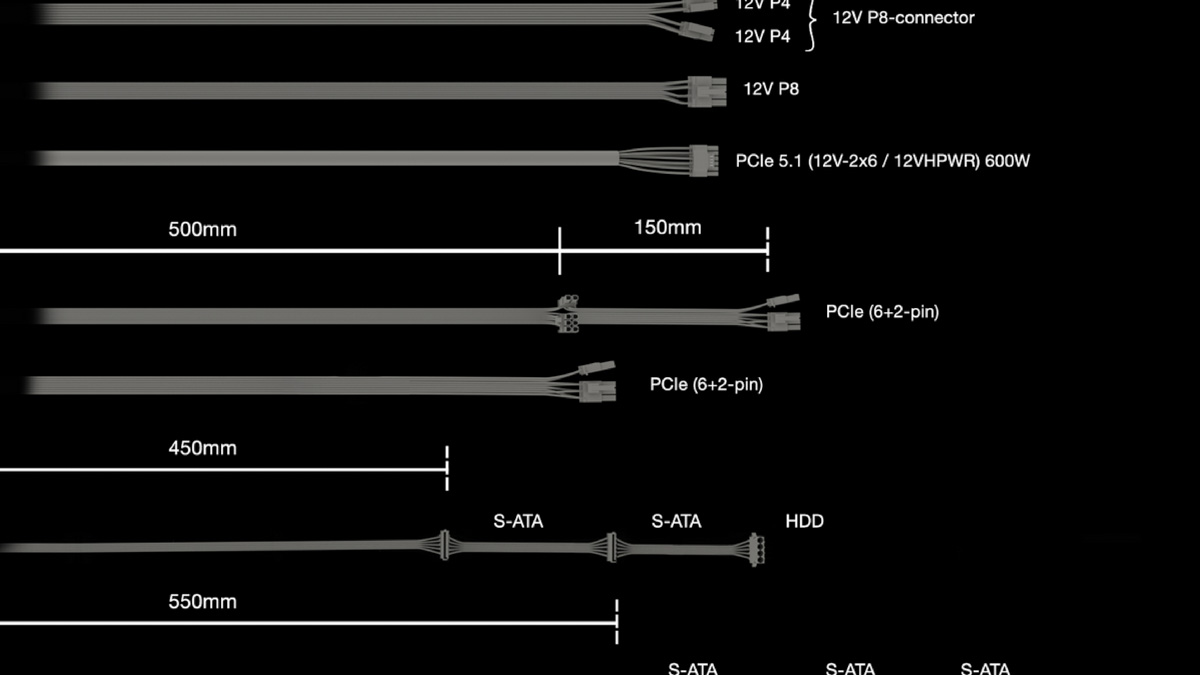
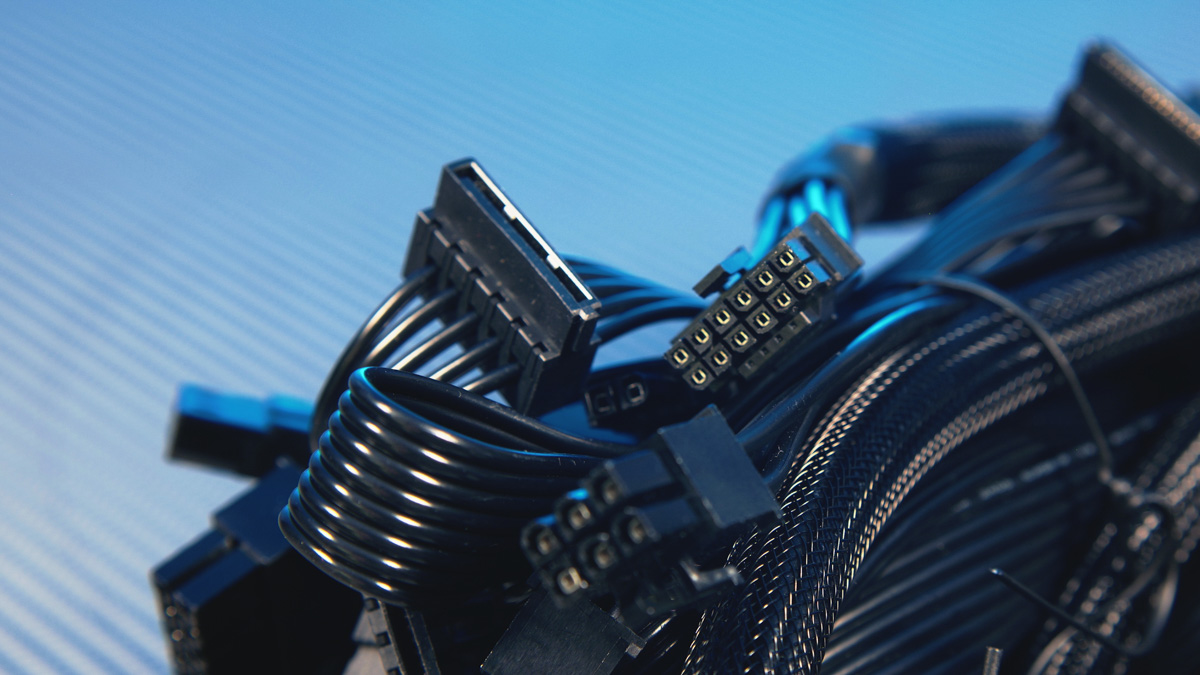
Technically, there are three 6+2 pin connectors, but only two physical cables – meaning one of them carries a double load. While this shouldn’t cause issues, it could become a concern if you’re pairing the PSU with a particularly power-hungry Radeon flagship. On the CPU side, the unit offers a proper 8-pin connector plus a separate 4+4 pin, which is a solid setup for most modern motherboards. As for peripherals, there are five SATA connectors and a single Molex, which should cover basic storage and accessory needs.
The unit uses a 120 mm fan that can spin up to 2100 RPM. It’s not silent, but it remains fairly quiet in practice. At loads up to 30%, noise levels stay around 10.5 dBA – essentially inaudible in most environments. Even at 50% load, the noise only rises by about 2 dB, which still qualifies as nearly silent. Of course, that’s especially true when the PSU is installed in a standard, closed case. In open-air setups – like the one I use for testing – the noise is more noticeable, but still far from intrusive.
One of the notable positives is the PSU’s compact size – it measures just 150 mm in length and weighs a little over 2 kg. That’s not unusual for be quiet!, though. The Power Zone 2, for example, delivered a full kilowatt and still used a standard C13 power connector instead of the bulkier C19 like my previous test bench unit. The System Power 11 750W follows the same approach – C13 connector, no oversized plugs, and it ships with a power cable and a few cable ties included in the box.
Conclusions
The release of this PSU signals two key things. First, be quiet! is clearly paying more attention to the budget and mid-range market – something that wasn’t always the case. Second, power supplies that support the latest generation of graphics cards are no longer prohibitively expensive. They’re becoming accessible enough that you no longer have to treat them as a major chunk of your build budget.
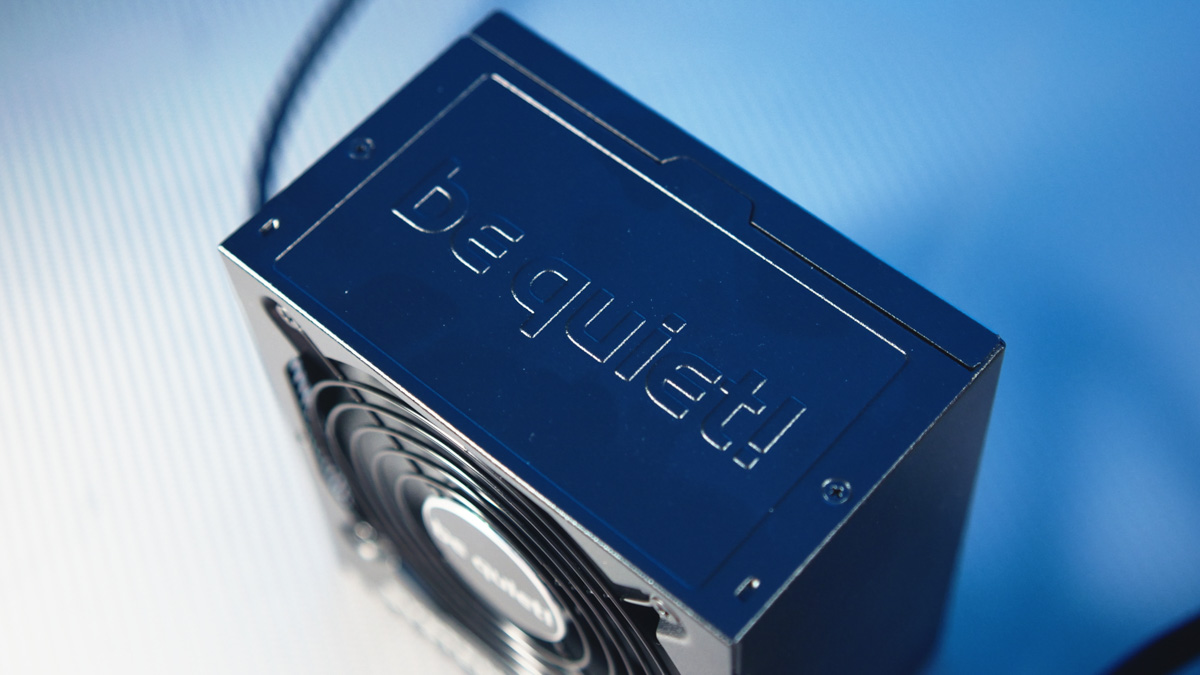
No, the be quiet! System Power 11 750W isn’t expensive. It’s reliable – with a 5-year warranty – quiet, and versatile, even if it’s not modular. And the fact that a power supply at this price point can comfortably handle something like an RTX 5070 Ti says a lot.
It suggests we’re getting closer to the point where building a PC with a next-gen RTX Blackwell GPU won’t require overthinking the power budget – or overpaying for it. And that’s genuinely a welcome shift.
Where to buy



No technical parameter testing (voltage stability, ripple, overload testing… nothing?), just dumb judging by the look at its box? Heck, even my wife could do PSU reviews at such low standard…