
© ROOT-NATION.com - Use of content is permitted with a backlink.
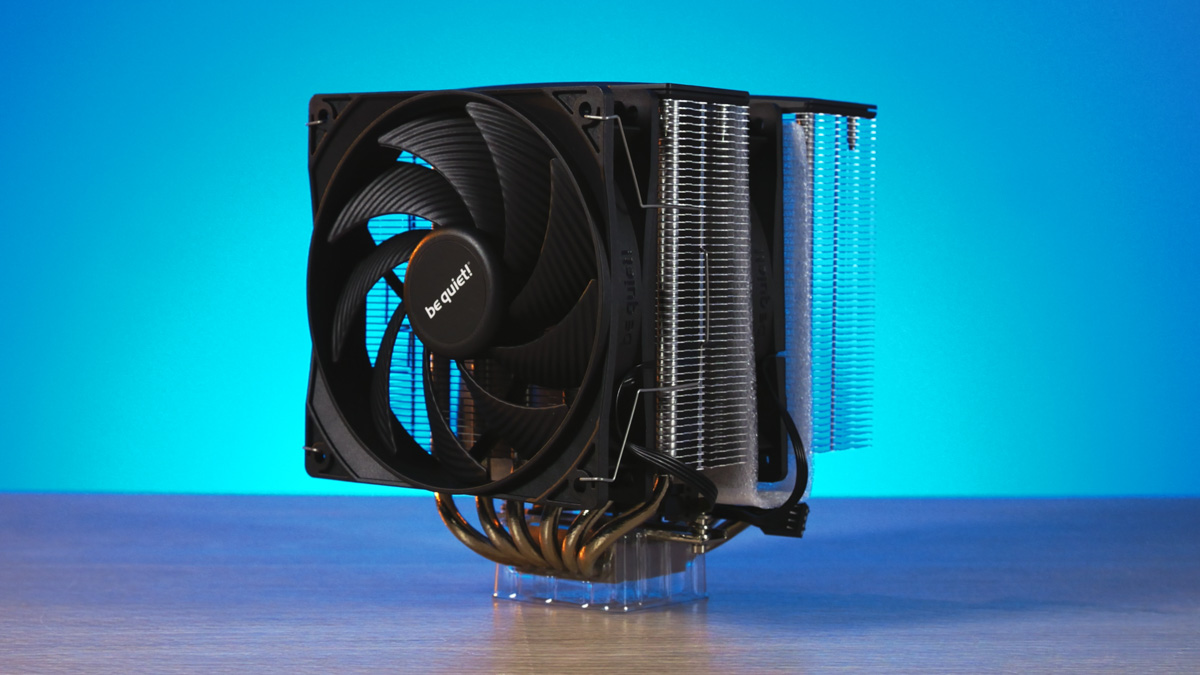
Reviewing the be quiet! Pure Rock Pro 3 CPU cooler turned out to be surprisingly engaging – especially considering how many notable cooling solutions the company has released recently. As it turns out, the Pure Rock Pro 3 fits into that lineup more naturally than I initially expected.
Read also:
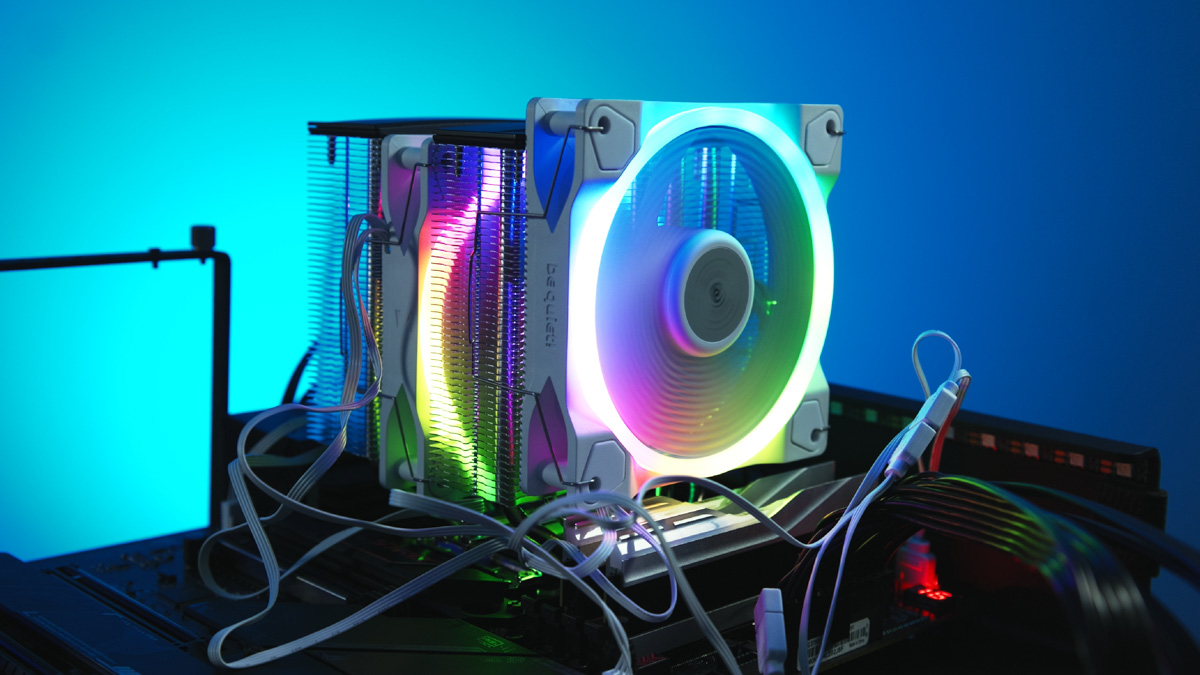
TABLE OF CONTENTS:
Specifications
- Compatibility: Intel 1851/1700/1200/1150/1150/1151/1155, AMD AM5/AM4
- Noise level at 50/75/100% RPM: 14 / 26.5 / 34.8 dBA
- Overall Dimensions: 139×124×155 mm
- Fan model: Pure Wings 3 120mm PWM
- Fan Dimensions: 120
- Speed: 2000 RPM
- Airflow: up to 101.2 m3/h
- Air pressure: up to 2.41 mm H2O
- Plate material: aluminium
- Base material: nickel-plated copper
- Heat pipes: 6×6 mm
be quiet! Pure Rock Pro 3 video review
Price/capacity
The first noteworthy detail – especially for a brand like be quiet! – is the pricing. At around $60 or roughly €50, it’s positioned more affordably than many might expect for this class of cooler. This seems like a somewhat delayed response to the flood of budget-friendly dual-fan tower coolers from Chinese brands. These alternatives are often louder, but still manage to deliver decent performance – and usually throw in RGB lighting for good measure. At this point, there’s no shortage of such examples on the market.
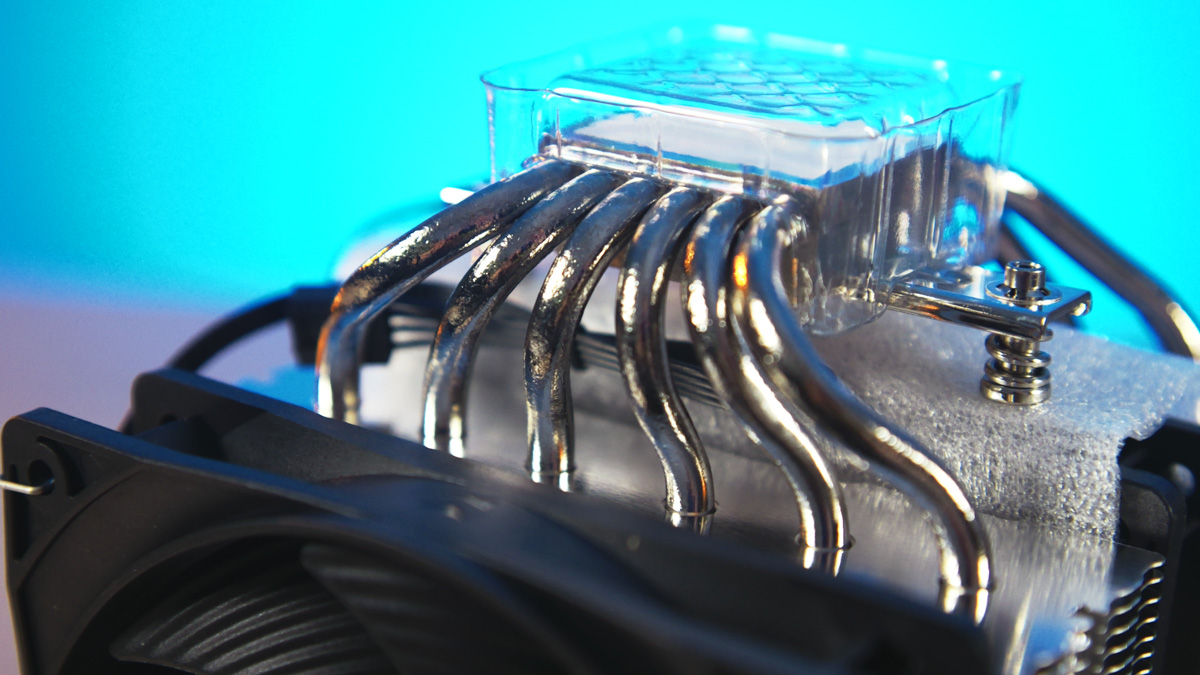
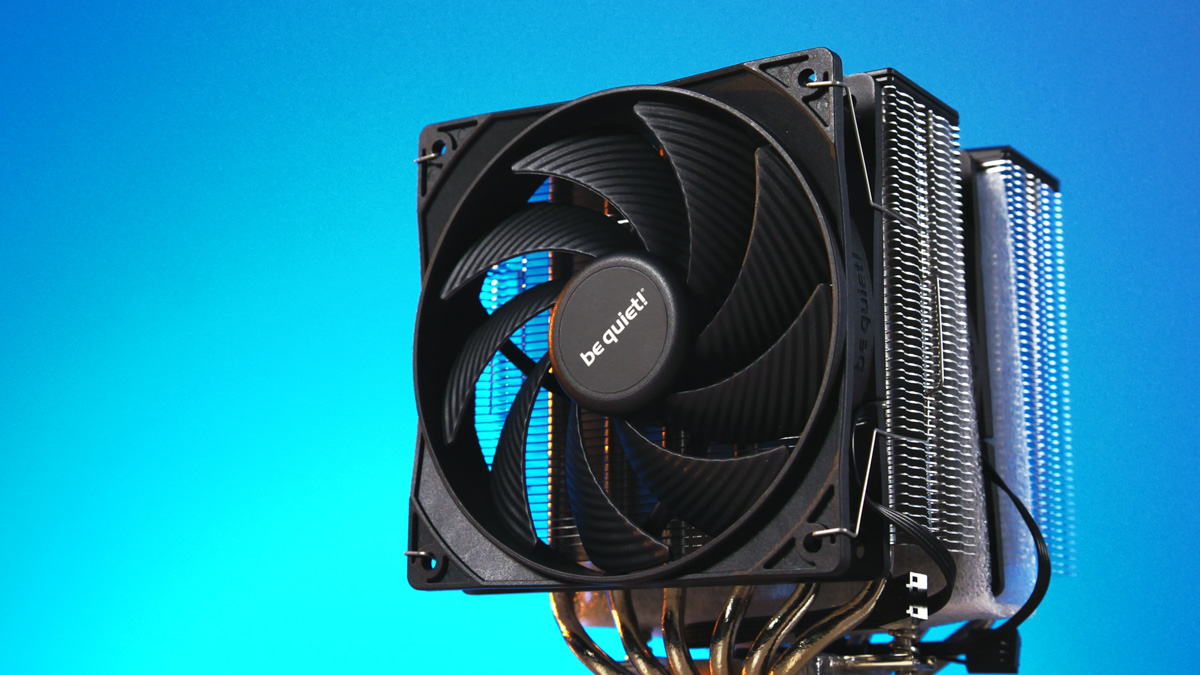
However, the be quiet! Pure Rock Pro 3 has one clear advantage: a claimed thermal dissipation capacity of 250 watts. To achieve that, the cooler features six 6mm heat pipes, a nickel-plated base, and a pair of Pure Wings 3 120mm PWM fans.
For the test setup, I installed the cooler on an AMD Ryzen 9 9900X, using an ASUS B650E-E Gaming WiFi motherboard and G.Skill Trident Z5 memory. The system was assembled in a Gorilla Custom X case, a model manufactured in Ukraine.
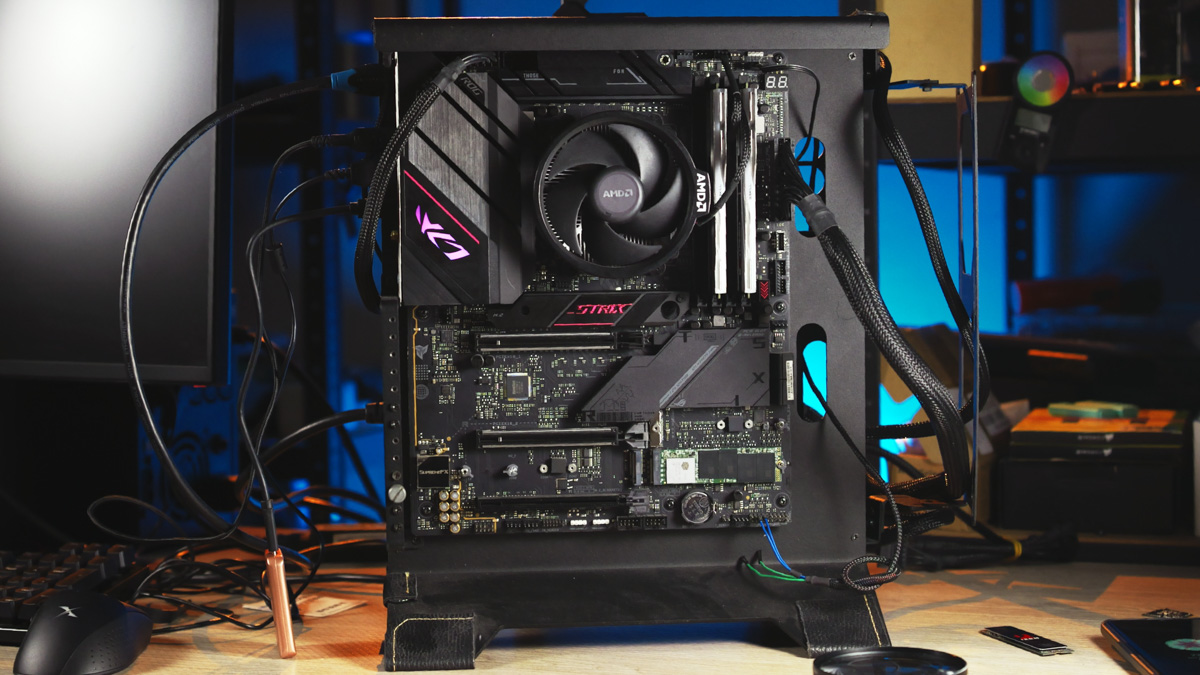
The power supply used was the be quiet! Power Zone 2 1000W – the company’s first unit with semi-passive cooling, released earlier this year. Thanks to this PSU, I’m now able to test CPU cooler fan behavior at very low RPMs without interference. Previously, even be quiet!’s own power supplies introduced a slight but noticeable background noise, which made accurate noise measurements more difficult.
be quiet! Pure Rock Pro 3 versatility
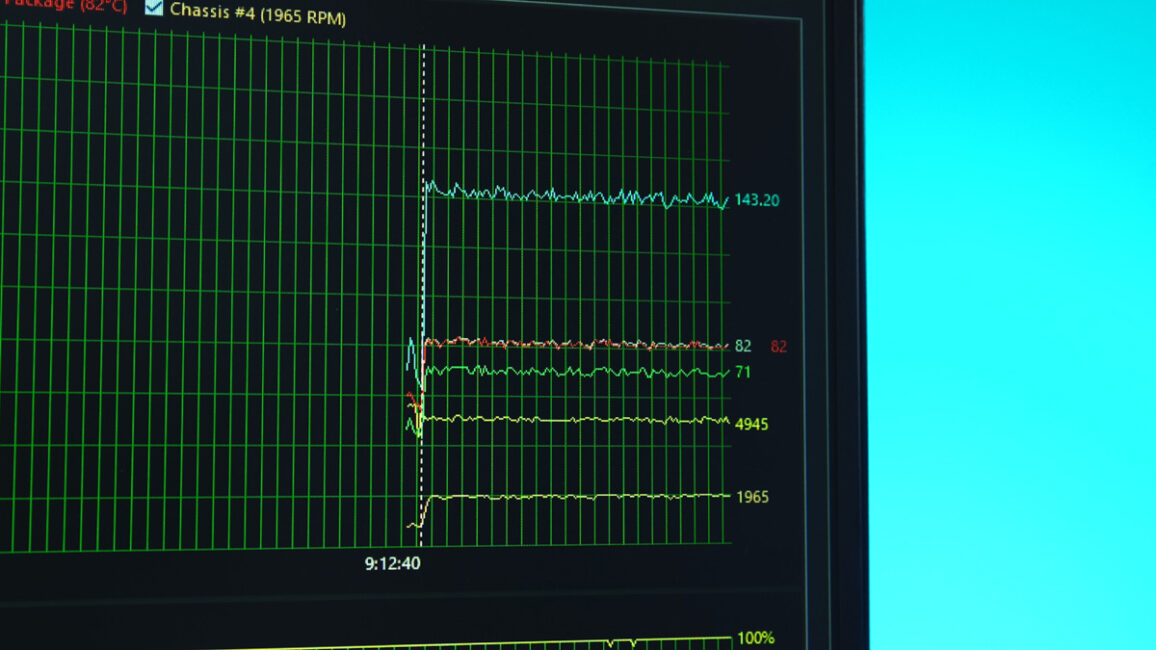
This brings me to the question of versatility. Under load, the CPU was drawing 140 watts and maintained a stable 5 GHz in AIDA64, with an ambient temperature of 24°C. The cooler managed to keep the processor at 82°C – using fan speeds of around 1600 RPM. For context, the Pure Wings 3 120mm PWM fans can go up to 2000 RPM, so there’s still some headroom left.
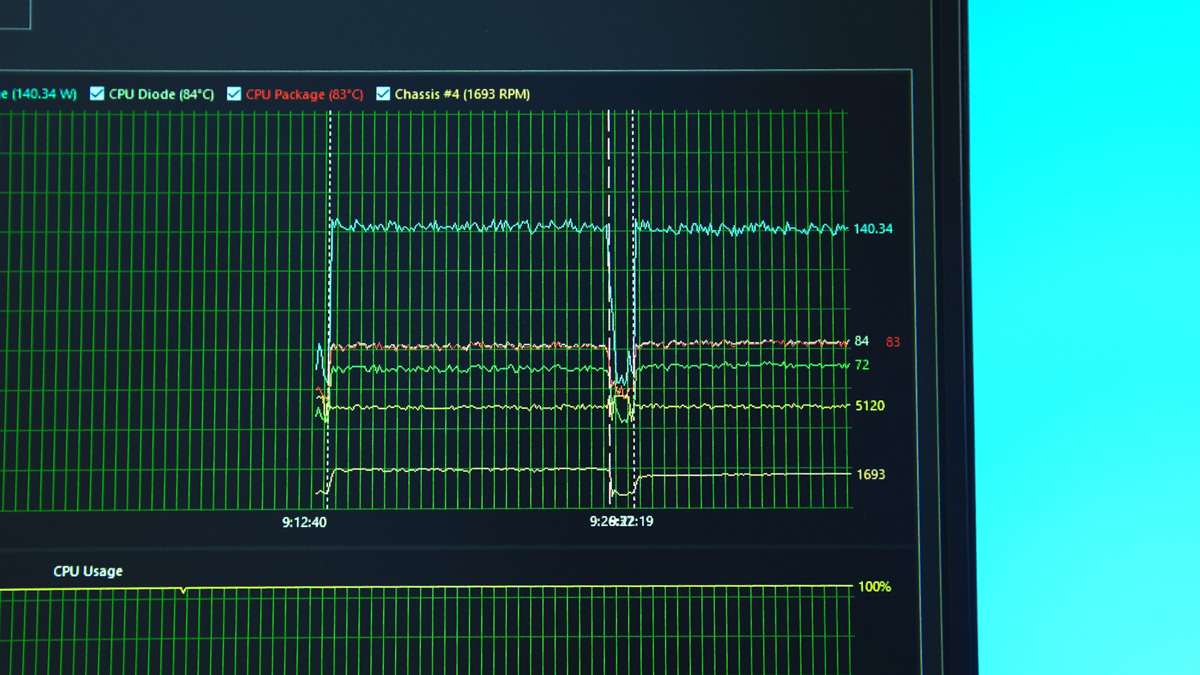
If 82°C seems high, it’s worth noting that the fans were nearly silent – even on an open test bench. And maintaining 5 GHz in a stress test is no small feat. More importantly – and this is key – I wasn’t able to apply a manual overclock. Any attempt led to thermal throttling within seconds.
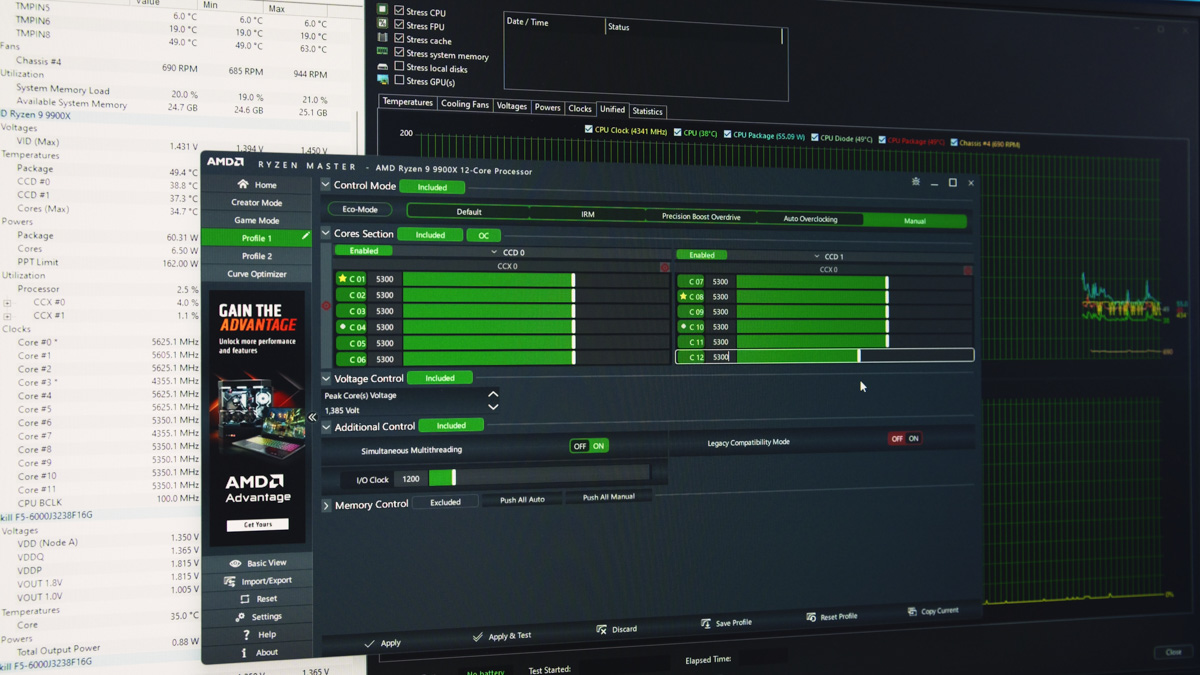
Why is that? Because TDP and actual CPU temperature don’t have a direct one-to-one relationship. There’s a certain correlation influenced by factors like the IHS – the integrated heat spreader on the processor. Without an IHS, cooling the CPU is easier but also riskier.

Overall, the be quiet! Pure Rock Pro 3 proves to be a fairly versatile cooler. It supports offset mounting on AM5 and is compatible with a wide range of sockets, including older ones – a notable advantage since some newer liquid coolers no longer offer that. Additionally, the fan can be adjusted upward if needed to avoid interference with RAM modules, as it may obstruct them in the default position.
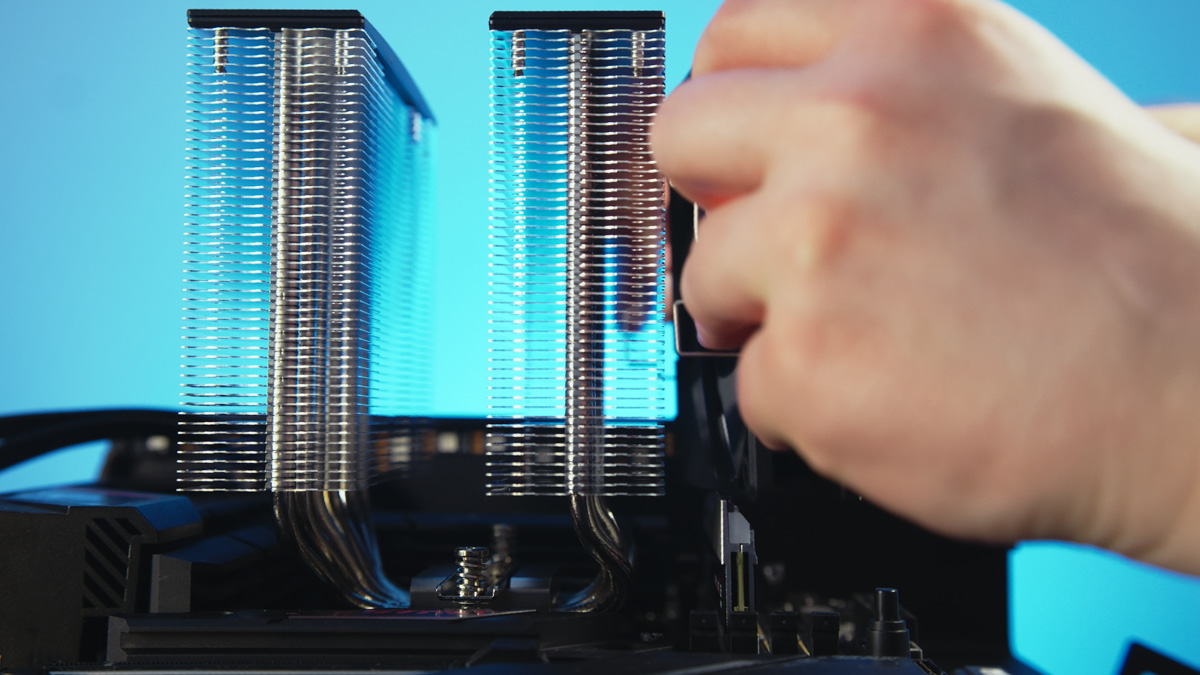
This adjustment increases the total cooler height from 155 mm to around 160 or 162 mm, but even at that size, it still fits within most mid-tower cases.
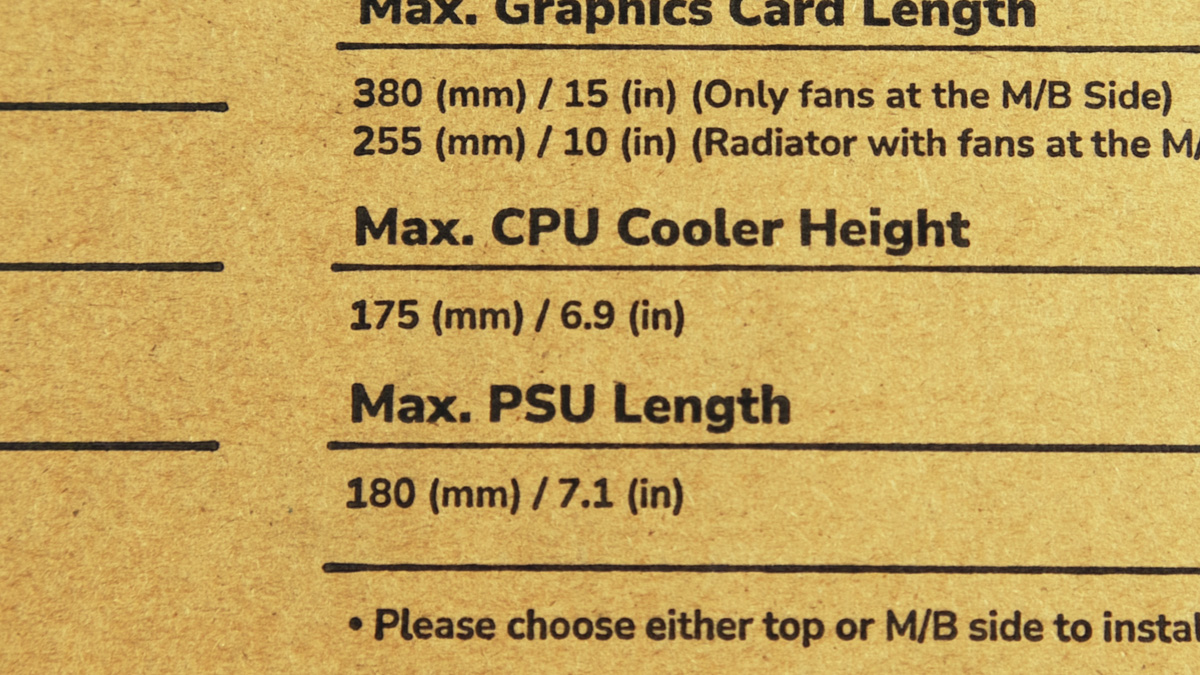
I have one complaint about the cooler: installing it requires a long Phillips screwdriver, which isn’t included in the package. I think I mentioned this before in a review of one of the older Dark Rock models, which also didn’t come with a screwdriver. Not everyone has a long Phillips screwdriver lying around at home, so it would be helpful to include a warning about this requirement right on the box.
Fans
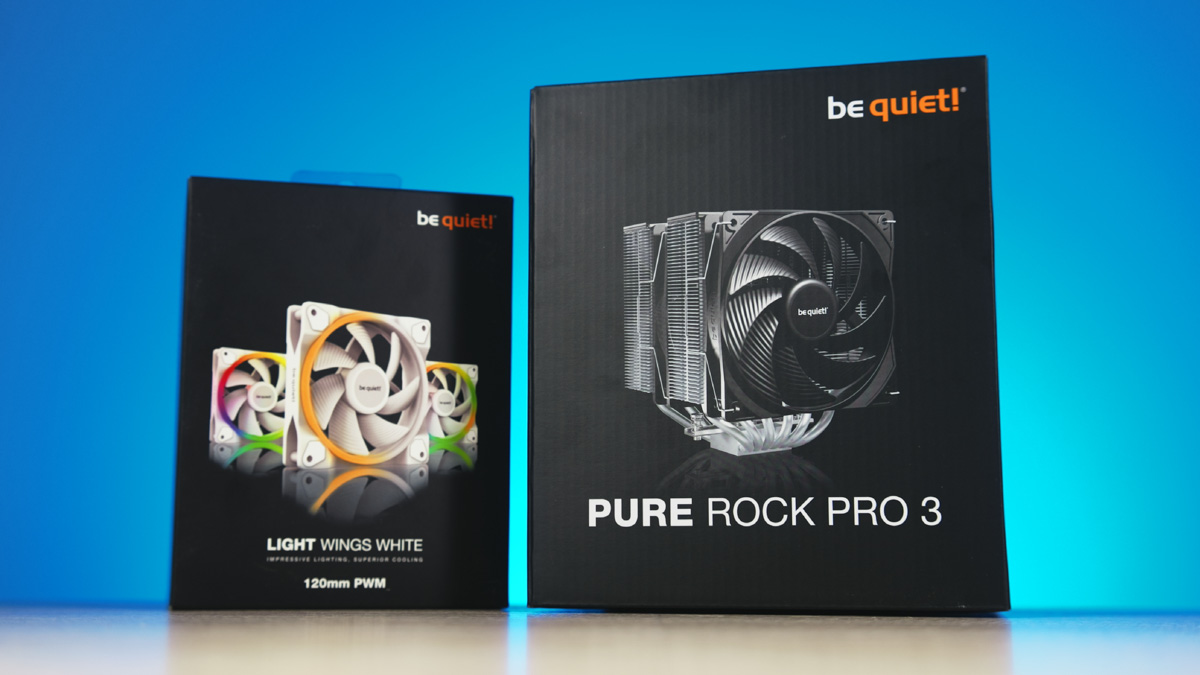
The third point worth noting is that the be quiet! Pure Rock Pro 3 is one of the first coolers from the brand where I was able to test not only the standard black fans but also the store-bought be quiet! Light Wings in white. For me, it’s important to have confidence that the cooler is compatible with more than just the bundled fans – something that wasn’t always the case with their 135mm models.
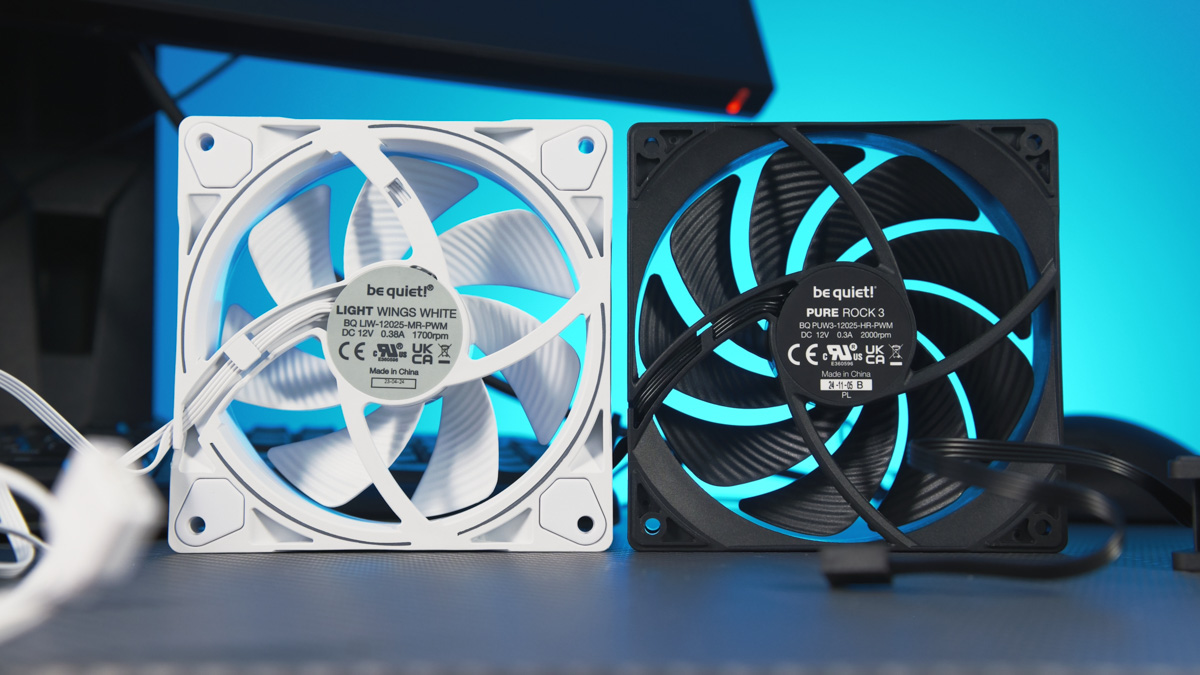
The be quiet! Pure Rock Pro 3 is also available with RGB fans, marketed as the Pure Rock Pro 3 LX. This version comes with a higher price tag. The fans included are Light Wings LX, which differ from the regular Light Wings by having a higher maximum speed of 2000 RPM instead of 1700 RPM. The RGB lighting is also different – it’s internal rather than a ring around the fan’s edge.
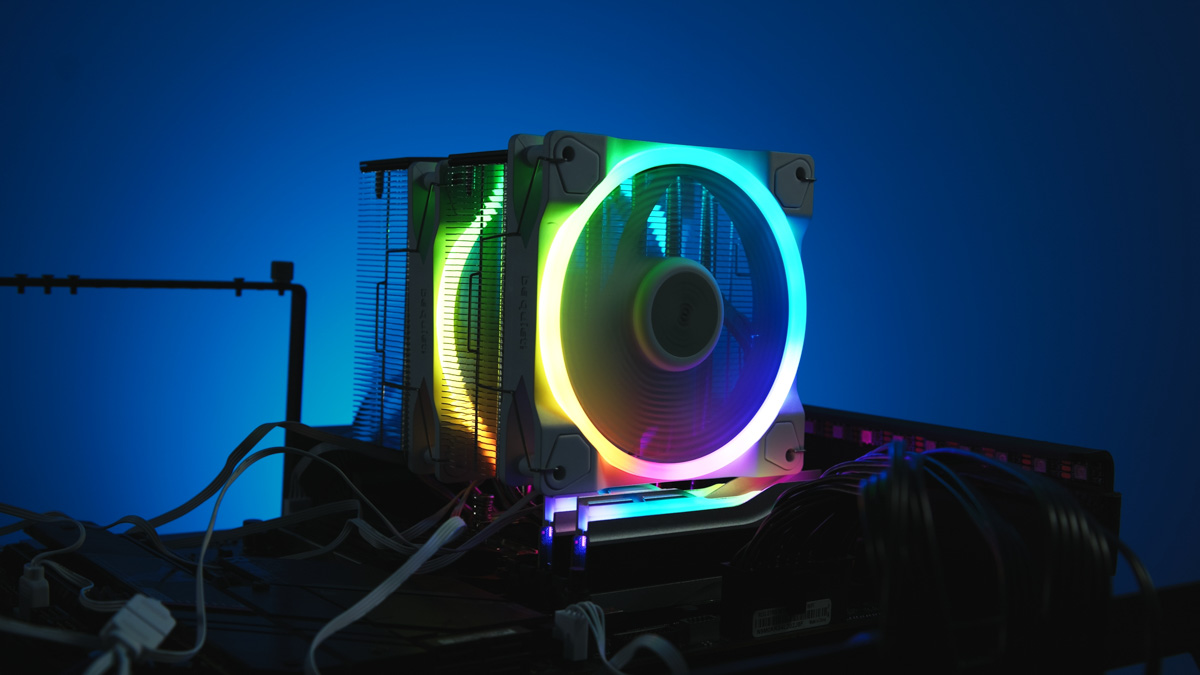
Performance-wise, there’s no real difference between the two versions. The Light Wings fans do spin slightly faster under the same test conditions compared to the Pure Wings 3, but the temperature changes remain within the margin of error. Noise levels are also fairly similar, to be honest.
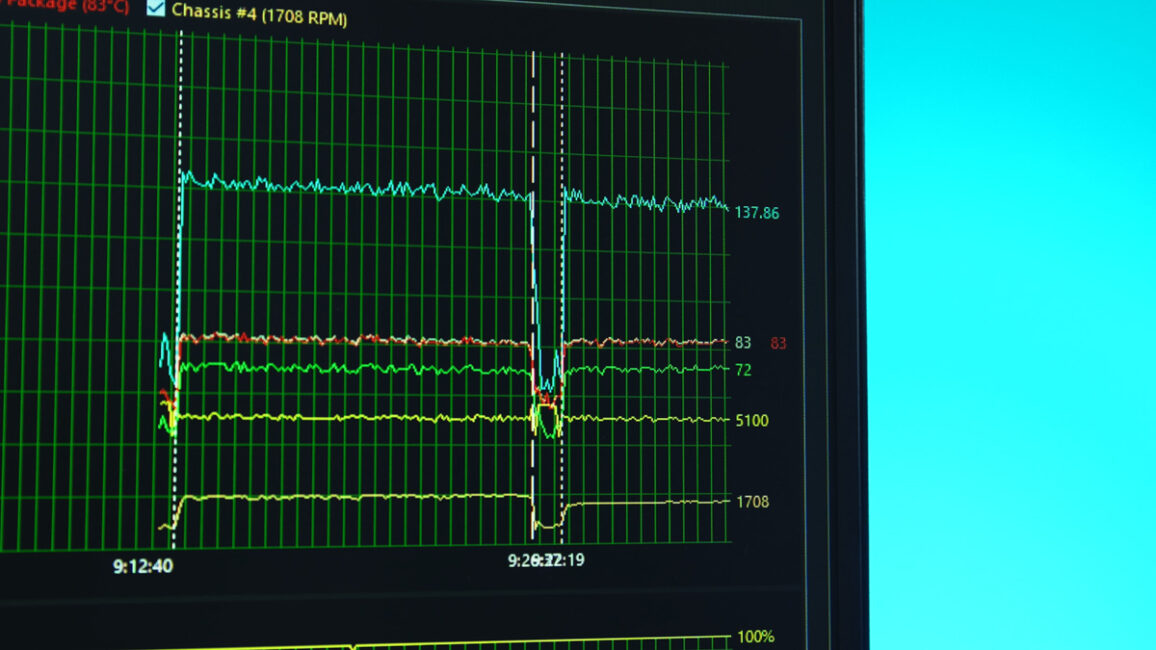
That’s a positive in two ways. First, fans tend to be the components that fail in coolers, not the heat pipes or fins. Having the option to easily buy replacement fans is practical. Second, the lack of a temperature difference makes sense since both fan models use the same technology; variations in blade shape and number have little impact on overall cooling performance.
The key factors are fan speed, bearing technology, and size. In this case, both fans use a rifle bearing – a type of sliding bearing with helical grooves – and have similar dimensions. When those elements are nearly identical, the performance and noise output tend to be very similar as well. You can hear the difference for yourself.
Conclusions
In summary, the be quiet! Pure Rock Pro 3 clearly responds to competition, though it’s not a perfect solution. Still, scoring around 9 out of 10, it should serve the brand well – especially as consistent successful products help keep be quiet! relevant in the market. In my view, this cooler performs at least as well as the Power Zone 2 PSU. It’s capable, well-designed, and reasonably priced. Would I recommend it? Yes.
Read also:
- Reliable Driverless Cars: Why Full Autonomy Remains Out of Reach
- AI in Medicine: Is the Future Already Here?
- History and Achievements of SpaceX: Elon Musk’s Great Space Passion
Where to buy