
© ROOT-NATION.com - Use of content is permitted with a backlink.
In this review, I’m not going to delve into why you might need an SSD capable of over 14 GB/s read speeds. For most everyday tasks, that kind of performance simply doesn’t matter. And frankly, raw speed isn’t what makes the Kingston Renegade G5 1TB particularly interesting – PCIe 5.0 drives have been around for a while now. What sets the G5 apart is how well it handles that speed – and everything that comes with it.
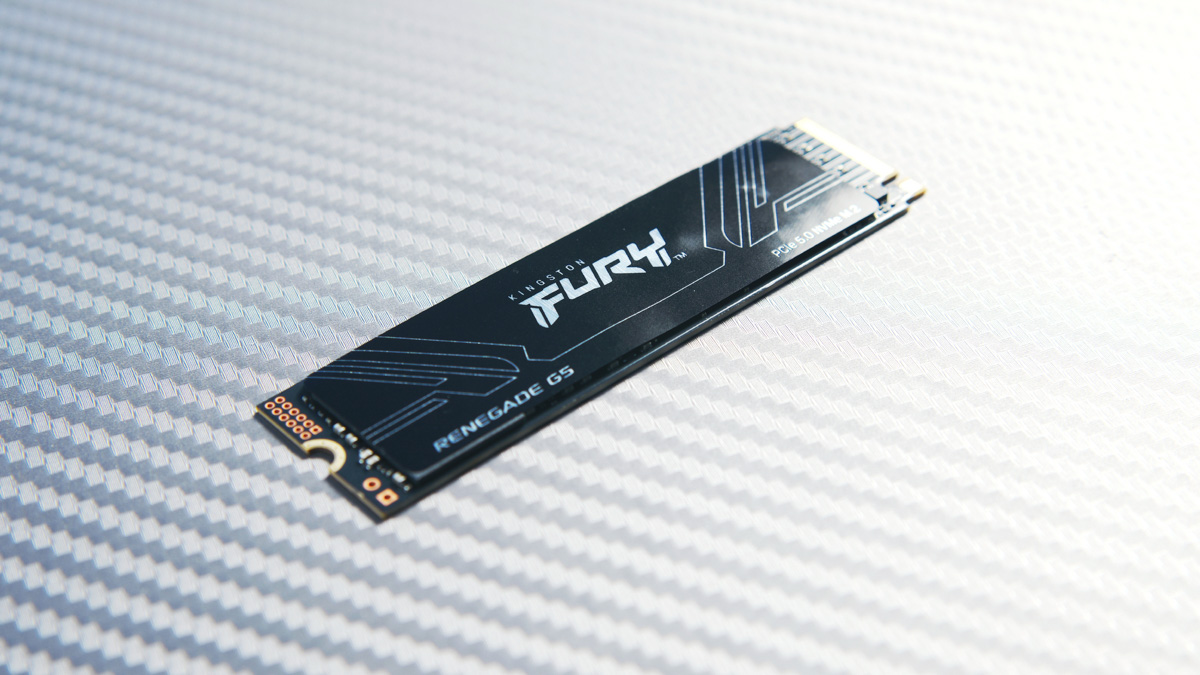
TABLE OF CONTENTS:
Technical characteristics
- Form factor: 2280 M-Key
- Dimensions: 80.0 x 22.0 x 2.3 mm
- Controller: Silicon Motion SM2508
- Power consumption: up to 7.5 watts
- Cache: LPDDR4 Nanya NT6AN256T32AVJ1
- Memory: Kingston FB51208UCT164 QLC NAND
- Performance: up to 2 million IOPS
Kingston Renegade G5 1TB video review
Price and equipment
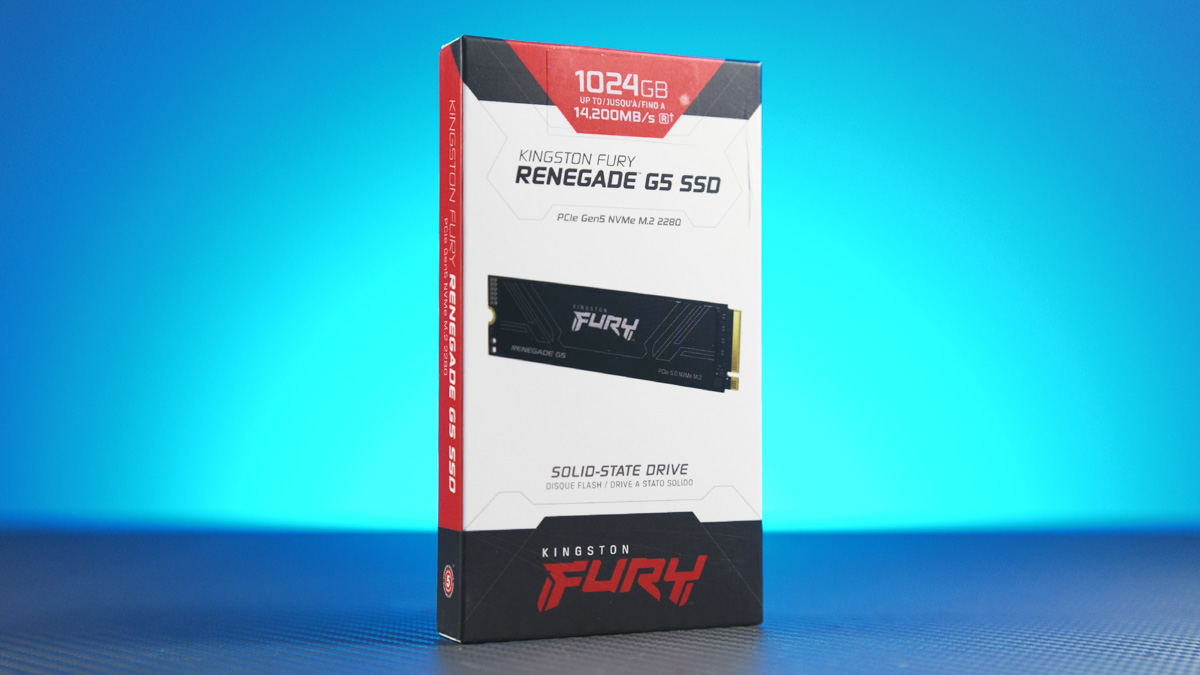
The Kingston Renegade G5 1TB is priced at around \$200, or approximately €190. Yes, that’s for just 1TB. The 2TB version comes in at about \$350, while the 4TB model pushes the cost up to roughly \$630. It’s also worth noting that the drive ships in a minimal package – just the SSD itself, with no additional accessories included.
Design and chips
There’s nothing particularly standout about the design of the Kingston Renegade G5 1TB. It doesn’t come with a heatsink – just a branded sticker on the top. On the back, there’s a standard label with technical details. It’s a simple, no-frills approach that focuses more on performance than aesthetics.
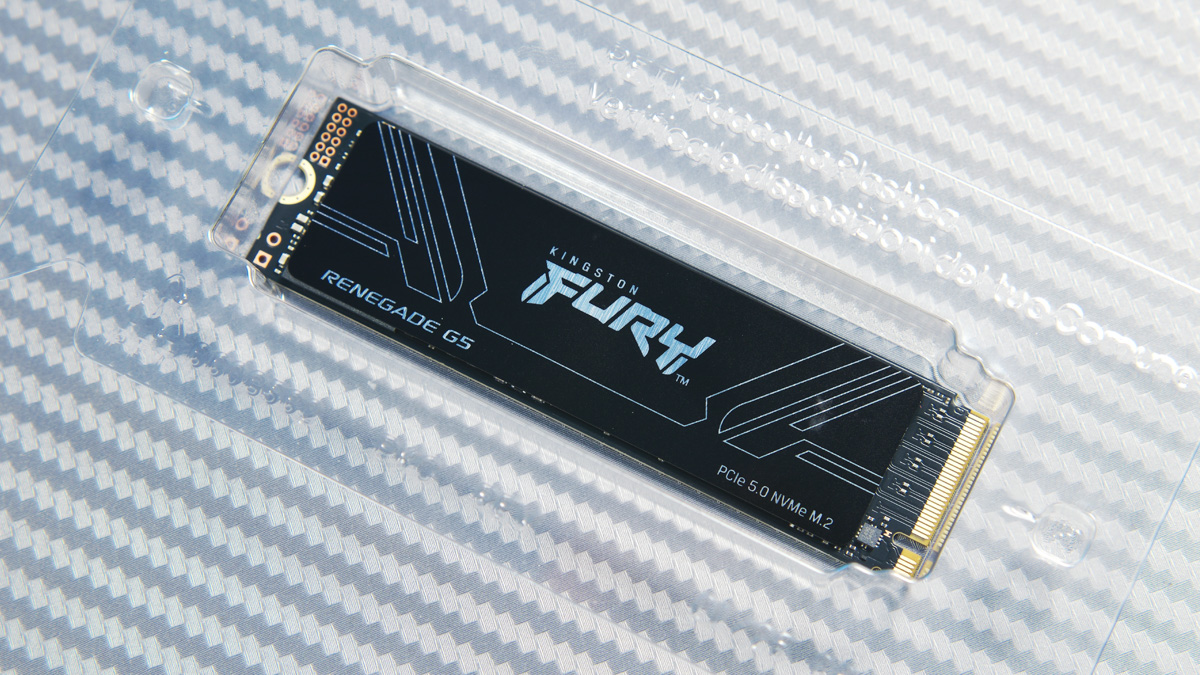
The Kingston Renegade G5 uses a standard M.2 2280 form factor, measuring 80.0 × 22.0 × 2.3 mm. It features an M-key PCIe interface. Under the label, you’ll find the hardware components, including the high-end Silicon Motion SM2508 controller – one of the key elements behind the drive’s strong performance.
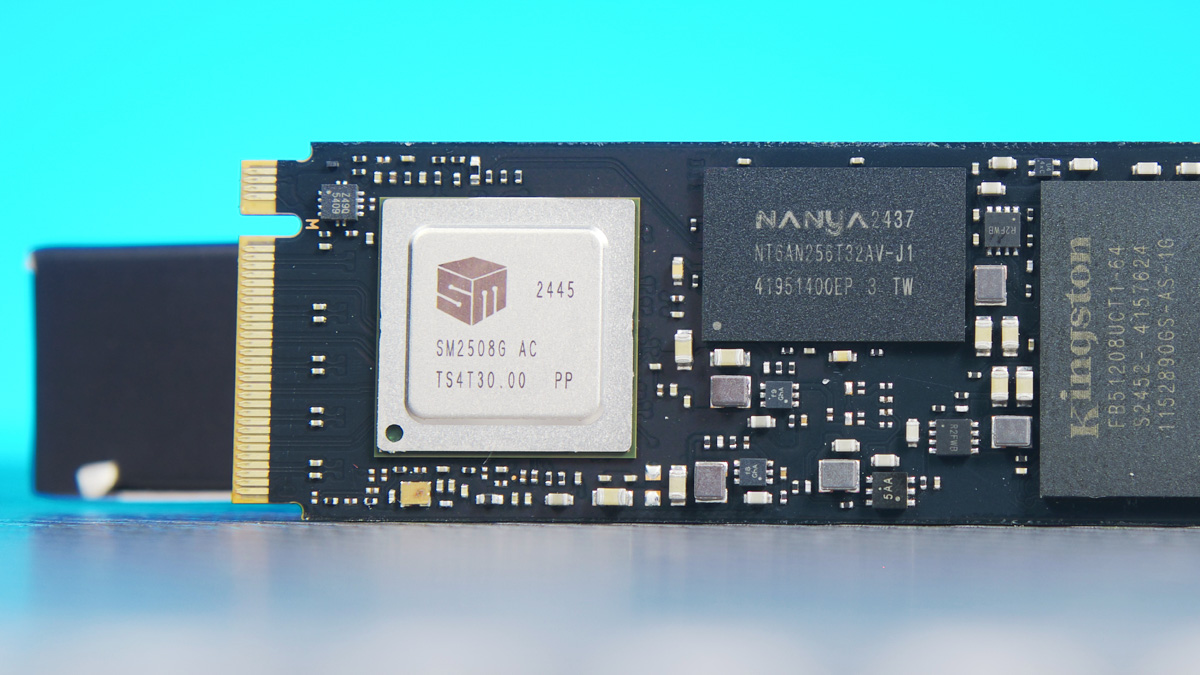
The SM2508 controller is built around a quad-core ARM Cortex-R8 architecture. It supports eight NAND channels with speeds up to 3600 MT/s, along with features like hardware encryption and RAID support. According to specifications, its power consumption under load is up to 3.5 watts, which is relatively efficient for a PCIe 5.0 drive.
That 3.5 watts refers only to the controller itself. The total power consumption of the Kingston Renegade G5 SSD under load can reach up to 7.5 watts.
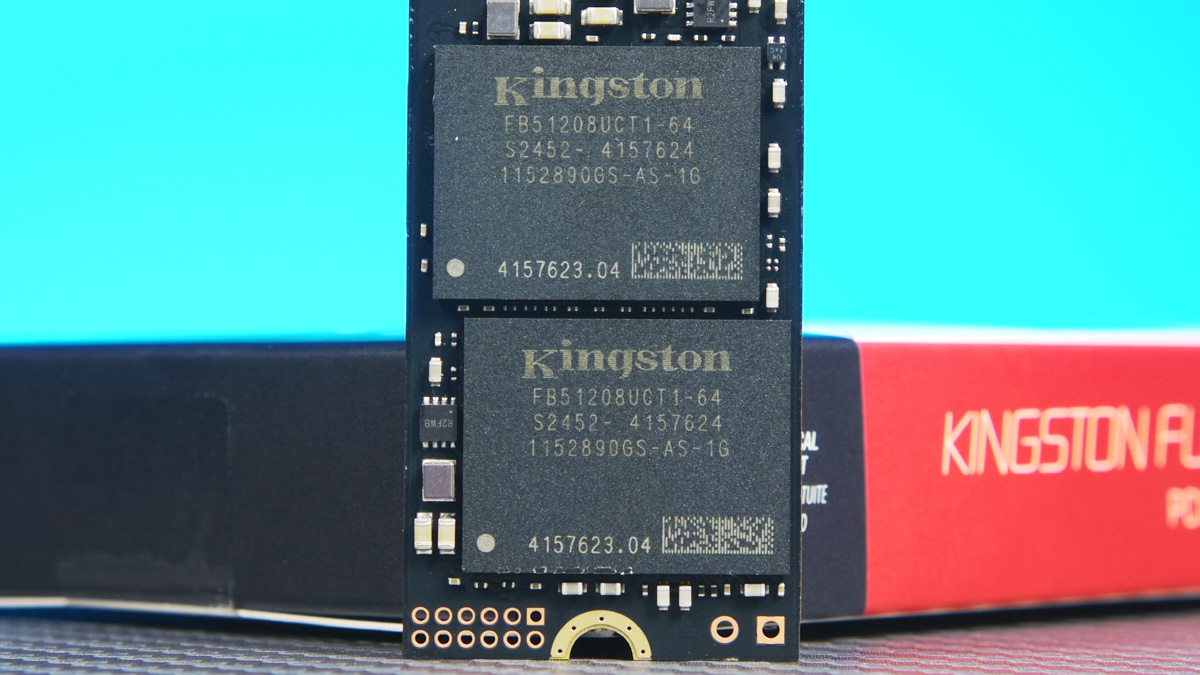
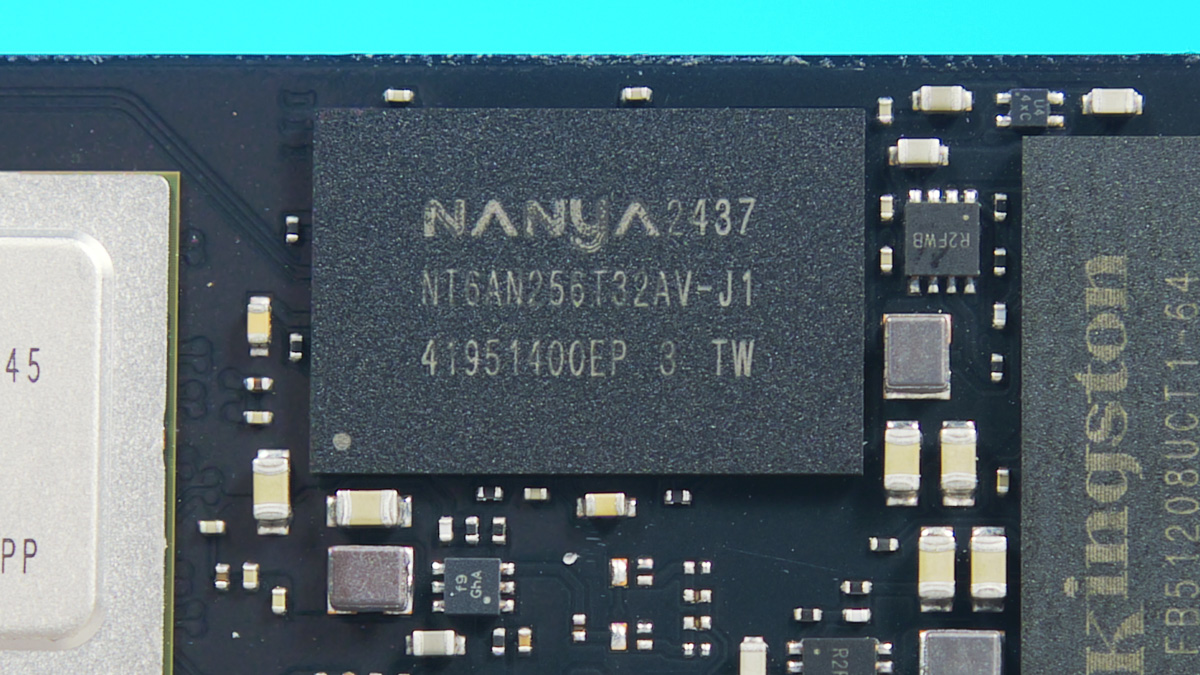
The controller also supports DRAM with ECC, and in the case of the Renegade G5, this is implemented via an 8 Gbit LPDDR4 chip from Nanya (model NT-6AN-256-T32-AV-J1). Just below it are two proprietary Kingston NAND flash chips, labeled FB-512-08-UCT1-64.
Specifications
The manufacturer’s claimed performance figures for the Renegade G5 vary depending on the drive’s capacity. For sequential speeds, the numbers range from 14 GB/s up to nearly 15 GB/s. Random performance is also impressive, with over 2,000,000 IOPS.
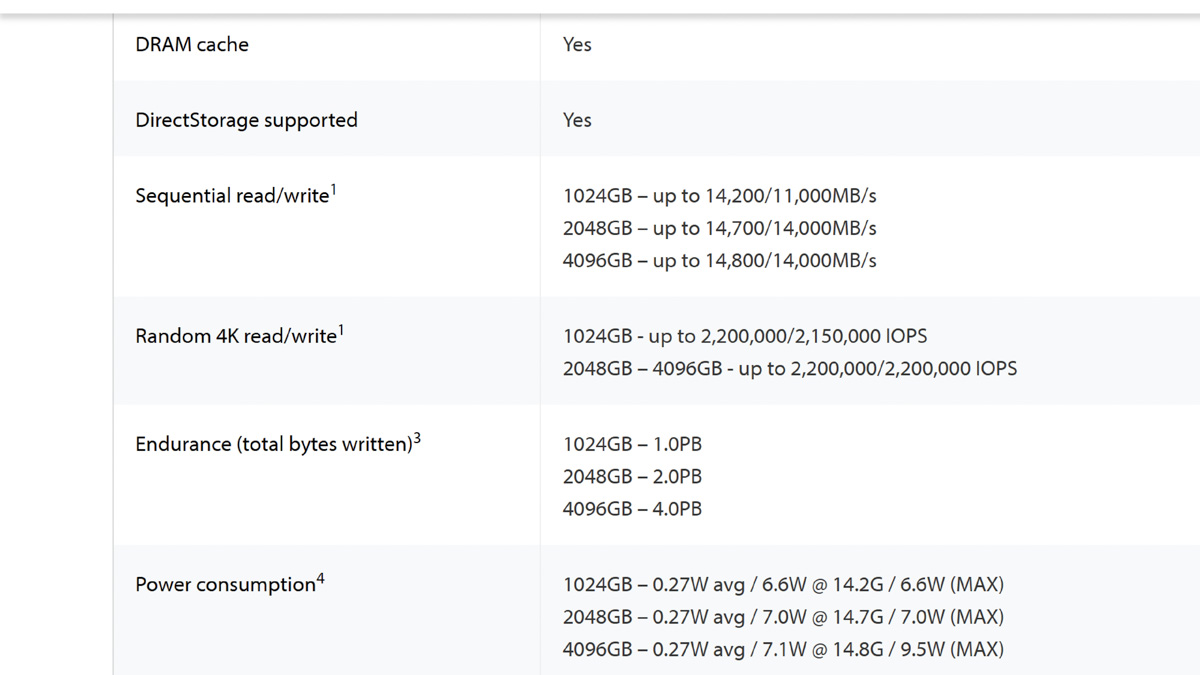
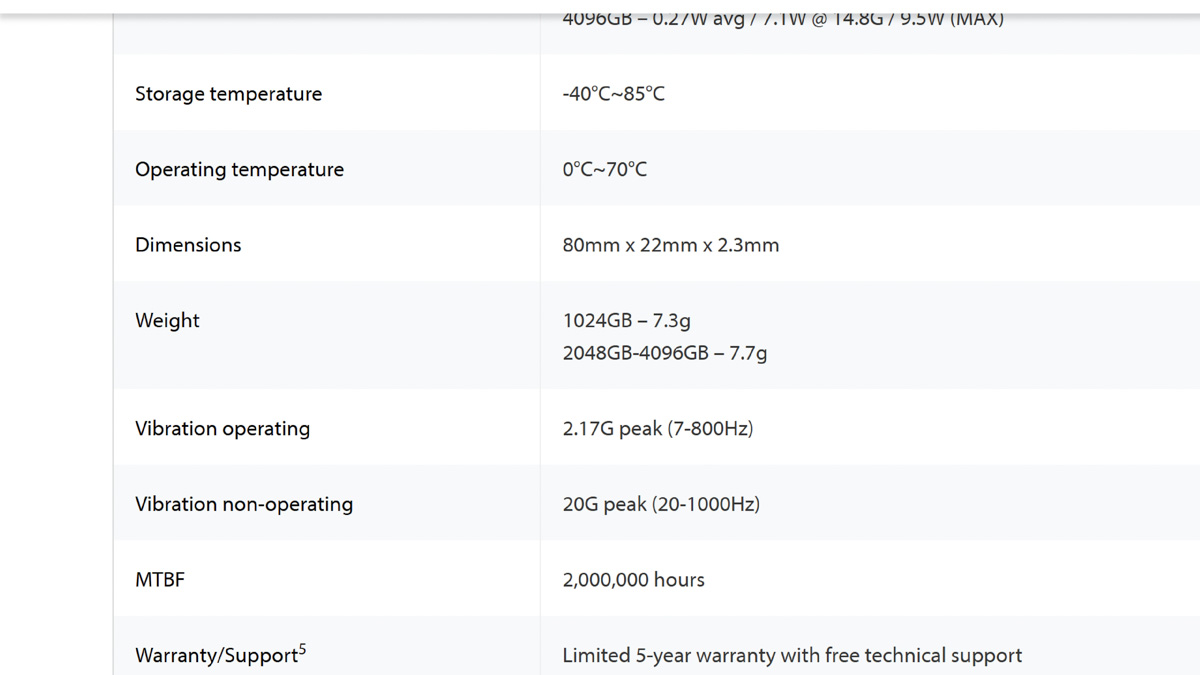
The endurance of the TWB scales directly with capacity, ranging from 1 to 4 petabytes for capacities between 1 and 4 TB. The mean time to failure is rated at 2 million hours. Storage temperature ranges from -40 to 85ºC, while operating temperature is specified between 0 and 70ºC.
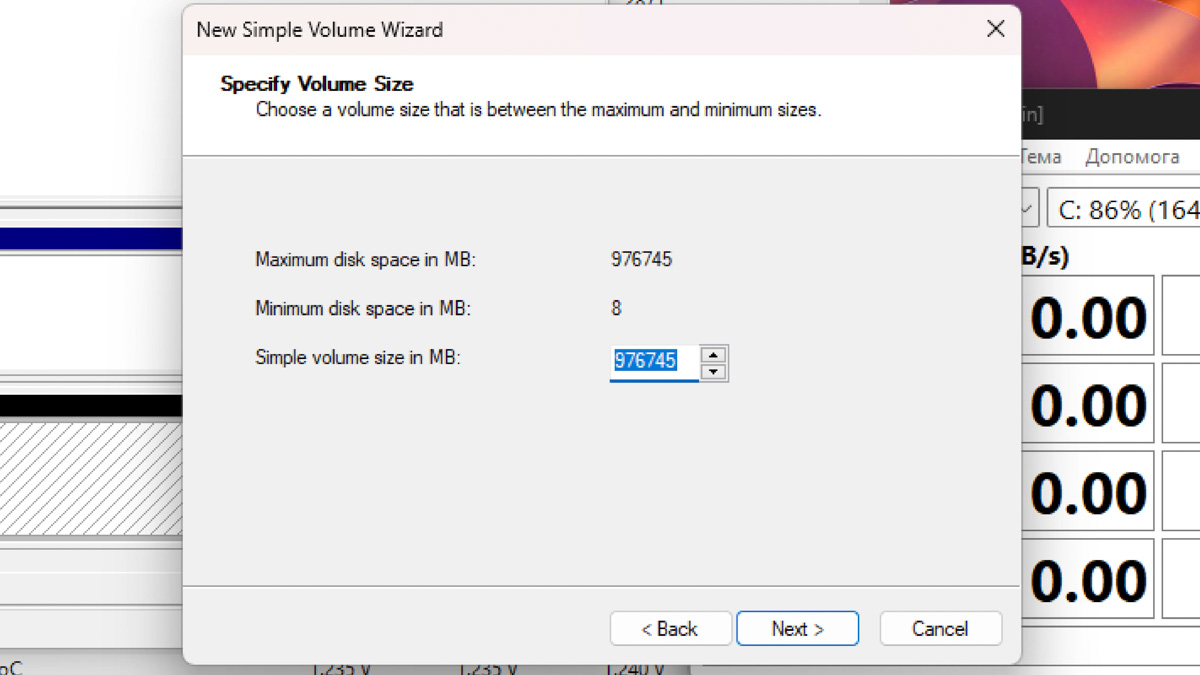
The Kingston Renegade G5 1TB was tested in the top slot of an ASUS ROG Strix B650E-E Gaming Wi-Fi motherboard, with a 63g heatsink installed. The system was powered by an AMD Ryzen 9 9900X processor and a be quiet! Power Zone 2 1000W power supply, housed in a Gorilla Custom X case made in Ukraine. After initialization, the drive shows 976 GB of available space in the system.
Kingston Renegade G5 1TB testing
Testing was done using AIDA64 and CrystalDiskMark 8. The peak speed of 14 GB/s was observed in CrystalDiskMark, with the SSD reaching temperatures up to 50°C. In AIDA64, rather than focusing on raw speed – which the program reports inconsistently – I evaluated performance and cache capacity. The only significant performance drop occurred during linear writes around 400 GB, where speeds fell sharply from 11 GB/s to about 1.1 GB/s. Otherwise, the performance graphs remained noticeably stable throughout the tests.

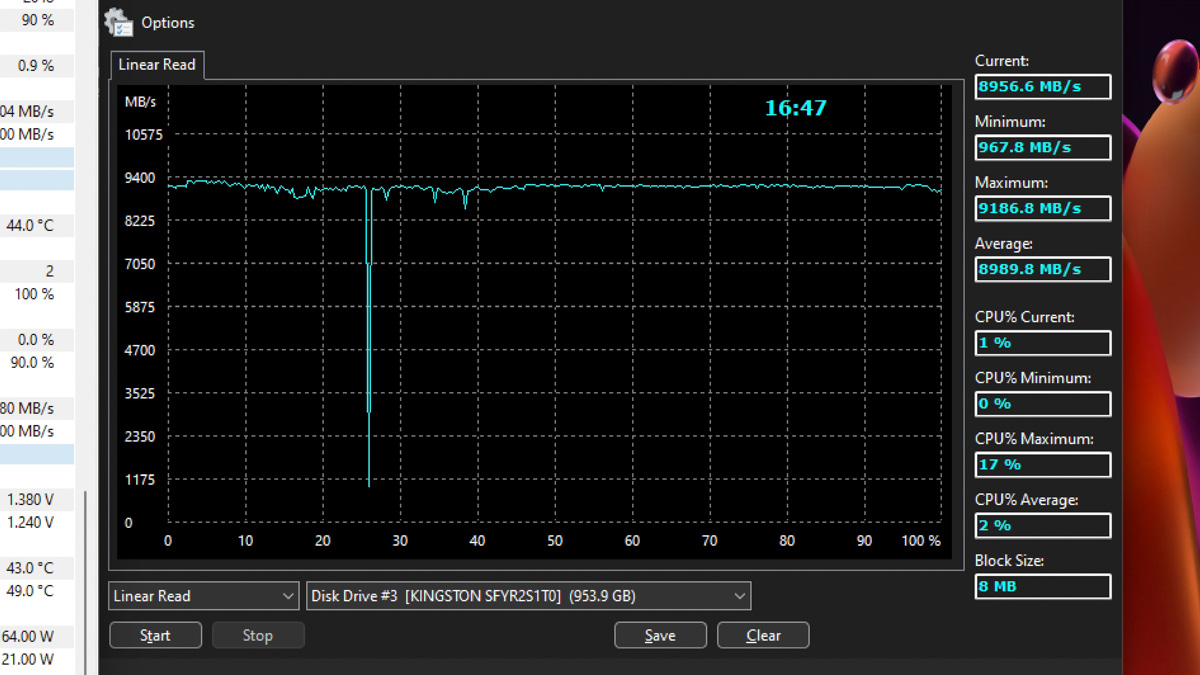
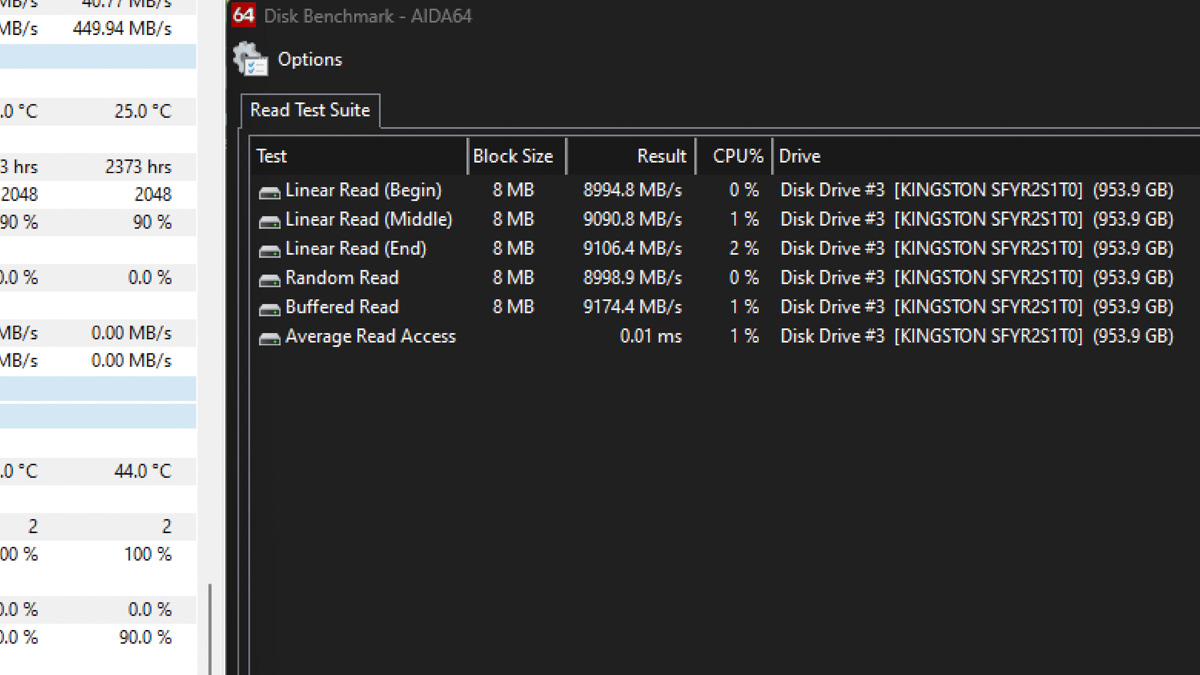
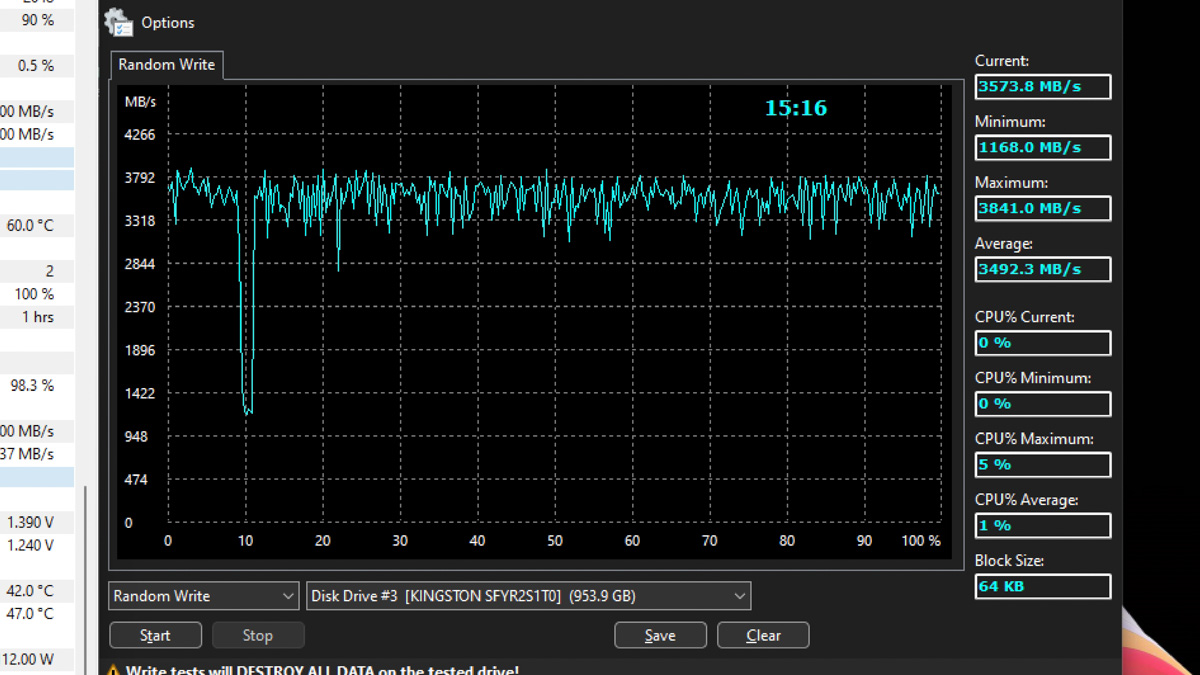
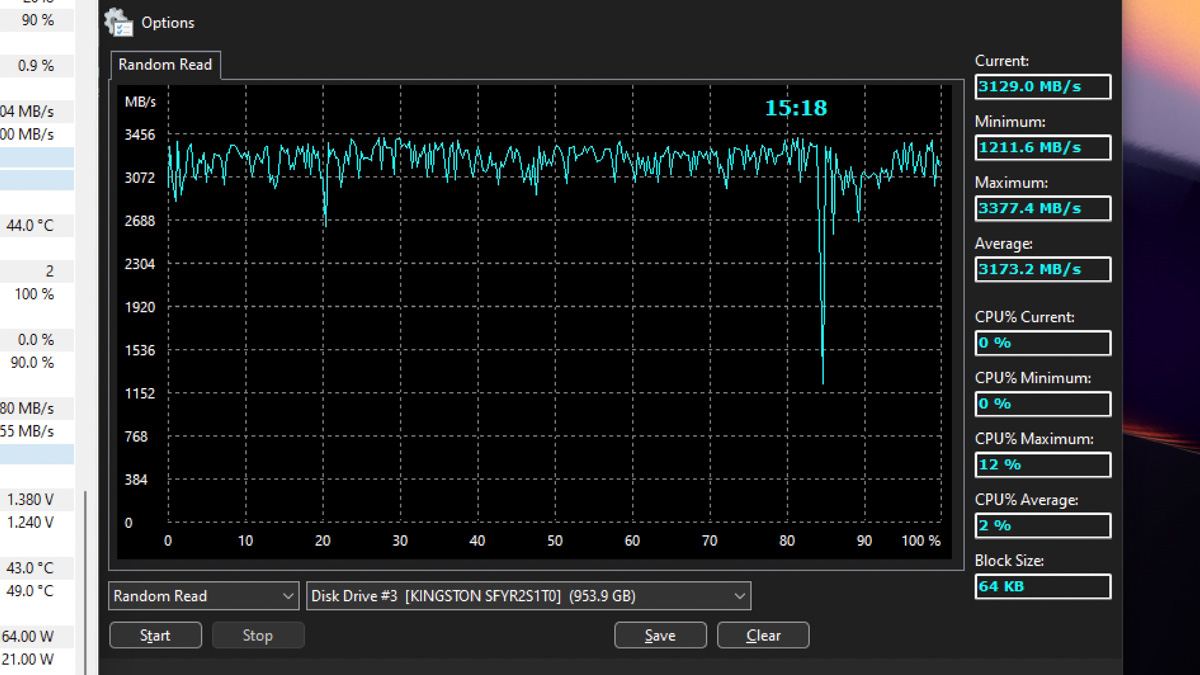
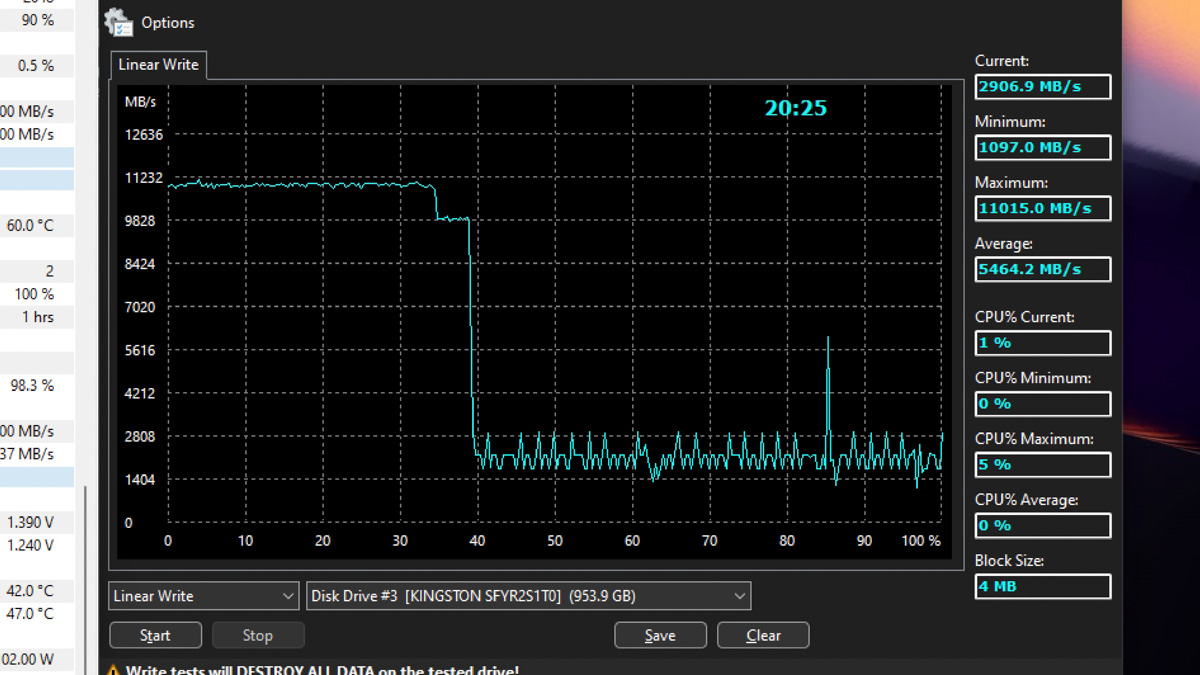
And the key point – look at the temperatures. The peak reached 60°C. This was under a heatsink, but without any active cooling during a full-capacity stress test. This highlights the main advantage I mentioned earlier: the Silicon Motion SM2508 controller, unlike the first-generation PCIe 5 models, runs much cooler and is easier to keep cool. That means the SSD is unlikely to overheat under normal conditions.
Conclusions
Yes, it’s pricey. But it stays cool. So if you’re building a high-end gaming PC or a top-tier workstation handling tasks like 10 streams of BRAW video, the Kingston Renegade G5 1TB is a solid choice. For the latter, I’d even recommend the 4TB version. But that’s a different story altogether.
Read also:
- ASUS TUF RX 7900 XT 16GB Review: 5 Key Facts and a Full Set of Benchmarks
- ID-Cooling FX280 Pro SE Review: Efficient Liquid Cooling System
- Kingston XS1000R 2TB External SSD Review
- Kingston NV3 SSD Review: A Claim to Perfection?
Where to buy Kingston Renegade G5 1TB