
© ROOT-NATION.com - Use of content is permitted with a backlink.
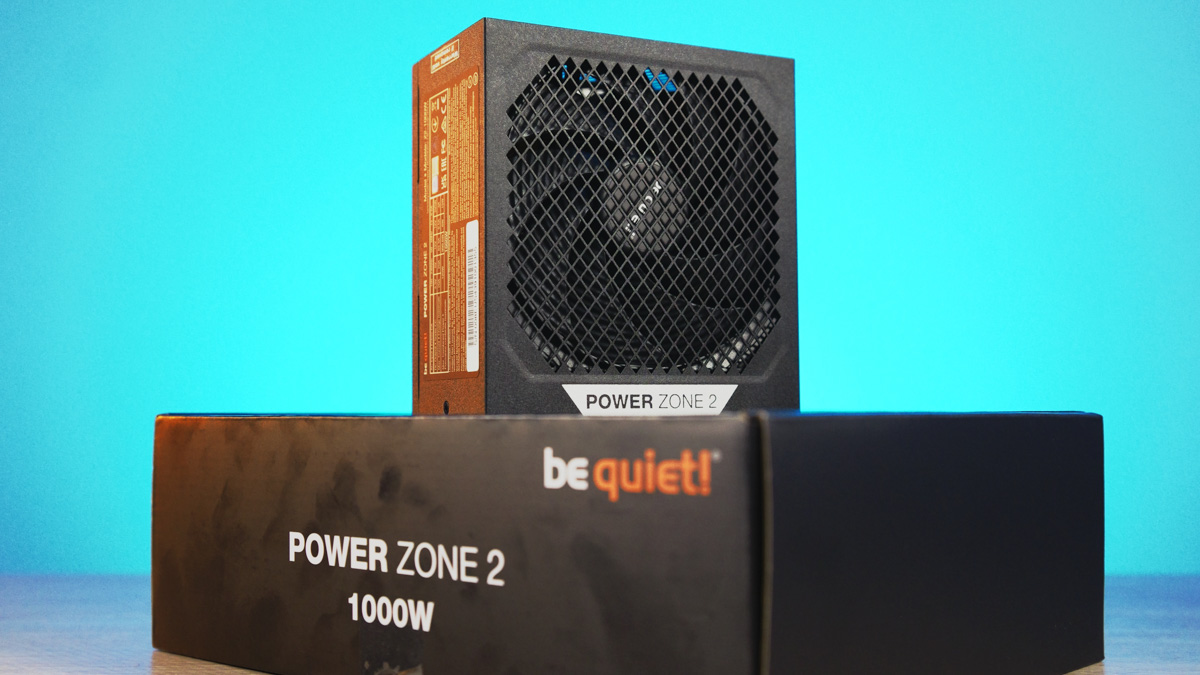
My review of the be quiet! Power Zone 2 1000W will be relatively brief – because this power supply is far more important than just a collection of specs, price tags, and features. In fact, it’s one of the most significant PSUs the company has released. Why? There are three main reasons.
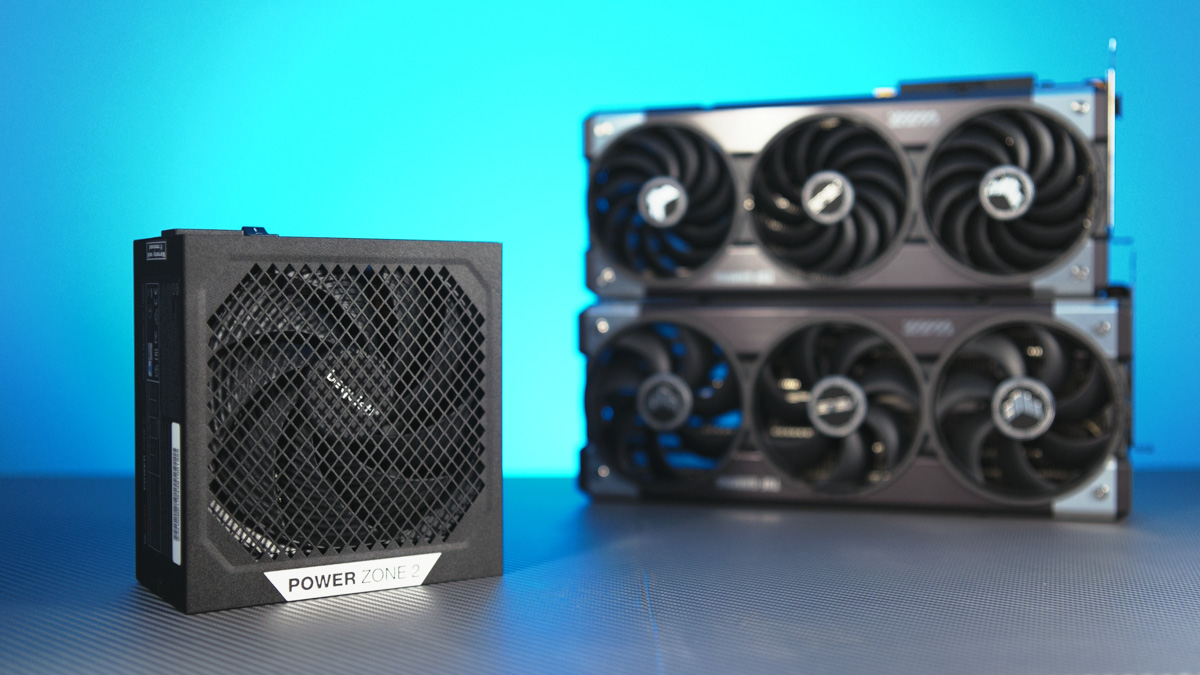
TABLE OF CONTENTS:
be quiet! power Zone 2 1000W specifications
- Rated power: 1000 W
- Peak power: 1070 W
- LLC+SR+DC/DC topology
- Input voltage: 100 – 240 V
- Frequency range: 50-60 Hz
- Current at rated voltage: 13 / 6.5 A
- Power factor at 100% load: >0.98
- Power consumption in standby mode: <0.18 W
- Average operating time (25 °C): >100,000 hours
- Operating temperature: up to 40 °C
- Certification: 80Plus Platinum
- Efficiency, 50% load: 94%
- Efficiency, 100% load: 92.6%
- Fan: be quiet! Pure Wings 3 140 mm
- Dimensions without cables: 160×150×86 mm
- Weight: 2.82 kg
be quiet! power Zone 2 1000W video review
Price and noise
First reason: This power supply is both modular and positioned as a premium product. Its official price is $210, though due to demand it often sells for around $218 – where it’s available – for the 1000W version. On top of that, it’s not only certified 80Plus Platinum but also features a semi-passive cooling system.
If the load on the PSU stays under 50% – that is, up to 500W – the 140mm Pure Wings 3 fan won’t even spin up. That said, the official graph still shows some level of noise even under that load.
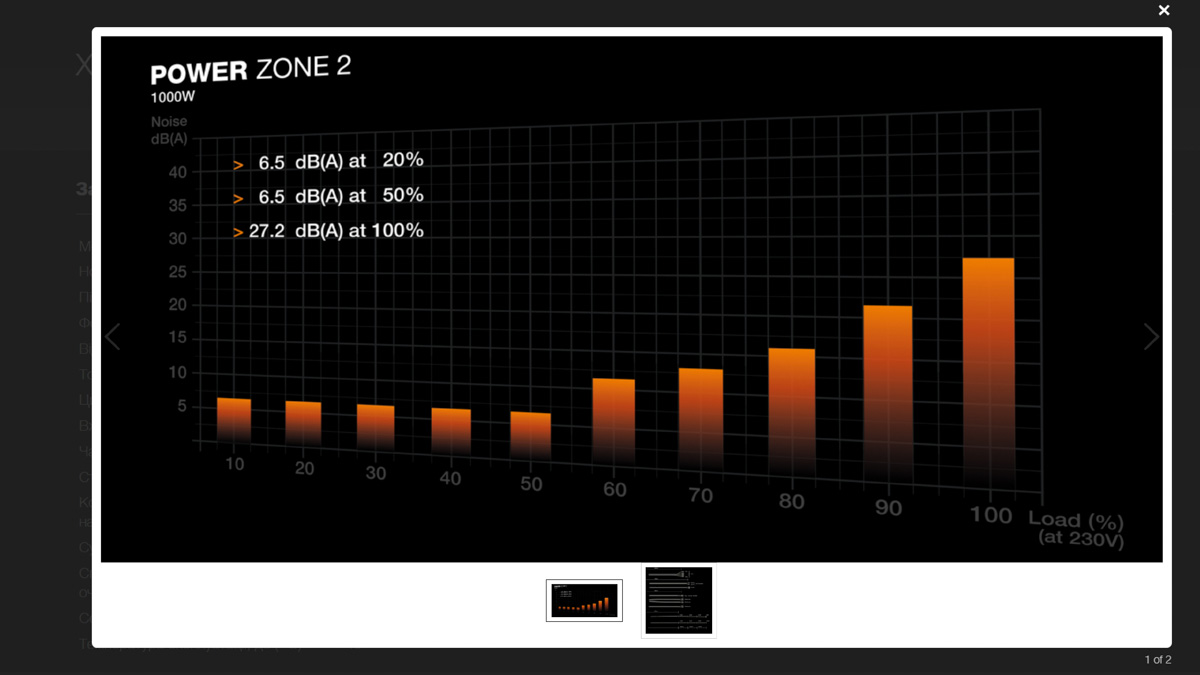
BUT! First of all, that noise comes from the internal components, because the be quiet! Power Zone 2 1000W – like any other power supply – is essentially a transformer. And transformers hum. Second, the actual noise level from this transformer is… up to 7 dBA.
With typical ambient noise levels around 20 dBA in an average room, you simply won’t notice it. You’d need a controlled, lab-like environment for this to even register as an issue.
Versatility
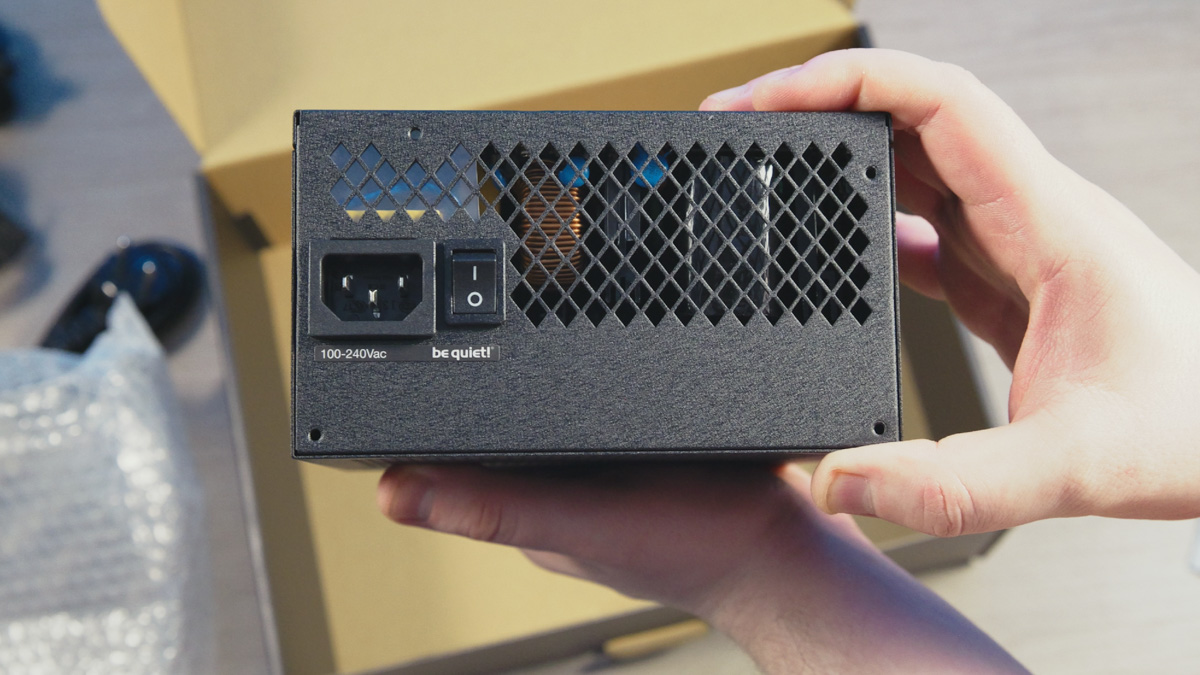
The second reason why the Power Zone 2 is particularly important lies in its physical design – specifically, the power connector. Just take a look at it next to the older Straight Power 12 1200W. First of all, the Power Zone 2 is more compact.
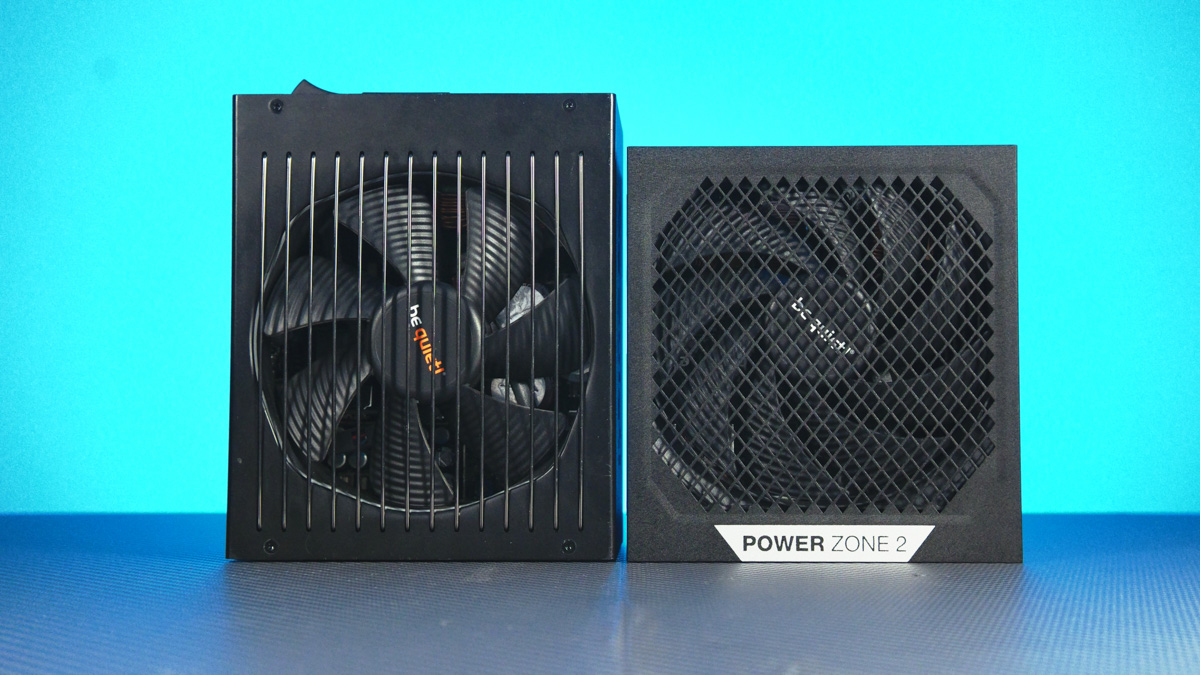
Secondly, it doesn’t require Schuko C19 connector. What does it use instead? The classic, standard C13. In fact, this is almost the only 1000W unit from be quiet! that uses a C13 – even the Dark Power 13 still relies on a C19.
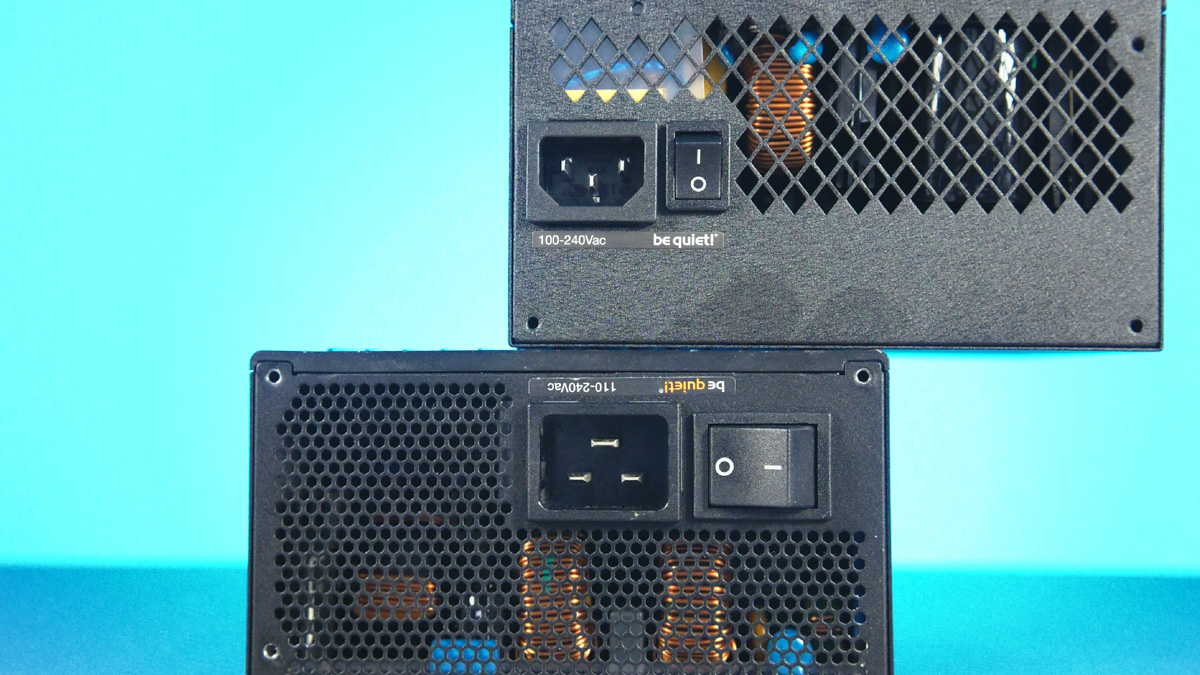
And that’s despite the fact that the Power Zone 2 is more compact – 160 × 150 × 86 mm. The Straight Power 12, by comparison, had a length of 180 mm.
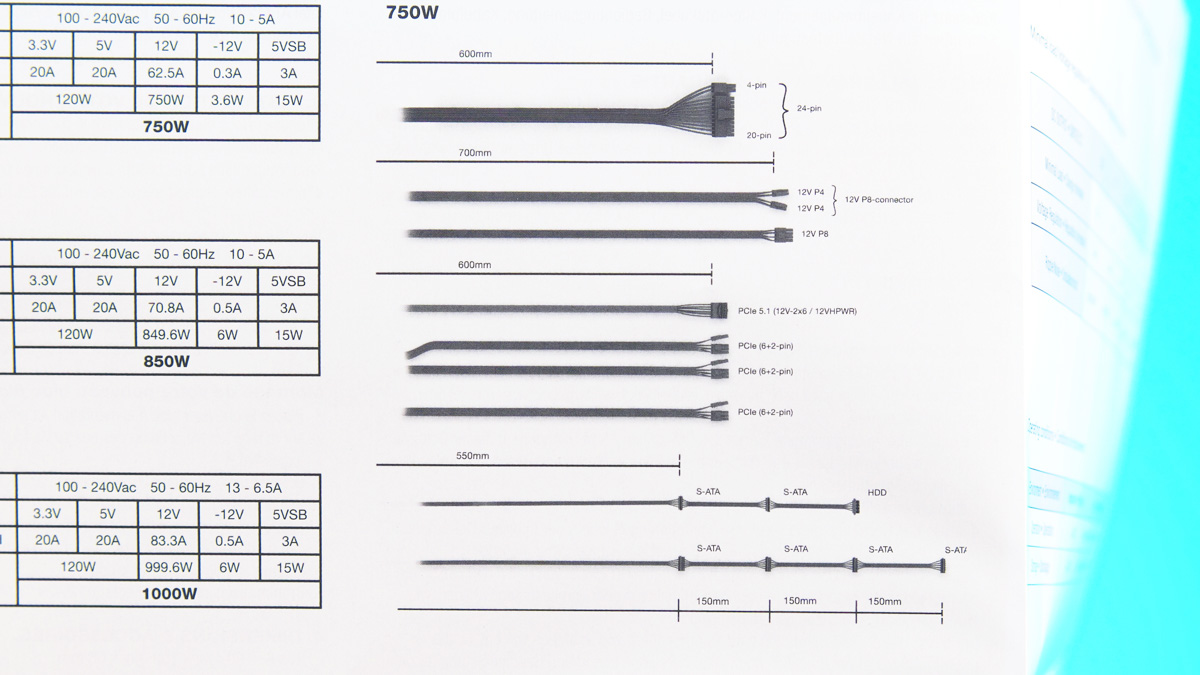
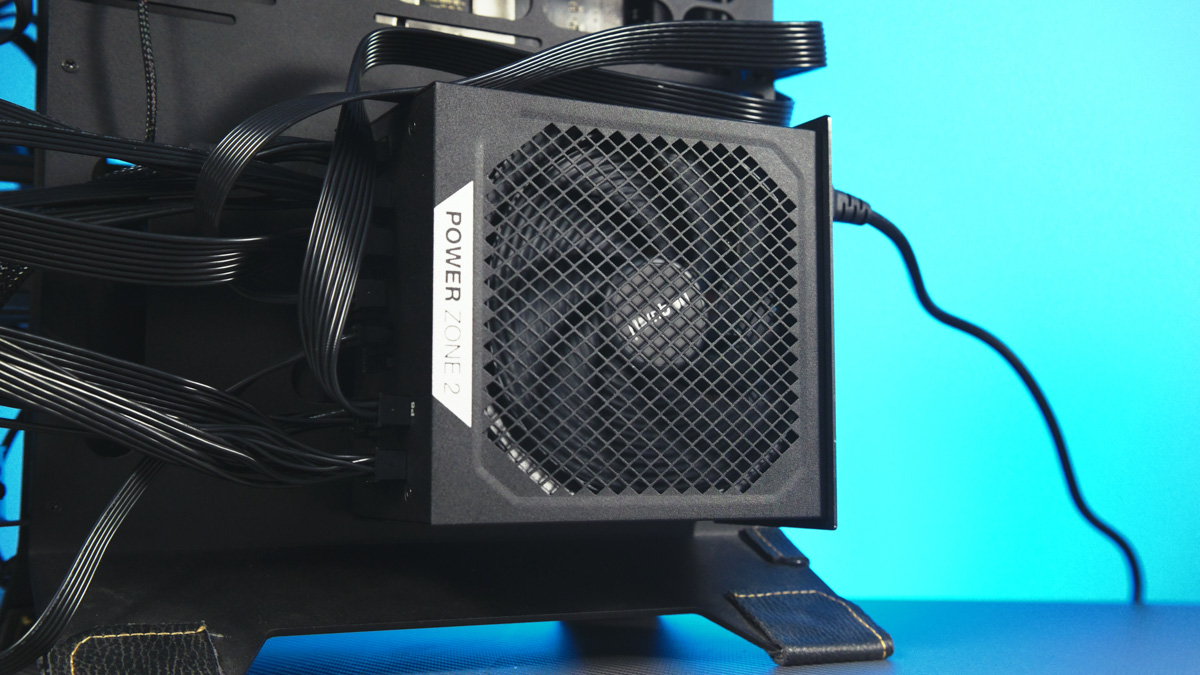
And despite its smaller size, the Power Zone 2 comes equipped with a full range of protections against virtually everything. It even includes a dedicated set of cables – three 6+2 pin connectors for standard GPUs and the latest 12V-2×6 pin, a more reliable alternative to the high-volatile 12VHPWR.
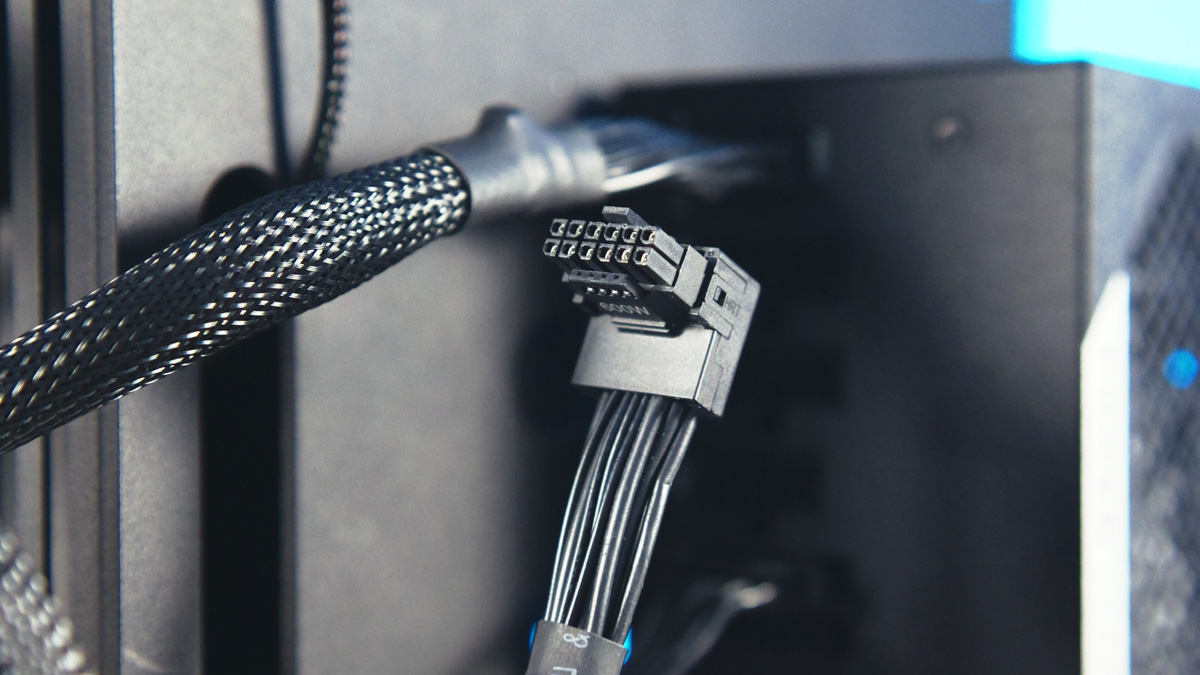
Add to that a peak power output of 1070 W, support for ATX 3.1 and PCIe 5.1 standards, a power factor reaching up to 98% at full load, an average lifespan of up to 100,000 hours at 25°C, and a 10-year warranty.
Power
Here comes the third reason. Even the most powerful consumer-level graphics cards – except for the monstrous RTX 5090 – require no more than 850 W from the power supply, with PCIe 5 support included. So why choose a 1000 W unit? For example, if you have an RTX 5080 paired with a modest processor that consumes around 150 W at most, your system’s total power draw under heavy load might stay within 500 W. In that case, your high-end gaming PC’s power supply fan might not even spin up.
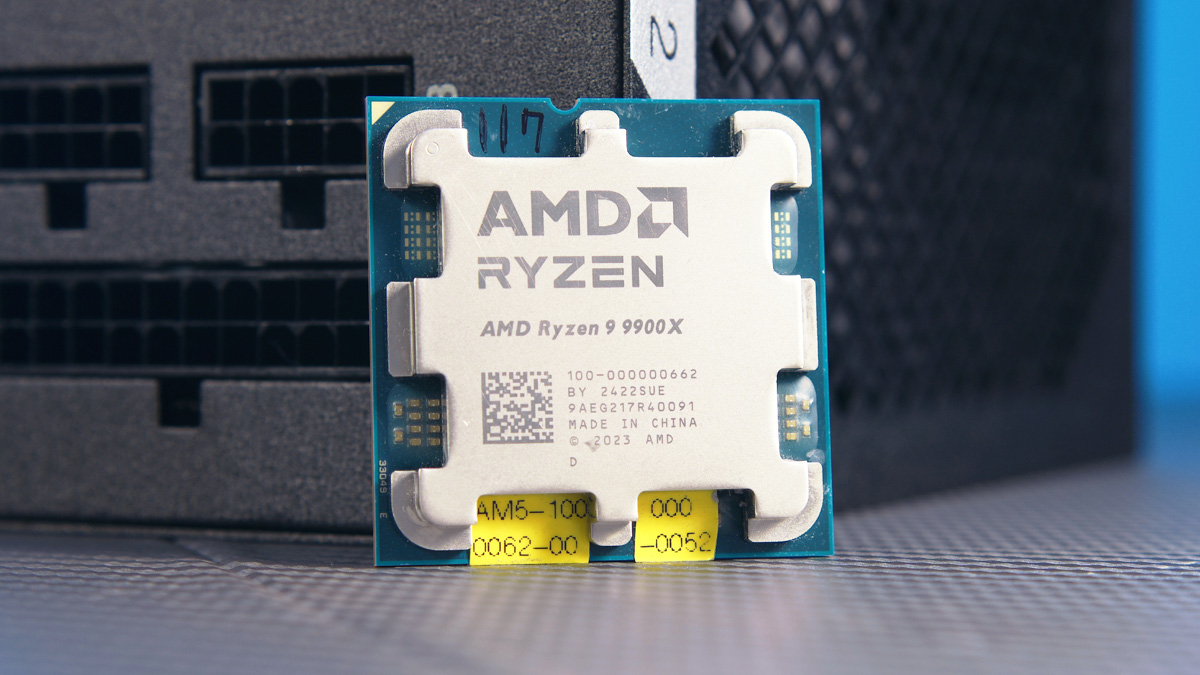
Secondly, a 1000-watt power supply allows for the simultaneous use of two graphics cards – one dedicated to AI acceleration and the other for rendering tasks. For example, using software like Lossless Scaling (which I mentioned in my RX 9070 XT review), selecting GPUs with the right amount of memory can deliver exceptionally high frame rates, far beyond what older multi-GPU setups like SLI and Crossfire could achieve.
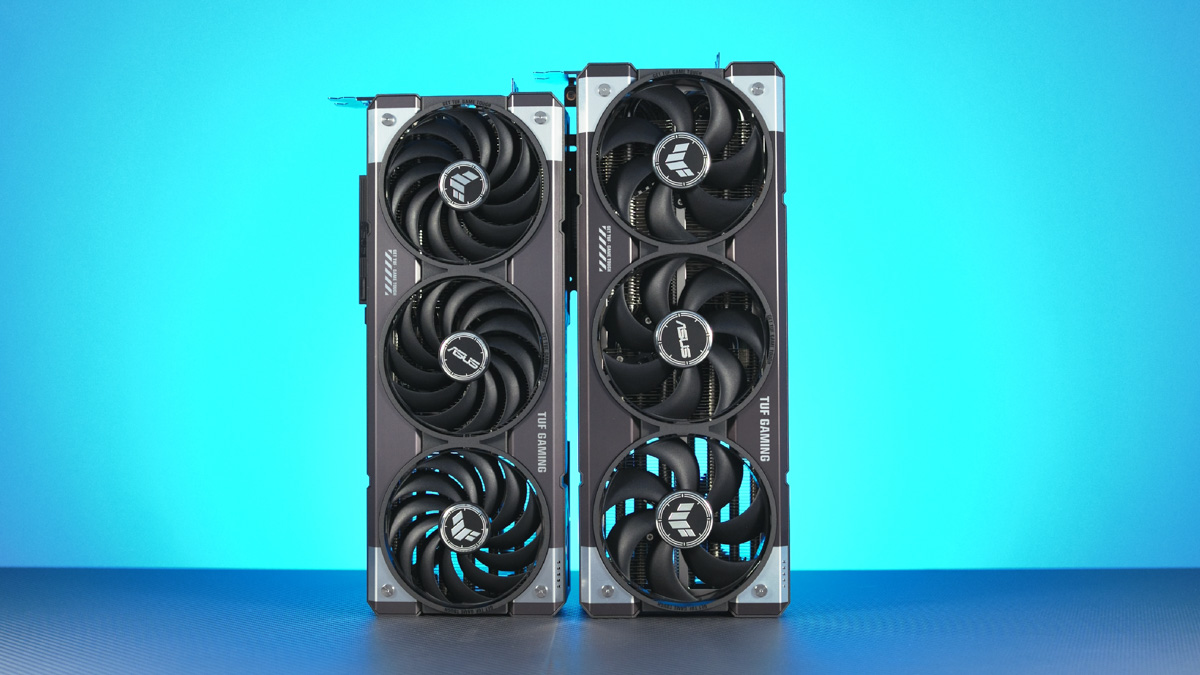
Thirdly, two graphics cards can also be used as a render device plus a PhysX accelerator, or simply to compensate for each other’s codec compatibility limitations. It’s worth noting that AMD Radeon cards have no restrictions on the number of decoding sessions. Meanwhile, NVIDIA’s approach to Radeon in professional applications like Blender remains a separate issue altogether.
Conclusions
The be quiet! power Zone 2 1000W is the company’s most significant modern power supply. It operates with remarkably low noise levels, offers solid reliability, and is more versatile compared to similar models, even within the brand’s own lineup. Its 1000-watt capacity is noticeably more practical now than it was just a year ago. So yes – it’s definitely worth considering.
Read also:
- ASUS TUF RX 7900 XT 16GB Review: 5 Key Facts and a Full Set of Benchmarks
- ID-Cooling FX280 Pro SE Review: Efficient Liquid Cooling System
- ASUS Prime RTX 5060 Ti 16GB Review: A Top Performer for the Price?