




© ROOT-NATION.com - Use of content is permitted with a backlink.
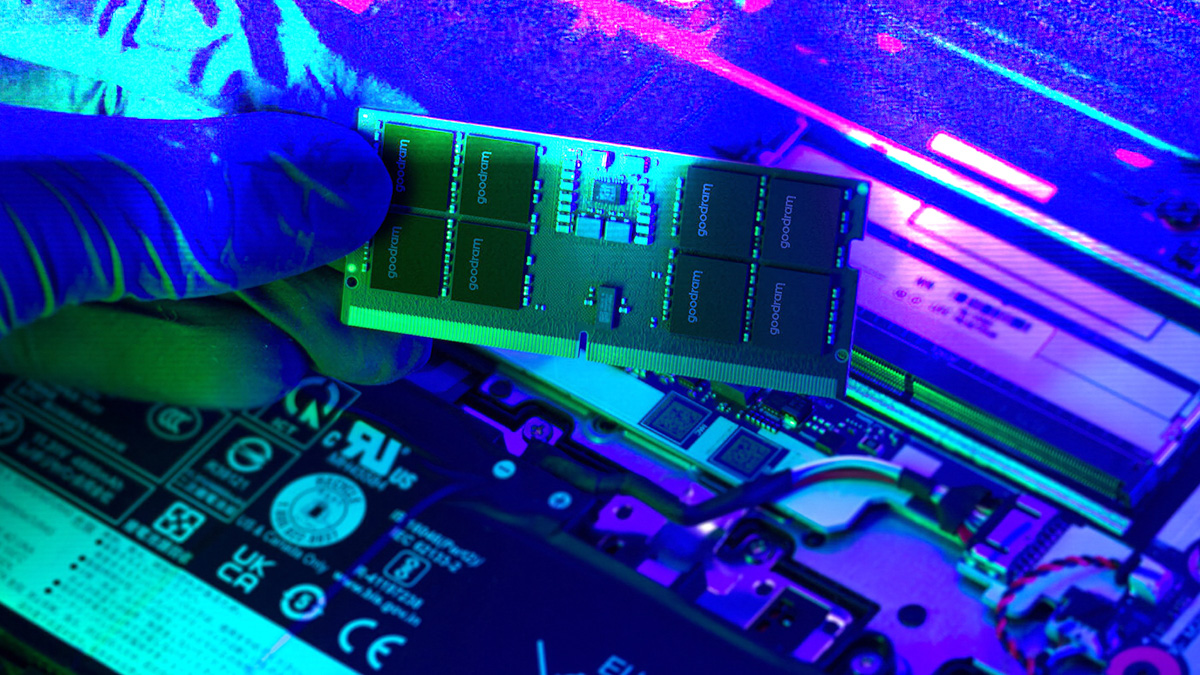
This brief but relevant piece examines what is happening with system memory – specifically, with its pricing. At the moment I was waiting for new RAM for my laptop, I checked current listings and the numbers were unexpectedly high. For example, the widely used IRDM DDR5 2×16 GB 6000 MT/s CL30 kit increased in price by almost $80 over the course of a single month.
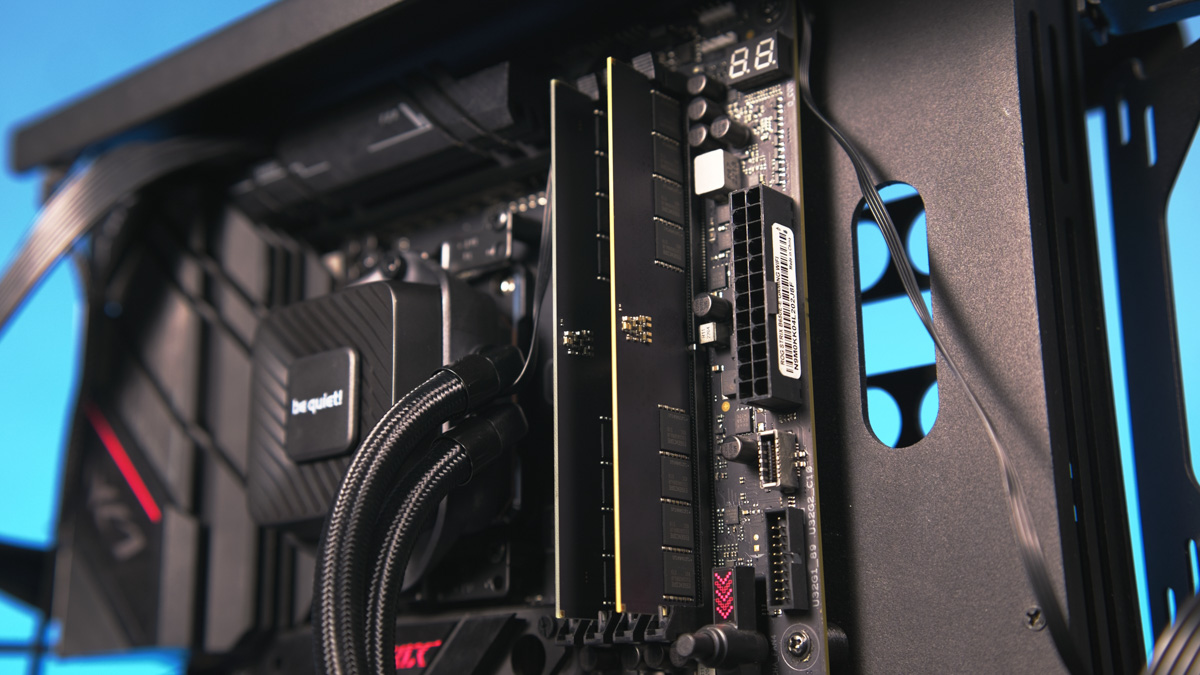
And no, the reason is not the exchange rate. The underlying issue is that memory chips themselves have become more expensive – by roughly 30%. This increase is nearly universal across major suppliers such as Samsung, Hynix and Kioxia. As a result, both DRAM modules and SSDs have risen in price.
TABLE OF CONTENTS:
Video about DDR4/DDR5 prices from Goodram
Historical examples
A similar situation occurred with graphics cards during the mining boom, when even a mid-range RX 580 cost several times its original price. At launch it sold for about $230, but at the height of the boom even $550 was difficult to find one for, as stock disappeared immediately.
What happened
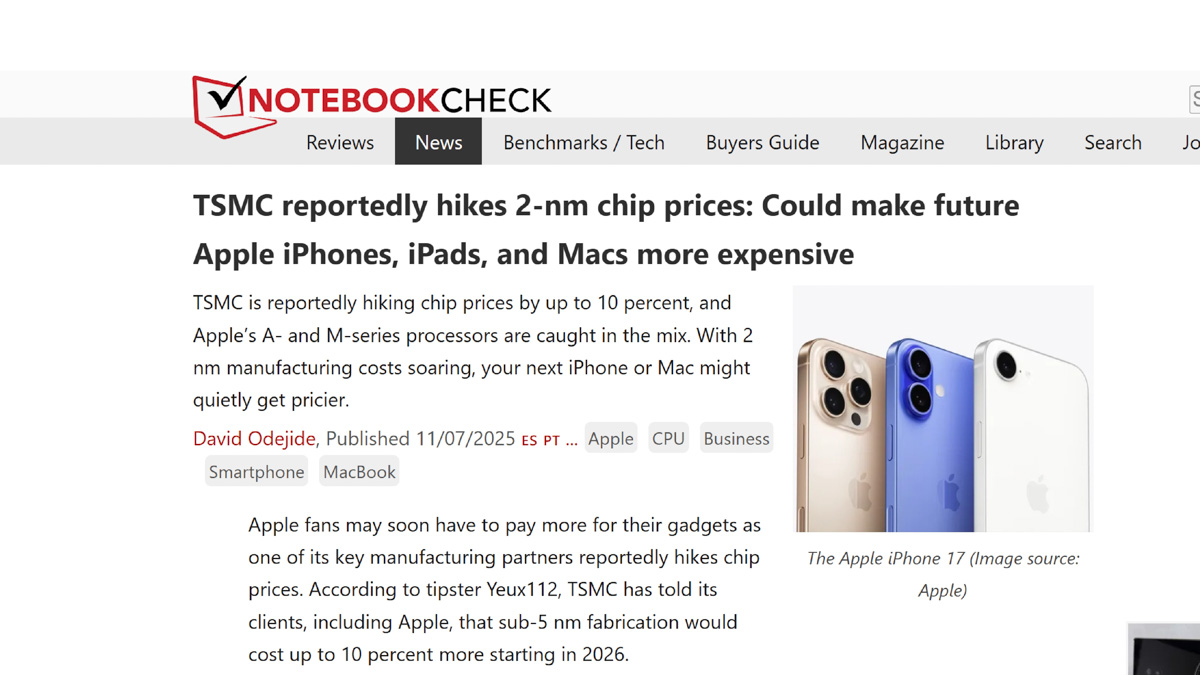
Is the situation similar today? Yes. Who is responsible? NVIDIA. Why? Artificial intelligence. The explanation is straightforward: when a company valued in the trillions demands memory chips in massive quantities, memory manufacturers prioritise those orders. The dynamic resembles the way TSMC fulfils Apple’s orders first before allocating capacity to other clients.
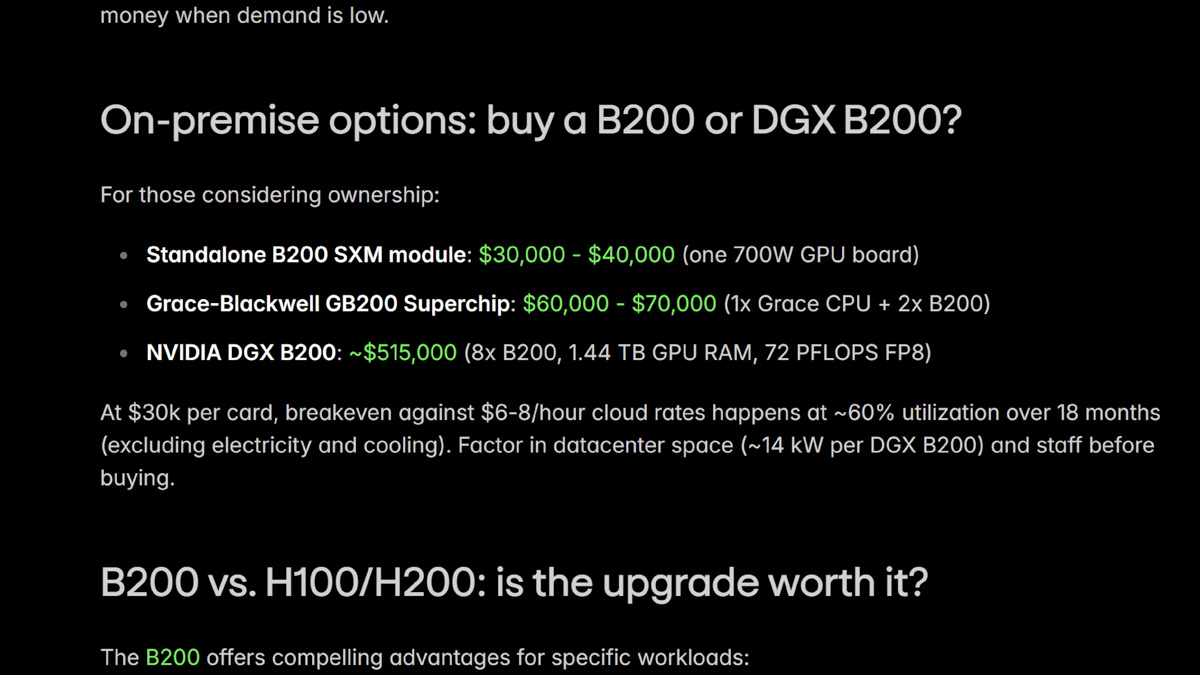
Why does NVIDIA need so much memory? In reality, it does not require all available memory – it specifically needs HBM4 (High Bandwidth Memory 4). The reason is straightforward: the H100 and B200 AI accelerators. These units are extremely high-end processors designed for large-scale artificial-intelligence workloads. The H100 can cost anywhere from roughly $50,000 to over $120,000, while a DGX B200 system reaches about half a million dollars per unit.
How popular is all of this? A simple example illustrates the scale. Think of the most recent startup or software tool you’ve seen with “AI” in its name – a smart assistant in a smartphone, for instance. In most cases, that artificial-intelligence model was trained on NVIDIA accelerators.
To put the scale in perspective: a single H100 accelerator carries 94 GB of HBM3. And while the economics are not one-to-one – HBM3 is roughly four to five times more expensive than GDDR7 – the manufacturing trade-off is easy to visualise. A memory supplier can either devote its capacity to the HBM stack for one H100, or produce the GDDR needed for about ten RTX 5090 cards, or for several dozen RX 9060 XT units.
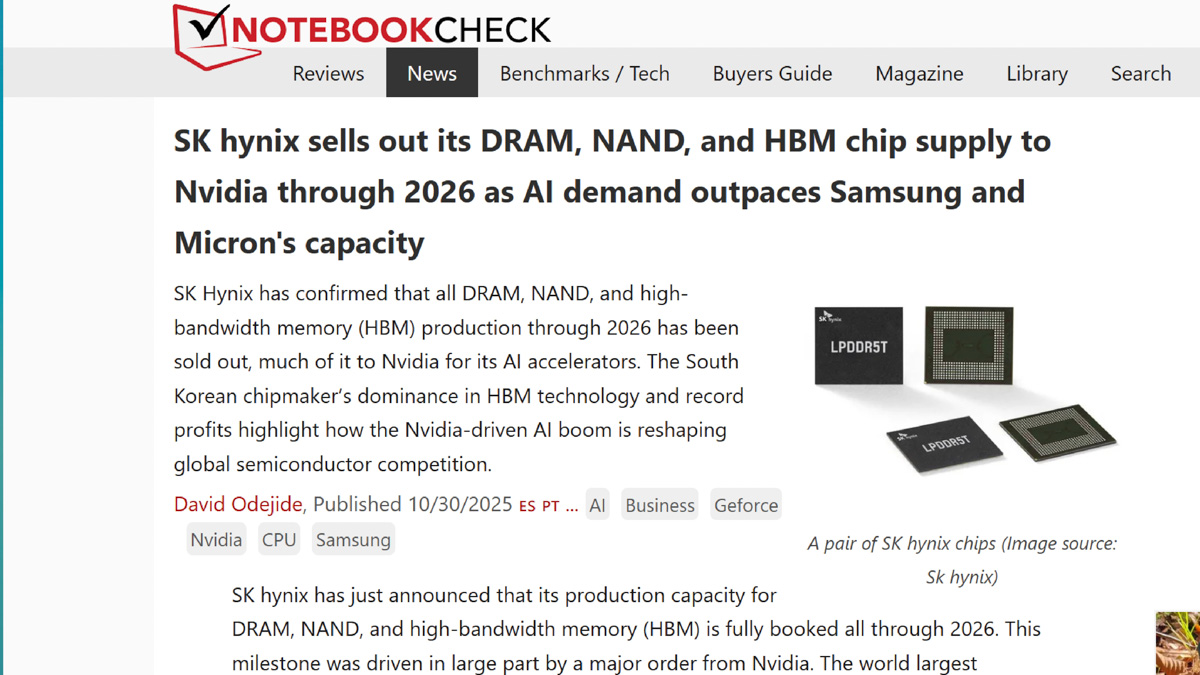
Yes, the production lines differ, but the underlying materials are largely the same, and high-quality silicon is not unlimited. NVIDIA has reserved the entire HBM supply until the end of 2026 – including memory that has not yet been manufactured. Where demand is guaranteed, supply follows, even at the expense of consumer-grade memory.
This affects the entire market. Companies such as Goodram do not produce their own chips; they assemble modules at their facility – the only one of its kind in Europe – but they still depend on chips sourced from Samsung, Kioxia and SK Hynix. These are the same plants whose capacity NVIDIA has effectively absorbed.
How to solve it?
How long will this continue? There is no clear answer. It may last until the end of 2026, or potentially longer. DDR4 offers no real refuge either – 16 GB modules have risen in price by about 75% since the summer. Will laptops or mini-PCs with soldered memory provide relief? Uncertain, but unlikely: processors such as the AMD Ryzen AI Max+ 395 are also used in AI-related workloads, which reinforces overall demand rather than easing it.
Apple may absorb the price difference for a period, as it has guaranteed stock available. This is likely to increase the popularity of products such as the Mac Mini. On the other hand, memory has historically been relatively expensive for the company, so the cost structure remains high.
Conclusions
The conclusion is as follows: Goodram is not at fault, nor are resellers, and even miners are not responsible this time. The factor affecting prices is artificial intelligence. Its increasing demand for HBM memory has had broader consequences, contributing to price increases for standard DDR4 modules as well as SSDs.
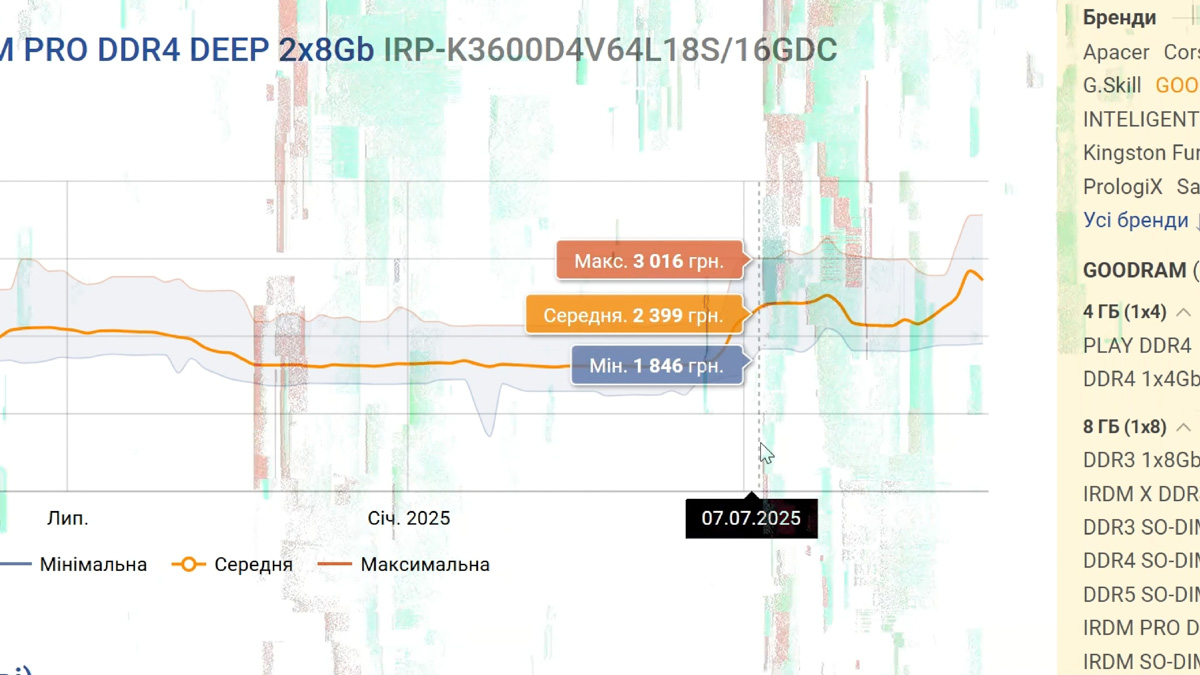
Do not be surprised if prices mentioned in my upcoming videos differ from current market values. Occasionally, I postpone releasing content for several weeks, during which prices can change significantly. As a result, even the cost of products like IRDM DDR5 2×16GB 6000 MT/s CL30 may vary.
In the comments, please share whether you have noticed any price changes, and if so, for which components – graphics cards, memory, or SSDs. Feel free to write your observations.
Read also:
- IRDM Pro Slim 4TB Review: 4TB SSD Option
- Kingston Renegade G5 1TB SSD Review – Fast and Cool Performer
- THREE Reasons Why the IRDM Black DDR5 6400 MHz 64GB is RAM for Work

