





© ROOT-NATION.com - Use of content is permitted with a backlink.
Since ASUS power supplies belong to the premium segment, I became curious about a thought experiment: what exactly drives their pricing? In other words, which combination of official ASUS features – and perhaps some less obvious ones – makes the ASUS ROG Thor 1000W Platinum III, ASUS TUF Gaming 1000W Gold and ASUS ROG Strix 1000W Platinum, cost what they do?
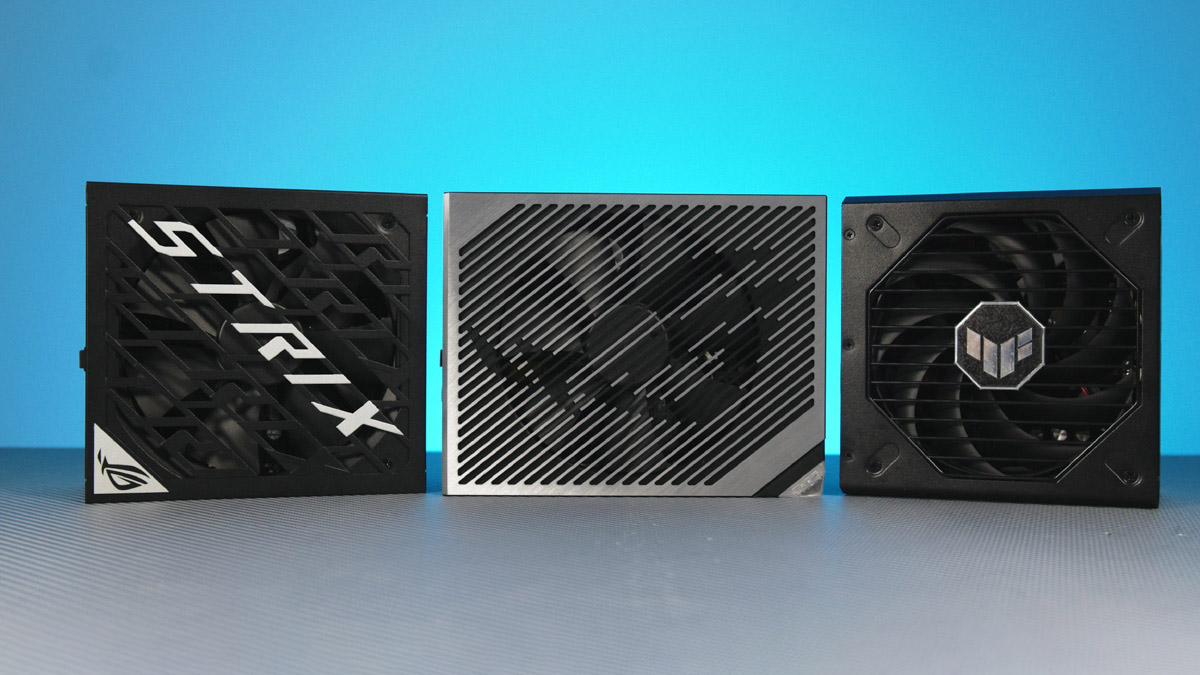
TABLE OF CONTENTS:
Video about ASUS power supplies
Price and positioning
How much exactly? The TUF model is priced at nearly $180 or €165, the ASUS ROG Strix 1000W Platinum at $260 or €227, and finally, the ASUS ROG Thor 1000W Platinum III comes in at $528 or €455.
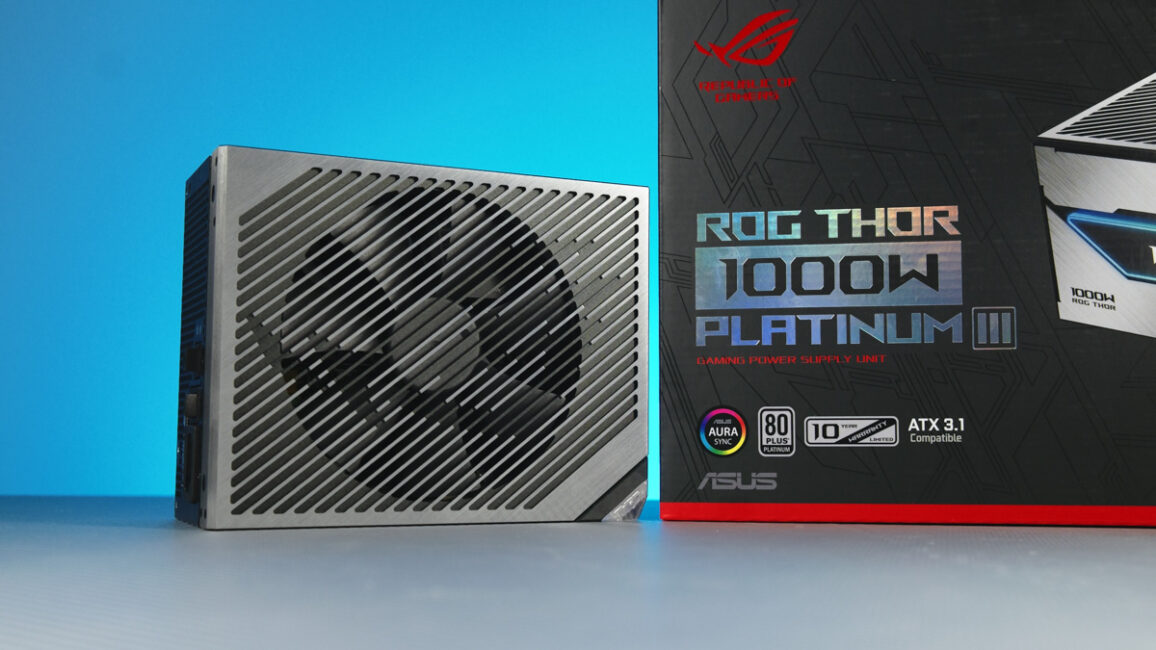
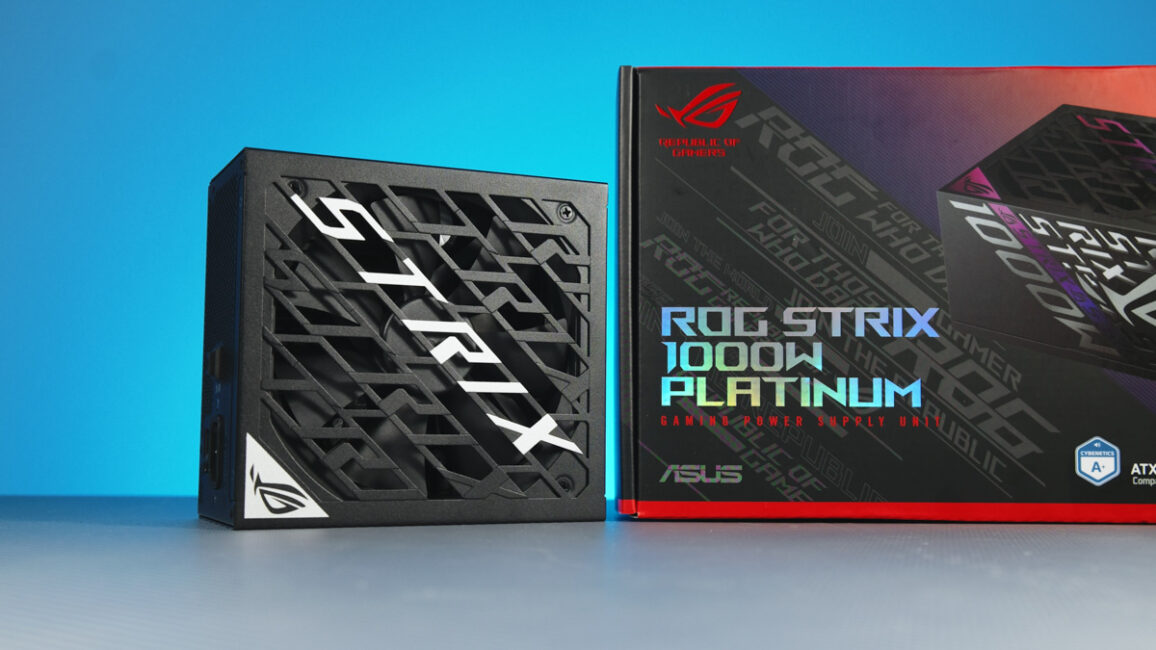
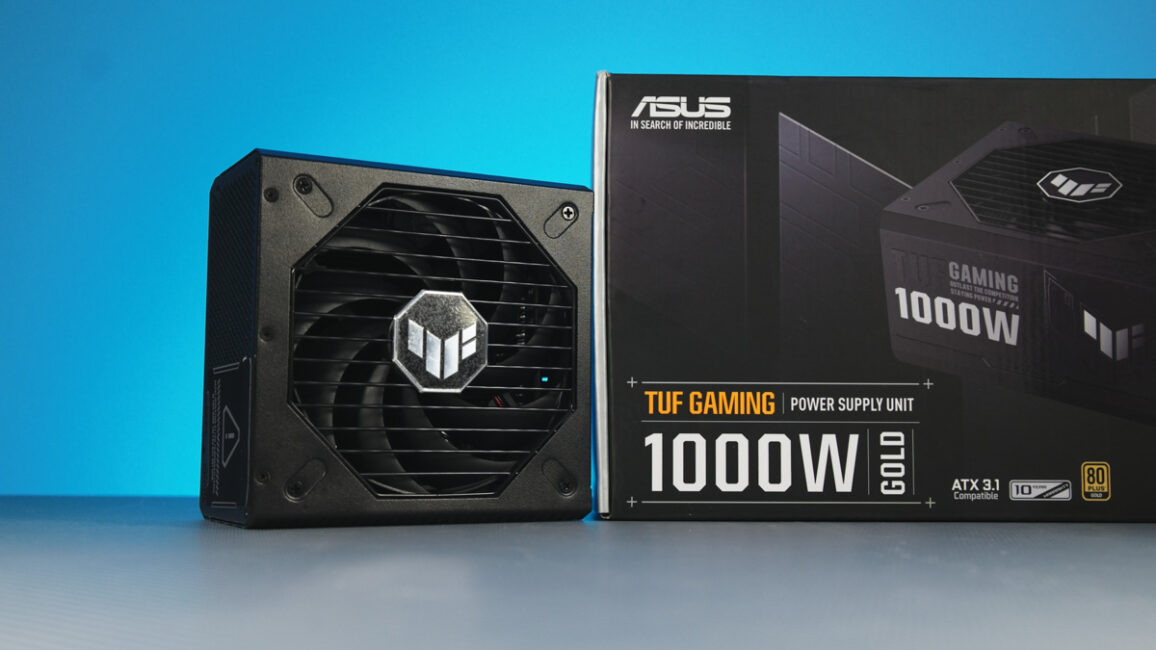
In other words, each of these power supplies can easily fit into a high-end “unicorn” PC, whether paired with an RTX 5090 or a recent AMD Threadripper. They’re also suitable for gaming AMD Ryzen X3D builds, with any remaining capacity contributing to reliability – after all, running even the best power supplies at 100% continuously doesn’t extend a computer’s lifespan.
Productivity
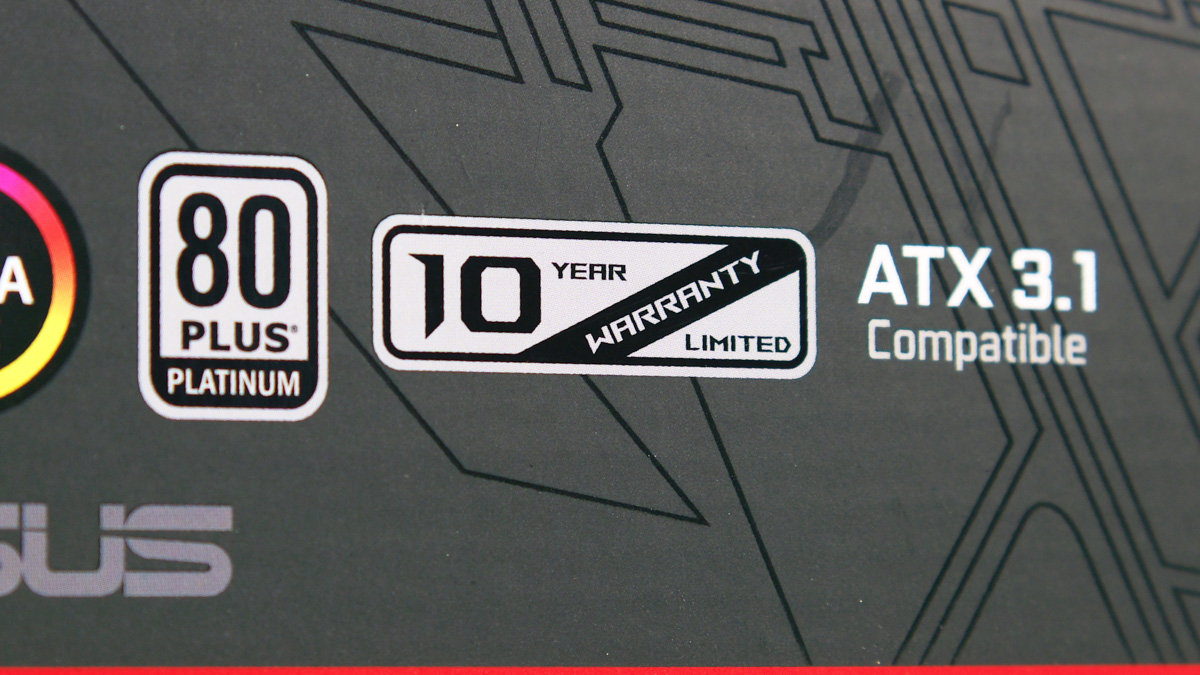
Let’s start with certification. The ASUS TUF Gaming 1000W Gold carries an 80 Plus Gold rating, while the higher-end models have 80 Plus Platinum. What does this mean? At 50% load, an 80 Plus Gold PSU operates at about 90% efficiency, whereas an 80 Plus Platinum unit reaches around 92%. There’s also Titanium, which achieves up to 94% efficiency, though those models come with even higher prices.
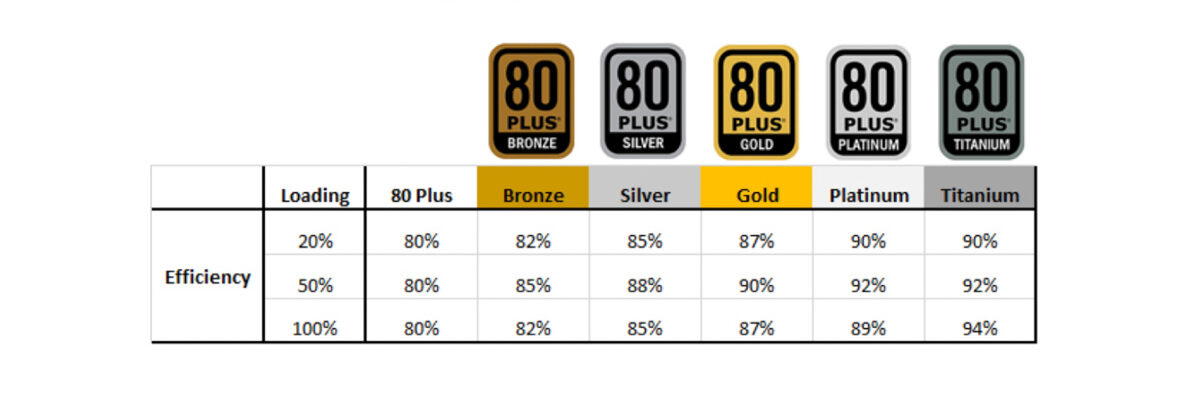
Why does this matter? Higher efficiency means less energy is lost as heat, reducing the thermal load on surrounding components and increasing the power supply’s reliability. High-quality components are expensive, which is part of why these units carry a premium price.
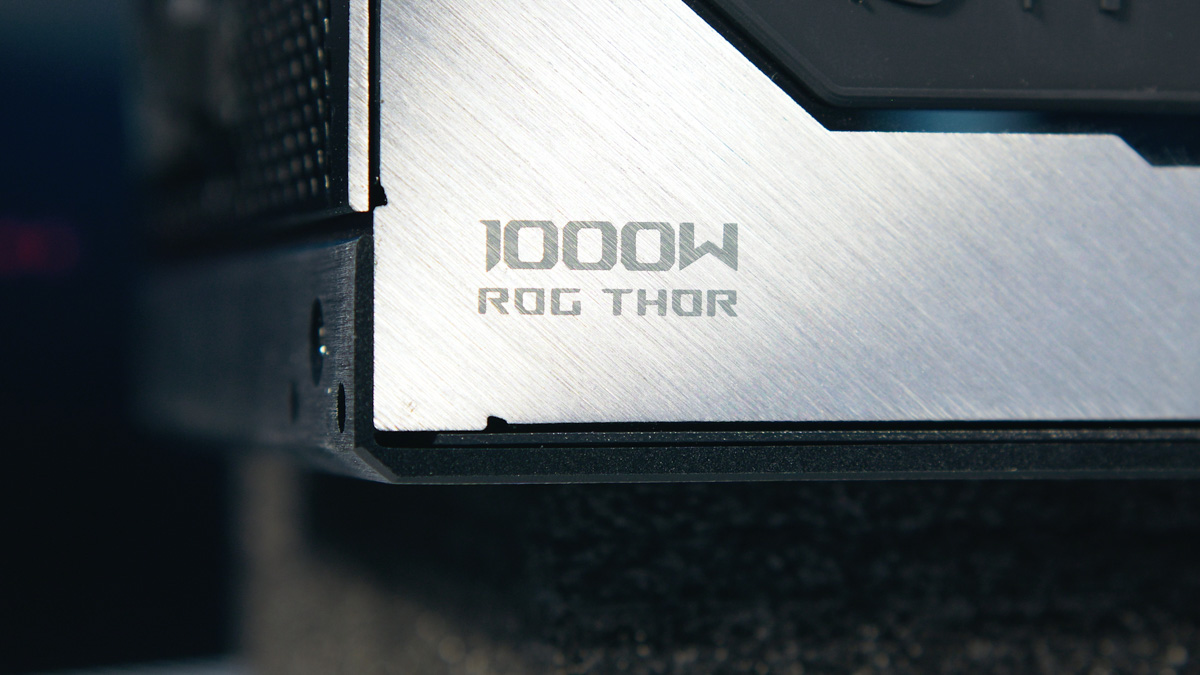
One of the advantages of premium power supplies is warranty coverage. All three ASUS units come with a 10-year warranty. With 1000W capacity, they’re more than sufficient to power a single flagship GPU – since if a card were to draw more, it could risk overheating, as seen with the Titan Ada. So, as long as your build has one CPU and one GPU, 1000W will be plenty.
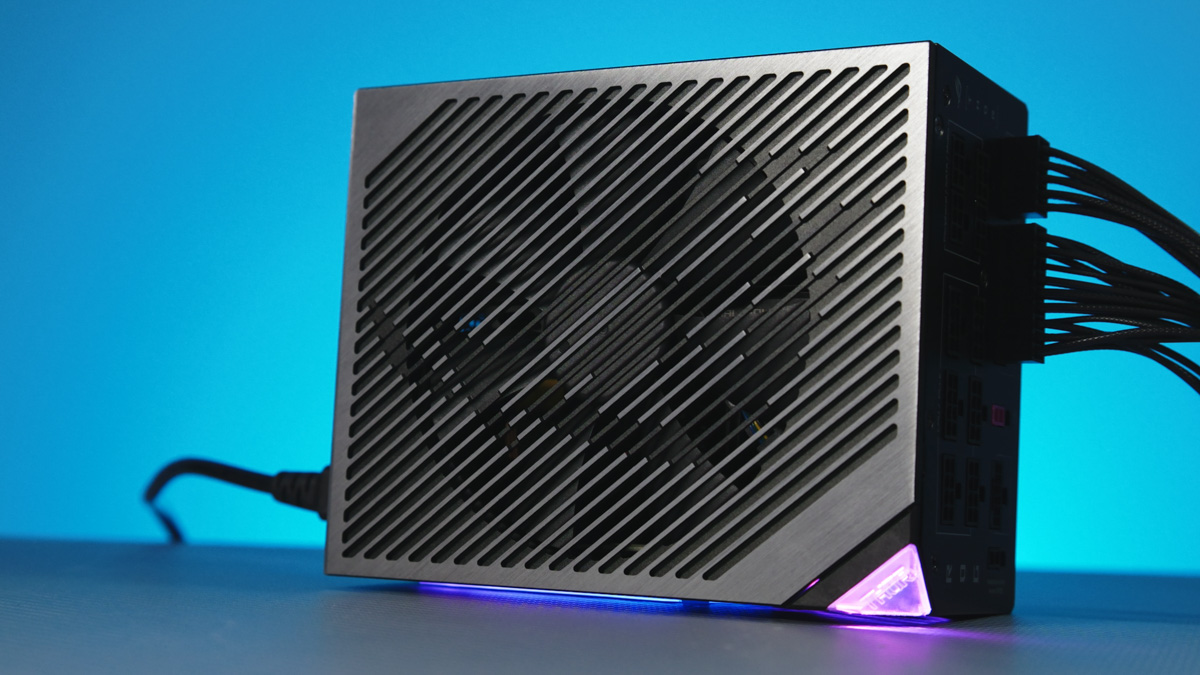
This is especially relevant if your system supports the ATX 3.1 standard. That doesn’t just mean compatibility with the 12V–2×6 connector used primarily by NVIDIA RTX Blackwell cards, like the RTX 5090. It also means that the internal components of the power supply can handle short bursts of up to 200% load. By comparison, the previous ATX 2.52 standard allowed only 130%. In practical terms, this greatly reduces the risk of power-related failures.
Operating noise
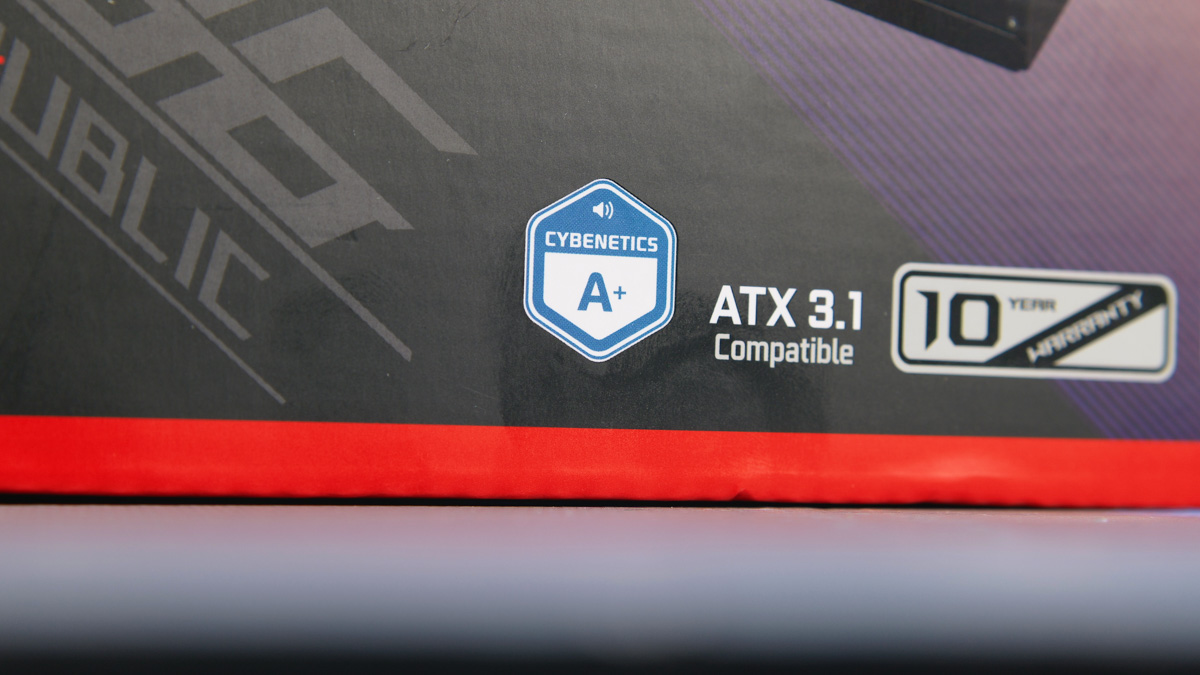
Finally, on a general note, there’s the Cybernetics A+ certification. Of the three power supplies, only the ROG Strix Platinum 1000W carries this rating. It indicates that the unit has been certified not only for energy efficiency but also for noise levels. Specifically, A+ means an operating noise of 15–20 dBA. For context, typical background noise in an apartment ranges from 20 to 23 dBA, so you can consider this PSU virtually silent.
To be precise, it can operate passively – but only under low loads. Both the Strix Platinum and ROG Thor Platinum III offer semi-passive fan operation. While the load stays under 30% – around 300W – the fan doesn’t even spin. The fans themselves are already very quiet, featuring dual ball bearings, and the less they run, the longer they last. This aligns with the 10-year warranty these units carry.
Proprietary and not-so-proprietary chips
Another reason the warranty can be so long is the use of gallium nitride (GaN) MOSFETs. This same GaN technology has recently transformed the production of chargers, charging bricks, and even power banks. GaN-based components can withstand higher temperatures and generate less heat themselves, which also allows them to handle heavier loads more reliably.
Next are ASUS-exclusive features, such as GPU First technology and the Intelligent Voltage Sensing (IVS) module. Essentially, this involves connecting certain PSU sensors directly to the GPU power cable, allowing the power supply to prioritize energy delivery to the graphics card when it demands more power.
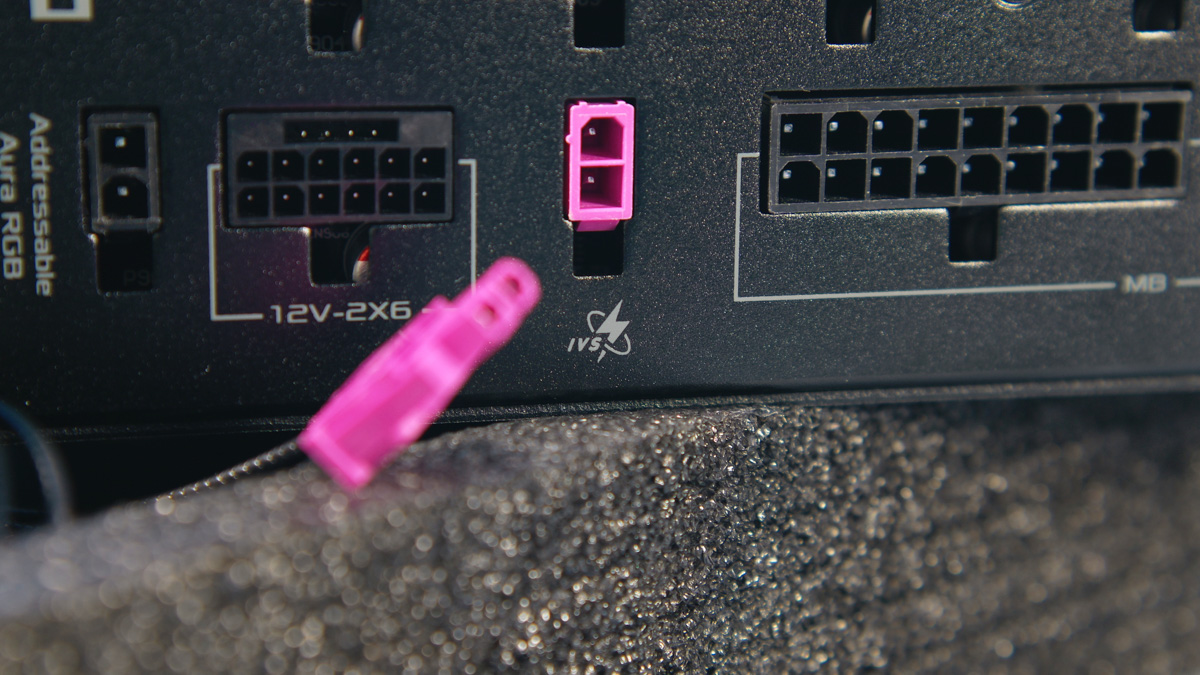
It might seem obvious, but not all power supplies work this way – many prioritize the CPU instead of the GPU. This is fine and normal for workstation PCs, but for gaming systems, the GPU should take priority.
Next is AURA Sync, another ASUS-specific feature and currently one of the most capable RGB synchronization systems. Its main competitor is probably Corsair, but unlike ASUS, Corsair doesn’t produce graphics cards or motherboards, which limits full-system integration.
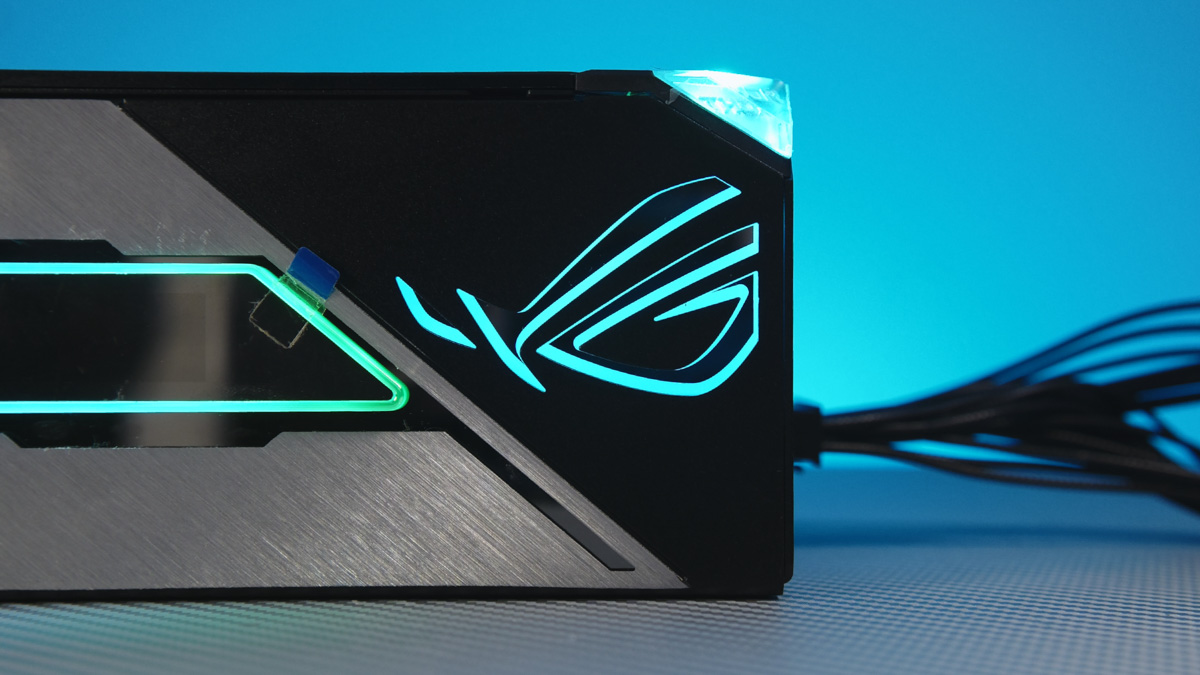
Finally, there’s customization. On the ASUS ROG Thor 1000W Platinum III, you can change the color of the lettering on the magnetic radiator grille and attach a magnetic OLED display to the side, which can show information like load. This is in addition to the separate RGB lighting.
Conclusion
Clearly, none of these features – alone or combined – are likely to make you rush out and replace your existing power supply. But if you’re building a gaming PC with an RTX 5090, a high-end CPU, multiple fans, SSDs, and plenty of RAM, you’ll need at least a 1000W unit with an 80 Plus Gold rating. In that case, the ASUS TUF Gaming 1000W Gold would be a suitable choice.
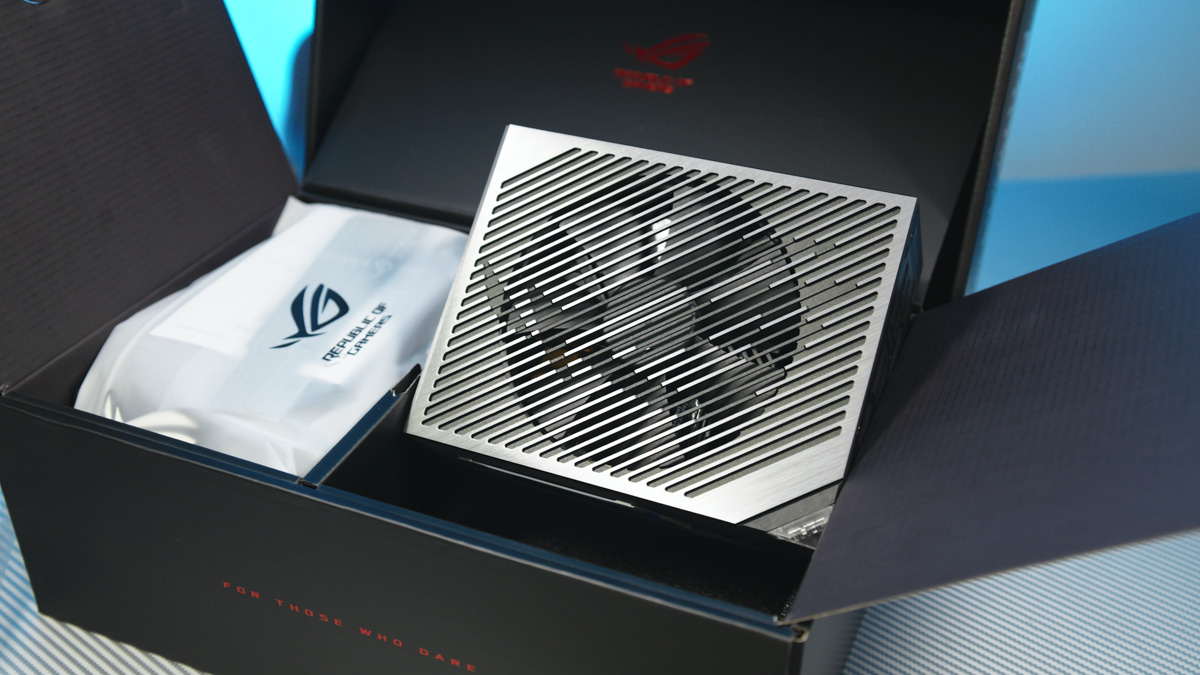
If you want a better option without going all-in, the ASUS ROG Strix 1000W Platinum is a solid choice. For those who want the full package with maximum features, the ASUS ROG Thor 1000W Platinum III is the top pick.
Read also:
- ASUS Laptop Reviews
- ASUS ROG Azoth X Keyboard Review: Futuristic Design, Hot-Swap Support, and OLED Display
- ASUS ROG Keris II Origin Wireless Gaming Mouse Review: Sleek and Affordable
Where to buy ASUS power supplies
- ASUS TUF Gaming 1000W Gold / Amazon
- ASUS ROG Strix 1000W / Amazon
- ASUS ROG Thor 1000W Platinum III / Amazon

