© ROOT-NATION.com - Use of content is permitted with a backlink.
Last summer, I reviewed the EarFun Air Pro 4 TWS earphones and found them to be a well-balanced option, which I have continued to use regularly for the past six months. At a relatively moderate price point, they offered competent sound quality along with practical features such as automatic pause and wireless charging. This article takes a look at their updated version, the EarFun Air Pro 4+, released in late 2025. The new model introduces minor design changes while maintaining ergonomics, upgrades Bluetooth support to version 6.0, adds AI-based real-time translation, and incorporates an additional driver, resulting in measurable changes to sound performance. The following sections examine these updates in more detail and compare the new model with its predecessor.
Read also:
- All reviews of completely wireless headphones and headsets
- EarFun Clip Review: Open-Ear Sport and Urban Clips with LDAC Support
- EarFun Tune Pro Review: Affordable Headphones with Multipoint and ANC
TABLE OF CONTENTS:
EarFun Air Pro 4+ Specifications
- Type: TWS, in-ear
- Bluetooth version: 6.0
- Audio codecs: LDAC, aptX Adaptive, aptX Lossless, LC3
- Drivers: 10 mm dynamic + FeatherBA armature
- Noise cancellation: adaptive QuietSmart 3.0 (up to 50 dB)
- Controls: touch
- Battery: earbuds – 54 mAh, case – 600 mAh
- Earbud battery life: up to 12 hours without ANC, up to 8 hours with ANC
- Battery life with case (total): up to 54 hours
- Charging: wired USB Type-C, wireless
- Charging time: earbuds – 1 hour, case – 2 hours, case on wireless charging – up to 3.5 hours
- Weight: 54 g
- Water protection: IP55
- Colour: black, white
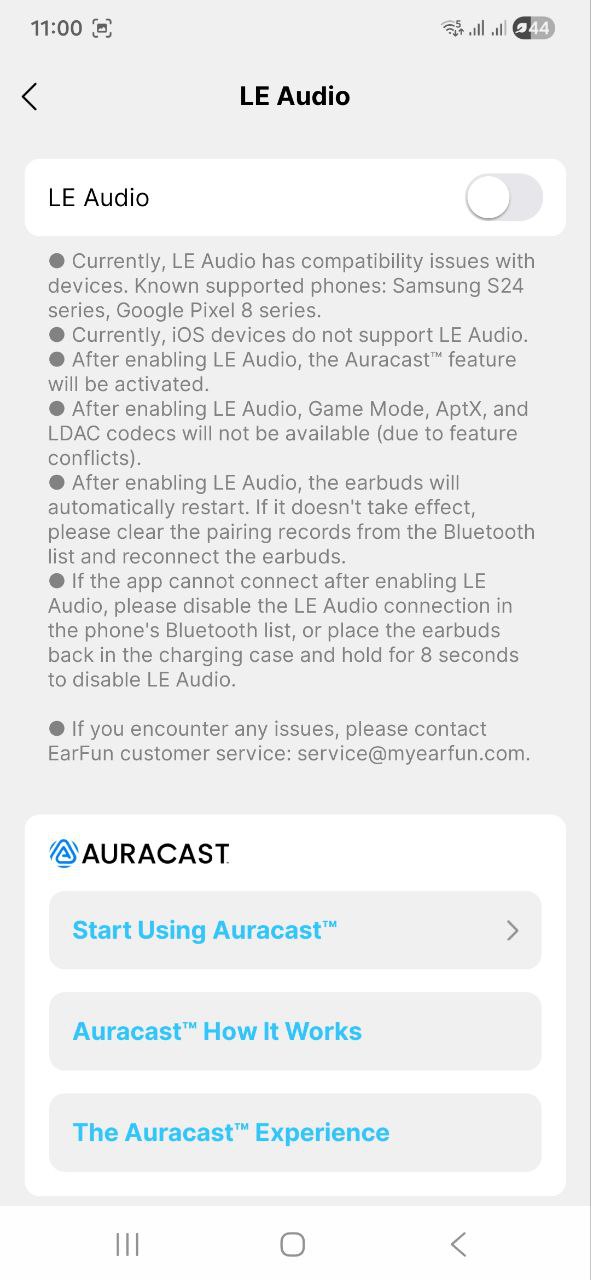
- Additional features: Qualcomm QCC3091 chipset, Hi-Res Audio certification, 6 microphones + AI algorithms for ENC, ANC with AI, gaming mode, auto-pause, ability to connect to two devices, support for Auracast, LE Audio and Google Fast Pair, AI translator
Price

At the time of writing, the EarFun Air Pro 4+ is listed at $100 on the official website. This represents only a slight price difference compared with the launch price of the previous model, which was $95. Considering discounts and coupons, the new model can often be found for around $70–75, and some sellers on AliExpress offer it for approximately $65. In price terms, the product remains competitive. The following sections examine what this price point delivers in terms of features and performance.
- Official website – 24% discount with coupon: GSAP4P
- Amazon
- AliExpress
EarFun Air Pro 4+ Package contents

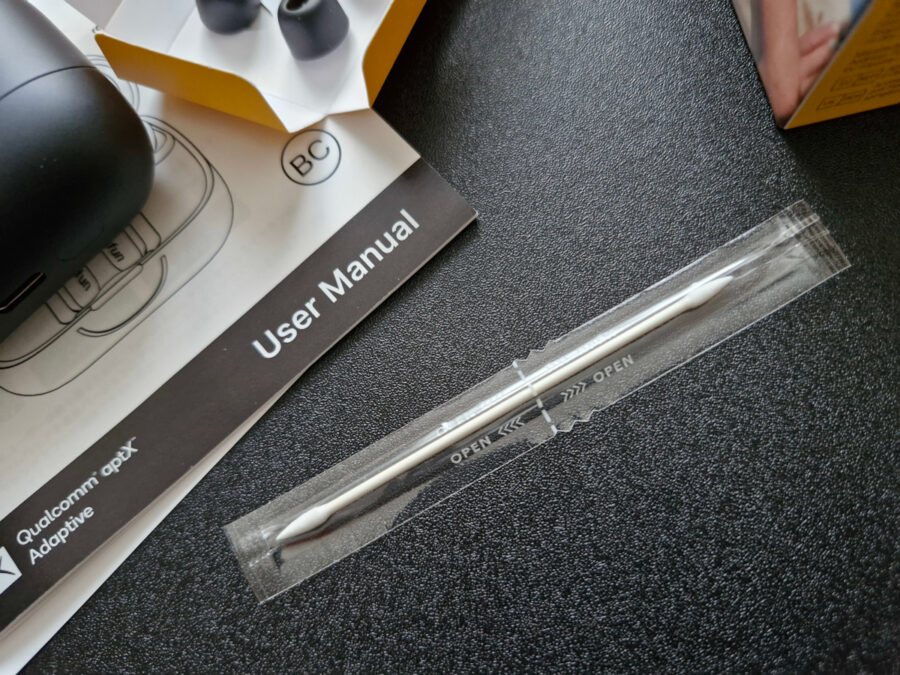
The packaging and included accessories are largely unchanged from the previous model. The earphones come in a compact yellow-and-white box featuring an image of the headset and a Red Dot design award mark. While not functionally significant, the award indicates external recognition of the product’s design. Inside the box are the earbuds and charging case, along with a comprehensive accessory set. This includes five pairs of additional ear tips in sizes ranging from XS to XL, a short charging cable, printed documentation, and a small tool intended for ear tip maintenance.

Read also:
Design and materials
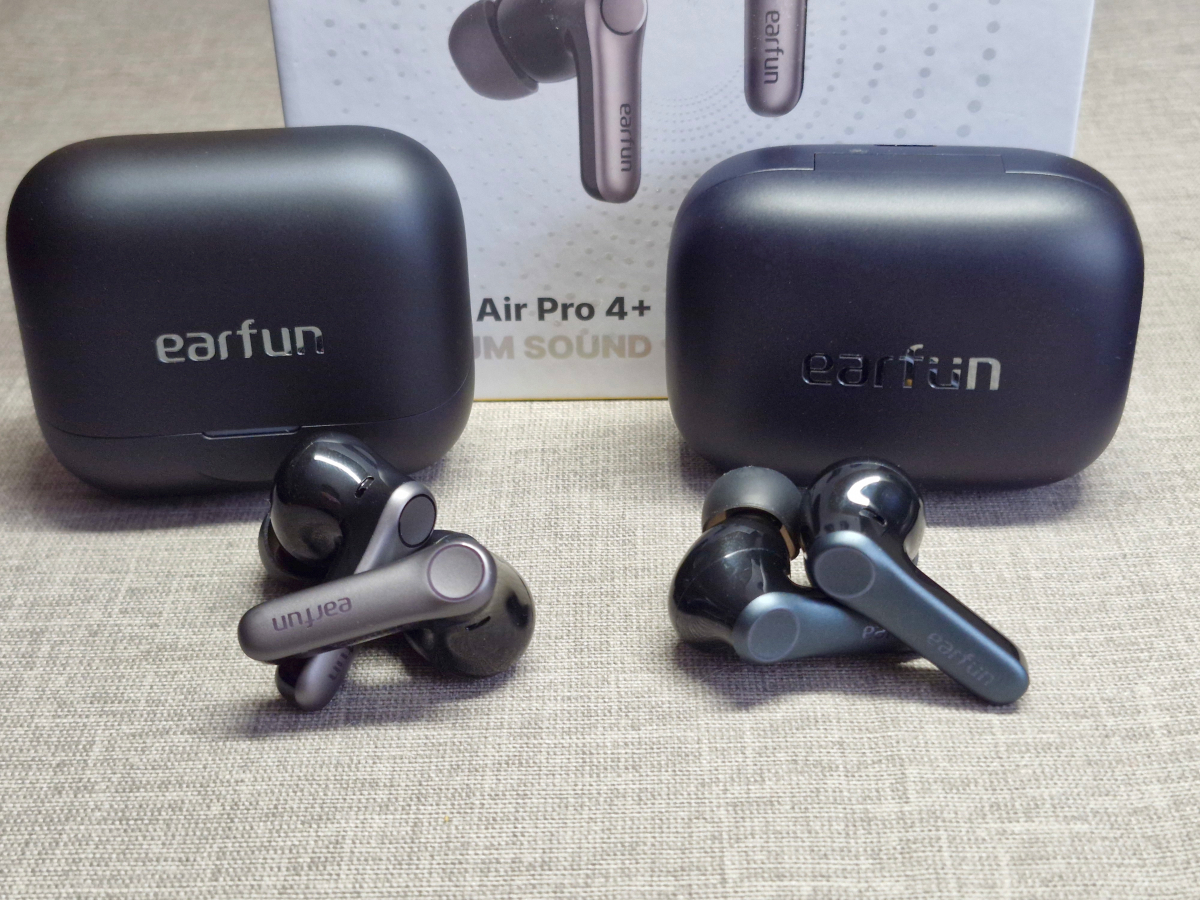
The overall form factor of the EarFun Air Pro 4+ remains largely unchanged from the previous version, and the materials used are identical. The primary difference is the charging case, which has been slightly revised. From a usability standpoint, the updated case appears more practical. In the accompanying images, the Air Pro 4+ is shown on the right, with the standard Air Pro 4 on the left for comparison.

The charging case has a simple rectangular shape with rounded edges, a common design approach in this segment. However, unlike the Air Pro 4, the lid does not open fully in a clamshell manner. Instead, it opens partially and includes a small recessed area at the bottom that provides a natural resting point for the thumb. This makes the case easier to open in everyday use. While this is a minor detail that may go unnoticed by many users, a direct comparison between the two models highlights the practical improvement.

An LED status indicator is located at the junction between the lid and the case body. It lights up green when the case is opened and switches to blue when the case remains open and the earbuds are ready to pair. A small, understated brand logo is also placed on the top of the lid.


The front edge of the case houses a USB Type-C charging port and a single control button. Aside from these elements, there are no additional features or controls on the exterior of the charging case.

One practical change is the relocation of the regulatory and technical markings. Unlike the previous model, where this information was printed on the bottom of the case, it has been moved to the inside of the lid, resulting in a cleaner exterior appearance.

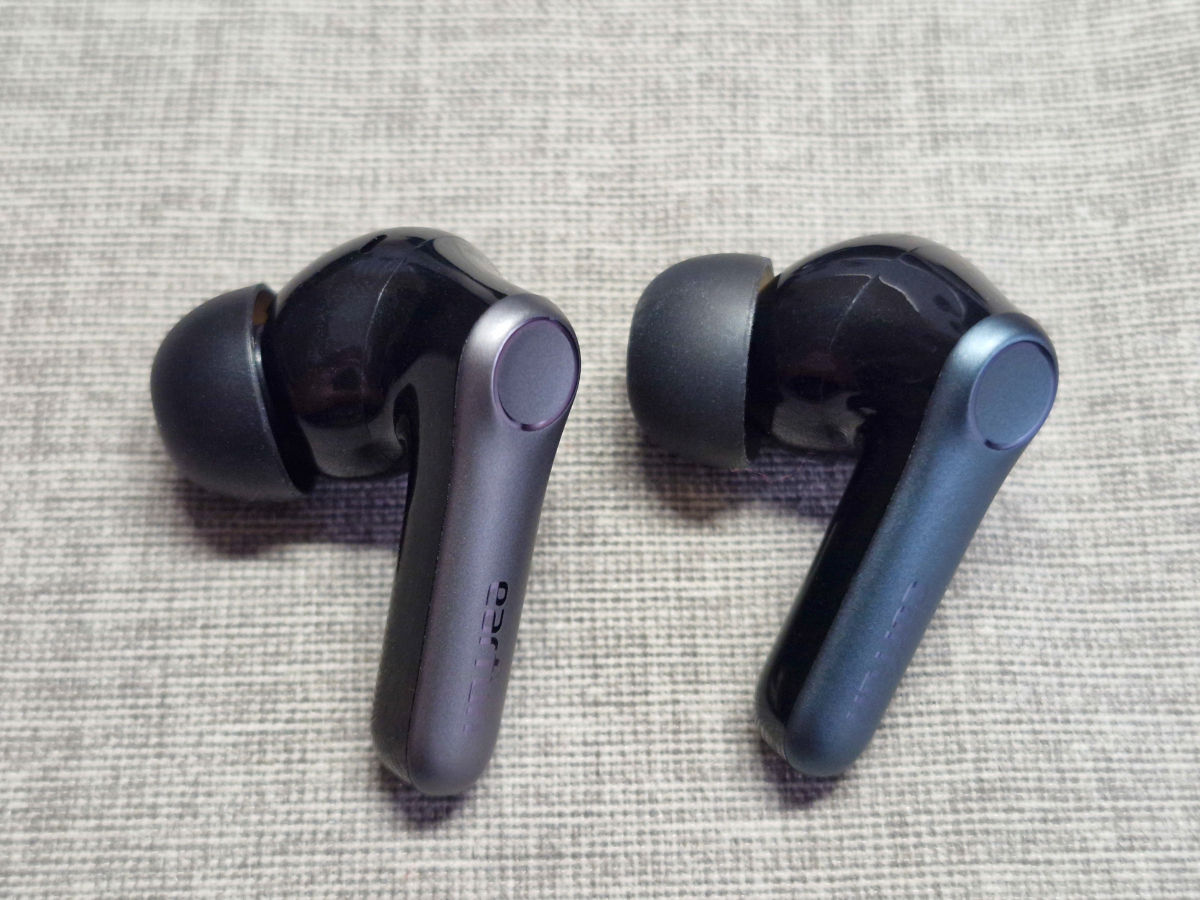
The earbuds themselves closely replicate the design of the Air Pro 4. Dimensions, component placement, and materials are effectively identical. The main visible differences are the color of the touch-control panel – greenish on the Air Pro 4 and gray on the Air Pro 4+ – and the position of a small technical opening on the housing. Build quality remains consistent with the previous model, with no notable issues related to assembly or materials.

Ergonomics
The Air Pro 4 was noted for its comfortable fit, and the Air Pro 4+ maintains the same design and form factor. As a result, ergonomics remain largely unchanged. The earbuds fit securely, do not apply excessive pressure, and remain stable during use. They can be worn for extended periods without causing noticeable discomfort.

If the default fit is not ideal, the package includes five additional pairs of ear tips in different sizes, ensuring that most users can find a comfortable option. In my case, the pre-installed tips fit perfectly. Additionally, the updated charging case offers a more convenient opening mechanism compared with the previous model, improving overall usability.
Read also:
- Fosi Audio IM4 Review: Wide open sound for $99
- FiiO JT7 headphones review: The Sweet Spot Between Performance and Practicality
EarFun Audio App
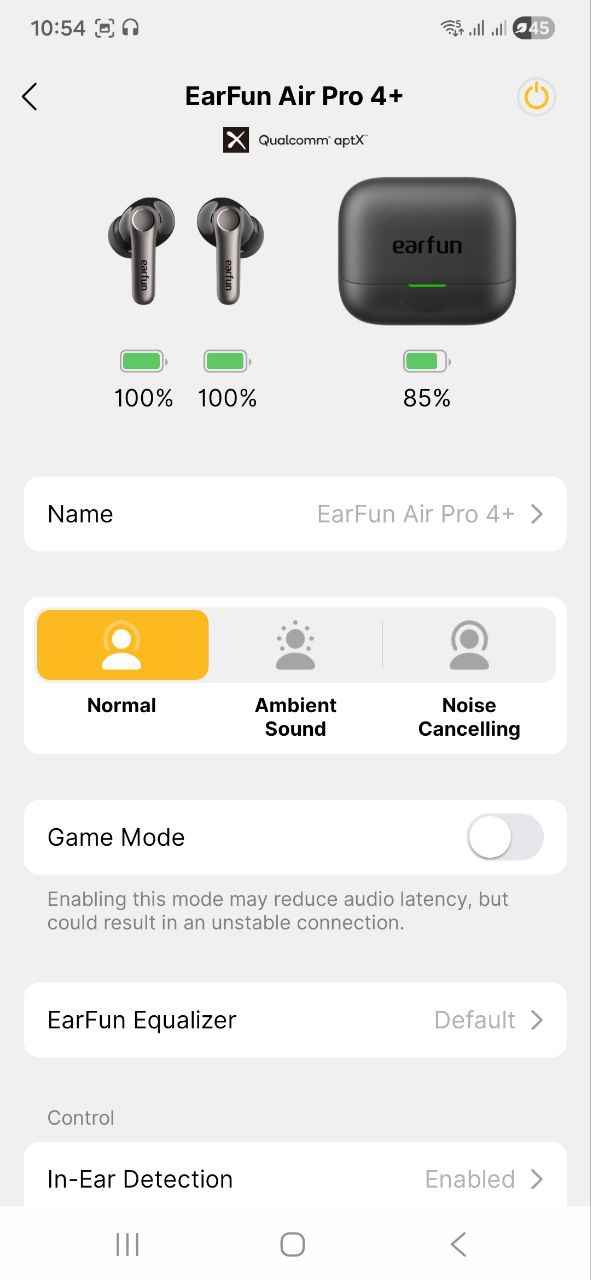
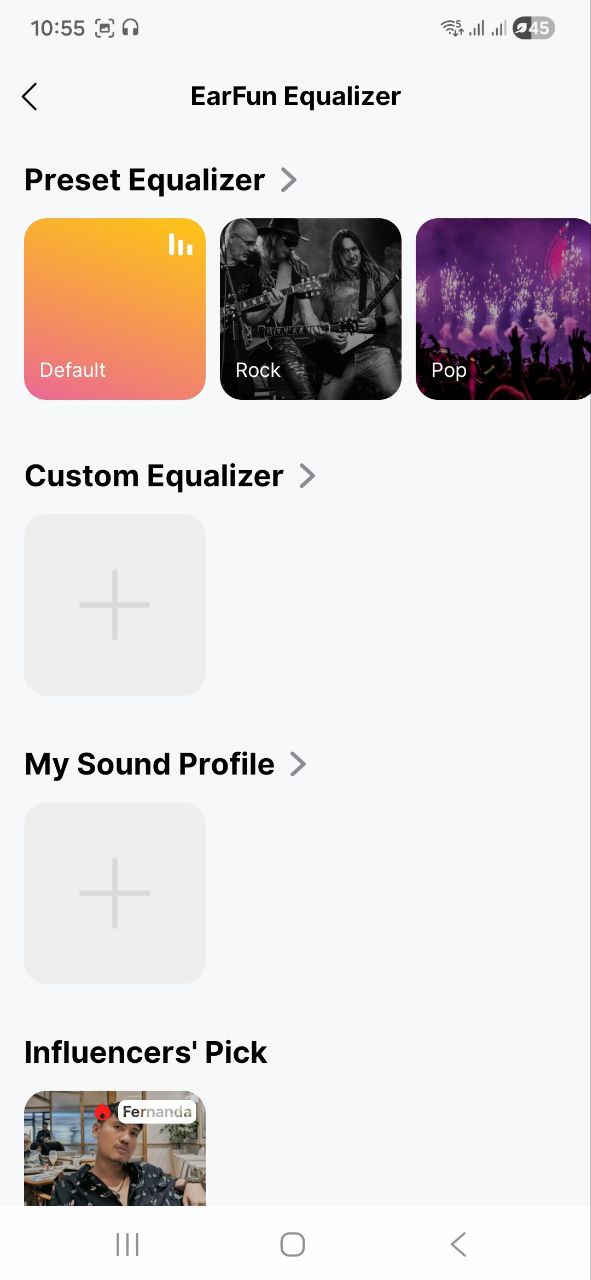
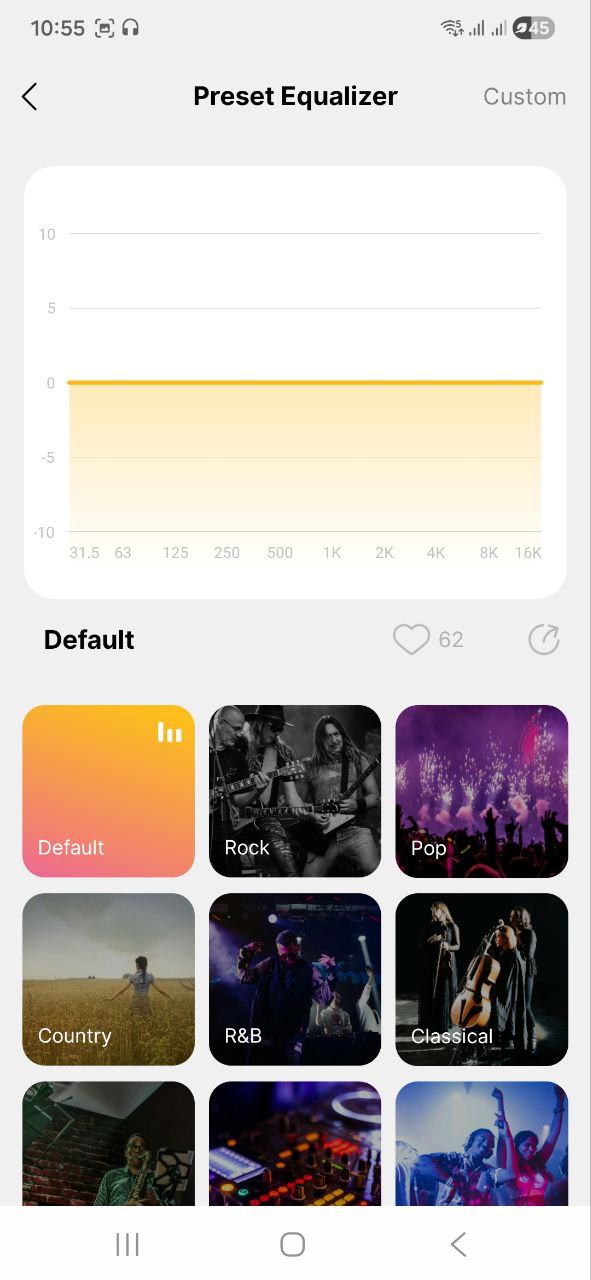
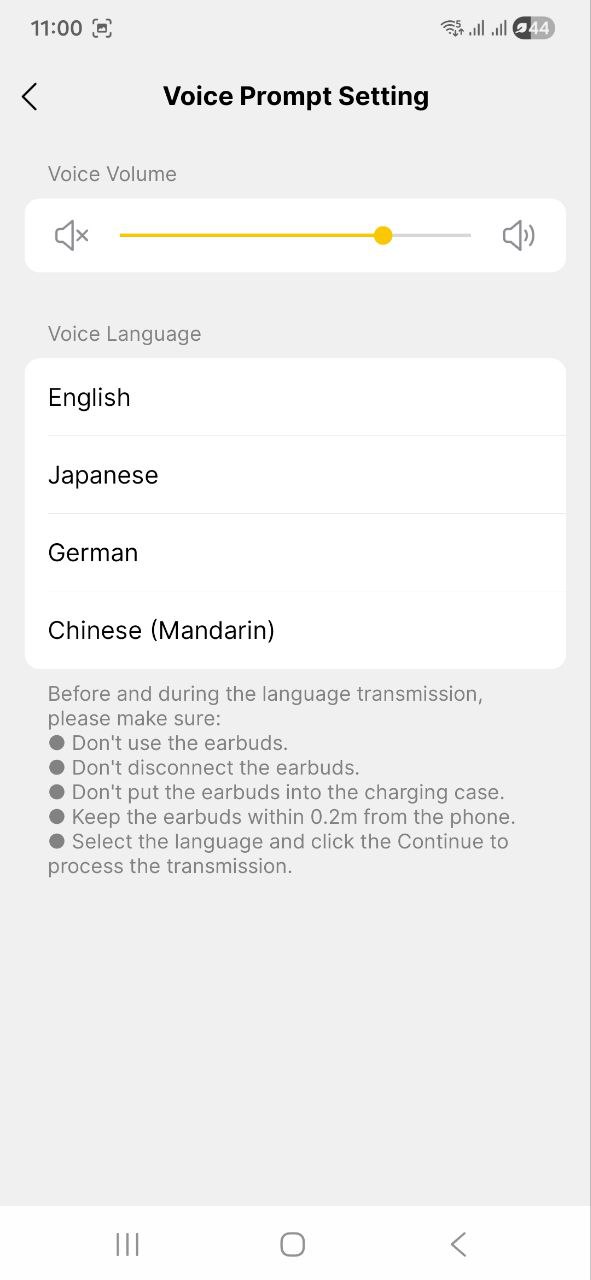
For more detailed customization of the Air Pro 4+, the EarFun Audio app is required. Interaction with the new model is largely similar to the original Air Pro 4. The interface has seen minor adjustments, primarily in the sound settings and equalizer menus, but overall functionality remains mostly unchanged. Therefore, rather than reviewing all standard features, the focus here will be on the differences introduced with the updated model.


The updated model introduces AI-assisted noise cancellation. Users can now select between two AI-driven modes: AI Ear Adaptive ANC, which adjusts noise reduction based on how the earbuds fit in the ear, and AI Environment Adaptive ANC, which adapts to surrounding environmental noise. In addition, a Manual Adjustment mode allows users to set the ANC intensity manually, and there is a dedicated Wind Reduction mode to minimize wind interference.

The EarFun Audio app now includes an AI Translate feature, offering both text-based (Face-to-Face) and voice-assisted (Real-Time) translation modes. The process is straightforward: first, select whether you want to translate text or speech, then choose the source and target languages – there is a wide selection available. Press the microphone button and speak. In both modes, your speech is transcribed into text, with the translation appearing within seconds.
In Real-Time mode, the translated audio is played directly through the earbuds, and users can choose between a male or female assistant voice. Voice recognition is generally accurate; during initial testing, minor errors occurred on the first input, but the system quickly adapted. Over time, it appears that the AI becomes better at understanding the user’s pronunciation.


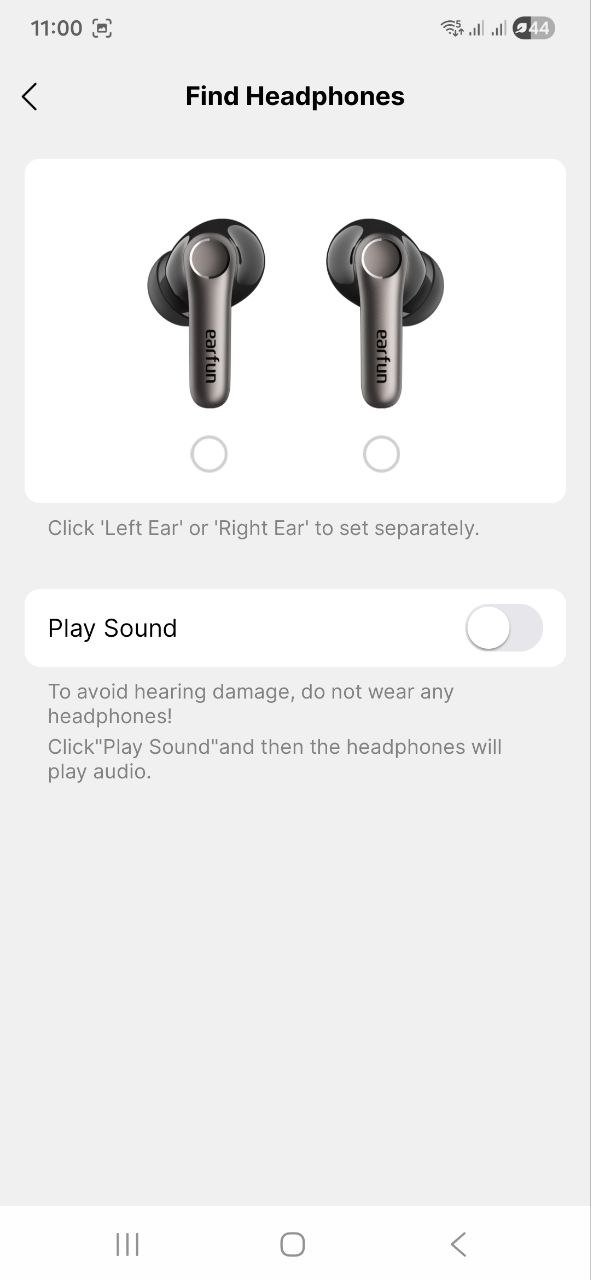
The app also adds the ability to set a maximum volume limit for the earbuds and to balance audio levels between the left and right earphones if needed, providing additional control over listening preferences and comfort.

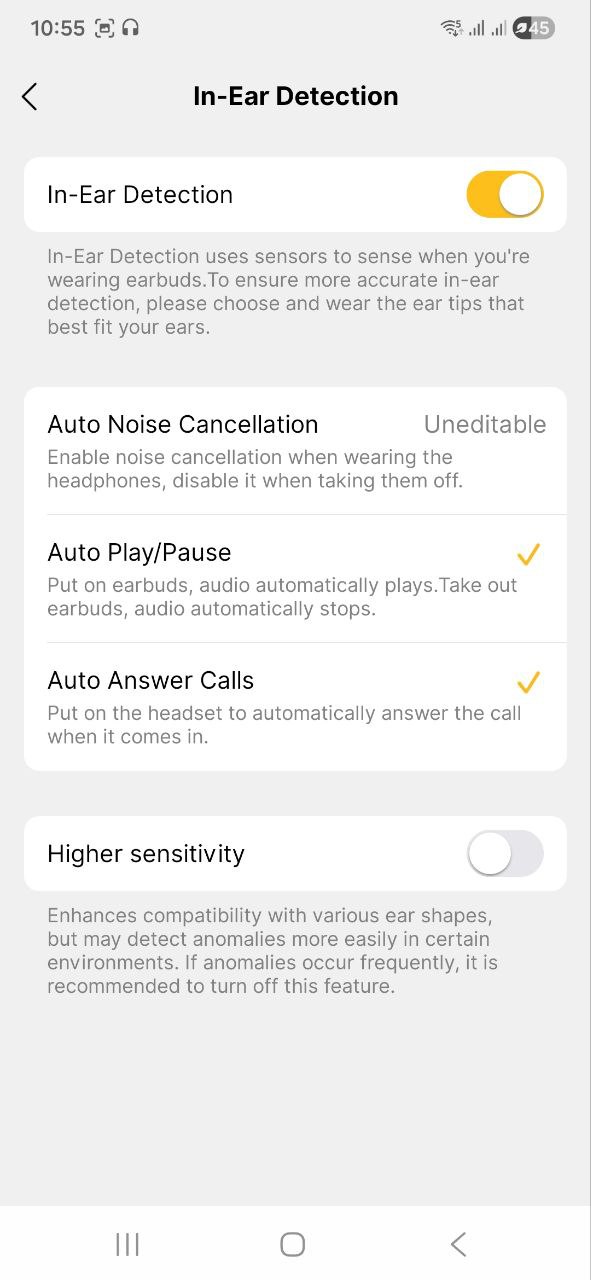
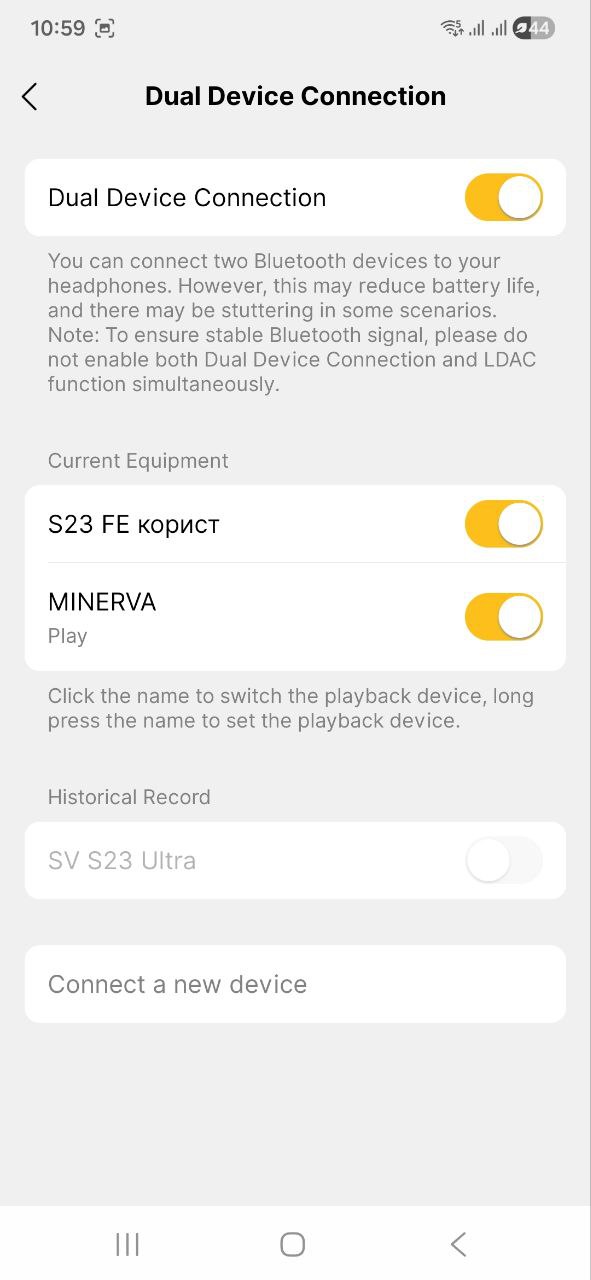
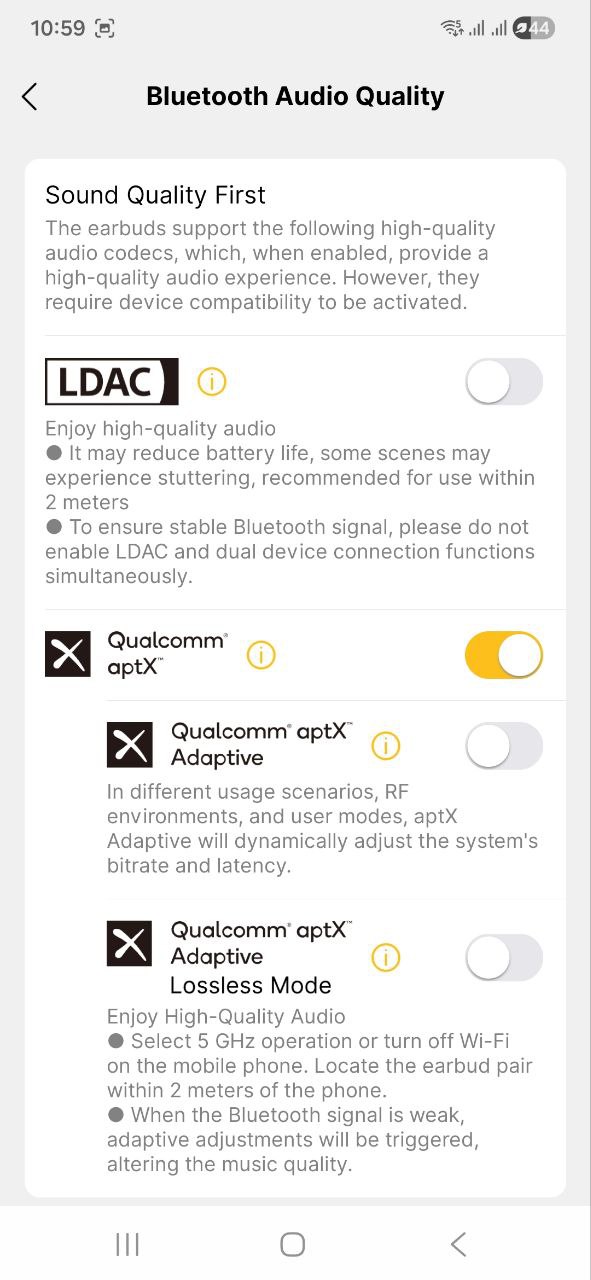
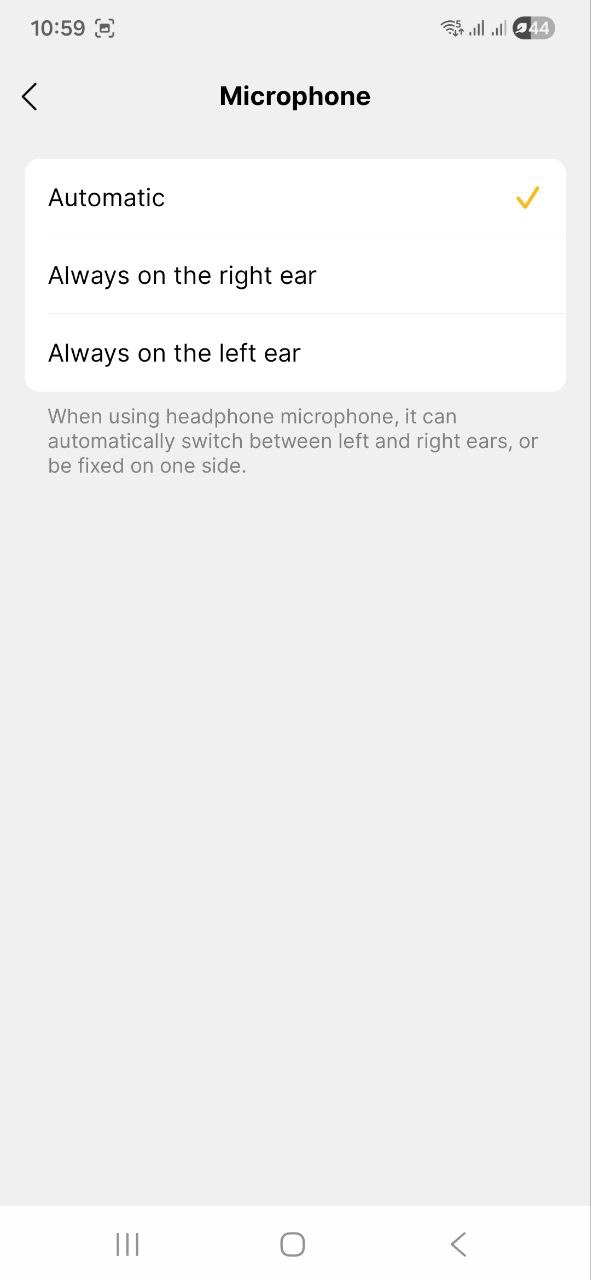
In all other respects, functionality remains the same. Within the EarFun Audio app, users can customize the touch controls or disable them, select the preferred audio codec, enable automatic pause, connect to two devices simultaneously, and access other standard settings.
EarFun Air Pro 4+ Controls

By default, the touch control scheme remains the same as on the previous model. However, any gesture can be reassigned to a different function, and it is also possible to disable touch controls on the left earbud entirely, performing all primary actions through the right earbud. The default gesture mapping is as follows:
- Single tap: decrease volume (L) / increase volume (R)
- Double tap: play/pause
- Triple tap: previous track (L) / next track (R)
- Long press: ANC mode (L) / voice assistant (R)
During calls:
- Triple press – answer call/transfer 2 calls;
- Long press – reject call.


It’s worth noting that any gesture can be fully customized or disabled, either individually, for the left earbud, or for the entire touch panel. This flexibility allows users to tailor controls to their personal preferences – some may prefer managing playback directly on the earbuds, while others might rely on a smartphone or smartwatch. The EarFun Air Pro 4+ accommodates both approaches, letting each user configure it in the way that is most convenient for them.
Read also:
- Technics AZ100 Review: Precise Noise Cancellation and Balanced Sound
- Huawei FreeBuds SE 4 ANC Review: Active Noise Cancellation in the Budget Segment
Sound

The Air Pro 4+ retains the core audio components of its predecessor, including the Qualcomm QCC3091 processor with aptX Lossless support, 10 mm dynamic drivers, and Hi-Res certification. Key updates in the new model include Bluetooth 6.0 (up from 5.4) and the addition of FeatherBA balanced armature drivers. According to the manufacturer, angling the armature drivers by 11° relative to the dynamic drivers helps achieve a more balanced and precise sound across the full frequency spectrum, enhancing clarity and overall audio quality.

To evaluate the Air Pro 4+, it’s useful to first consider my experience with the original Air Pro 4. Over the past six months, I have used them extensively for daily music listening. The sound quality was fully satisfactory: spacious, clear, and immersive, with well-defined bass and balanced treble. The performance is natural and does not rely on software-based enhancements, providing a solid baseline for comparison with the updated model.
The updates in the EarFun Air Pro 4+ have a noticeable impact on sound quality. I tested both the original Air Pro 4 and the 4+ using the same smartphone and identical tracks on YouTube Music, in standard playback mode without ANC or transparency mode.
While the Air Pro 4 already delivered satisfying sound – clear, spacious, and well-balanced – the Air Pro 4+ offers a more engaging and dynamic listening experience. The difference is most apparent in energetic genres: the sound feels more focused, dense, and emotionally impactful. Subtle vibrations in guitar solos, drums, and electronic beats enhance the sense of presence, adding a lively dimension to the audio.
In softer genres such as ballads, lounge, or instrumental music, the difference is minimal. However, for listeners of metal, alternative, EDM, R&B, and other rhythmically intense genres, the Air Pro 4+ provides a richer and more compelling sound.

One additional observation: when listening with ANC enabled (in any mode), the sound balance shifts slightly – bass response is reduced, and the treble becomes more pronounced. For the most accurate and natural audio, it is recommended to use the earbuds without ANC or transparency mode.
Call Functionality and ANC
Based on specifications and testing, the call performance of the EarFun Air Pro 4+ remains largely unchanged from the previous model. Voice transmission is handled by six microphones with AI algorithms and cVc 8.0 noise-cancellation technology. In quiet indoor environments, calls are clear and easily understood in both directions.
In louder settings, such as busy streets or shopping centers, voice quality can degrade slightly. The noise-reduction algorithms attempt to suppress background sounds, which can also slightly affect the clarity of speech. Overall, this is typical for earbuds in this segment, where achieving perfect noise suppression during calls is challenging.

The ANC performance on the Air Pro 4+ is excellent. The AI Ear Adaptive ANC mode is particularly effective, filtering ambient noise while remaining comfortable for extended use. By contrast, AI Environment Adaptive ANC can create a noticeable pressure effect in the ears, which may feel too intense for some users.
The transparency mode does more than simply allow outside sound through – it also amplifies it slightly, making ambient noises feel closer and louder. This feature enables clear communication in moderately noisy environments without removing the earbuds.
Read also:
- SIMGOT EG280 Review: Budget IEMs for Gamers and Audio Enthusiasts
- Marshall Major V Headphones Review: Life’s better when it rocks
Battery Life
The EarFun Air Pro 4+ retains similar battery performance to the previous model. Each earbud has a 60 mAh battery, while the charging case holds 600 mAh. Combined, this provides up to 54 hours of total playback time. On a single charge, the earbuds last up to 12 hours without ANC and around 8 hours with ANC enabled. These figures are largely consistent with the original Air Pro 4, which offered 52 hours total, with 11 and 7.5 hours of playback without and with ANC, respectively.

Wireless charging support remains available. A full charge of the earbuds takes approximately 3.5 hours. Using a cable is slightly faster: the earbuds themselves charge in about 1 hour, and the case takes around 2 hours, totaling roughly the same overall time. Given the long battery life, frequent charging is generally unnecessary, even with fairly active daily use.
Conclusions and competitors
The EarFun Air Pro 4+ represent a notable upgrade over the previous model. The addition of a balanced armature driver makes the sound richer, more detailed, and more immersive, particularly in dynamic music genres. The new AI translation feature, usable in both text and voice modes, adds practical functionality, and the charging case design has been slightly improved for convenience.
Other core features remain unchanged: Hi-Res certification, multi-device connectivity, wireless charging, auto-pause, effective ANC, and strong battery life. Call performance, however, remains typical for this segment and is not perfect. For current EarFun Air Pro 4 users, there is no urgent need to upgrade. For those seeking an affordable TWS option with solid sound quality and additional features, the Air Pro 4+ offers a compelling package.

What models can be offered as an alternative to the new EarFun product, apart from Air Pro 4? I would pay attention to Soundcore Liberty 5. Both in terms of price and technical parameters, the models are quite similar. Liberty 5 also received Hi-Res certification, has wireless charging, ANC, auto-pause and other features. However, it has Bluetooth 5.4 and only one driver, so the sound may be simpler (but everything needs to be tested and compared).
You can also take a look at the realme Buds Air 7 Pro. It has a dual driver (dynamic + planar), Hi-Res, noise cancellation, etc., but no wireless charging.
Read also:
- Motorola Moto Buds Loop Review: More Than Just a Stylish Accessory
- Baseus Inspire XH1 headphones review: Baseus’s Bose-Tuned Headphones Have No Business Being This Good
Where to buy EarFun Air Pro 4+
- Official website – 24% discount with coupon: GSAP4P
- Amazon
- AliExpress