




© ROOT-NATION.com - Use of content is permitted with a backlink.
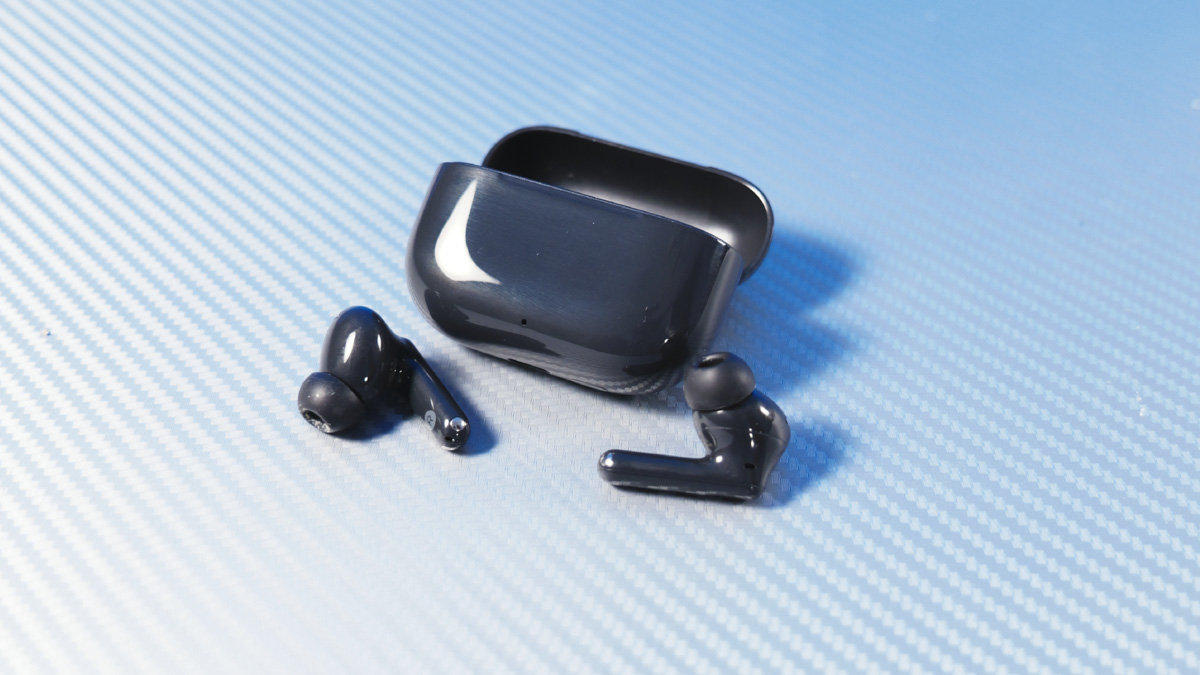
Before starting the review, it is worth noting that my preferred in-ear headphones have long been the Huawei FreeLace Pro, and they remain a personal reference point for me. With that in mind, receiving two Huawei samples for review toward the end of 2025 was a welcome opportunity. This article focuses on the Huawei FreeBuds SE 4 ANC and examines how they perform in practice within their intended segment.
Read also: Wireless earbuds reviews (TWS)
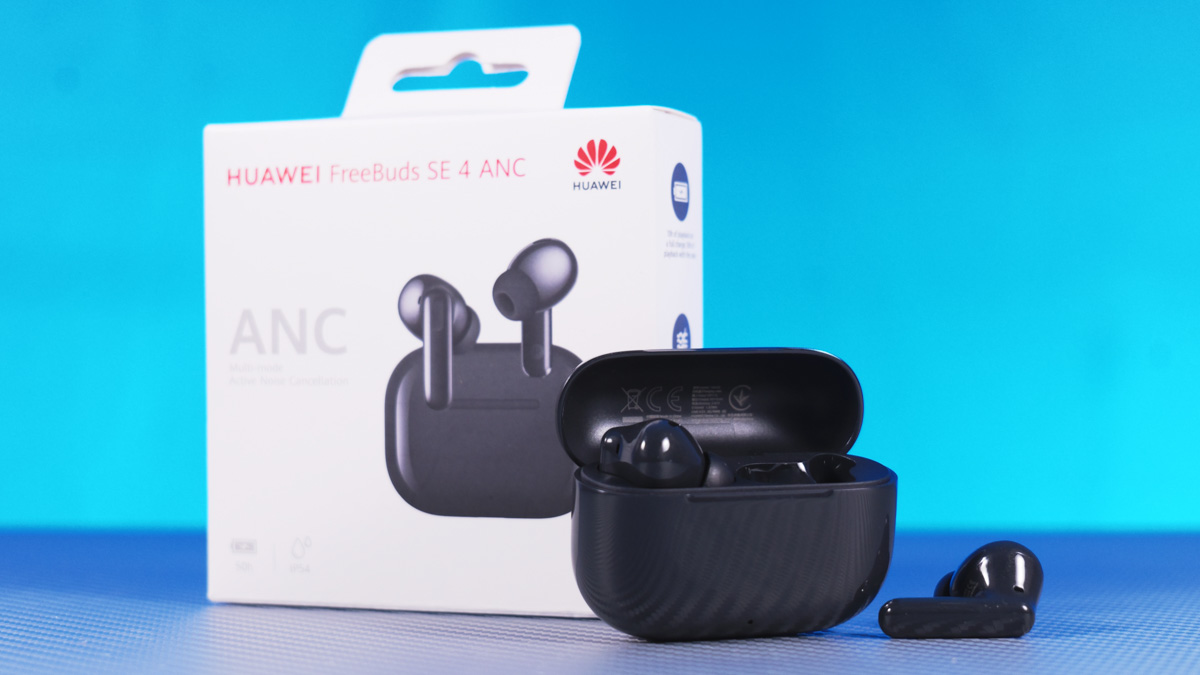
TABLE OF CONTENTS:
Specifications
- Headphone dimensions: 32.3×21.3×24.0 mm
- Headphone weight: 4.3 g
- Case dimensions: 46.5×61.8×24.7 mm
- Case weight: 36 g
- Codec support: SBC and AAC
- Communication: Bluetooth 5.4
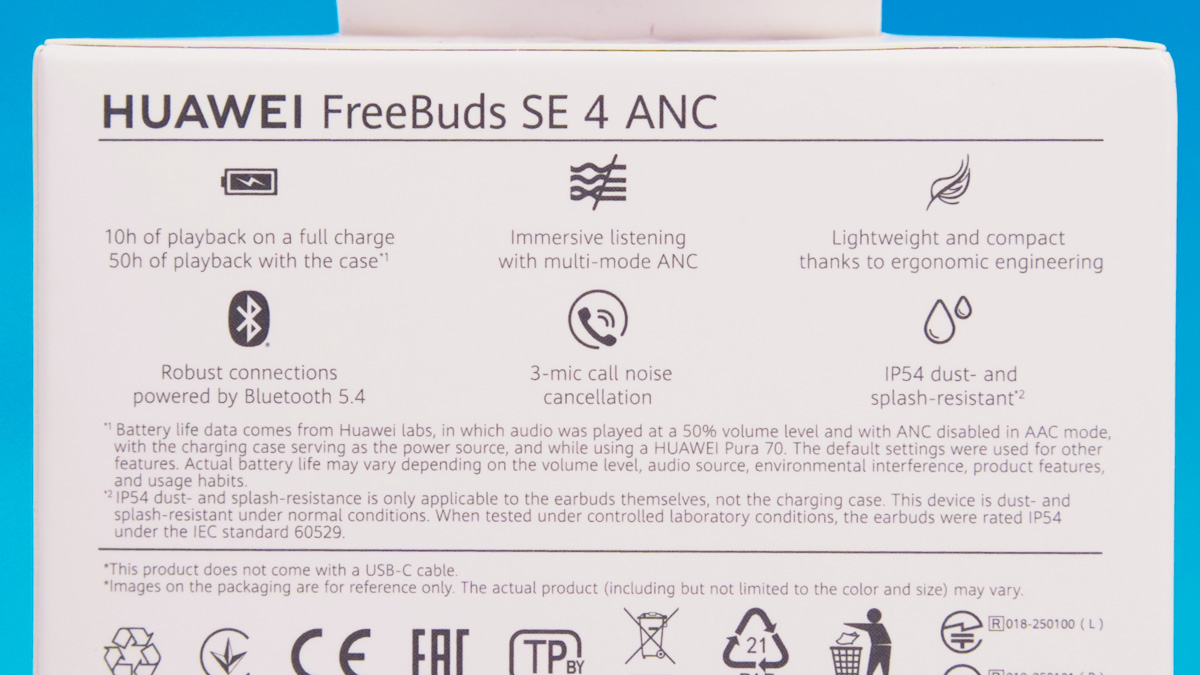
- Headphone case protection: IP54
- Battery life: up to 10 hours without the case, up to 50 hours with the case
- Headphone/case battery capacity: 41/510 mAh
- Battery type: lithium polymer
Huawei FreeBuds SE 4 ANC video review
Positioning, price, and package contents
The discussion starts with pricing, as it provides important context. Within Huawei’s lineup, the FreeBuds SE 4 ANC is positioned as an entry-level model and is priced at approximately $45. This positioning is reflected in the package contents. Inside the box, aside from the charging case and the earbuds themselves, there are only two additional sets of silicone ear tips and the warranty and safety documentation, with a brief setup guide printed on the final page.
Huawei FreeBuds SE 4 ANC Design
I do not have fundamental objections to the overall design of the FreeBuds SE 4 ANC, but the extensive use of a glossy finish is personally difficult to overlook. Glossy surfaces tend to show wear quickly and are especially impractical for accessories that are regularly carried in a pocket alongside keys or other small items.
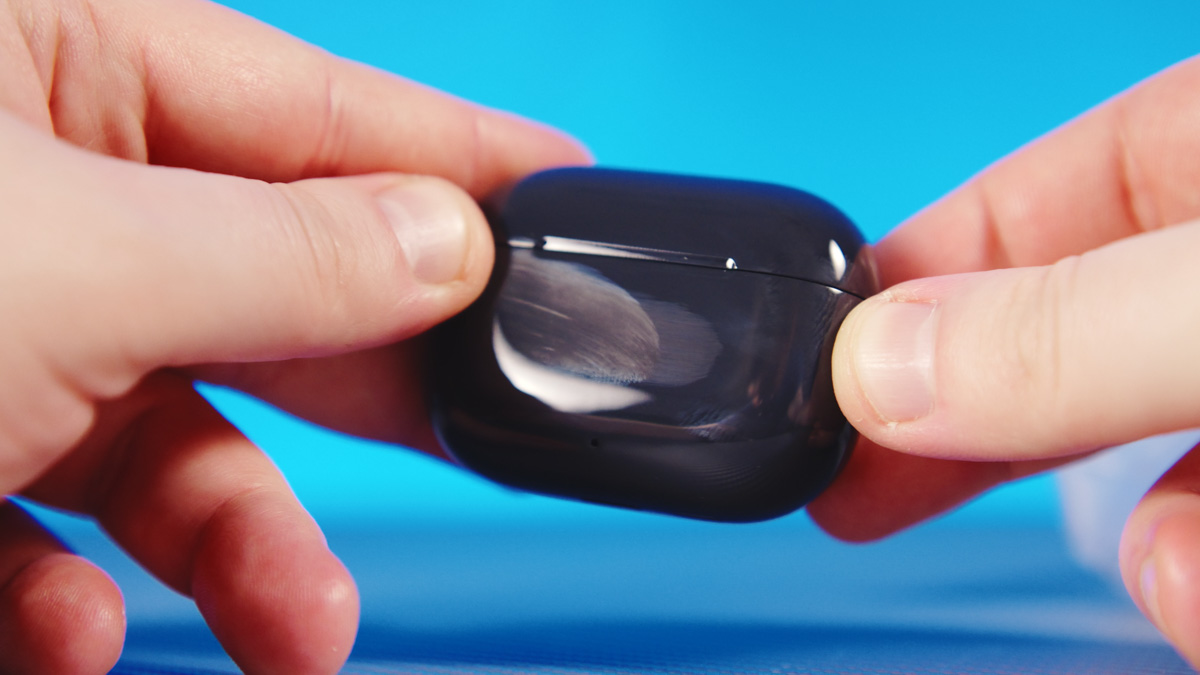
The Huawei FreeBuds SE 4 ANC take this approach to an extreme: both the charging case and the earbuds themselves use a high-gloss finish. The plastic feels solid and reasonably durable, so visible scratches are likely to appear more slowly than expected. Fingerprints, however, accumulate quickly and are difficult to ignore in everyday use.
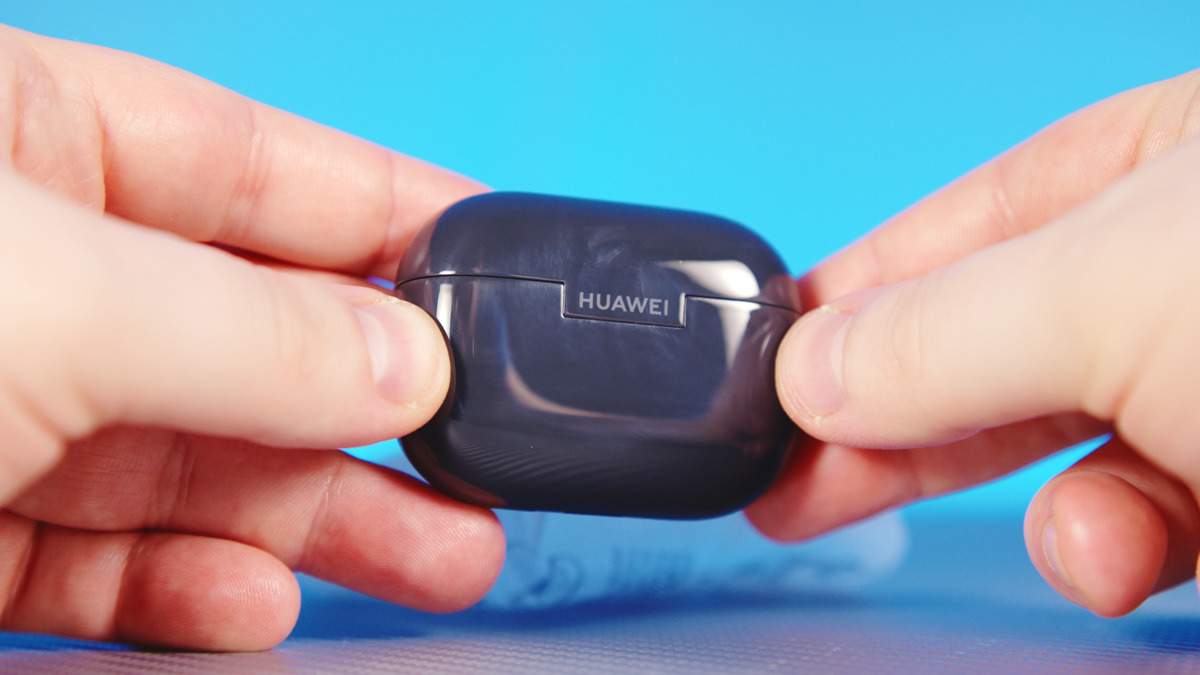
Notable elements on the case include a USB Type-C charging port and a multifunction button located on the bottom, along with a status indicator on the front. The indicator provides information about both charging status and pairing mode, while the button is used to initiate the pairing process.
Ergonomics
The earbuds themselves follow a conventional in-ear design and feature three microphone openings on each unit. This layout indicates support for active noise cancellation and voice processing, rather than serving as a direct measure of its effectiveness.
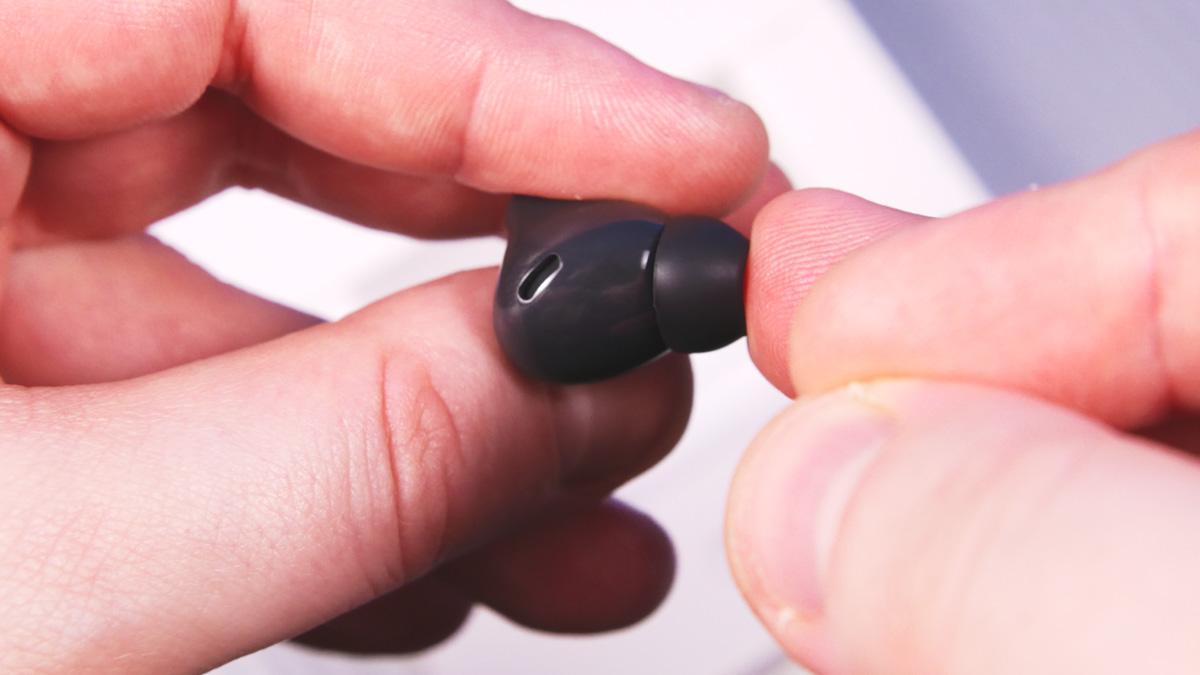
Control is handled via touch-sensitive areas located on the upper part of the stem. The gestures can be customized, although the default configuration covers basic functions such as play and pause, track skipping, and switching between noise cancellation modes.
The Huawei FreeBuds SE 4 ANC also pass what is often referred to as the “AirPods test,” meaning the earbuds can be removed from the case with one hand. In this respect, the glossy finish plays a mixed role: it allows the stem to slide out of the socket easily, but at the same time makes it harder for the fingers to maintain a firm grip on the housing.
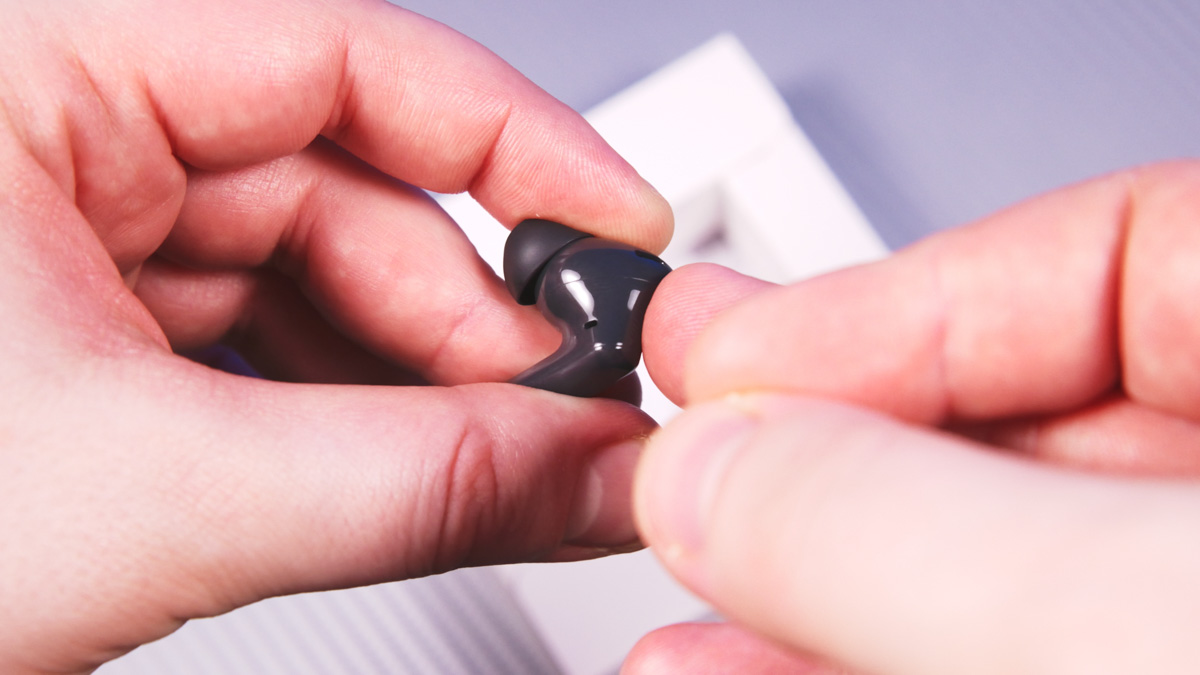
It is worth noting that the earbuds themselves – but not the charging case – carry an IP54 rating. According to the manufacturer, they are also designed to withstand temperature fluctuations, minor impacts, and similar stresses, and they come with SGC certification. I expected to see a MIL-STD-810H rating, but its absence is not particularly concerning. The reasons for this are discussed separately in a dedicated explanatory article.
The lid opens to roughly a 100-degree angle. When deliberately applying lateral pressure while the case is closed, there is a slight but surprisingly noticeable amount of play. Given that the FreeBuds SE 4 ANC is one of the most affordable models in Huawei’s lineup, this is a compromise that is relatively easy to accept.
Software
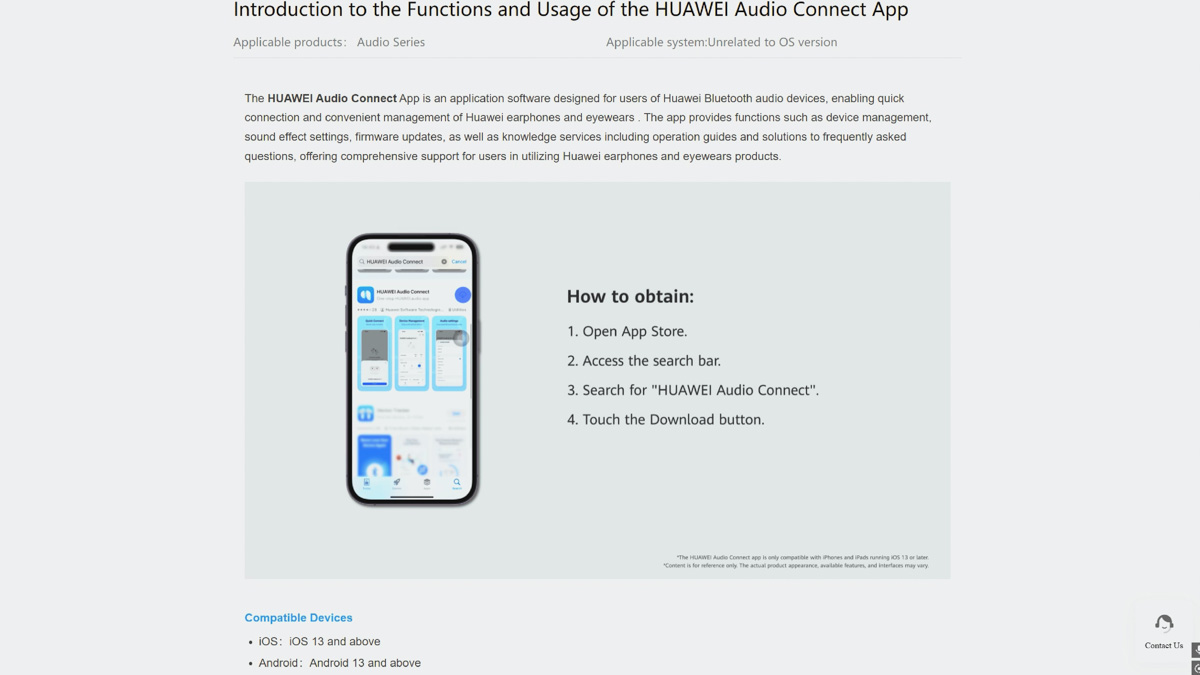
Using the earbuds requires installing the AI Life app, which is the standard procedure for Huawei devices. The company has also released a separate application, Huawei Audio Connect, although I have not had the opportunity to test it yet.
The AI Life app has long been a reliable and versatile solution for managing Huawei accessories. While this approach means that the FreeBuds SE 4 ANC cannot take advantage of Android’s built-in quick-pairing features, once connected, the app provides access to a wide range of settings and functions – impressive considering the earbuds’ budget price point.

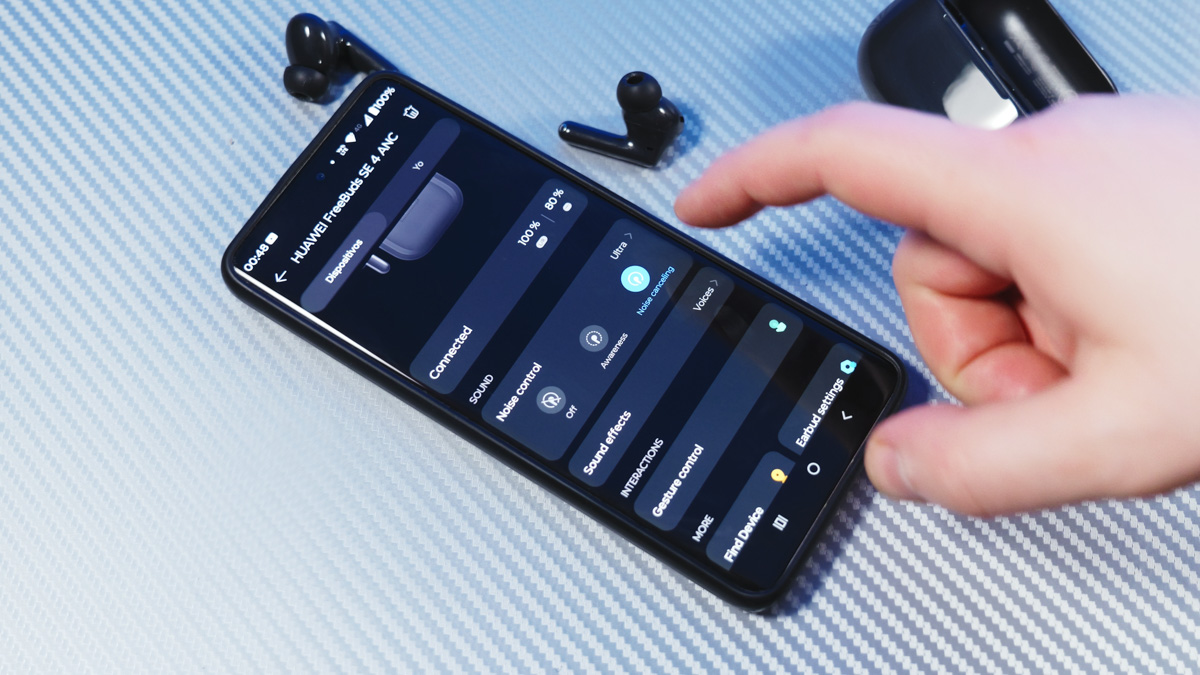
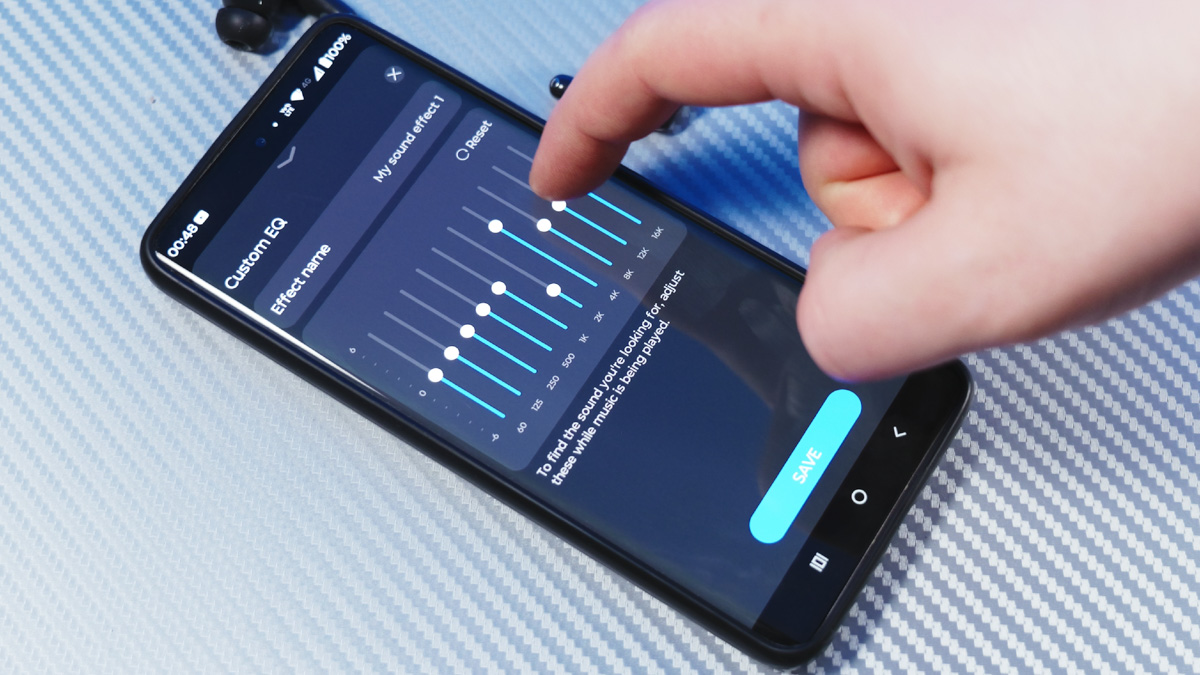
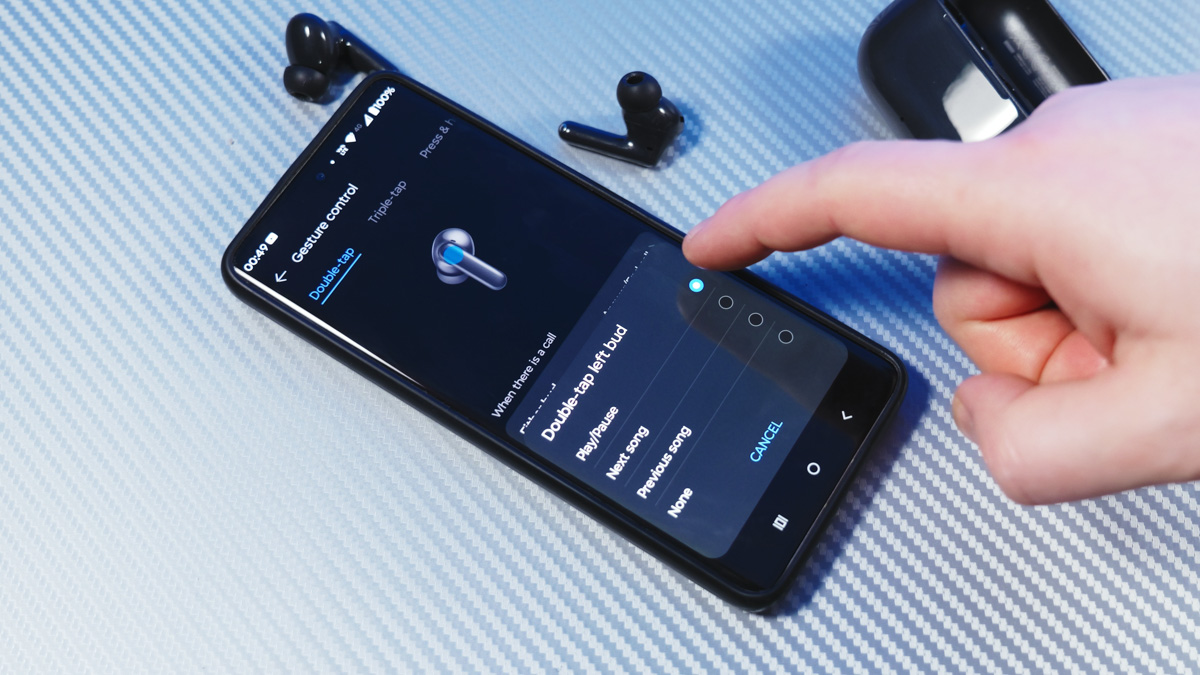
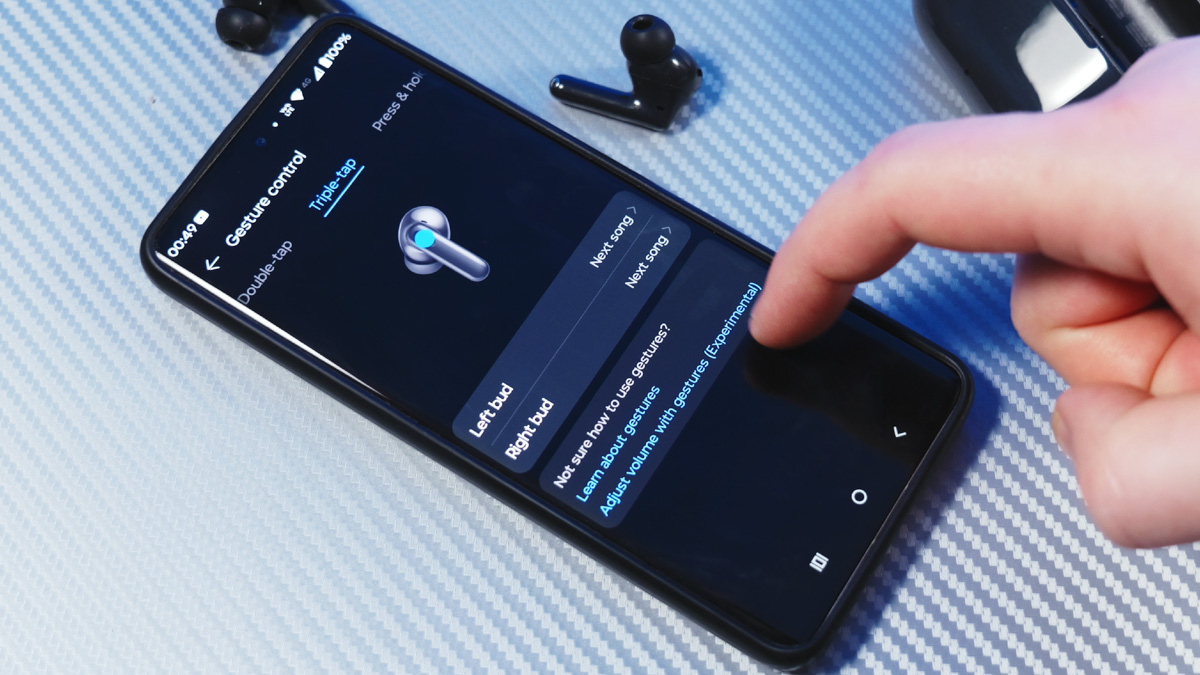
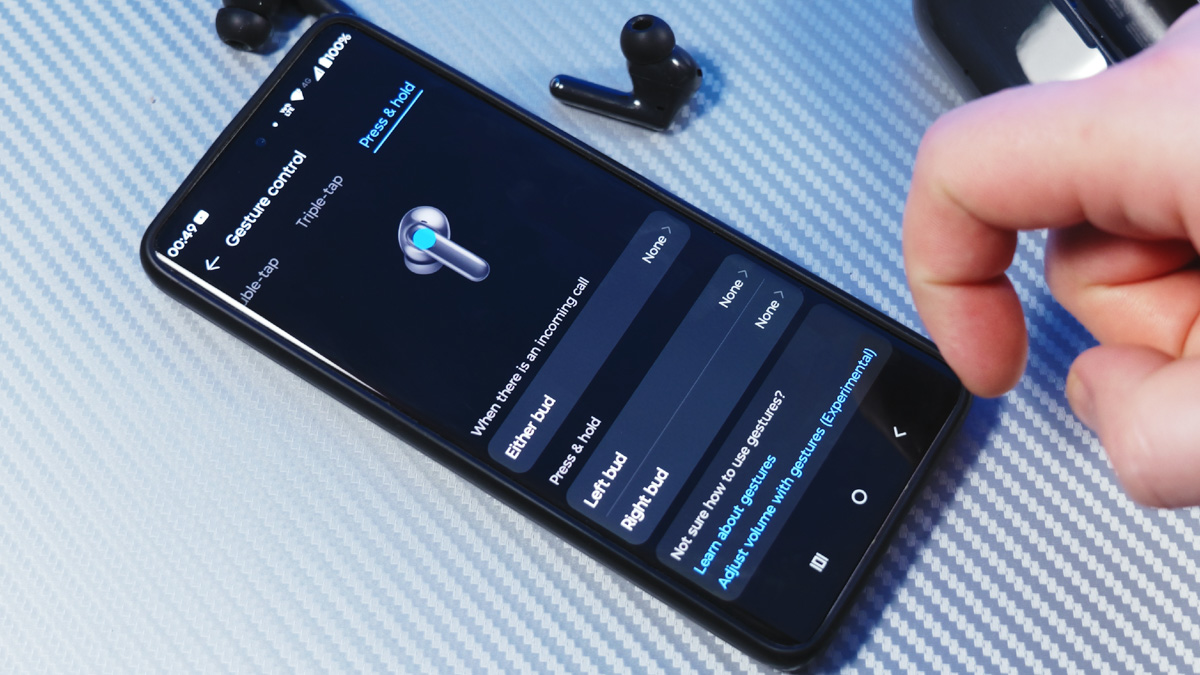
Within AI Life, users have access to an equalizer with preset profiles, a quick gesture guide, and the ability to customize individual gestures – including the option to disable all touch controls entirely, which can be useful, for example, when using the earbuds for sleep.
The app also offers a low-latency mode, a feature to locate the earbuds with a loud sound, volume adjustment, and quick sound-quality presets tailored for vocals, bass, or midrange frequencies.
Notably, there is no feature to automatically pause playback when an earbud is removed from the ear.
Noise Cancellation
Huawei officially claims an average of 24 dB of attenuation for standard noise across a range of 50 Hz to 20 kHz. In practice, the system performs best with consistent background sounds such as fans – UPS units or network storage devices, for example. In my testing, the QNAP TS-231P3-4G NAS is barely audible while wearing these earbuds. Even the sound of a mechanical scissor-switch keyboard is significantly reduced, and this effect is noticeable before any music playback begins.

Overall, the noise cancellation is effective enough that I find it comfortable to sleep with the earbuds even without music. In this case, the glossy finish works in favor of the FreeBuds SE 4 ANC, as the housing slides smoothly over pillow fabric rather than catching on it.
Sound Testing
The soundstage of the FreeBuds SE 4 ANC is relatively narrow. This is immediately noticeable when music starts playing. The sense of spatial depth feels compressed, giving the impression that the audio is somewhat artificially constrained. This characteristic appears consistent regardless of the noise cancellation mode, equalizer profile, or Huawei’s Dolby Atmos enhancement.
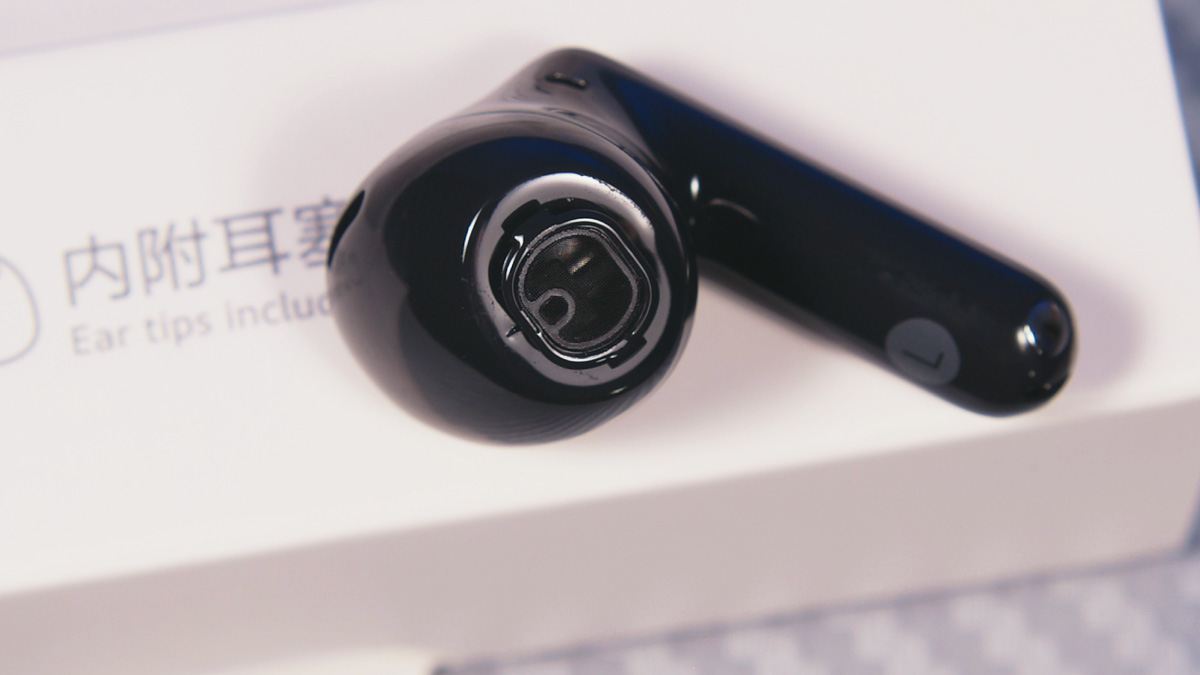
Within the soundstage, instruments attempt to occupy distinct positions, vocals are relatively clear, and the bass is rich and full. However, the treble – especially at the highest vocal notes – can become uncomfortable when the volume exceeds around 60%.

On certain tracks, such as Puscifier – Momma Sed (Tandemonium Mix), the narrow soundstage is almost forgettable. The combination of dynamic vocals and active noise cancellation creates an engaging and enjoyable experience – but only at around 50% volume, as higher levels quickly become uncomfortable.
Overall, it feels as if the earbuds are subtly reshaping the listening experience, suggesting that a narrow soundstage is acceptable. This may simply reflect the limitations typical of this price segment. For example, on Nine Inch Nails – Meet Your Master, from roughly the third minute to the end, Trent Reznor’s vocals appear in seemingly random positions, almost behind the listener. This creates a sense of depth, yet the overall stage remains noticeably narrow.
Battery Life
Each earbud is equipped with a 41 mAh lithium-polymer battery, while the charging case has a 510 mAh capacity. With noise cancellation enabled and volume set to around 50%, this configuration provides approximately 6–7 hours of music playback and about 5 hours of talk time.

It is helpful that the manufacturer specifies charging times for different scenarios. Wired charging of the case takes up to 115 minutes, whether the earbuds are inside or not. If the case itself is not charging but is used to charge the earbuds, the process takes up to one hour.
Conclusion
Frankly, after some time using them, these earbuds feel more like a noise-canceling tool with music playback as a secondary feature, rather than the other way around. The glossy finish and sound signature are subjective aspects, so individual impressions may vary.
Objectively, the Huawei FreeBuds SE 4 ANC offer long battery life, highly effective noise cancellation, and, for their price, provide significant value for those who prioritize quiet over audio fidelity. Combined with software support and an IP54 rating for the earbuds, they make a practical and thoughtful gift – especially for someone who appreciates peace and quiet more than music.
Read also:
- EarFun Clip Review: Open-Ear Sport and Urban Clips with LDAC Support
- Motorola Moto Buds Loop Review: More Than Just a Stylish Accessory
- Huawei FreeBuds Pro 4 Review: Possibly the Best All-Around TWS Earbuds for Everyday Use

